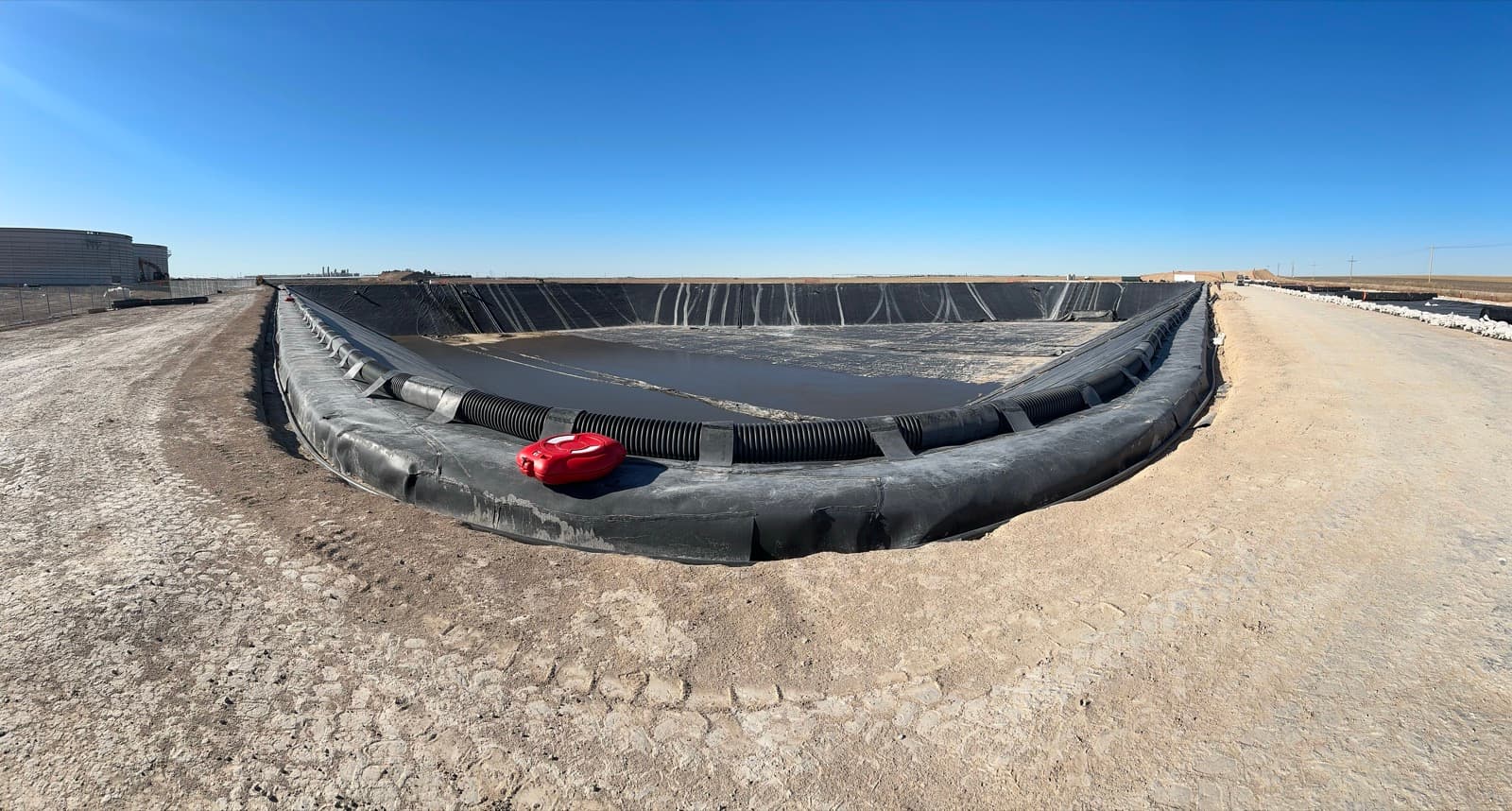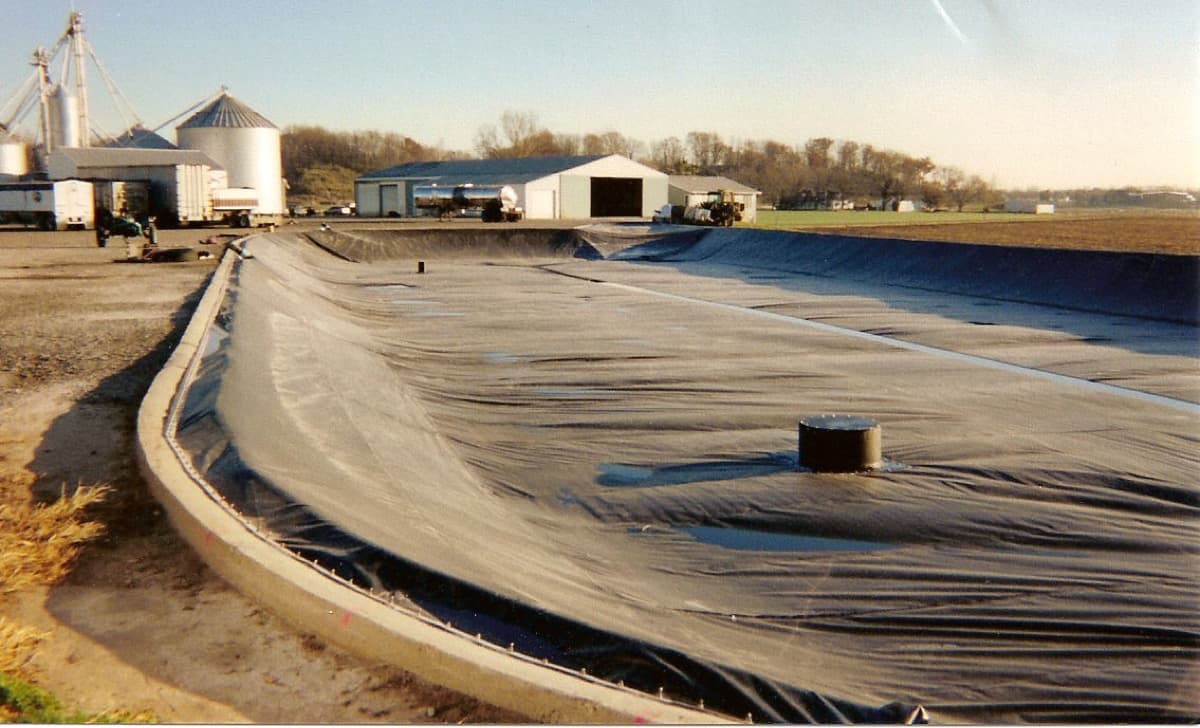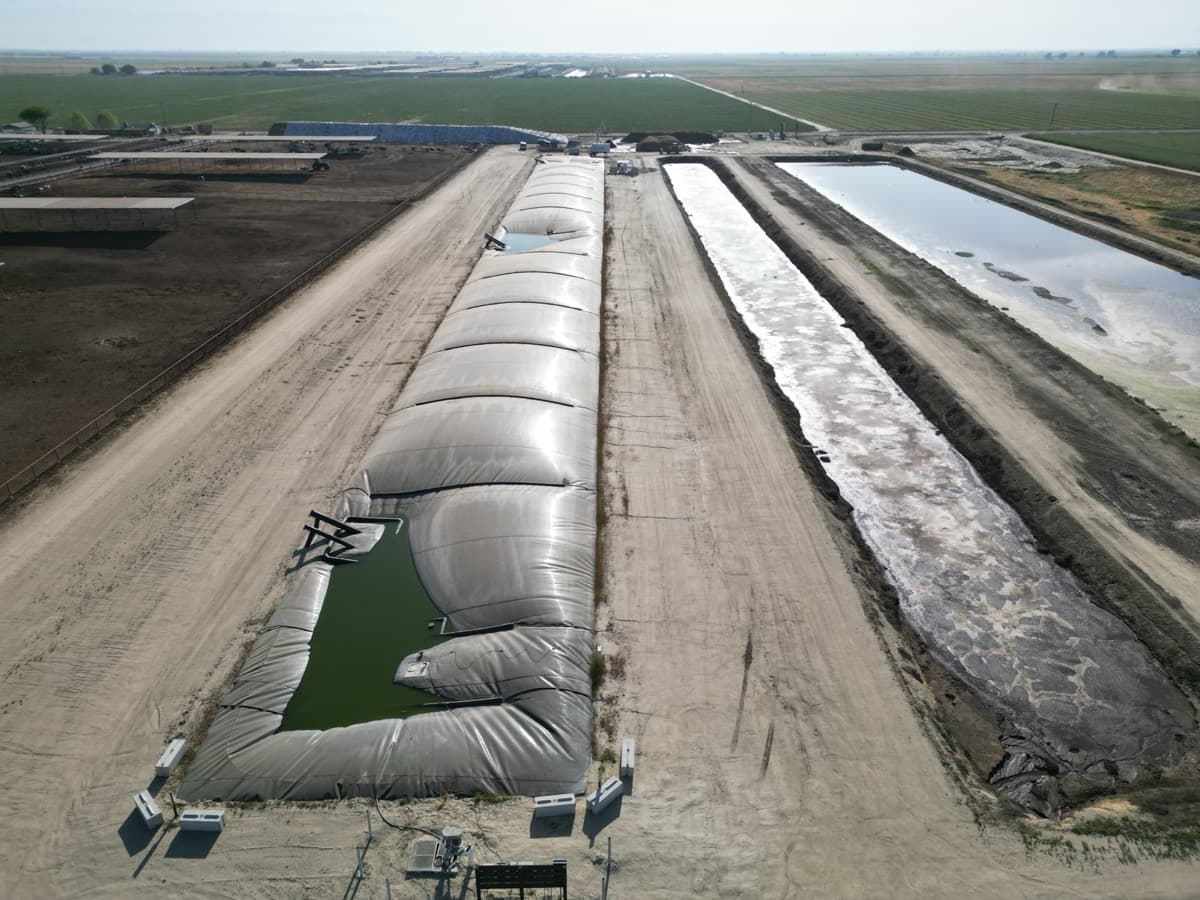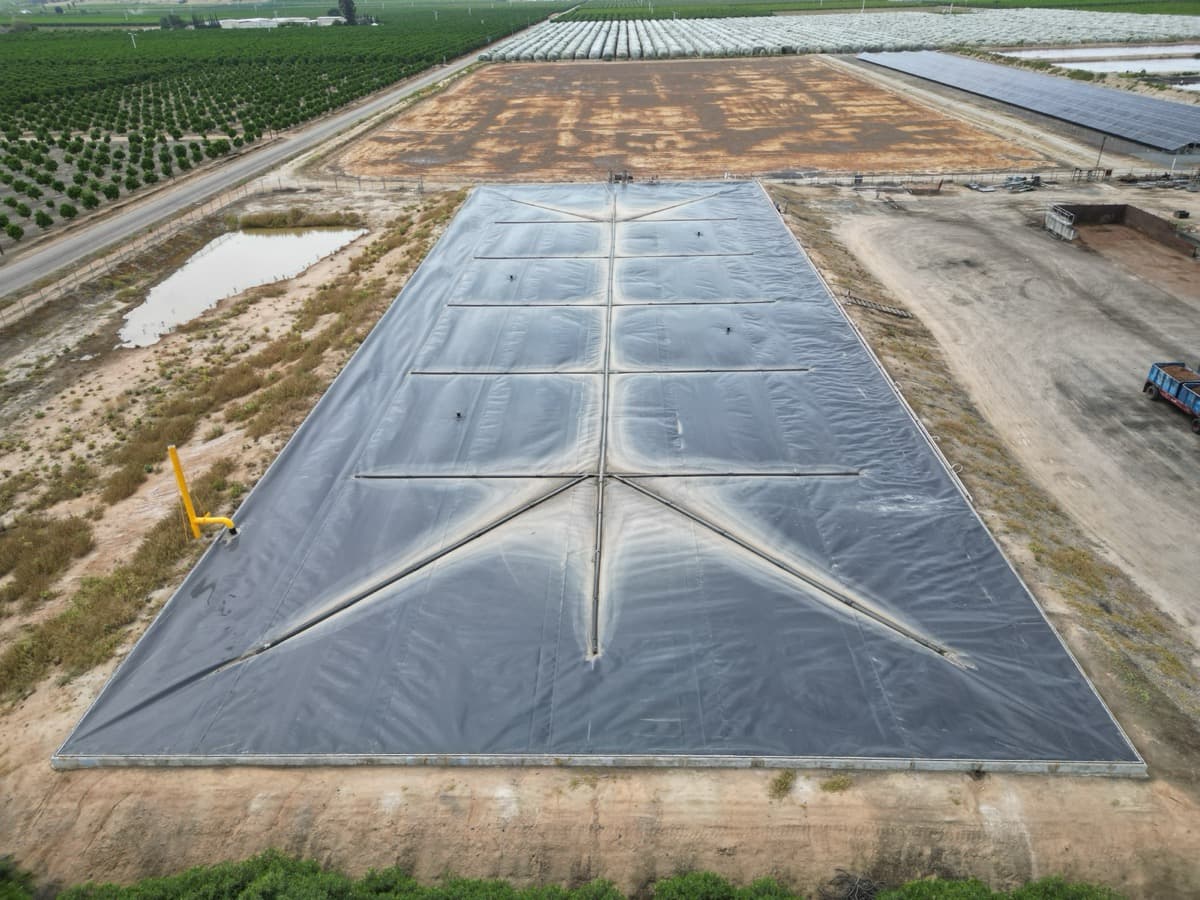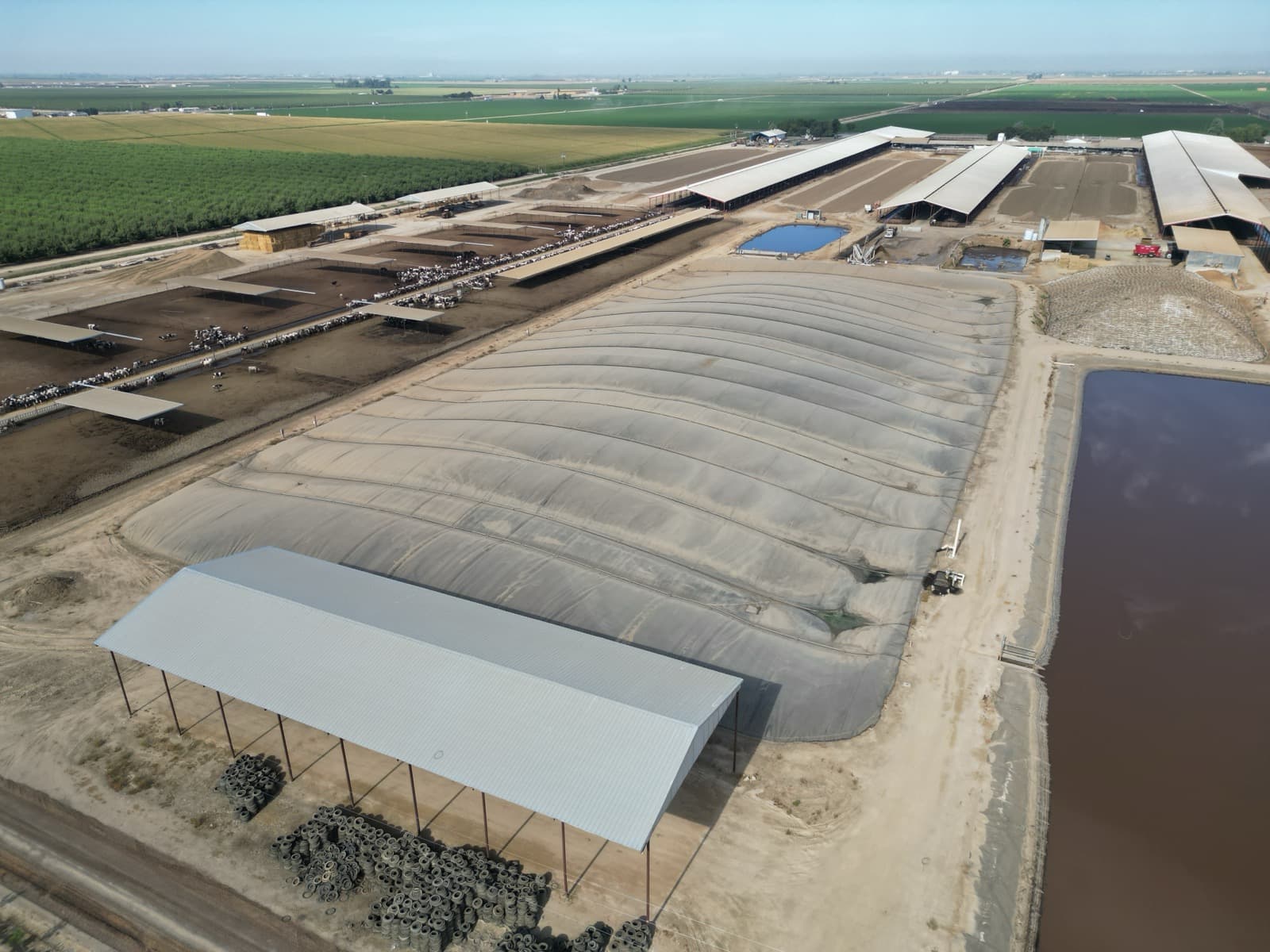
One of the most common questions we hear from project developers, farm operators, and engineers is straightforward: how much does a lagoon cover cost? The honest answer is that it depends on a dozen variables. But after installing covers on more than 500 lagoons across the United States, we can provide realistic ranges that will help you budget accurately and avoid sticker shock.
The Factors That Drive Lagoon Cover Cost
No two lagoon cover projects are identical. The final price is determined by the interaction of several key variables, and understanding these factors is the first step toward an accurate budget.
- Lagoon size (surface area): The single biggest cost driver. Covers are priced primarily by square footage, so a 5-acre lagoon will cost roughly five times more than a 1-acre lagoon for materials alone.
- Material selection: HDPE, LLDPE, and RPP (reinforced polypropylene) covers have different price points. HDPE and LLDPE are typically comparable; RPP costs more but offers advantages in certain applications.
- Cover type: A simple floating cover for odor control is less expensive than a gas-collection cover designed for biogas capture, which requires additional piping, ballast, and engineering.
- Site accessibility: Remote locations, difficult terrain, or limited staging areas increase mobilization and installation costs.
- Lagoon geometry: Rectangular lagoons are simpler and cheaper to cover than irregular shapes. Complex geometries require more custom fabrication and field welding.
- Anchoring system: Perimeter anchoring method (trench, batten strip, or concrete) affects both cost and long-term performance.
- Rainwater management: Pumps and drainage systems for managing rainwater on the cover surface add to total project cost.
Price Ranges by Application
The following ranges represent total installed cost including materials, fabrication, mobilization, installation labor, and basic commissioning. They do not include downstream equipment (flares, generators, gas conditioning) or extensive civil work.
- Odor control floating cover (no gas collection): $3 to $6 per square foot installed, depending on material and size.
- Gas collection cover for biogas capture: $5 to $10 per square foot installed. The additional cost covers gas collection piping, condensate management, and pressure relief systems.
- Insulated cover for cold-climate applications: $8 to $14 per square foot installed. Insulation layers maintain digestion temperature in northern climates.
- Replacement cover on existing system: $4 to $8 per square foot. Removing the old cover adds cost, but existing infrastructure (anchors, piping) can often be reused.
Total Project Cost Examples
To put those per-square-foot numbers in context, here are typical total project costs for common lagoon sizes. These assume a standard gas-collection cover installation.
- 1-acre lagoon (~43,500 SF): $220K to $435K total installed
- 3-acre lagoon (~130,000 SF): $650K to $1.3M total installed
- 5-acre lagoon (~217,000 SF): $1.1M to $2.2M total installed
- 10-acre lagoon (~435,000 SF): $2.2M to $4.4M total installed
ROI Considerations
The cost of a lagoon cover should be evaluated against the revenue it generates or the costs it avoids. For biogas capture projects, carbon credit revenue from methane destruction can produce payback periods of 1 to 4 years. For odor control applications, the alternative is often forced relocation, regulatory fines, or community litigation -- all of which dwarf the cost of a properly installed cover.
EFI's cap-and-flare model eliminates upfront cost entirely for qualifying operations. Under this model, EFI funds the installation and shares carbon credit revenue with the site owner, meaning the waste generator pays nothing out of pocket.
How to Get an Accurate Estimate
Online pricing guides (including this one) can only provide ranges. For an accurate project-specific estimate, you need a site assessment that accounts for your lagoon dimensions, waste characteristics, local conditions, and project goals. EFI provides free site assessments and detailed proposals that include engineering, fabrication, installation, and commissioning costs with no obligation.
“Don't let anyone give you a lagoon cover price without seeing your site. The variables are too significant. A proper site assessment takes a day; a wrong estimate wastes months.”
-- Griff Walker, EFI USA