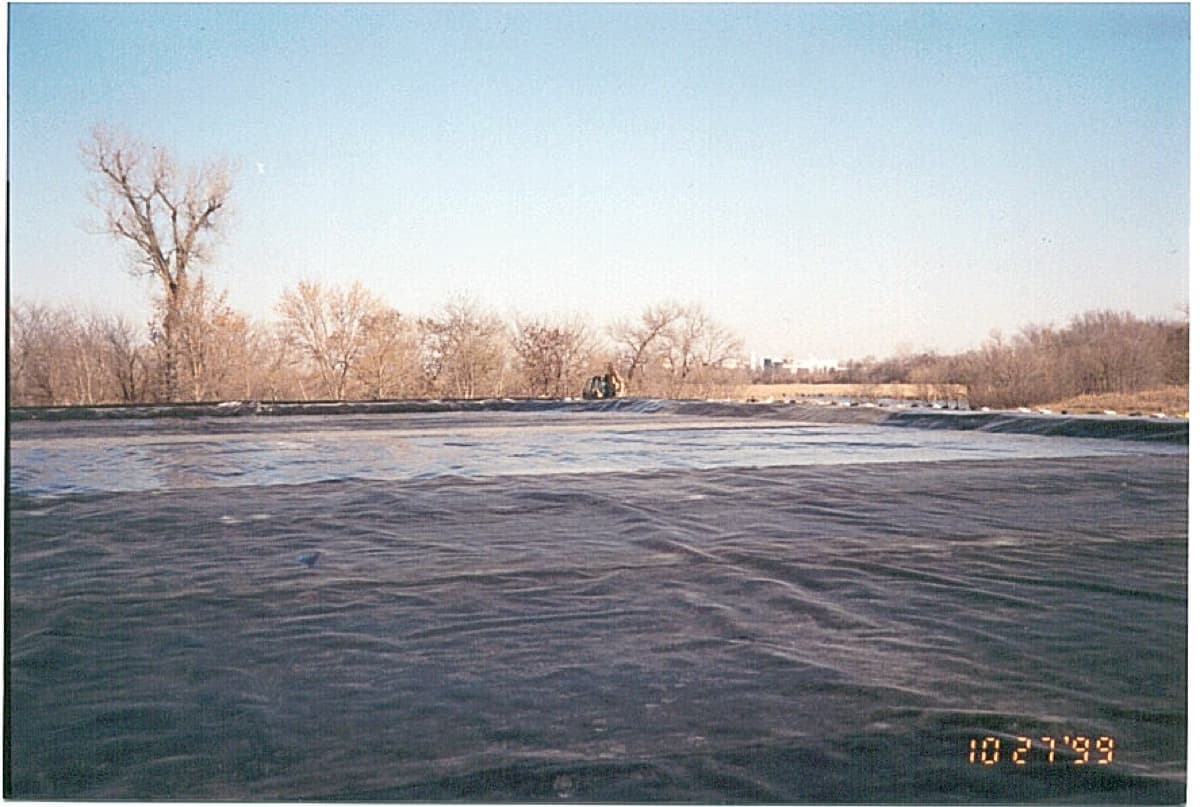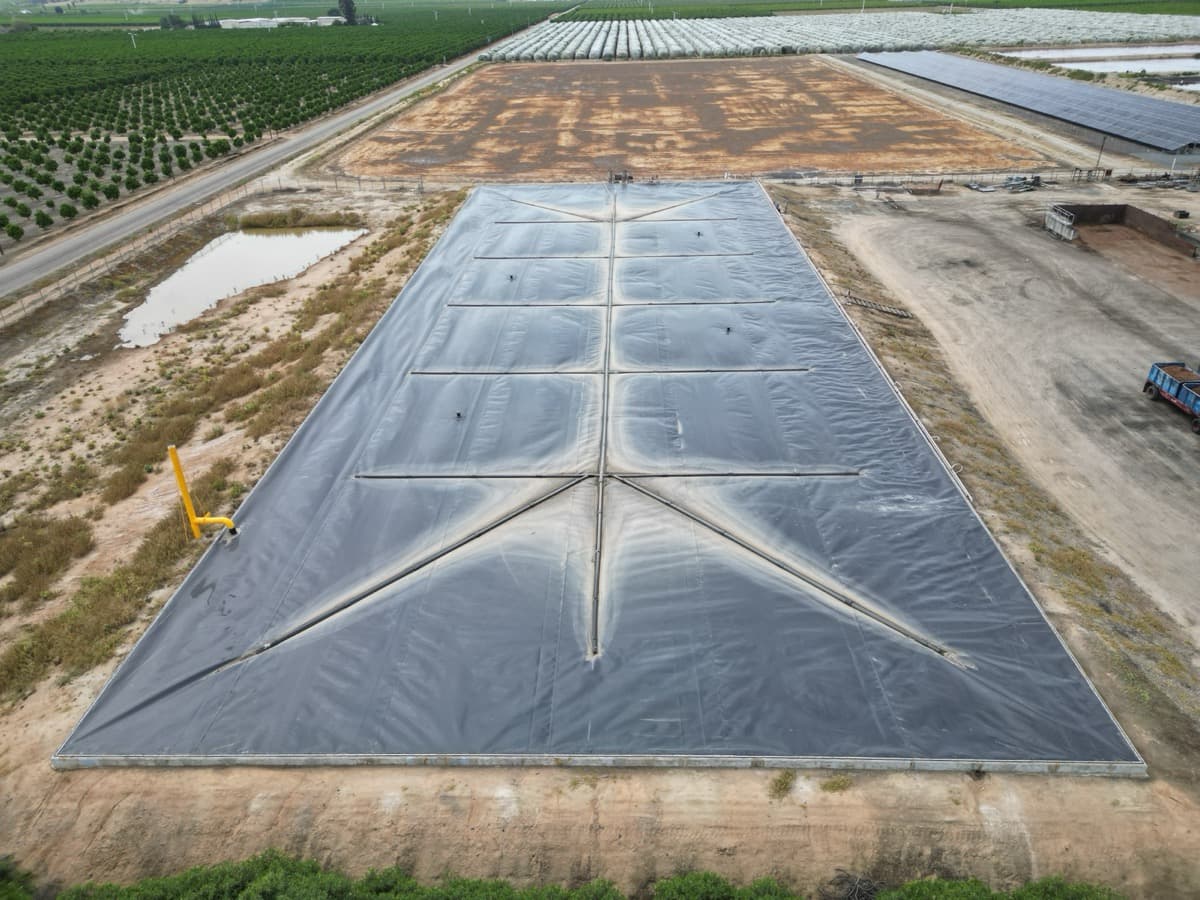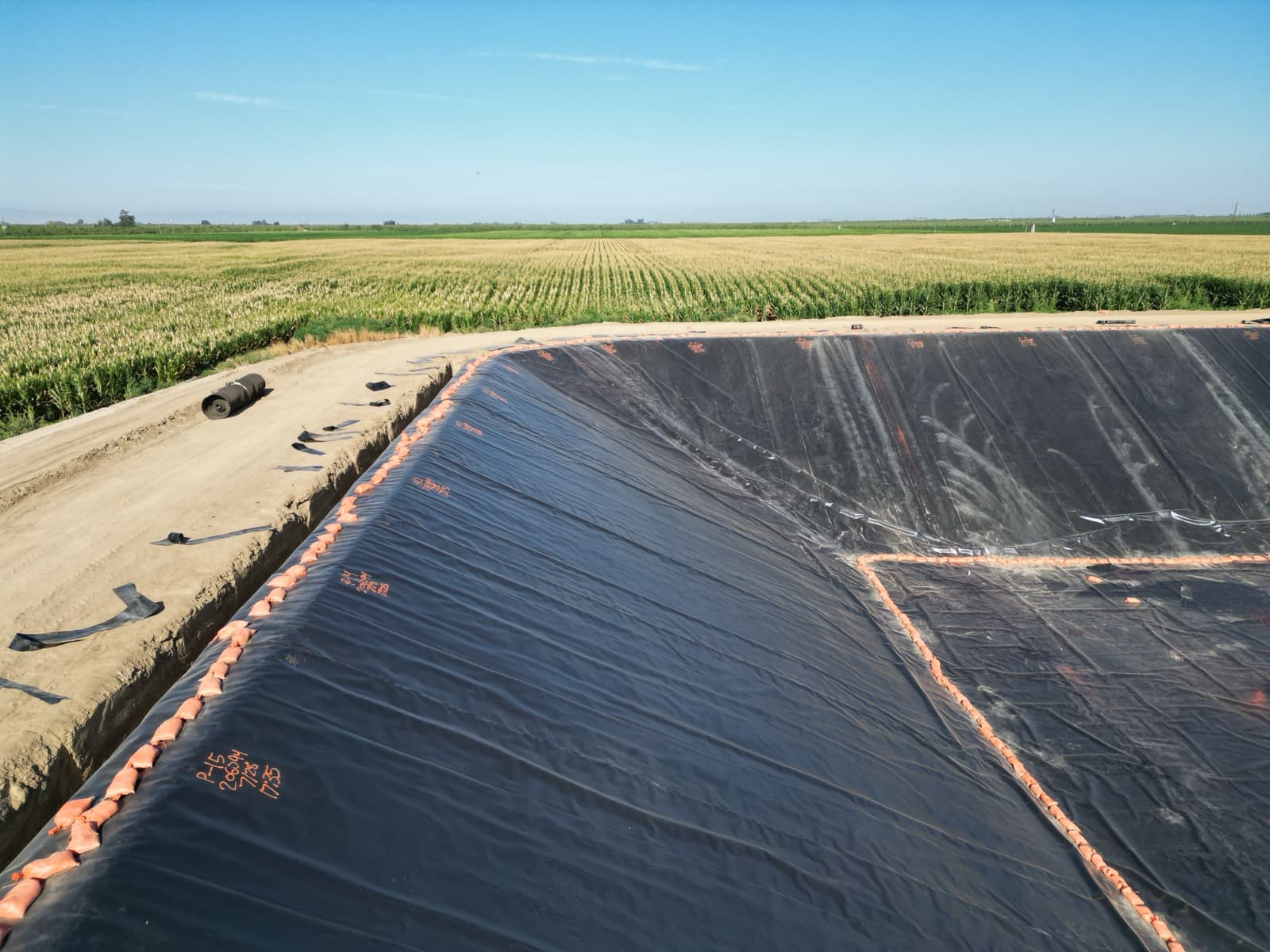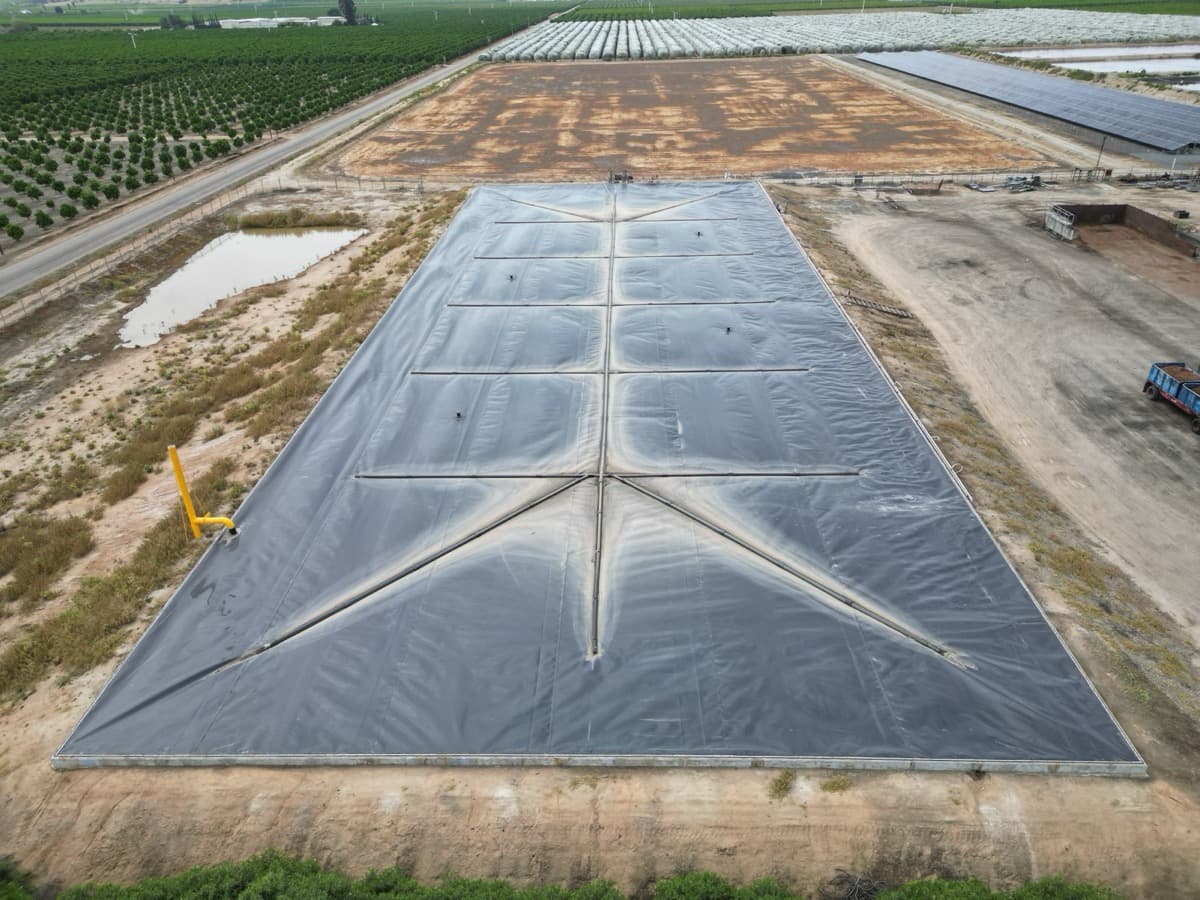
A lagoon cover can span several acres, but the first performance problems often start in the first few feet at the edge. The cover fabric may be the most visible part of the system, but the perimeter, penetrations, drainage layout, gas collection points, and access details usually decide how well the cover works after the construction crew leaves.
That matters because wastewater covers are asked to do more than one job. A cover may be installed to control odor, limit rainwater dilution, reduce algae growth, capture biogas, improve process stability, or protect a treatment lagoon from debris. Those goals overlap, but they do not always lead to the same design.
Start With the Cover Objective
The first design question is not material thickness. It is what the owner needs the cover to accomplish. A permeable cover used primarily for odor control is different from an impermeable floating cover designed to collect gas. A cover on a municipal lagoon has different operating demands than a cover on a dairy digester, food processing lagoon, or industrial wastewater basin.
EFI has worked in geosynthetics for more than 30 years from its headquarters in Gaston, South Carolina. Since 1993, EFI's work has included liners, floating covers, covered lagoon systems, biogas and digester systems, and O2 injection systems for H2S control. That history shows up in the details. A cover that looks simple from an aerial photo is usually the result of many small design decisions made before mobilization.
Perimeter Details Carry the Load
Every floating cover needs a reliable edge condition. Depending on the site, that may mean an anchor trench, concrete attachment, ballast tube, batten strip, or a combination of details. The perimeter must handle wind, water level movement, thermal expansion, stormwater loads, and routine operator traffic. If the edge detail is undersized or hard to inspect, the rest of the cover inherits that weakness.
The perimeter is also where construction tolerances become visible. Uneven grades, soft subgrades, old liner tie ins, pipe conflicts, and limited access can all affect how a cover is secured. This is why field planning matters. A good RFQ should ask how the contractor will address the actual lagoon geometry, not just ask for a square foot price on fabric.
Stormwater Is a Design Problem
Rainfall does not disappear when a lagoon is covered. It lands on the cover and has to be managed. On some systems, surface water is directed to sumps and pumped off. On others, the cover layout, ballast, slopes, and drainage paths are used to keep water from collecting in areas that stress seams or block access.
Standing water adds weight. It can pull fabric into low spots, change cover movement, and make routine inspection harder. In cold climates, water management also affects ice loading. In warm climates, persistent ponding can accelerate wear at folds, wrinkles, and high movement areas. Stormwater details are not accessories. They are part of the structural behavior of the cover.
Gas Handling Needs a Complete Path
When a wastewater cover also functions as a biogas pond cover, gas collection becomes central to the design. The cover has to direct gas to collection points without creating uncontrolled pressure pockets, dead zones, or difficult maintenance conditions. The header layout, condensate management, pressure relief, and instrumentation all need to be considered with the cover layout.
Gas quality also affects the balance of the system. Biogas can carry moisture and H2S, and those conditions influence material selection, piping details, equipment layout, and maintenance planning. EFI's work across covered lagoon systems, biogas systems, and O2 injection for H2S removal gives the team a practical view of how cover design and gas treatment connect in the field.
Penetrations Are Small Until They Fail
Pipe penetrations, mixer openings, sampling points, vents, drains, and access hatches deserve more attention than they often receive. Each penetration interrupts the cover membrane. Each one needs a sealing method that can tolerate movement, gas exposure, water level changes, and maintenance activity.
A common mistake is treating penetrations as isolated details. In practice, they are part of the operating plan. Operators need safe access to inspect, clean, pump, sample, and repair the system. If those access points are not planned into the cover, maintenance becomes harder and the chance of field damage increases.
Quality Control Is Built Into the Sequence
Floating cover quality is not created at the end of the job. It is built through panel layout, fabrication planning, shipping, staging, deployment, welding, seam testing, repair documentation, and turnover records. Weather, access, liner condition, and lagoon operations all affect the sequence.
For owners, the practical question is simple: what will be documented before the contractor leaves? The answer should include material certifications, seam test records, repair logs, as built details, installation photos, and operating guidance. EFI's work in geomembrane liners and floating covers is grounded in this kind of construction documentation because it protects both the owner and the installer.
What to Confirm Before an RFQ
- Primary cover objective: odor control, gas capture, rainwater exclusion, process control, or a combination
- Cover type: permeable, impermeable, insulated, ballasted, or gas collection design
- Perimeter condition: anchor trench, concrete attachment, ballast, or retrofit tie in
- Stormwater plan: sumps, pumps, drainage paths, and inspection access
- Gas handling plan: collection points, header routing, condensate, pressure relief, and monitoring
- Penetrations: pipes, vents, hatches, sampling points, mixers, and future access needs
- Quality records: material certifications, seam testing, repair logs, photos, and as built documentation
EFI's role in the U.S. covered lagoon market has been built through practical construction work, not theory. The company has completed liner, cover, biogas, digester, and lagoon system projects across agricultural, municipal, and industrial settings, and its covered lagoon experience represents 82% of the U.S. covered lagoon market.
For a facility owner, the implication is straightforward. A wastewater lagoon cover should be evaluated as a working system, not a single material purchase. The right questions before bid day can prevent expensive changes during construction and reduce maintenance problems years later. Good cover design looks ordinary when it is working well. That is usually the point.