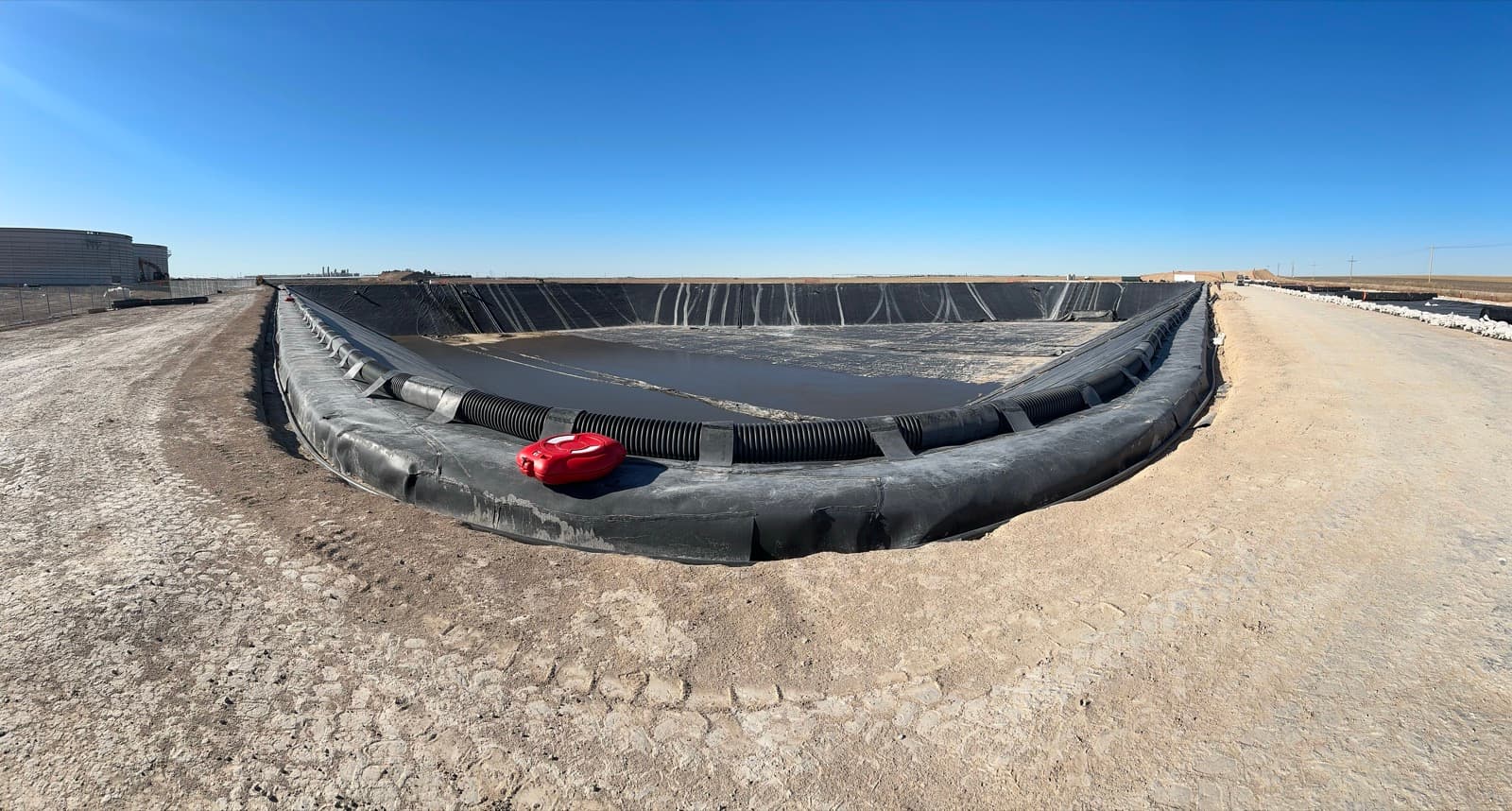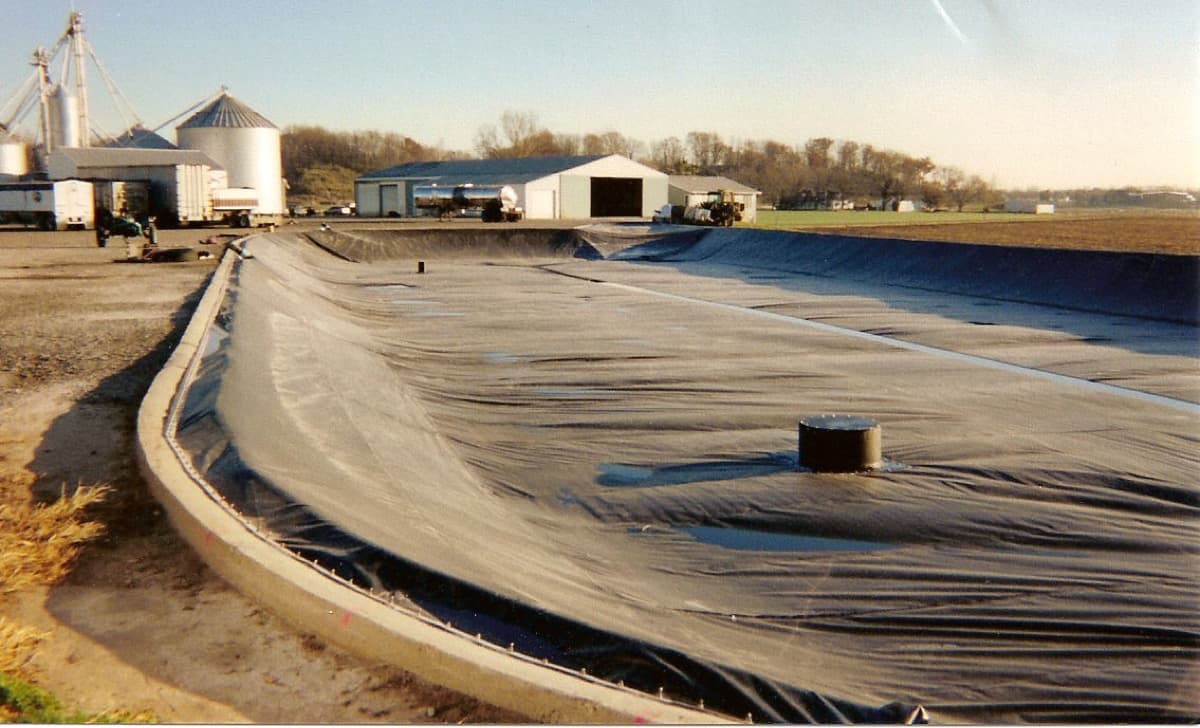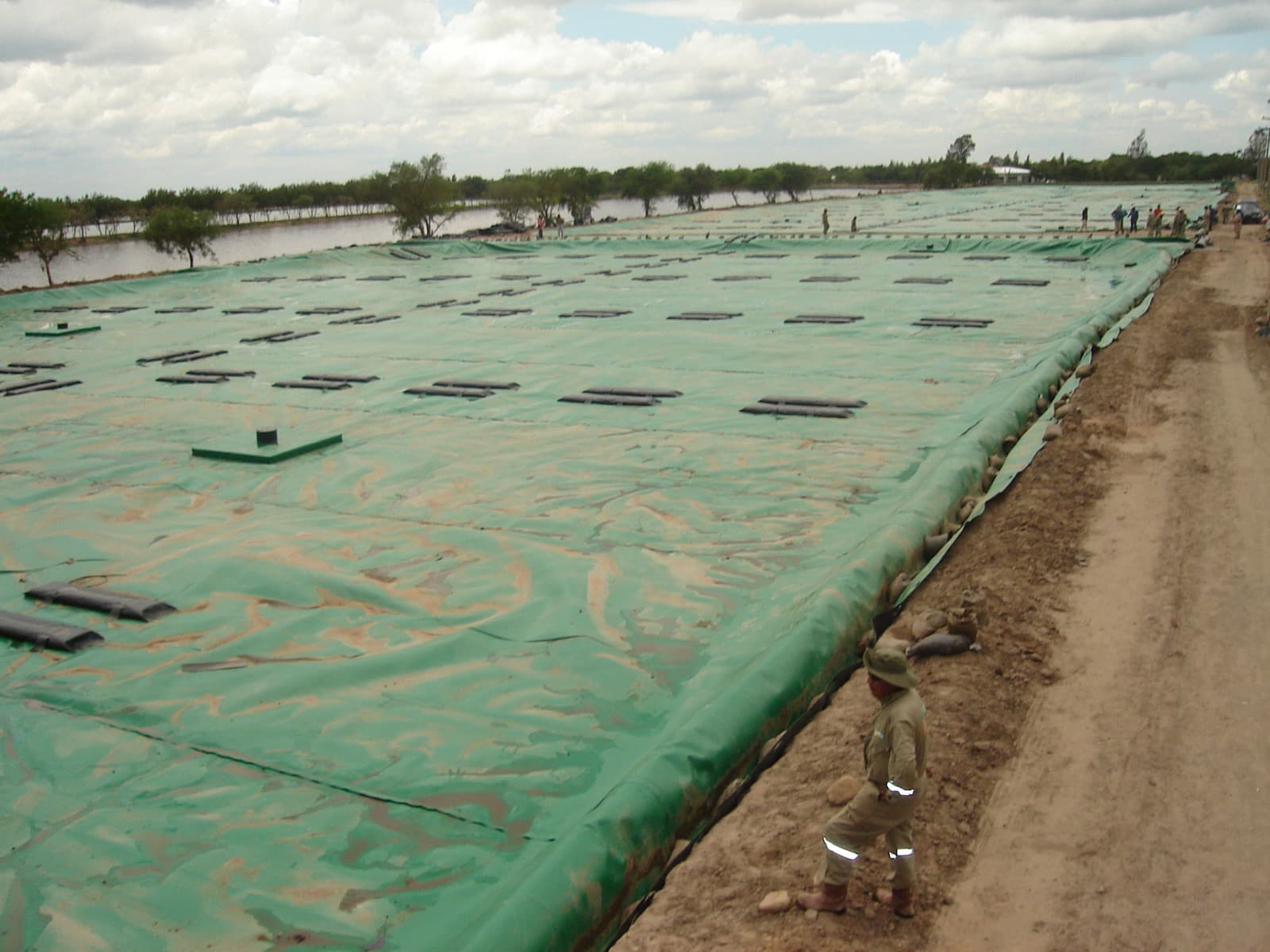
Not every lagoon cover does the same job. The two fundamental categories, gas-tight (impermeable) and permeable, serve different purposes, cost different amounts, and apply to different operational scenarios. Choosing the wrong type wastes capital. Choosing the right type solves your actual problem, whether that's capturing methane for carbon credits, controlling odor complaints from neighbors, or meeting a regulatory mandate. Here's how to think about the decision.
Gas-Tight Covers: Built for Biogas Capture
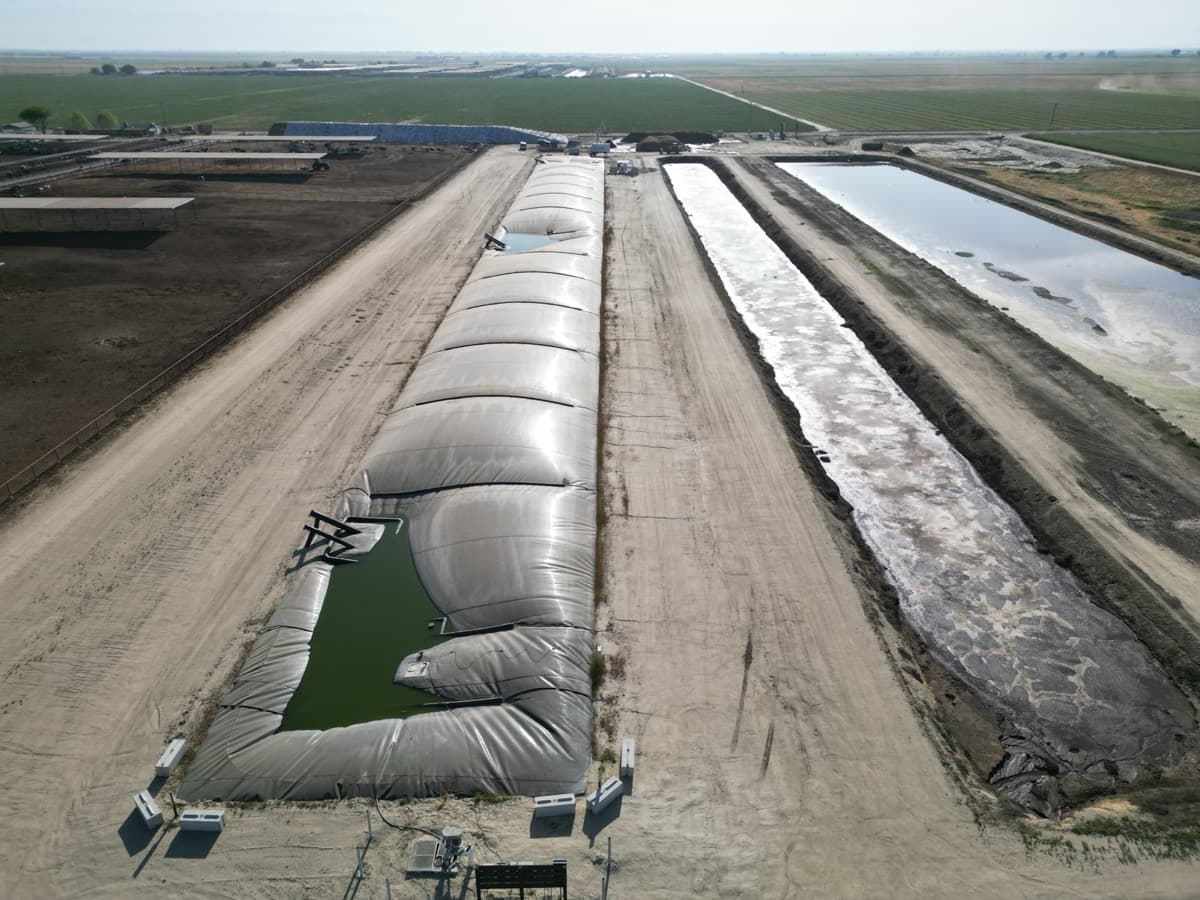
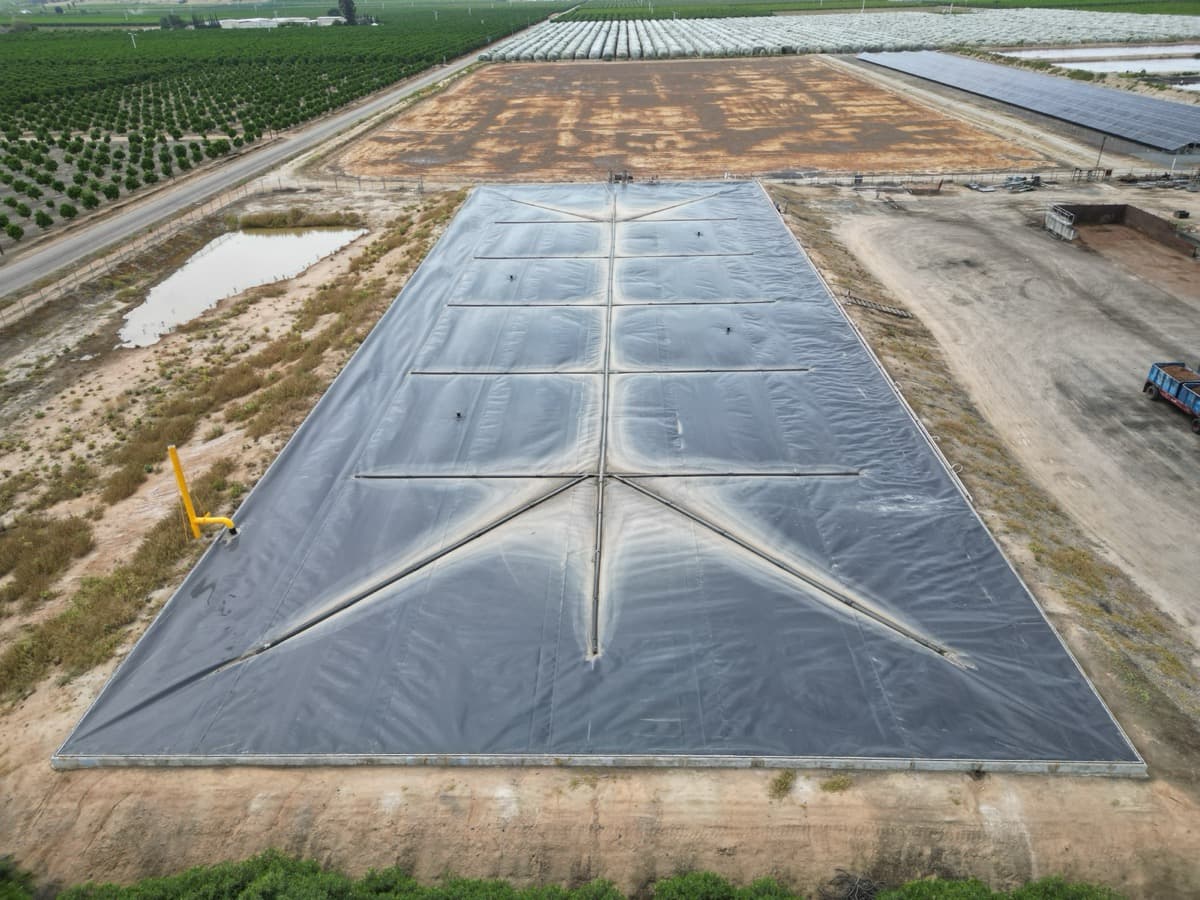
A gas-tight cover is an impermeable geomembrane, typically HDPE, LLDPE, or reinforced polypropylene, installed over a lagoon to create a sealed headspace that captures all biogas produced by anaerobic decomposition. The captured gas, primarily methane and carbon dioxide, is routed through a collection system to either an enclosed flare for destruction or to energy recovery equipment like generators or gas upgrading systems. Gas-tight covers are the foundation of every covered lagoon digester (CLD) and every cap-and-flare methane destruction project.
- Material: HDPE (40-80 mil) or LLDPE geomembrane with fusion-welded seams
- Purpose: complete biogas capture for methane destruction or energy recovery
- Typical cost: $2.50 to $6.00 per square foot installed, depending on size and site conditions
- Lifespan: 20 to 30 years with proper maintenance for HDPE systems
- Applications: dairy lagoons, swine lagoons, food processing wastewater, any site generating carbon credits
The engineering requirements for gas-tight covers are more demanding than permeable systems. Seams must be fusion-welded and tested to ensure zero gas leakage. The cover must accommodate gas pressure fluctuations, rainwater management, and thermal expansion and contraction cycles. Ballast systems, typically sandbag weights or perimeter anchor trenches, keep the cover secured against wind uplift. Despite the higher complexity, gas-tight covers are the only option if your goal is methane destruction, carbon credit generation, or energy recovery from biogas.
Permeable Covers: Odor Control and Algae Reduction
Permeable covers use woven or non-woven geotextile materials that allow gas to pass through while blocking sunlight and reducing wind-driven evaporation. They don't capture biogas, that's not their job. Instead, they address two common lagoon management challenges: odor emissions and excessive algae growth. By blocking UV light penetration, permeable covers starve algae of the energy they need to proliferate. By providing a physical barrier and creating conditions for bacterial oxidation of odorous compounds, they reduce hydrogen sulfide and ammonia emissions significantly.
- Material: woven or non-woven polypropylene geotextile, often UV-stabilized
- Purpose: odor reduction (60-90%), algae suppression, evaporation control
- Typical cost: $0.75 to $2.00 per square foot installed
- Lifespan: 8 to 15 years depending on UV exposure and loading conditions
- Applications: municipal lagoons, secondary treatment cells, facilities without biogas monetization plans
How to Choose: Decision Framework
The decision starts with one question: do you need to capture gas? If you're pursuing carbon credits, complying with methane destruction mandates, or planning any form of energy recovery, the answer is gas-tight, there is no permeable alternative that achieves those goals. If your primary concern is odor complaints, algae management, or evaporation losses, and you have no current or planned need to capture biogas, a permeable cover delivers meaningful results at roughly one-third the cost of an impermeable system.
There's an important caveat: regulatory trends are pushing more facilities toward methane capture requirements. If your operation is likely to face emissions mandates in the next five to ten years, investing in a gas-tight cover now avoids the cost of removing a permeable cover and replacing it later. EFI has installed over 500 cover systems across both categories and can evaluate whether your facility's long-term trajectory favors one approach over the other. The wrong cover is the one you have to replace in five years because the regulations caught up.