A biogas flare is the final piece of a methane destruction system. It combusts captured biogas to convert methane into carbon dioxide and water -- reducing the greenhouse gas impact by roughly 97% on a CO2-equivalent basis. For operations generating carbon credits through methane destruction, the flare is the revenue-generating asset. Getting the selection and sizing right is essential.
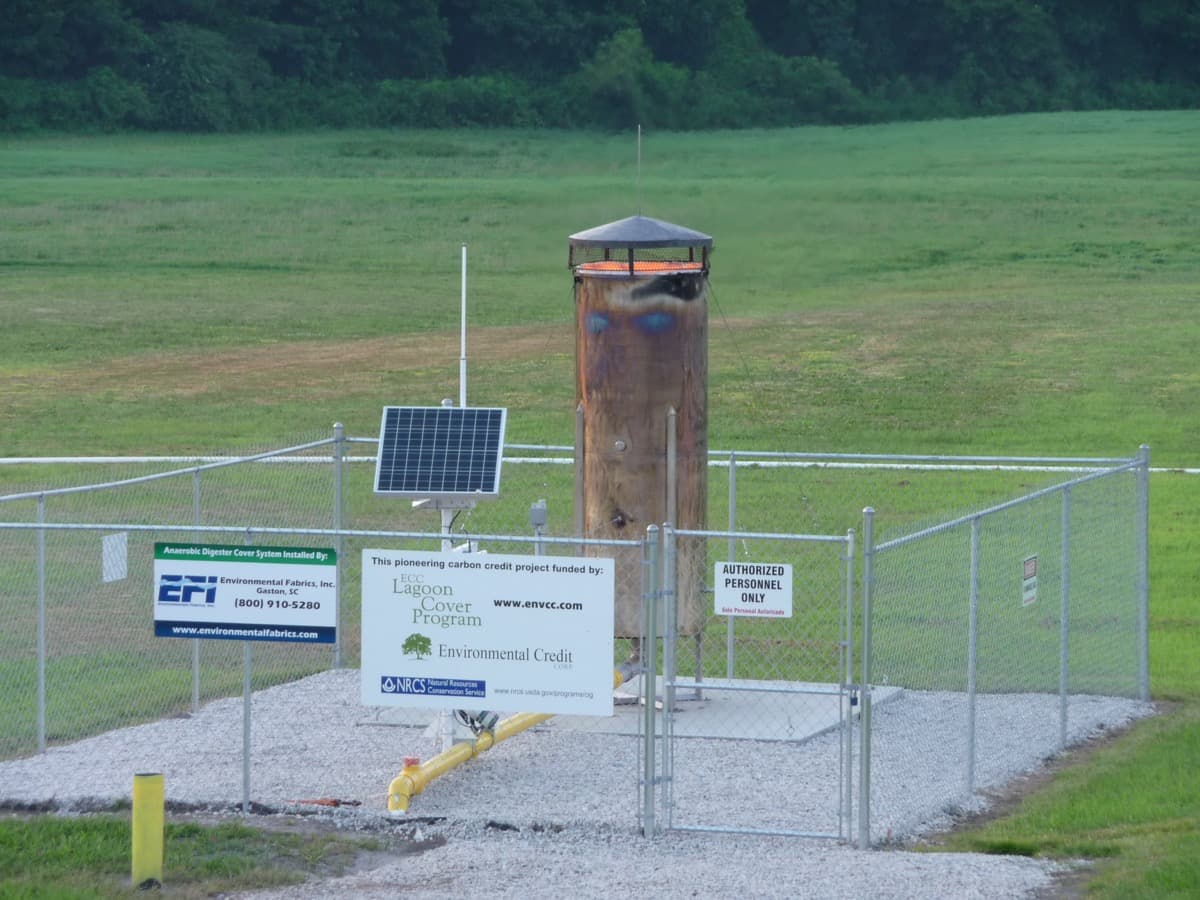
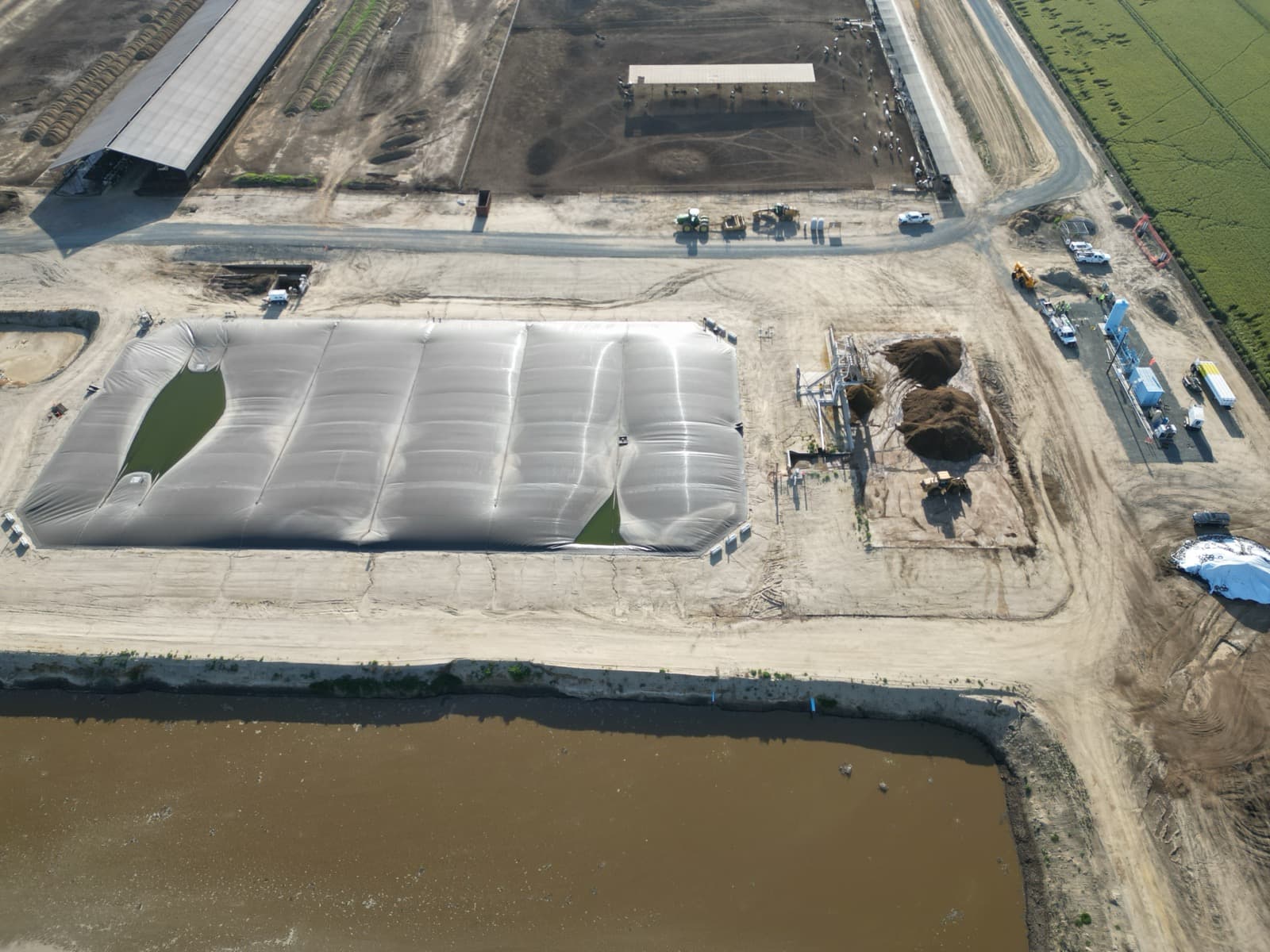
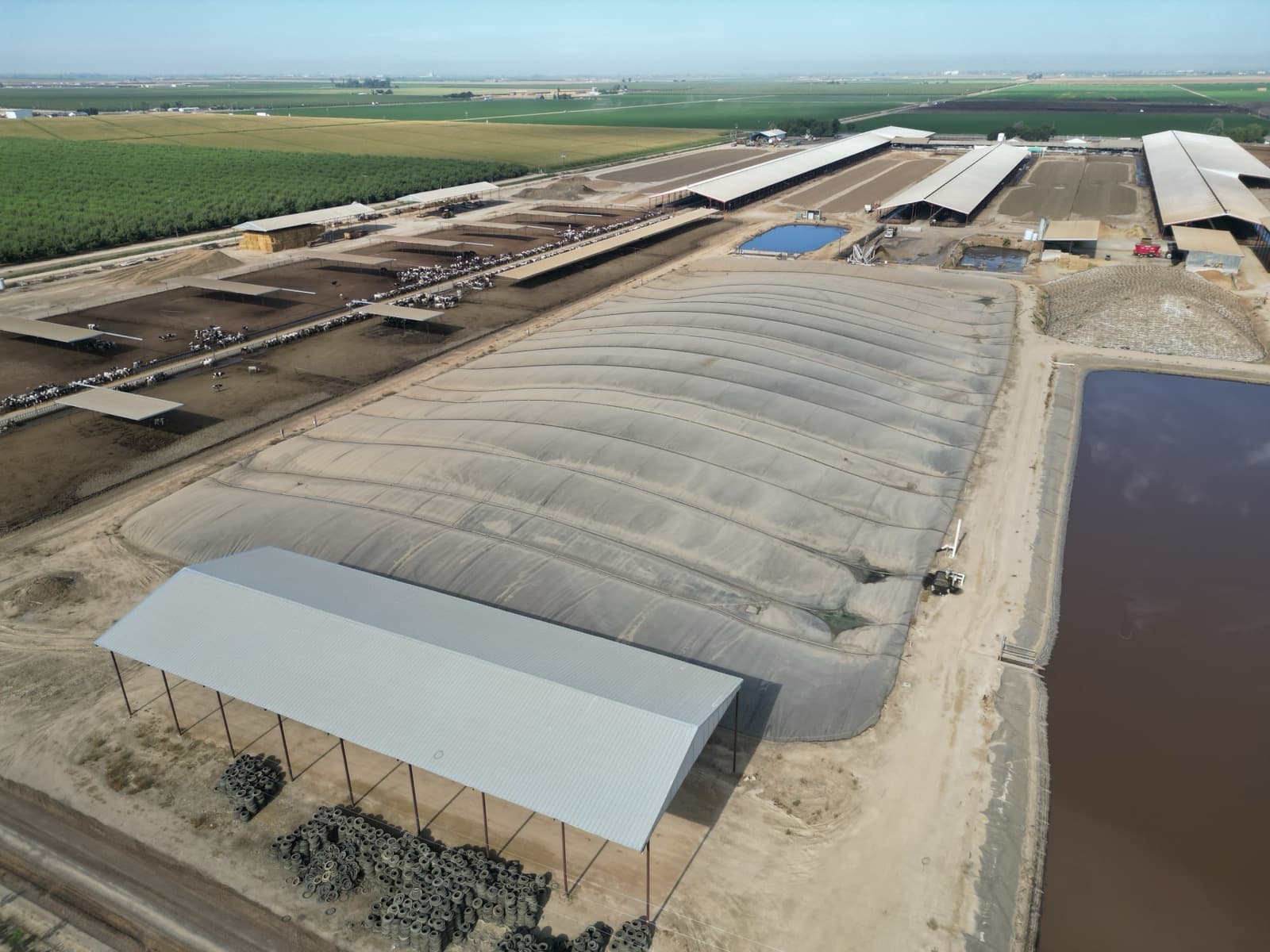
EFI USA has specified, installed, and commissioned flare systems on over 500 covered lagoon digester projects. Our standard flare is the Varec 244W enclosed combustor, chosen for its destruction efficiency, regulatory compliance, and reliability in continuous-duty agricultural and industrial applications.
Types of Biogas Flares
There are three primary flare types used in biogas applications, each with distinct performance characteristics and regulatory implications.
- Open (candlestick) flares: The simplest design, essentially an elevated pipe with a pilot ignition system. Low cost but poor destruction efficiency (typically 90-95%), visible flame, and limited regulatory acceptance for carbon credit projects.
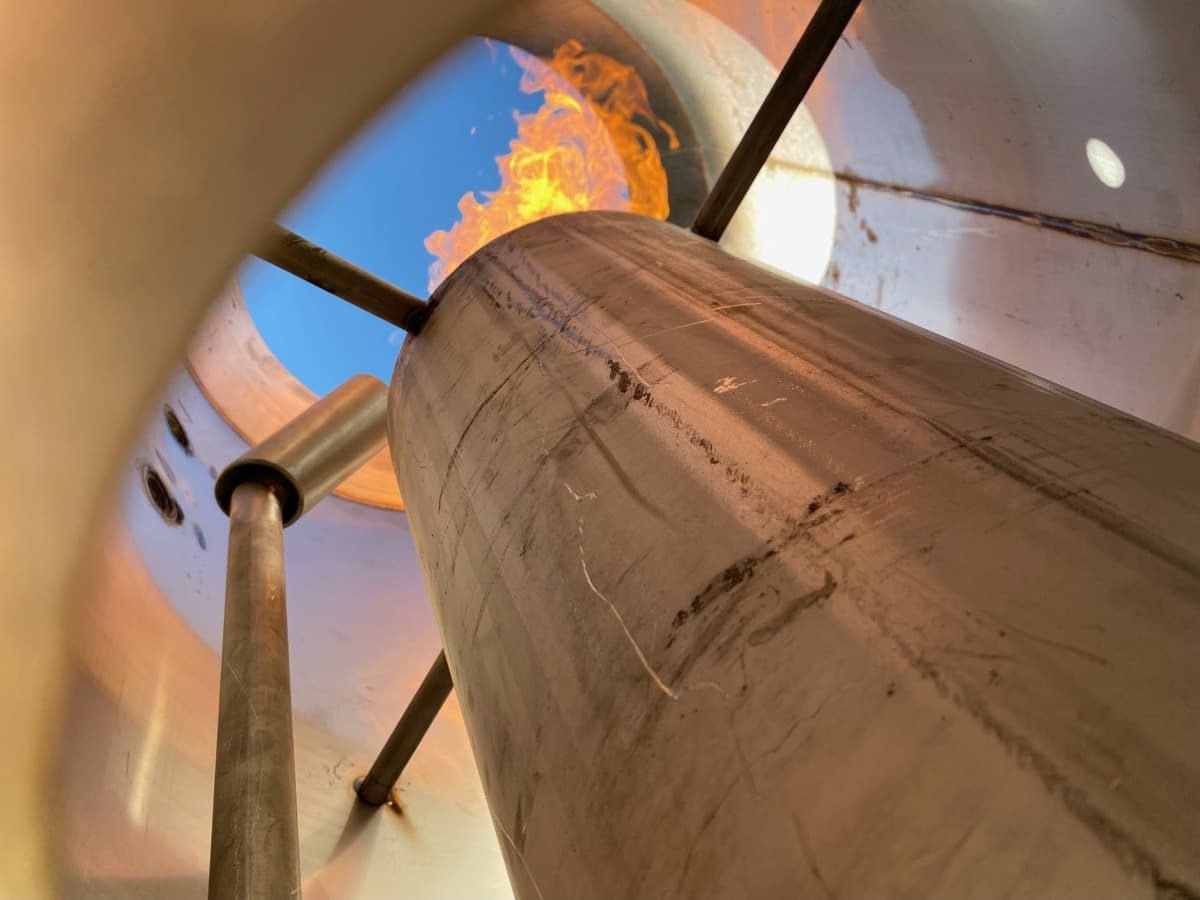
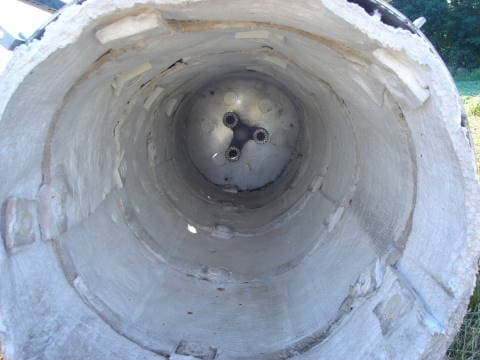
- Enclosed (ground) flares: A refractory-lined combustion chamber that contains the flame. Destruction efficiency of 99.5%+ with proper operation. No visible flame, lower noise, and meets the most stringent regulatory requirements. This is EFI's standard specification.
- Utility flares: Larger industrial flares designed for high-volume applications like landfill gas or wastewater treatment plants. Often include waste heat recovery. Overkill for most agricultural biogas applications.
Why EFI Specifies the Varec 244W
The Varec 244W enclosed combustor has been EFI's standard flare across hundreds of installations. The selection is based on decades of field performance data, not marketing materials. The 244W delivers 99.5% or greater destruction efficiency when properly sized, operates reliably across a wide range of gas flows and methane concentrations, meets CARB, EPA, and state-level emission requirements for carbon credit verification, includes integral flame monitoring, automatic re-ignition, and safety shutdown systems, and has a proven track record of 15-20+ year service life with routine maintenance.
Flare Sizing Methodology
Flare sizing is driven by the maximum expected biogas flow rate, which depends on waste loading, lagoon size, climate, and seasonal variation. Undersizing causes dangerous pressure buildup under the cover; oversizing wastes capital and can cause operational issues at low-flow conditions.
- Step 1: Estimate peak biogas production. Use historical data if available, or model based on waste characterization, volatile solids loading, and ambient temperature. EFI's proprietary database provides accurate predictions from 30+ years of field data.
- Step 2: Apply a safety factor. Typically 1.25x to 1.5x the predicted peak flow to account for slug loading events and data uncertainty.
- Step 3: Account for gas quality. Methane concentration (typically 50-70% in CLD biogas), H2S levels, and moisture content all affect flare performance and material selection.
- Step 4: Verify turndown ratio. The flare must operate efficiently across the full range of expected flows -- from summer peak to winter minimum. The Varec 244W has a 10:1 turndown ratio, meaning it handles seasonal variation without supplemental fuel.
- Step 5: Size ancillary equipment. Blowers, condensate traps, flame arrestors, and gas piping must be sized to match the flare capacity.
Regulatory Requirements for Biogas Flares
Regulatory requirements vary by state and project type, but common standards include:
- Destruction efficiency: 98% minimum for most state permits; 99% or higher for CARB Low Carbon Fuel Standard (LCFS) and voluntary carbon credit protocols.
- Continuous monitoring: Temperature monitoring in the combustion zone, flow measurement, and in some cases continuous emission monitoring systems (CEMS).
- Automatic safety systems: Flame detection, automatic re-ignition, high-temperature and low-temperature shutdowns, and gas leak detection.
- Stack testing: Initial compliance testing and periodic retesting (typically every 1-3 years) to verify destruction efficiency.
- Recordkeeping: Continuous data logging of flare operation, downtime events, and maintenance activities for credit verification audits.
Common Sizing Mistakes
The most frequent flare sizing errors EFI encounters on competitor-installed systems include relying on theoretical biogas production models without field data validation, failing to account for seasonal variation in gas production, ignoring the impact of H2S on combustion equipment life, undersizing condensate management which causes water slugs to reach the burner, and specifying open flares that cannot meet carbon credit verification requirements.
“A flare that is offline is not destroying methane, and methane that is not destroyed is not generating credits. Reliability is not a nice-to-have -- it is the entire business case.”
-- EFI USA Technical Team
EFI's engineering team sizes flare systems using real-world production data from our database of 500+ installations. Contact us for a biogas production estimate and flare sizing recommendation for your project.