When a dairy, swine operation, or food processor decides to capture biogas from organic waste, the first major technology decision is choosing between a continuously stirred tank reactor (CSTR) and a covered lagoon digester (CLD). Both systems accomplish anaerobic digestion, but they differ dramatically in capital cost, operational complexity, maintenance requirements, and ideal applications.
EFI USA has installed over 500 covered lagoon digester systems and has worked alongside CSTR projects for decades. That dual perspective gives us an honest view of where each technology excels and where it falls short. The answer is not always the same -- it depends on your waste stream, climate, budget, and end-use goals.
How CSTR Anaerobic Digesters Work
A CSTR is an enclosed, heated, mechanically mixed tank designed to maintain optimal conditions for anaerobic bacteria. Waste is continuously fed into the reactor, which operates at mesophilic (95-105°F) or thermophilic (130-140°F) temperatures. Mechanical mixers keep the contents homogeneous, preventing stratification and ensuring consistent contact between bacteria and organic matter.
CSTRs typically operate with hydraulic retention times of 15-30 days, meaning waste moves through the system relatively quickly. This allows them to process higher-solids waste streams (6-12% total solids) and produce biogas at more consistent rates regardless of ambient temperature. However, this performance comes at a significant cost premium.
How Covered Lagoon Digesters Work
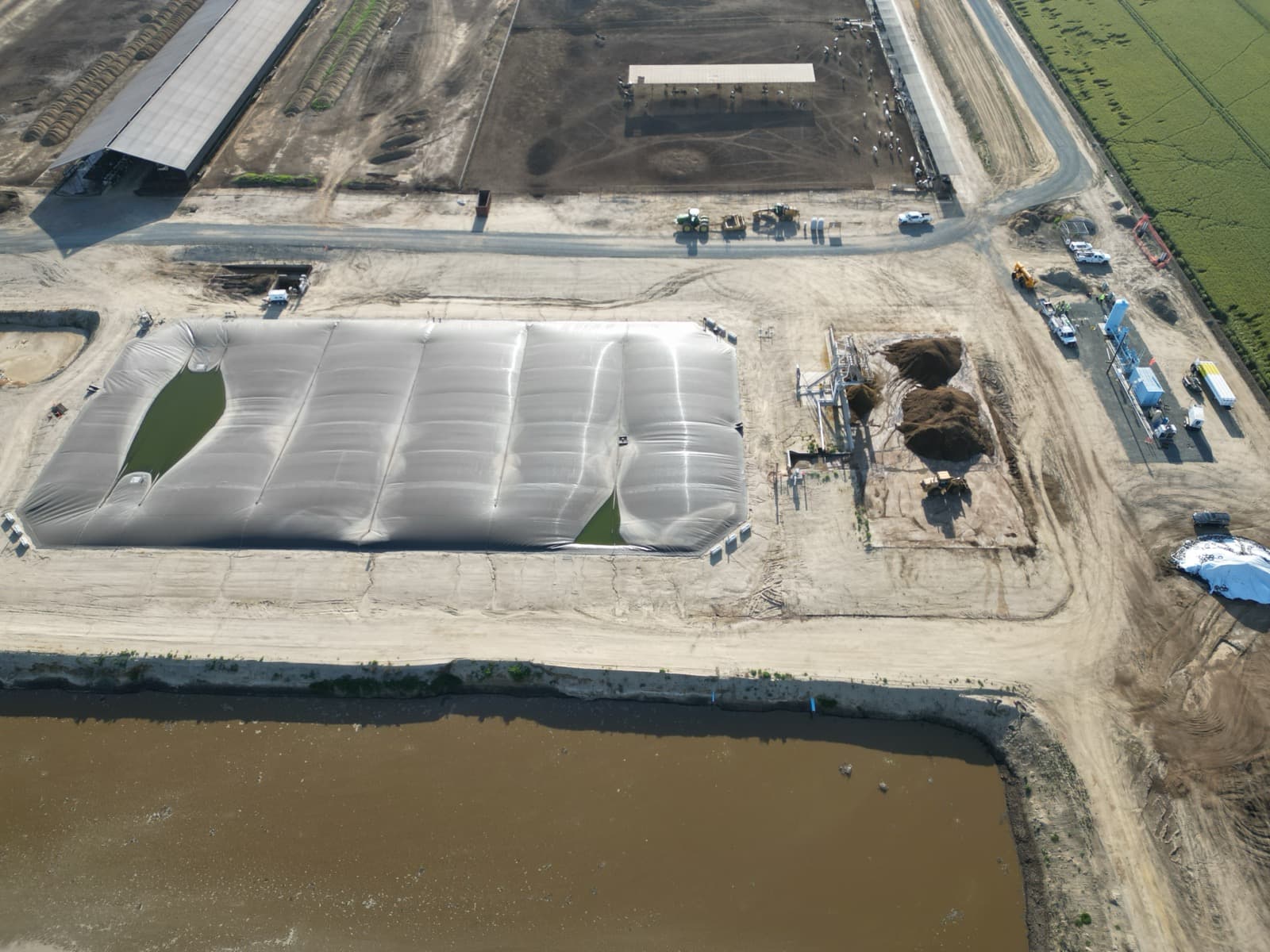
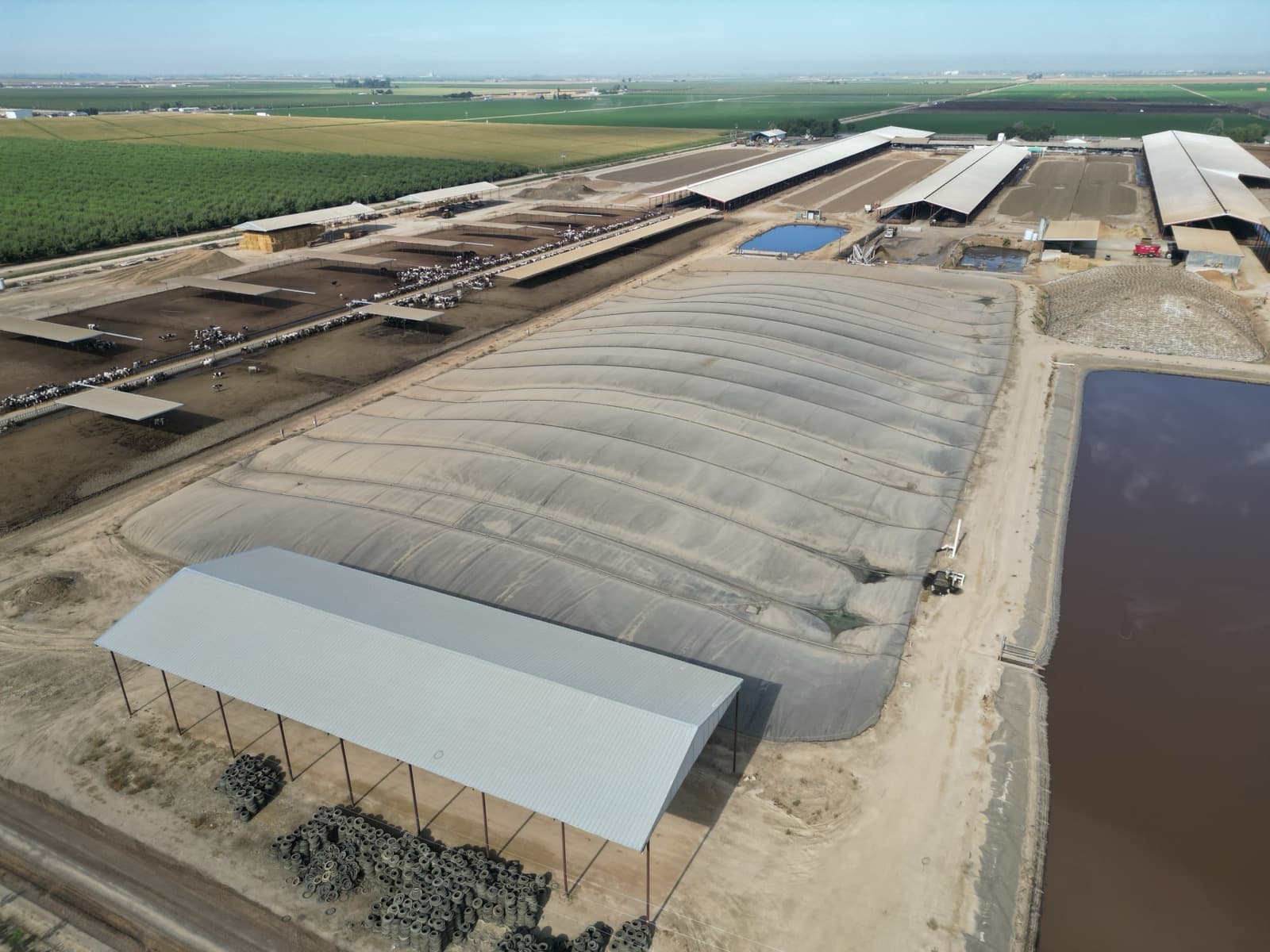
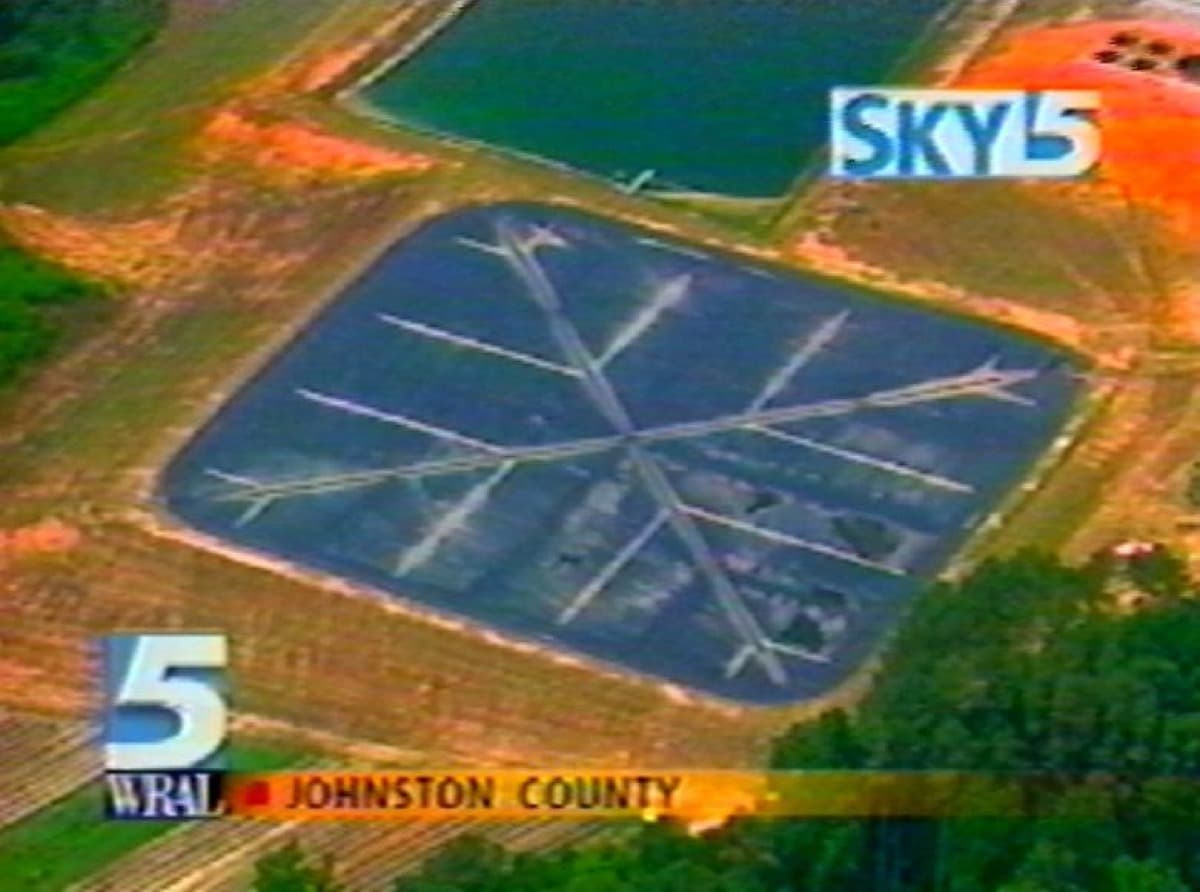
A CLD takes a fundamentally different approach. Instead of building a new reactor vessel, a CLD installs a geosynthetic floating cover over an existing wastewater lagoon. The lagoon itself becomes the digester. Anaerobic bacteria break down organic matter at ambient temperature, and the resulting biogas is trapped beneath the cover and routed to collection piping.
Because CLDs operate at ambient temperature, retention times are longer -- typically 40-60 days in warm climates and up to 90+ days in cooler regions. Biogas production varies seasonally, with peak output in summer months. However, CLDs work with existing infrastructure, require no moving parts in the digestion process, and cost a fraction of CSTR systems.
Cost Comparison: CSTR vs CLD
Cost is where the two technologies diverge most dramatically. The difference is not marginal -- it is often an order of magnitude.
- CSTR capital cost: $10M to $50M+ depending on size and configuration. Large dairy CSTRs with RNG upgrading regularly exceed $30M.
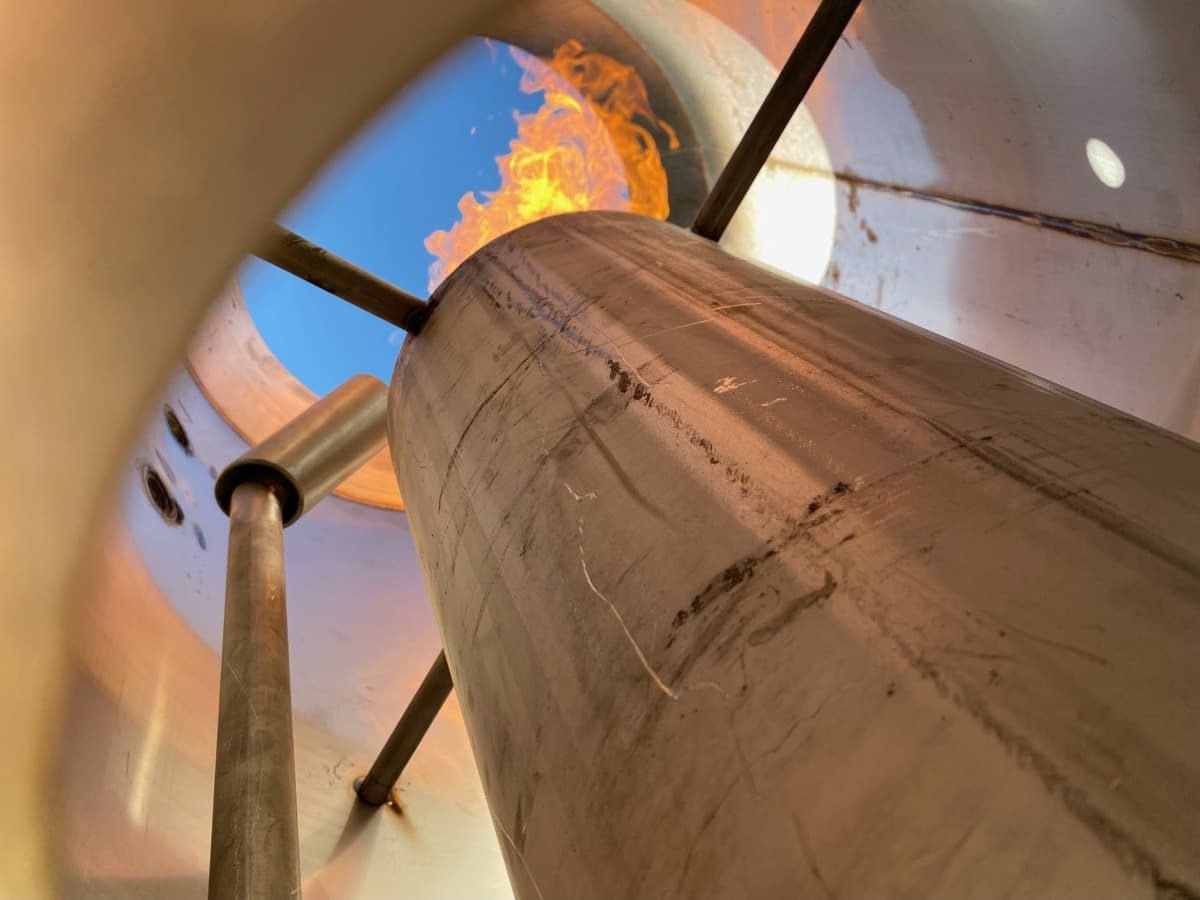
- CLD capital cost: $300K to $1.5M for the digester system. Even with flare equipment, total project costs rarely exceed $2M.
- CSTR annual O&M: $200K to $500K+ including heating fuel, mixer maintenance, biological monitoring, and skilled operator labor.
- CLD annual O&M: $15K to $50K for routine cover inspection, pump maintenance, and flare servicing.
- CSTR construction timeline: 18-36 months from permitting to commissioning.
- CLD construction timeline: 4-12 weeks for cover installation. Full system commissioning in 2-4 months.
Performance and Biogas Quality
CSTRs produce biogas at a higher and more consistent rate per unit of volatile solids destroyed. The controlled temperature and mixing yield methane concentrations of 55-65% and more predictable daily output. This consistency is valuable for RNG upgrading and pipeline injection, where steady feedstock quality matters.
CLDs produce biogas with methane concentrations of 50-70%, but output varies seasonally with temperature. In warm climates like California's Central Valley, the Southeast, or the Gulf states, this seasonal variation is modest. In northern states, winter biogas production can drop 40-60% compared to summer peaks. For methane destruction and carbon credit projects, this variability is largely irrelevant -- the credits are based on total annual destruction, not daily consistency.
When to Choose a CSTR
- High-solids waste streams (>6% TS) that require mechanical mixing for proper digestion.
- Cold climates where ambient temperature digestion would be impractically slow.
- RNG projects requiring consistent, year-round biogas production for pipeline injection contracts.
- Facilities with no existing lagoon infrastructure where a new reactor makes as much sense as new earthwork.
- Operations willing to invest $10M+ and employ dedicated digester operators.
When to Choose a Covered Lagoon Digester
- Existing lagoon infrastructure that can be retrofitted with a cover system.
- Low-to-medium solids waste streams (<5% TS) typical of dairy flush, swine, and food processing wastewater.
- Warm or moderate climates where ambient temperature digestion is effective 8-12 months per year.
- Methane destruction projects focused on carbon credits rather than RNG, where seasonal variation is acceptable.
- Budget-constrained operations seeking the fastest possible payback period.
- Operations that prefer minimal mechanical complexity and low ongoing maintenance requirements.
The Real-World Track Record
The US anaerobic digestion industry has a mixed history with CSTR projects. According to AgSTAR data, a significant number of farm-based CSTR digesters have gone offline due to mechanical failures, operational complexity, or unfavorable economics. Many were built with grant funding that covered capital costs but left operators unprepared for ongoing O&M expenses.
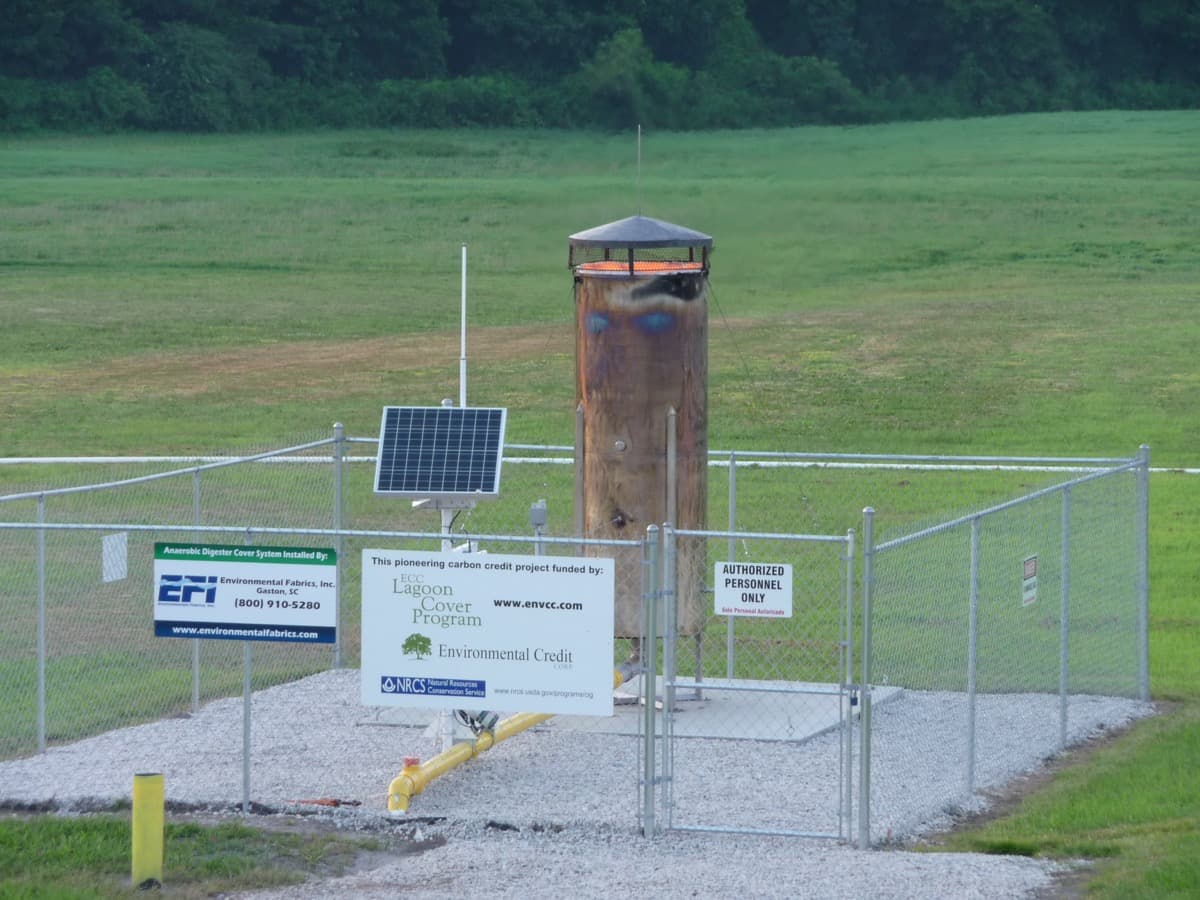
Covered lagoon digesters have a substantially better track record for long-term operation. EFI's oldest CLD installations have been operating continuously for over 30 years. The simplicity of the technology -- no moving parts, no heating requirements, no complex biology management -- translates directly into operational reliability.
“The best digester is the one that is still running ten years after installation. For the vast majority of agricultural and food processing applications, that is a covered lagoon digester -- simpler, cheaper, and more reliable.”
-- EFI USA Technical Team
Making the Right Choice
For most agricultural operations and many food processors, a covered lagoon digester delivers the best combination of cost, reliability, and return on investment. EFI's cap-and-flare model makes the economics even more compelling by eliminating upfront capital costs for the waste generator. Contact EFI's engineering team for a site-specific analysis comparing CLD and CSTR options for your operation.