The biogas industry has spent the last decade pushing a single narrative: capture methane and convert it to energy. Build a digester, upgrade the gas to pipeline quality, sell RNG into the transportation fuel market, and collect LCFS credits. It is a compelling story, and for large operations with strong gas yields and proximity to pipeline interconnects, it works. But for the majority of methane-emitting operations in the United States, the economics of energy recovery do not pencil out -- and the result has been either no methane control at all or failed projects that generate neither energy nor environmental benefit.
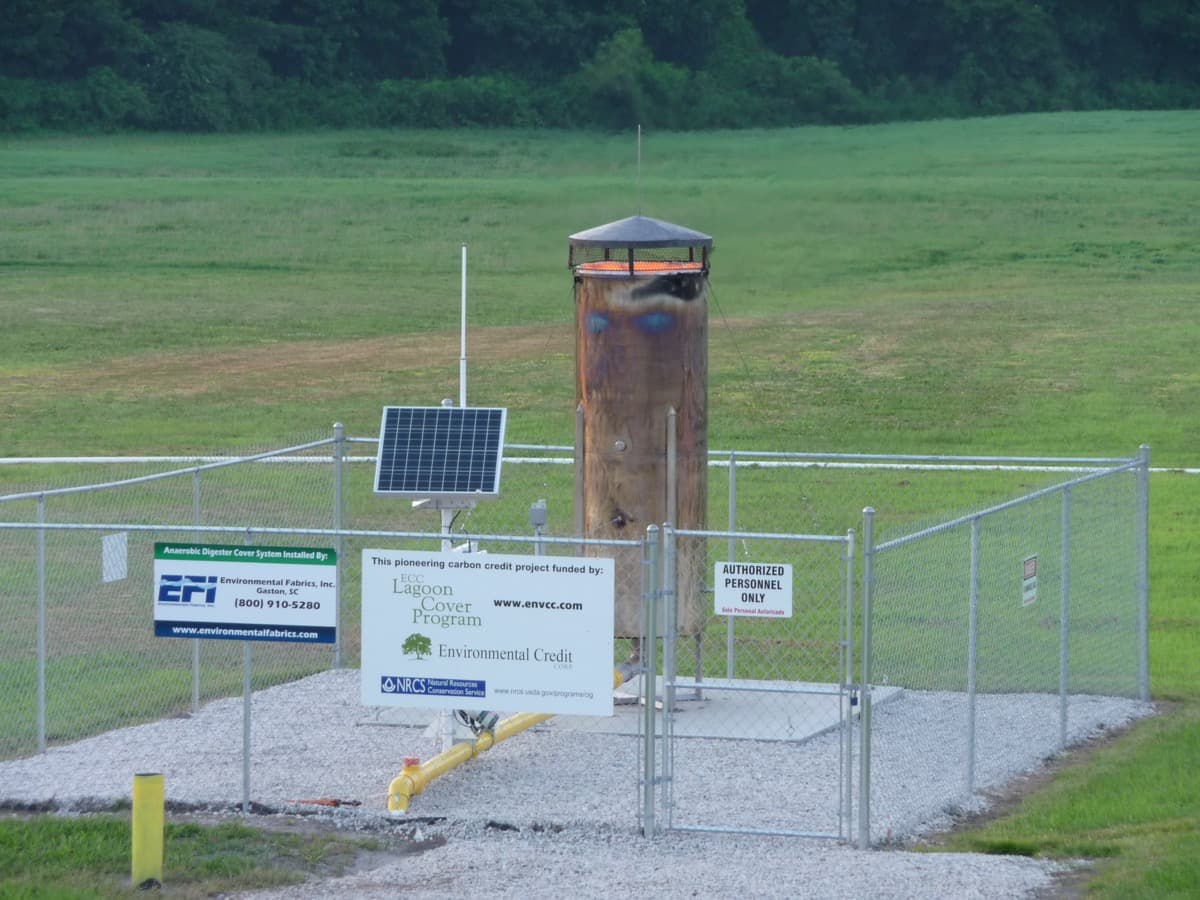
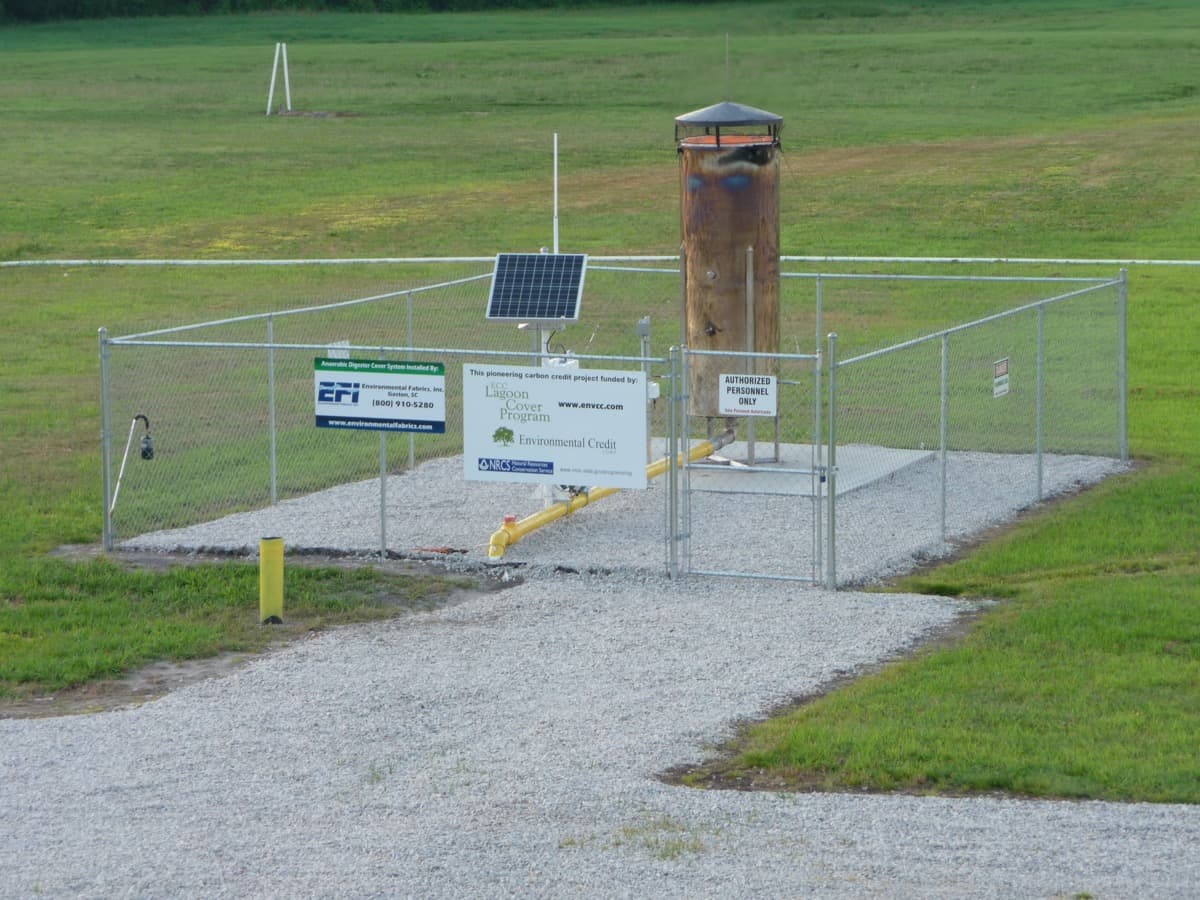
The alternative that the industry has largely ignored is controlled flaring -- capturing biogas and combusting it in a designed flare system that destroys 98%+ of the methane. Flaring generates no electricity and no RNG, but it achieves the same environmental outcome at a fraction of the cost. For many operations, flaring is not a compromise -- it is the right answer.
Understanding the Three Pathways
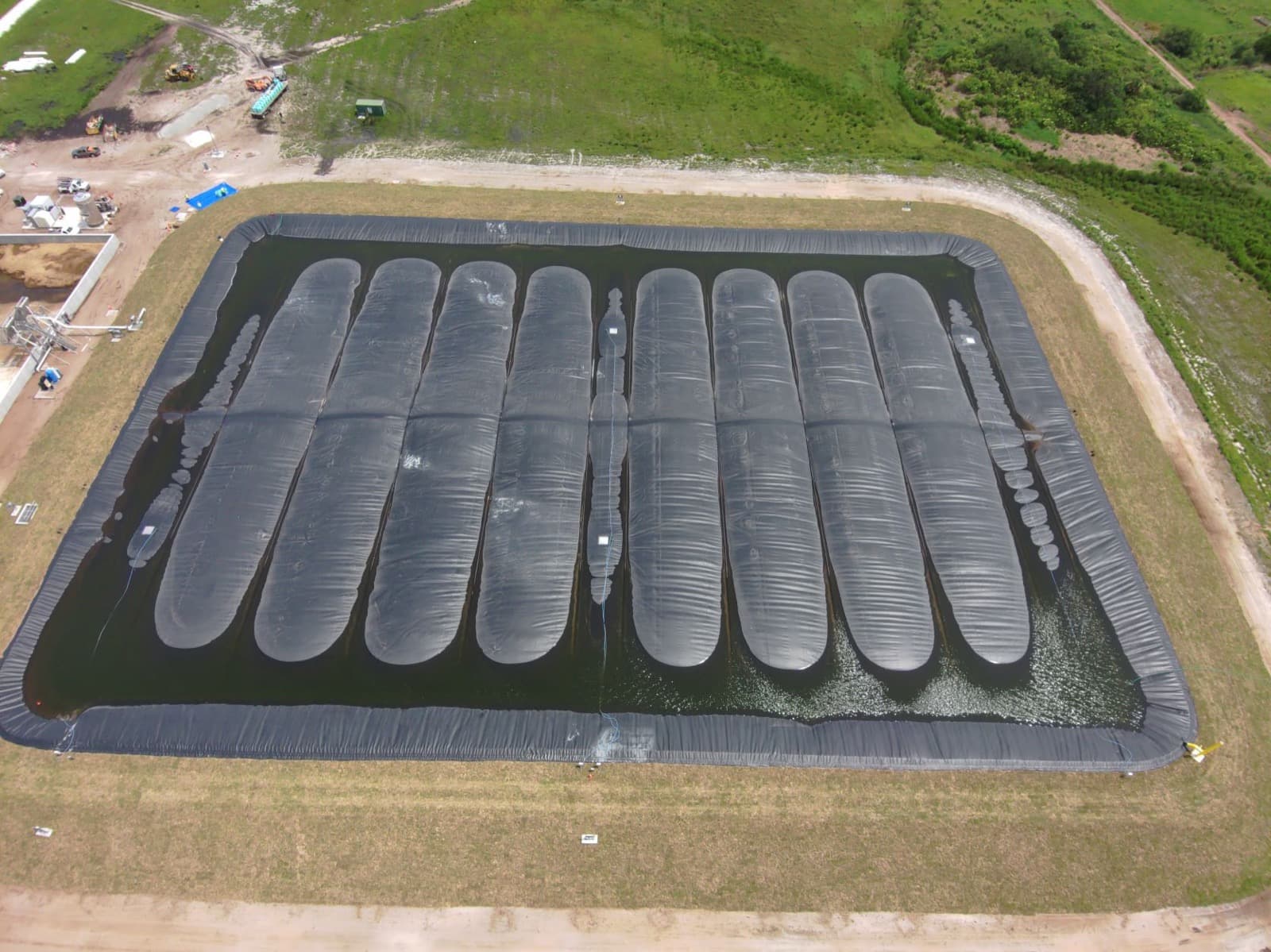
- Flaring: Biogas is captured under a cover and routed to an enclosed flare where it is combusted. Methane is destroyed at 98%+ efficiency. No energy is recovered. Capital cost is the lowest of the three options.
- Genset electricity: Biogas is cleaned (H2S removal, moisture removal) and fed to an internal combustion engine-generator that produces electricity. Electricity is used on-site or sold to the grid. Moderate capital cost with ongoing maintenance requirements.
- RNG upgrading: Biogas is cleaned and upgraded to pipeline-quality natural gas (>97% methane) by removing CO2, H2S, siloxanes, and moisture. RNG is injected into a natural gas pipeline. Highest capital cost and most complex operations.
Capital Cost Comparison
The capital cost differences between the three pathways are significant and often determine project viability. These ranges represent typical installed costs for a mid-size agricultural operation (500-2,000 cow dairy equivalent).
- Cap-and-flare system: $300,000 to $1.5 million. Includes lagoon cover, gas collection piping, condensate management, and enclosed flare. Installation in 4-8 weeks.
- Genset system: $1.5 million to $4 million. Includes everything in the flare system plus gas conditioning (H2S scrubber, chiller), engine-generator, switchgear, and grid interconnect or on-site electrical integration. Installation in 6-12 months.
- RNG upgrading system: $5 million to $15 million. Includes everything in the genset system plus membrane or PSA upgrading equipment, pipeline interconnect, gas quality monitoring, and LCFS/RIN pathway certification. Installation in 12-24 months.
Revenue and Payback
Revenue potential increases with complexity, but so does risk. The key question is whether the incremental revenue from energy recovery justifies the incremental capital cost and operational complexity.
- Flaring: No direct energy revenue, but generates carbon credits (LCFS, voluntary markets) and satisfies regulatory methane reduction requirements. Carbon credit revenue of $50,000 to $300,000 per year depending on operation size and credit pricing. Payback: 1-4 years.
- Genset: Electricity revenue of $100,000 to $500,000 per year depending on production and local rates. Additional revenue from carbon credits. But engine maintenance costs of $50,000-$150,000 per year significantly reduce net revenue. Payback: 4-8 years.
- RNG: Gross revenue of $500,000 to $3 million per year from RNG sales plus LCFS and RIN credits. But operating costs of $200,000-$800,000 per year for gas conditioning, upgrading, and pipeline tariffs. Payback: 5-12 years, highly sensitive to LCFS credit prices.
When Flaring Makes Sense
Flaring is the right choice when the primary objective is methane destruction rather than energy production. This includes operations that need to comply with methane regulations but lack the scale to justify energy recovery, operations in remote locations far from pipeline interconnects or electrical grid infrastructure, operations that want the lowest possible capital investment and operational complexity, and operations where carbon credit revenue alone provides sufficient return on investment.
EFI USA's cap-and-flare model is specifically designed for this market. We install the system at zero cost to the waste generator, share carbon credit revenue, and handle all operations and maintenance. The operator gets methane compliance with no capital outlay and no operational burden.
When Energy Recovery Makes Sense
Energy recovery makes sense when the operation has sufficient gas volume to amortize the additional capital cost, when the operation is located near pipeline or grid infrastructure, when energy prices and carbon credit prices are both favorable, and when the operator has the technical capacity or a qualified partner to manage the additional operational complexity.
As a rule of thumb, genset electricity becomes economically attractive above approximately 200 cubic feet per minute of biogas production. RNG upgrading becomes attractive above approximately 500 CFM. Below these thresholds, the capital cost per unit of energy produced is generally too high to justify the investment.
The Risk Factor
The history of the RNG industry includes a substantial number of failed projects -- systems that were built, operated briefly, and then shut down due to mechanical failures, gas quality issues, or unfavorable market conditions. The failure rate for complex RNG projects has been estimated at 20-30% within the first 5 years of operation. By contrast, cap-and-flare systems have extremely low failure rates because they have no moving parts in the critical gas path (the flare itself is the only mechanical component).
For operators evaluating their options, the question should not be which pathway generates the highest theoretical revenue. It should be which pathway most reliably achieves the project objectives -- whether those objectives are regulatory compliance, carbon credit revenue, energy production, or some combination -- at an acceptable level of risk and complexity.
EFI USA has been installing methane destruction systems since 1993. We are advocates for the cap-and-flare approach because we have seen firsthand how project simplicity translates to project reliability. Contact us to evaluate which pathway is right for your operation.