The carbon credit landscape for methane destruction has shifted significantly heading into 2026. Voluntary markets have stabilized after years of scrutiny over credit quality. Compliance programs in California and at the federal level continue to expand. And a growing consensus among buyers and regulators is emerging: destroying methane at the source may deliver more credible, more permanent emissions reductions than converting it to renewable natural gas. For project developers and waste generators alike, understanding where credit pricing stands today is essential to evaluating project economics.
Voluntary Carbon Markets: Quality Over Quantity
The voluntary carbon market spent 2024 and 2025 in a credibility correction. Buyers became more selective, registries tightened methodologies, and the era of cheap forestry offsets with questionable additionality began to close. That correction has been good for methane destruction credits. Livestock methane avoidance credits issued under ACR and Verra methodologies are now trading in the $18 to $30 per ton CO2e range on voluntary markets, with premium pricing for projects that demonstrate strong monitoring, reporting, and verification (MRV) practices.
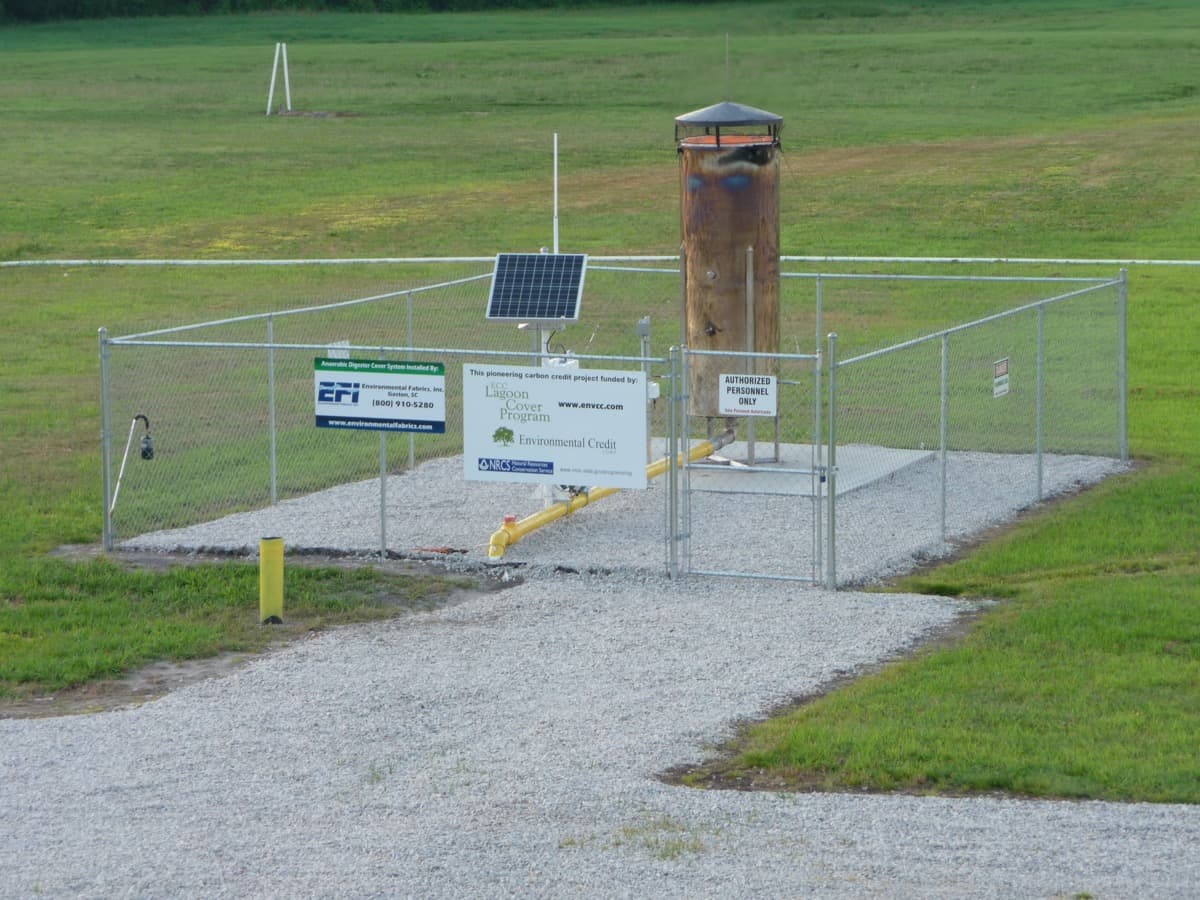
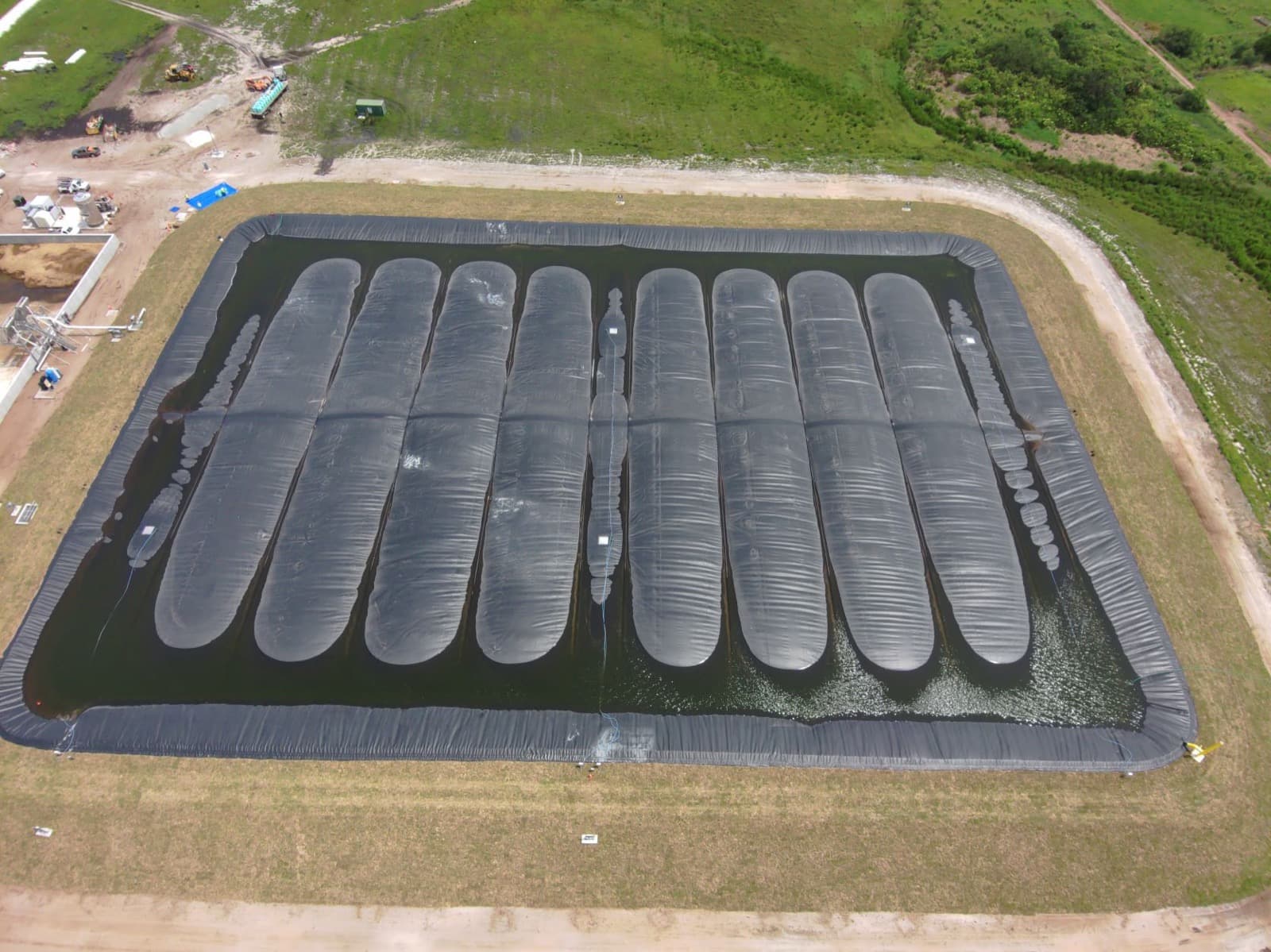
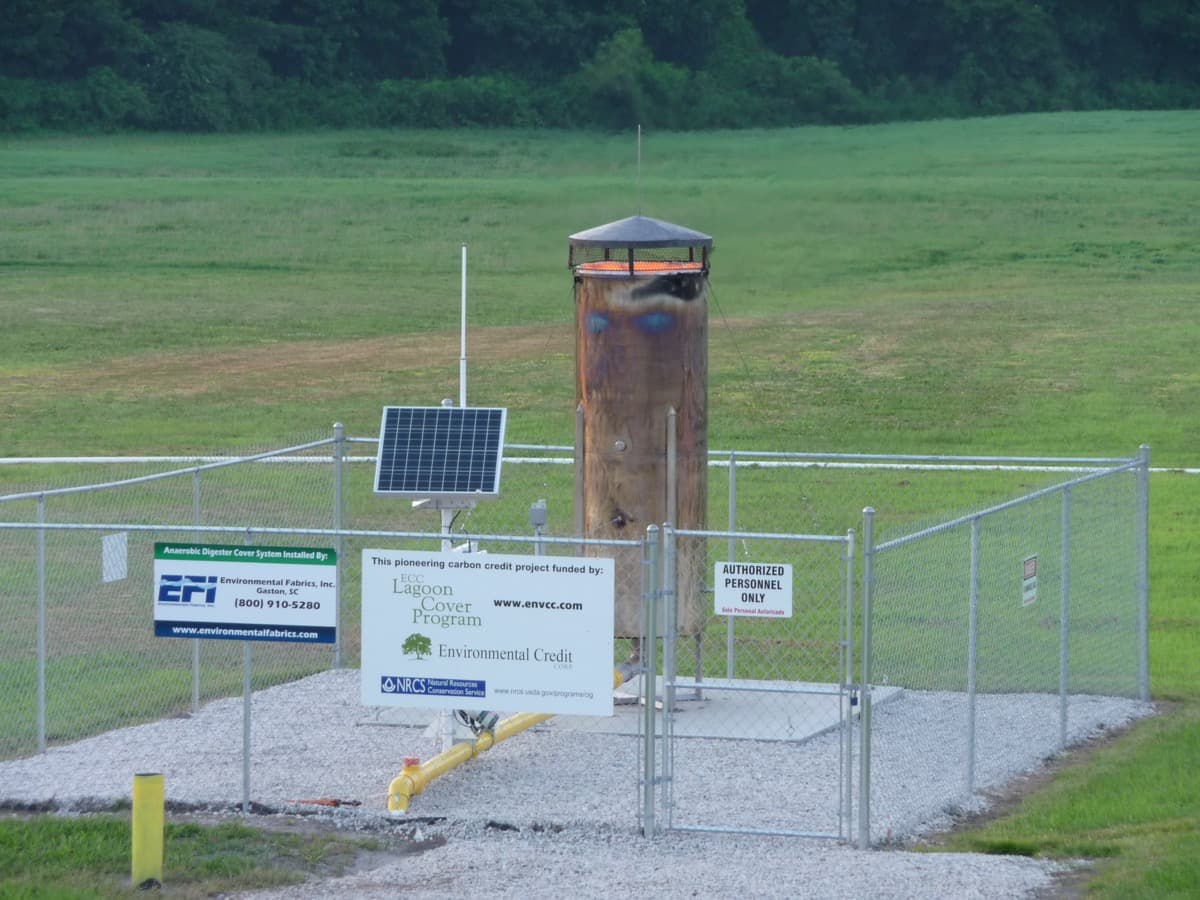
The reason is straightforward: methane destruction from covered lagoons is measurable, additional, and permanent. The biogas is captured, metered, and combusted in an enclosed flare with verified destruction efficiency. There is no reversal risk, no baseline manipulation, and no counterfactual argument about what the forest might have done. Buyers, particularly corporate procurement teams under pressure to demonstrate real impact, are increasingly willing to pay a premium for that clarity.
CARB LCFS: Still the Anchor Market
California's Low Carbon Fuel Standard remains the single most valuable compliance market for dairy and livestock methane projects. LCFS credit prices have fluctuated in recent years but are currently trading in the $50 to $70 range per credit as of early 2026. For RNG projects that inject biomethane into the pipeline, LCFS has historically been the primary revenue driver. But a critical development is reshaping the math: CARB's increasing recognition of destruction-only pathways.
Projects that destroy methane without producing a fuel product can now generate LCFS credits under specific conditions, and the carbon intensity (CI) scores for destruction pathways are among the lowest available. A dairy methane destruction project with a CI score well below negative 200 g CO2e/MJ can generate substantial credit revenue even without producing a single BTU of usable gas. This is the mechanism that makes cap-and-flare projects economically viable at scale.
EPA RFS and Federal Policy
At the federal level, the Renewable Fuel Standard continues to support biogas-derived fuel pathways through D3 RINs, which have traded between $2.50 and $3.50 per RIN in recent months. While D3 RINs primarily benefit RNG projects that produce transportation fuel, the broader federal policy direction, including EPA's updated NSPS OOOOb methane regulations and the Inflation Reduction Act's methane fee provisions, is creating additional regulatory pressure that makes methane destruction projects more attractive. Facilities that proactively capture and destroy methane are better positioned for compliance as federal rules tighten.
ACR and Verra Methodologies for Livestock Methane
- ACR Livestock Methane Methodology, covers methane destruction from manure management systems including covered lagoons and digesters, with robust MRV requirements and conservative baseline calculations
- Verra VCS Methodology VM0042, applicable to methane recovery and destruction from agricultural waste, widely used for international projects and increasingly adopted domestically
- Both registries require third-party verification, continuous monitoring of gas flow and flare performance, and annual reporting against established baselines
- Credit issuance timelines typically run 12 to 18 months from project commissioning to first credit delivery, with annual issuances thereafter
Why Destruction Credits Are Gaining Ground Over RNG
The narrative around biogas has long favored RNG, capture the methane and turn it into pipeline-quality natural gas. But the economics and the science are telling a more nuanced story in 2026. RNG projects require gas upgrading equipment, pipeline interconnection, and ongoing operational complexity that pushes total project costs into the $5 million to $15 million range. The carbon intensity benefit of RNG also depends on displacement assumptions, what fossil fuel the biomethane is replacing, which introduces uncertainty into credit calculations.
Destruction-only projects sidestep these complications entirely. The methane is captured and destroyed, full stop. The emissions reduction is absolute rather than relative, which makes the credit more defensible under tightening registry standards. And because cap-and-flare systems cost a fraction of RNG facilities, typically $300,000 to $1.5 million versus $5 million to $15 million, the capital efficiency per ton of CO2e reduced is dramatically higher. For small and mid-size operations that lack the scale to justify an RNG plant, destruction is often the only economically viable path to monetizing their methane.
What This Means for Project Economics
When you stack voluntary market credits, LCFS revenue, and potential federal incentives, a well-structured methane destruction project can generate meaningful annual revenue from what was previously an unmanaged liability. The exact economics depend on herd size, lagoon methane yield, and which credit markets the project accesses, but the trend line is clear: the market is increasingly willing to pay for verified, permanent methane destruction. For waste generators considering their options, 2026 is a strong year to evaluate a cap-and-flare project.