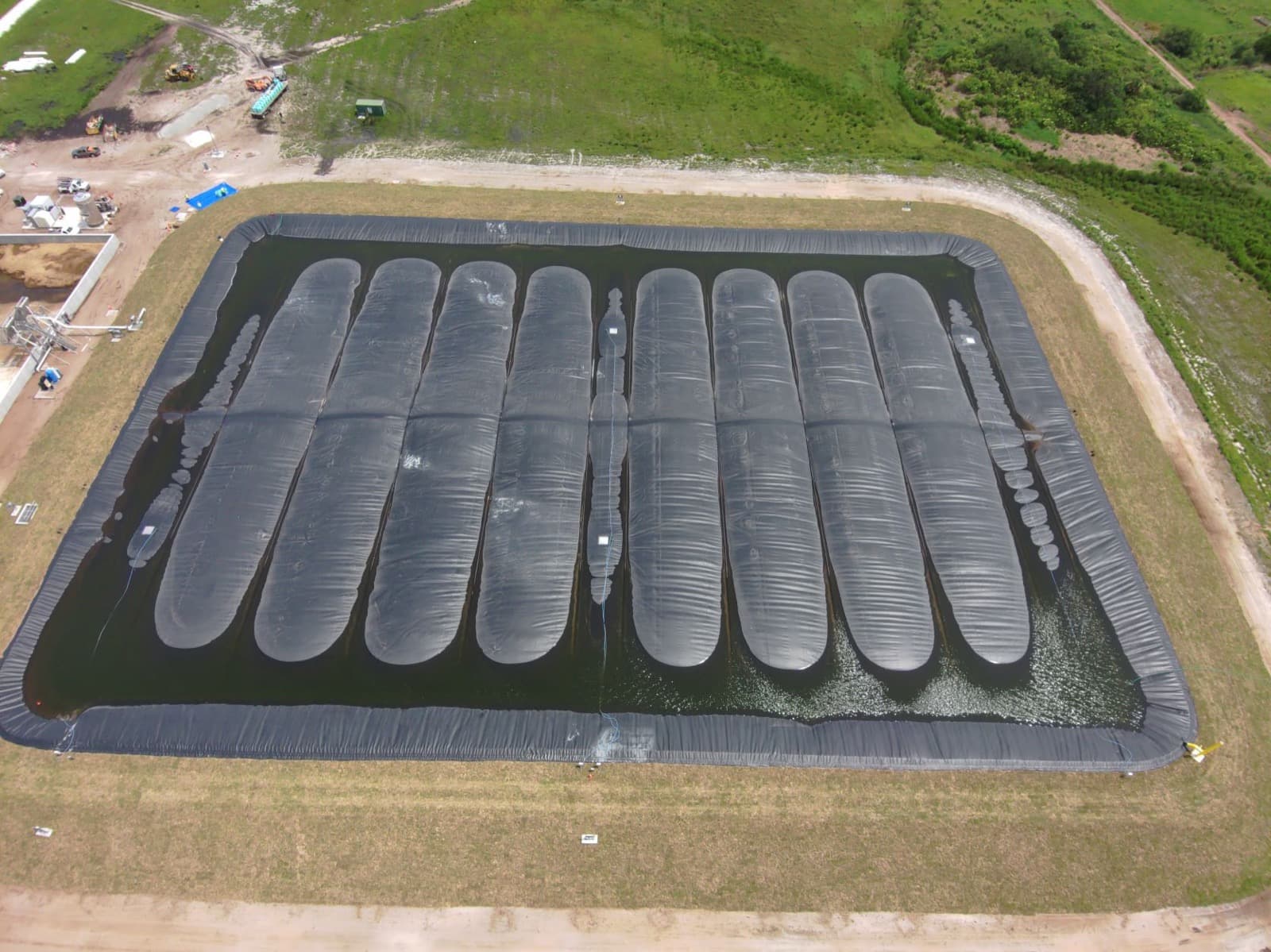
The regulatory landscape for agricultural methane emissions has shifted dramatically over the past three years. What was once a voluntary, incentive-based framework is becoming a compliance-driven reality for farm operators across the United States. Understanding the current rules -- and what is likely coming -- is essential for any operation managing animal waste, wastewater lagoons, or organic waste streams.
Federal Framework: The Clean Air Act and EPA Authority
The EPA's authority to regulate methane emissions derives from the Clean Air Act, specifically through its authority over greenhouse gas emissions established in the 2007 Massachusetts v. EPA Supreme Court decision. While the EPA has historically focused methane regulation on the oil and gas sector, agricultural sources are increasingly under scrutiny. The Inflation Reduction Act of 2022 provided the EPA with $850 million for methane monitoring and reduction, and the agency has signaled that concentrated animal feeding operations (CAFOs) are a priority sector.
The EPA's 2024 Waste Emissions Charge, initially targeting oil and gas facilities, established the principle of direct financial penalties for methane emissions above threshold levels. While agriculture is not yet subject to the waste emissions charge, the regulatory architecture is in place. The charge starts at $900 per tonne of methane above facility-specific thresholds and escalates to $1,500 per tonne by 2026. Agricultural operators should view this as a leading indicator of where regulation is heading, not a rule that will never apply to them.
California: The Most Aggressive State Program
California's SB 1383, enacted in 2016, requires a 40% reduction in methane emissions below 2013 levels by 2030. For dairy operations, this translates into mandatory methane management through the California Air Resources Board's (CARB) implementation of dairy and livestock emission reduction targets. The California Department of Food and Agriculture's Dairy Digester Research and Development Program has funded over 130 dairy methane projects, but the state's methane reduction targets exceed what voluntary programs alone can achieve.
CARB's cap-and-trade program already includes agricultural methane in its emissions inventory, and the latest scoping plan calls for expanding enforceable reduction requirements to large dairy operations (1,000+ milking cows) by 2028. Operations that proactively install methane destruction systems now will be ahead of compliance deadlines and may qualify for early-action credits under CARB's framework. Those that wait risk facing compressed timelines and contractor availability issues as the deadline approaches.
New York, North Carolina, and Other State Programs
New York's Climate Leadership and Community Protection Act (CLCPA) mandates economy-wide greenhouse gas reductions of 40% by 2030 and 85% by 2050 from 1990 levels. The state's Climate Action Council has identified agricultural methane as a significant reduction opportunity, and the Department of Environmental Conservation is developing sector-specific regulations for large livestock operations. New York currently offers incentive programs through NYSERDA for methane capture and destruction projects, but mandatory requirements are expected within 2-3 years.
North Carolina has a unique regulatory history with agricultural waste management, driven by the legacy of large-scale hog operations and the environmental impacts of lagoon systems. The state's Lagoon Conversion Program, established after the Smithfield Agreement, required many hog operations to adopt environmentally superior waste management technologies. While this program is specific to swine, it has established regulatory precedent for mandating methane management at agricultural facilities. North Carolina's recent Environmental Management Commission actions suggest that dairy and poultry operations may face similar requirements as the state works to meet its greenhouse gas reduction goals.
Other states with active or emerging agricultural methane programs include Vermont (Act 250 environmental review now considers methane), Wisconsin (DATCP pilot programs for dairy methane), Oregon (Climate Protection Program covering large agricultural emitters), and Washington (Climate Commitment Act cap-and-invest program). The trend is unmistakable: states are moving from voluntary incentives to enforceable standards.
Carbon Market Incentives and Compliance Overlap
One of the most important considerations for farm operators is the interaction between regulatory compliance and carbon market participation. Under current protocols from the American Carbon Registry (ACR) and Verra, methane destruction projects can generate verified carbon credits if the destruction is voluntary -- not required by regulation. As regulations tighten, the window for generating voluntary carbon credits narrows. Operations that install methane destruction systems before regulations mandate them can potentially grandfather their carbon credit eligibility.
This creates a genuine urgency for operators in states with emerging methane regulations. A cap-and-flare system installed in 2026 as a voluntary measure can generate carbon credits for the full crediting period (typically 7-10 years). The same system installed in 2029 after a state mandate takes effect may not qualify for any carbon credits, eliminating a significant revenue stream. The economics of early action are compelling: the carbon credit revenue alone can cover the entire capital cost of a cap-and-flare system within 2-4 years.
Practical Steps for Operators
- Conduct a methane emissions inventory for your operation. Quantify biogas production from lagoons, manure storage, and waste treatment systems. This baseline is essential for both regulatory compliance and carbon credit generation.
- Engage with your state environmental agency to understand current and pending methane regulations specific to your sector and operation size.
- Evaluate methane destruction options now, while the project qualifies as voluntary action and generates carbon credit revenue. Cap-and-flare systems can be installed in 3-9 months.
- Document everything. Regulatory compliance and carbon credit protocols both require robust monitoring, reporting, and verification (MRV). Continuous gas flow monitoring and destruction efficiency documentation should be standard.
- Work with experienced contractors who understand both the engineering requirements and the regulatory/carbon credit landscape. A system designed only for compliance may miss carbon credit revenue opportunities, and vice versa.
The regulatory trajectory for agricultural methane is clear: voluntary today, mandatory tomorrow. Operators who act proactively will benefit from carbon credit revenue, favorable contractor availability, and compliance readiness. Those who wait will face compressed timelines, higher costs, and missed revenue opportunities.