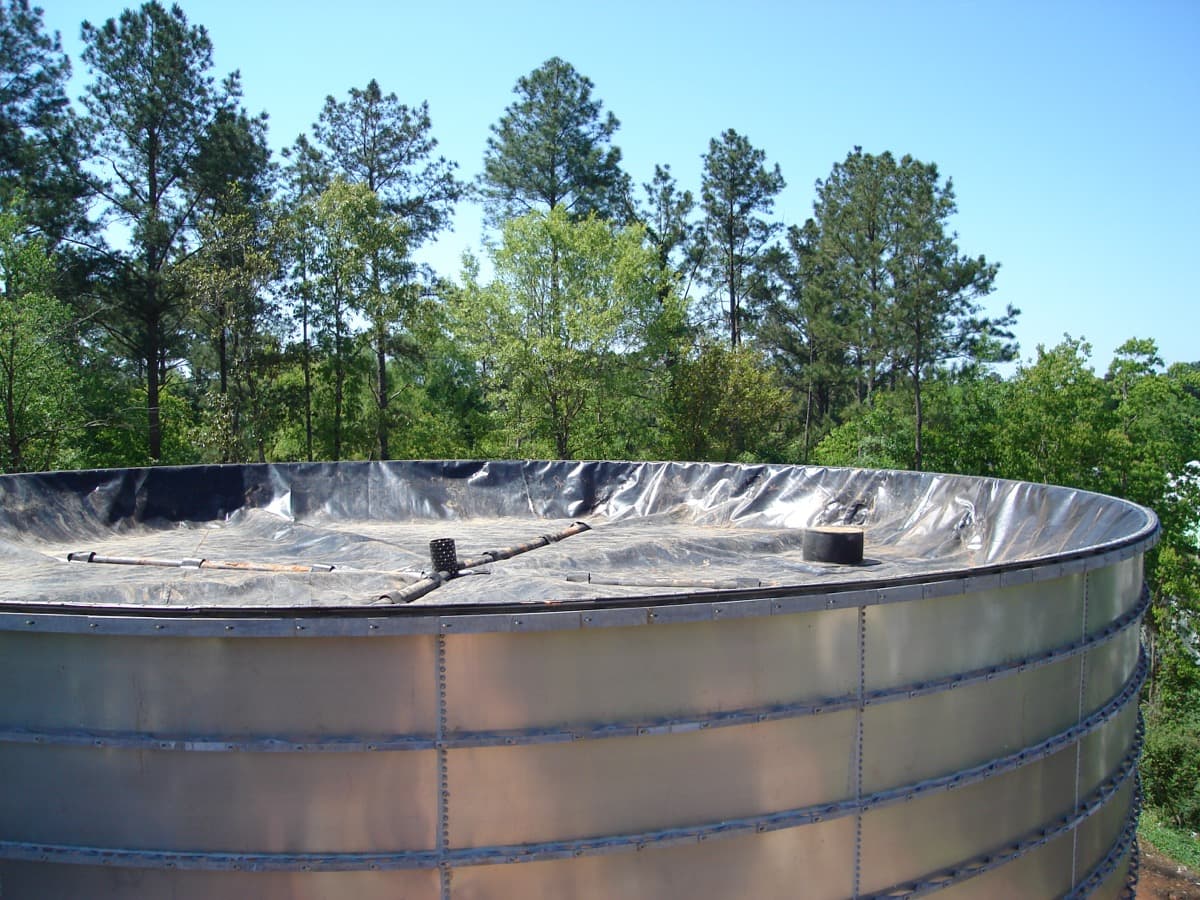
EPA enforcement against agricultural waste lagoons is not new. What has changed is the frequency and focus. Over the past 18 months, EPA regional offices, particularly Regions 4, 6, and 9, have stepped up inspections at concentrated animal feeding operations (CAFOs) and food processing facilities with waste lagoons. The pattern suggests a shift from complaint-driven enforcement toward proactive, systematic inspections.
For operators running lagoon systems, the practical question is straightforward: what are inspectors looking for, and what should you do about it? This is not a legal analysis. It is a field perspective from a company that has been building and maintaining lagoon containment systems for 32 years.
Current Enforcement Priorities
Based on publicly available consent orders and enforcement actions from the past year, EPA inspectors are focusing on several areas.
- Unpermitted discharges: The most common violation is still the most basic. Lagoons that overflow, seep, or discharge without an NPDES permit generate the largest penalties. EPA has been using satellite imagery and drone surveillance to identify unpermitted discharge events that would previously have gone undetected.
- Inadequate freeboard: Lagoons designed to NRCS standards require minimum freeboard (typically 1-2 feet above the design storm level). Inspectors are measuring freeboard during site visits and citing facilities where lagoons are chronically overloaded.
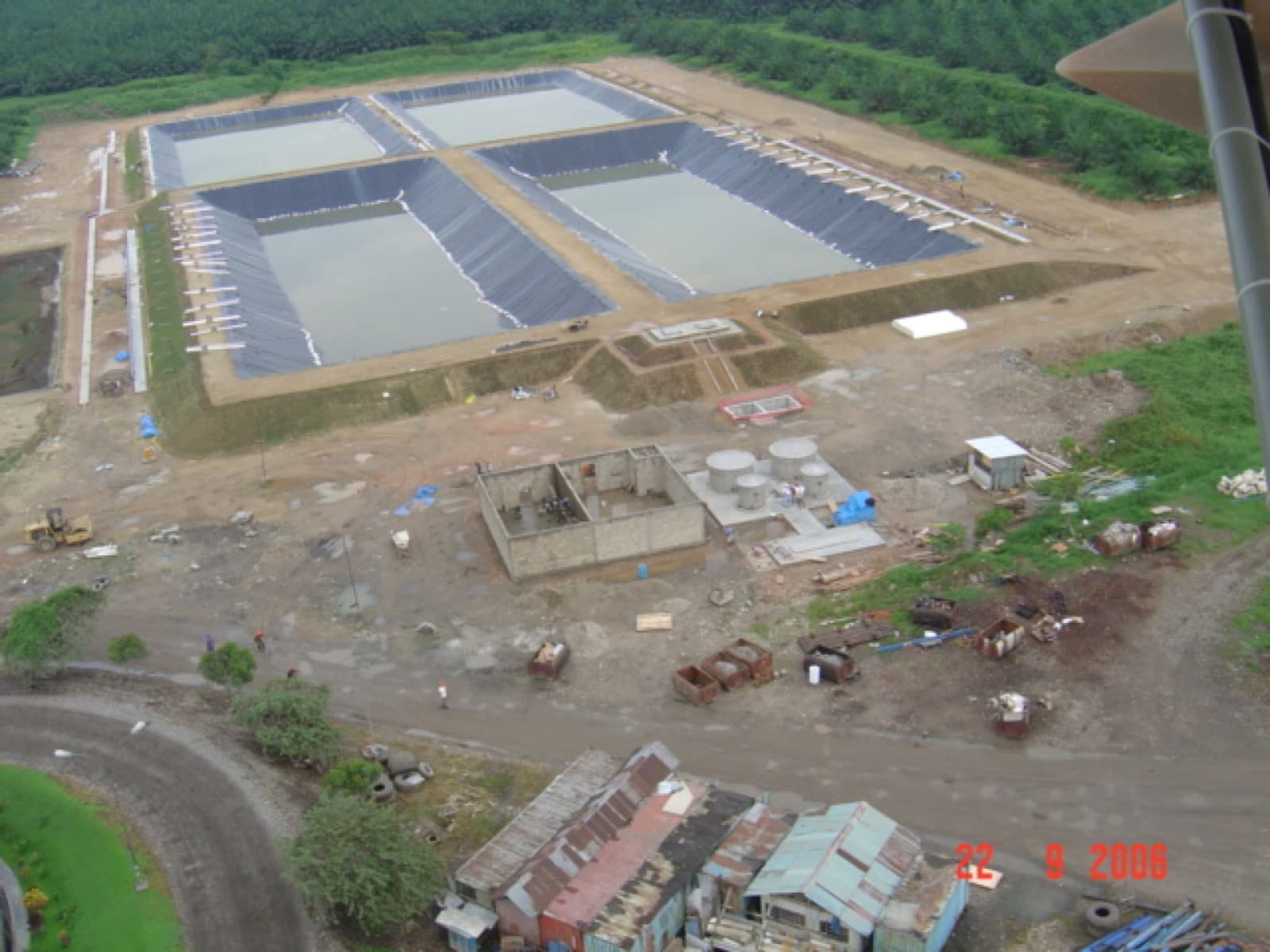
- Liner integrity: For lagoons with synthetic liners, inspectors are asking for installation records, CQA documentation, and maintenance logs. Facilities that cannot produce these records face additional scrutiny, even if no active leak is detected.
- Nutrient management plan compliance: CAFOs with NPDES permits must follow their nutrient management plans for land application of lagoon effluent. Inspectors are cross-referencing application records with soil test results and permitted application rates.
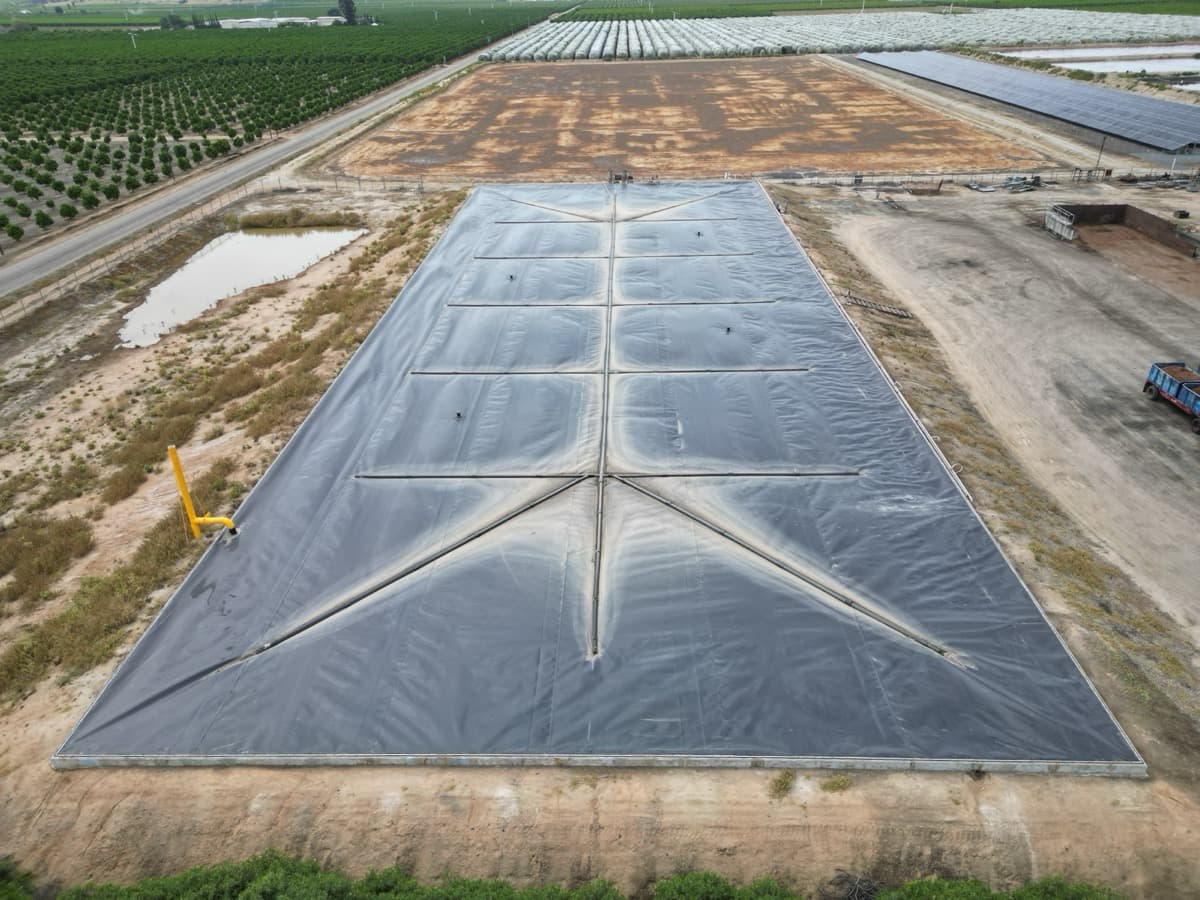
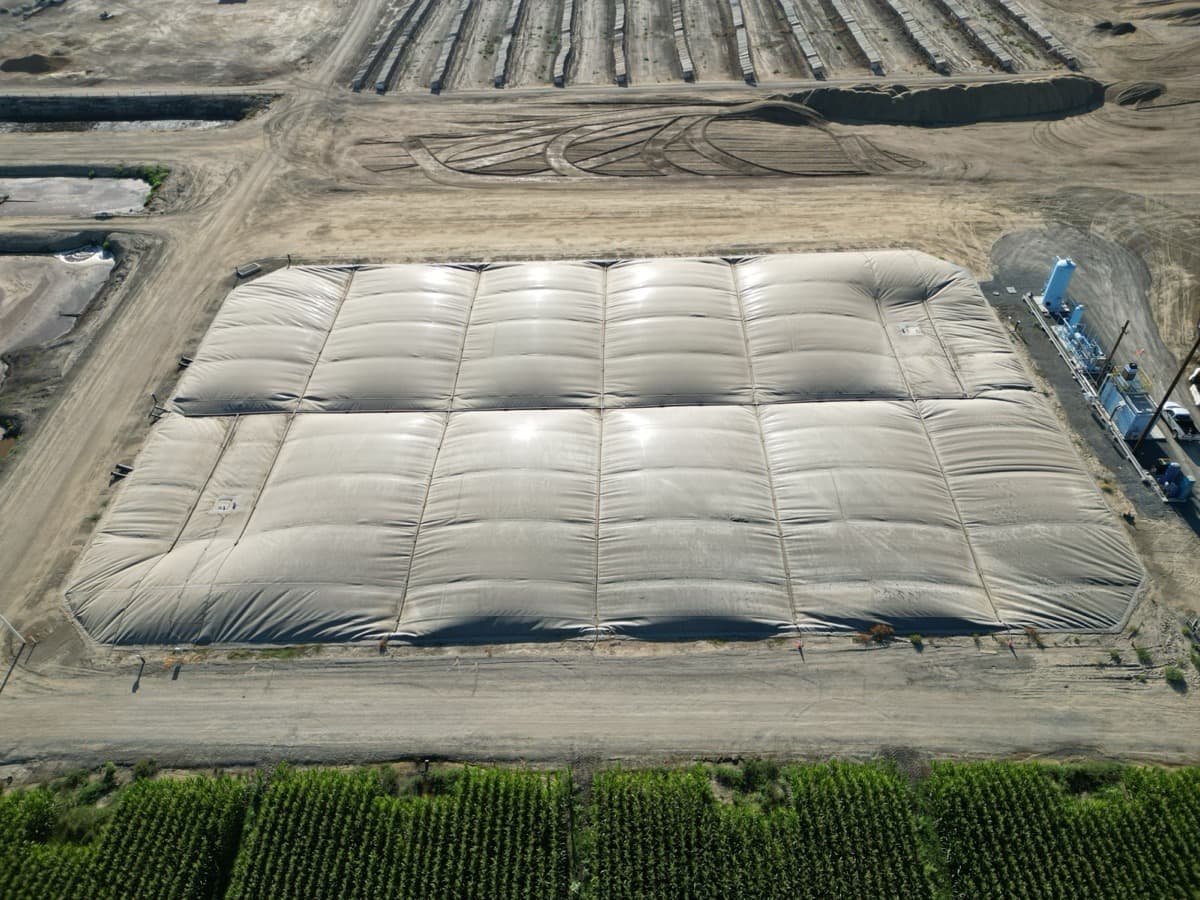
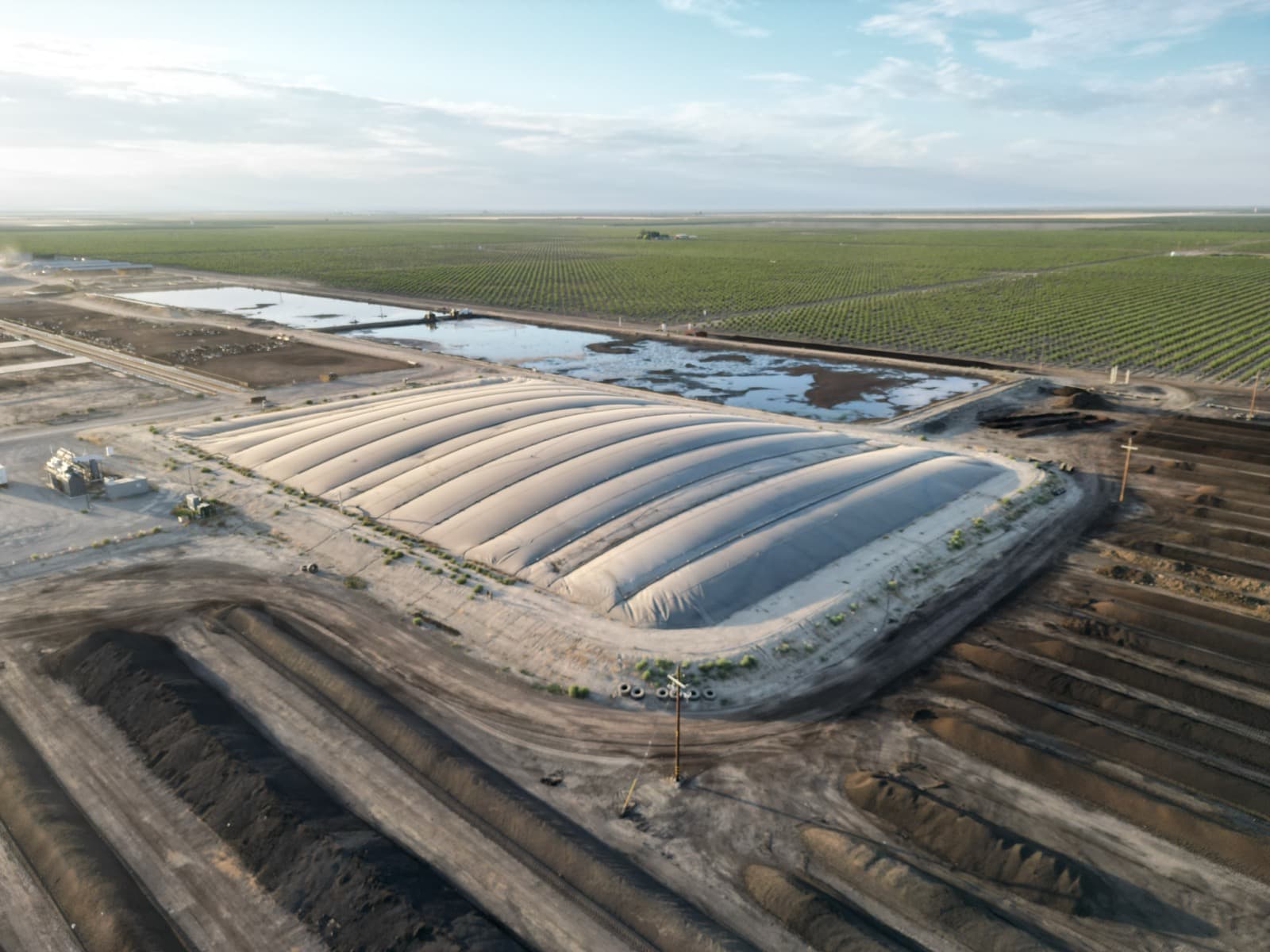
- Air emissions from uncovered lagoons: This is the newer focus area. EPA has been coordinating with state air quality agencies to evaluate methane and hydrogen sulfide emissions from open lagoons, particularly at large dairy and swine operations.
Penalty Trends
EPA penalties for lagoon violations have increased. The agency adjusted its penalty calculation methodology in 2024, and the inflation adjustment required by the Federal Civil Penalties Inflation Adjustment Act has pushed maximum daily penalties above $65,000 per violation per day. While most agricultural cases settle for significantly less, the settlement amounts have been trending upward.
More significant than the dollar amounts is the pattern of supplemental environmental projects (SEPs) that EPA has been requiring as part of settlements. In several recent CAFO cases, EPA required the installation of synthetic liner systems, lagoon covers, or leak detection as conditions of the consent order. In other words, operators who defer containment upgrades voluntarily may end up installing them involuntarily at higher cost under a consent order timeline.
What Operators Should Do Now
None of these recommendations require legal counsel to implement. They are operational best practices that also happen to reduce regulatory risk.
- Document your liner system: If your lagoon has a synthetic liner, locate your original installation records, CQA reports, and any repair documentation. If you cannot find them, schedule a professional inspection to establish a current baseline condition assessment.
- Measure and record freeboard: Establish a routine (weekly or biweekly) freeboard measurement program. A simple staff gauge and a logbook are sufficient. The goal is to demonstrate that you monitor and manage lagoon levels proactively.
- Inspect for visible seepage: Walk the lagoon perimeter and downstream areas regularly. Look for wet spots, unusual vegetation growth, or discolored soil on the exterior slopes. Document what you find, including dates and photos.
- Review your permit conditions: If you have an NPDES permit, read it. Many operators have not reviewed their permit conditions since the original application. Permits have reporting requirements, monitoring requirements, and operational limits that can change during renewal.
- Evaluate cover systems: If your lagoon is uncovered and generating odor complaints or measurable emissions, a floating cover system may be the most practical path to compliance. Covers also reduce rainfall dilution, which helps manage freeboard.
The Cost of Waiting
The most expensive containment upgrade is the one you install under a consent order. EPA-mandated timelines are typically 12-18 months, which compresses design and construction schedules. Mobilization premiums for rush installations run 15-25% above standard project costs. And the engineering and legal fees associated with the enforcement process itself add another layer of cost that a voluntary upgrade avoids entirely.
EFI has worked on both sides of this equation, building systems on voluntary timelines and under consent order deadlines. The systems are the same. The cost and stress are not. Operators who are considering lagoon improvements in the next 2-3 years should seriously evaluate whether moving that timeline forward makes financial sense given the current enforcement climate.
Contact EFI for a site assessment. We can evaluate your current lagoon condition, identify compliance gaps, and provide budgetary estimates for liner, cover, or complete containment system upgrades.