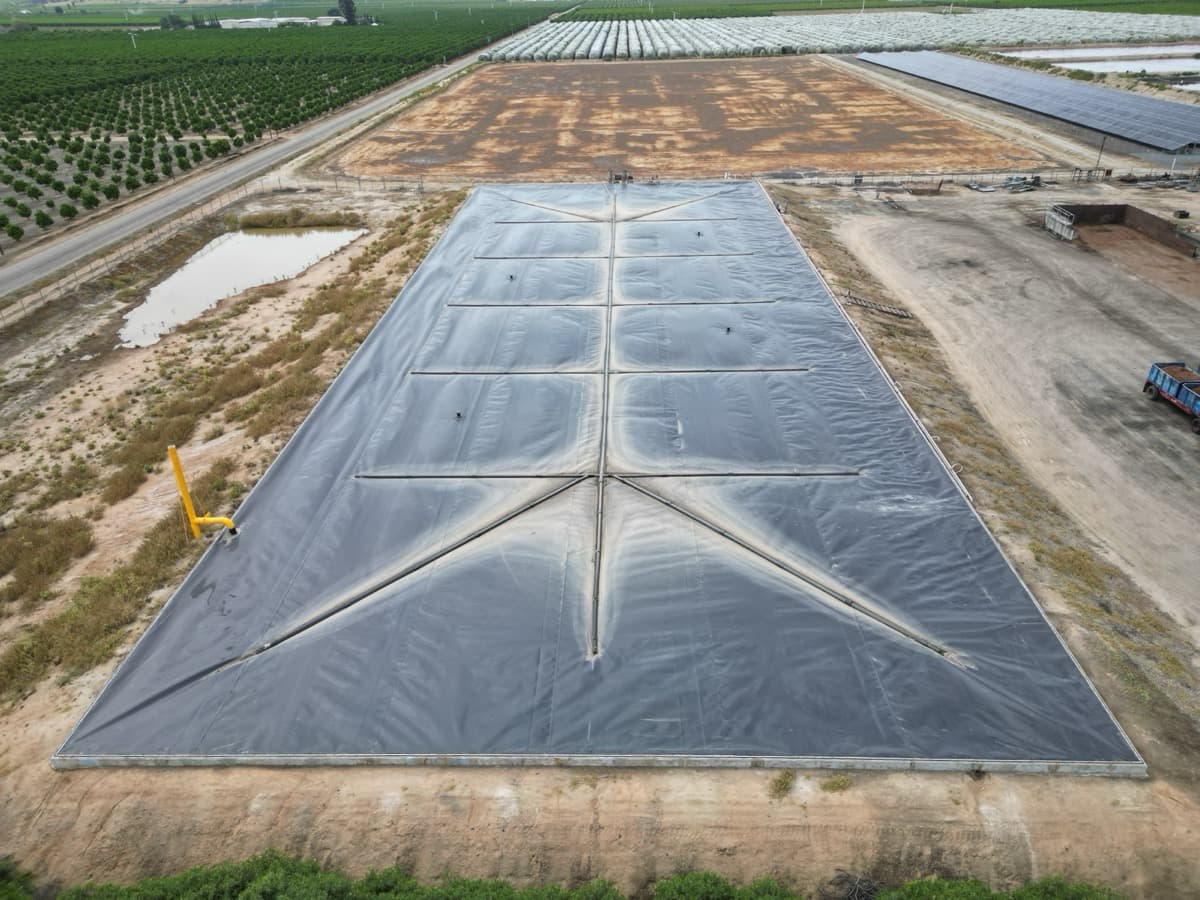
Lagoon decommissioning is an inevitable phase in the lifecycle of any waste containment facility. Whether driven by regulatory action, facility expansion, a shift to newer treatment technology, or simple end-of-life, closing a lagoon properly requires careful planning, regulatory coordination, and often more budget than owners initially expect. Cutting corners during decommissioning creates long-term liability -- improperly closed lagoons can contaminate groundwater for decades, trigger enforcement actions, and generate cleanup costs that dwarf the original closure investment.
This guide covers the full decommissioning process for agricultural waste lagoons, industrial wastewater lagoons, and municipal treatment lagoons. The specific requirements vary by state and by the type of waste the lagoon contained, but the general framework applies broadly.
Phase 1: Assessment and Planning
Decommissioning begins with a thorough assessment of the lagoon's current condition, contents, and regulatory status. This phase typically involves reviewing the original construction permits, any operating permits or discharge authorizations, historical waste characterization data, and the results of any prior inspections or monitoring. If the lagoon has a liner system, the original construction quality assurance documentation should be located to understand the liner type, thickness, and condition.
- Characterize the remaining liquid and sludge. Collect representative samples from multiple locations and depths. Analyze for parameters relevant to the waste type -- for agricultural lagoons, this typically includes nutrients (nitrogen, phosphorus, potassium), pathogens, BOD, and metals. For industrial lagoons, the analyte list may be much longer and should include any constituents of concern from the facility's operating history.
- Survey the lagoon geometry. Measure current liquid levels, sludge depth at multiple points, freeboard, and embankment condition. This data drives the volume calculations for liquid removal, sludge disposal, and fill material requirements.
- Assess groundwater conditions. Install or sample existing monitoring wells to establish baseline groundwater quality before closure activities begin. This baseline is critical for demonstrating that closure activities did not cause or worsen contamination.
- Review regulatory requirements. Contact the relevant state environmental agency early. Many states require a formal closure plan to be submitted and approved before decommissioning work begins. The closure plan typically must describe the proposed methods for waste removal, liner disposition, site restoration, and post-closure monitoring.
Phase 2: Liquid Removal and Treatment
The first physical step in decommissioning is removing the liquid contents. For agricultural lagoons, the supernatant liquid is often land-applied at agronomic rates -- this is the most cost-effective disposal method but requires available land, appropriate nutrient management planning, and state approval. The land application must comply with the same nutrient loading limits that governed the lagoon's operation.
For industrial lagoons or lagoons where the liquid does not meet land application standards, the liquid must be treated on-site or hauled to a licensed treatment facility. On-site treatment options include pH adjustment, flocculation, and filtration. Hauling costs for non-hazardous industrial wastewater typically range from $0.05 to $0.15 per gallon depending on distance and volume, and can be a major cost driver for large lagoons.
As the liquid level drops, access to the sludge layer improves and the characterization of sludge volume becomes more precise. Many operators are surprised by the actual sludge volume -- years of accumulation at the bottom of an active lagoon can represent 20-40% of the total lagoon volume.
Phase 3: Sludge Removal and Disposal
Sludge removal is typically the most expensive and time-consuming phase of decommissioning. Agricultural lagoon sludge is a thick, nutrient-rich material that is difficult to pump and expensive to transport. The sludge must be removed to the extent required by the closure plan, which in most cases means removing substantially all accumulated solids.
- Mechanical dredging uses excavators, draglines, or specialized dredging equipment to remove sludge from the lagoon. This is effective for thick, consolidated sludge but requires dewatered conditions or amphibious equipment.
- Hydraulic dredging uses pumps to slurry the sludge and pipe it to a dewatering area or storage location. This works well for thinner sludge layers and allows continuous operation, but produces large volumes of dilute material that must be dewatered.
- Land application of sludge is permitted in many states at agronomic rates, similar to liquid application. The sludge nutrient content (particularly phosphorus) often limits the application rate, and the required spreading area can be substantial.
- If the sludge is classified as hazardous waste based on characterization results, disposal costs increase dramatically -- hazardous waste landfill disposal can exceed $200 per ton plus transportation.
Phase 4: Liner Removal or Abandonment in Place
If the lagoon has a synthetic liner, the closure plan must address its disposition. There are two primary options: removal or abandonment in place. Liner removal involves cutting the liner into manageable sections, cleaning it to remove residual waste, and disposing of it at a solid waste landfill. This generates significant waste volume -- a 60-mil HDPE liner over a 5-acre lagoon weighs approximately 150 tons.
Abandonment in place is often preferred when the liner is in good condition and will not create environmental issues. The liner is typically punctured or perforated at regular intervals to prevent it from trapping water or gas beneath the fill material, then covered with soil. This option requires regulatory approval and documentation that the liner material will not generate leachate or interfere with future land use.
For clay-lined lagoons, the clay liner is typically left in place and incorporated into the site restoration. If the clay has been contaminated by the lagoon contents, characterization and potentially removal of the affected clay may be required.
Phase 5: Backfilling and Grading
After waste removal, the lagoon cavity must be filled and graded to match the surrounding terrain or achieve the final grade specified in the closure plan. Fill material must be clean and free of debris, and is typically placed in lifts with compaction to prevent future settlement. The volume of fill required can be substantial -- a 5-acre lagoon with an average depth of 15 feet requires approximately 120,000 cubic yards of fill material.
Settlement is a major concern with backfilled lagoons. Even well-compacted fill will settle over time, particularly if any residual organic material was left in the lagoon. A settlement allowance of 5-10% is common, meaning the initial fill grade is raised above the target final grade. The closure plan should specify a monitoring period during which settlement is tracked and additional fill placed as needed.
Phase 6: Soil and Groundwater Confirmation
Before regulatory closure is granted, most agencies require confirmation sampling of the soil beneath and around the former lagoon, as well as groundwater monitoring data demonstrating that the closure has not caused contamination. Soil samples are collected from the lagoon subgrade and the surrounding embankment areas at depths specified in the closure plan. Groundwater monitoring typically continues for 1-3 years post-closure, depending on the state and the nature of the waste.
If confirmation sampling reveals contamination above applicable standards, additional remediation may be required before closure approval. This is most common with older, unlined lagoons where decades of seepage have affected underlying soils and groundwater. Remediation can include soil excavation and disposal, in-situ treatment, or institutional controls such as land use restrictions.
Cost Ranges for Lagoon Decommissioning
Decommissioning costs vary enormously based on lagoon size, waste type, liner presence, sludge volume, disposal options, and regulatory requirements. The following ranges are based on EFI USA's experience with agricultural and industrial lagoon closures and should be used for planning purposes only.
- Small agricultural lagoon (1-2 acres, lined, minimal sludge): $75,000-$200,000
- Medium agricultural lagoon (3-5 acres, lined, moderate sludge): $200,000-$600,000
- Large agricultural lagoon (5-10 acres, significant sludge accumulation): $500,000-$1,500,000
- Industrial lagoon with hazardous sludge characterization: $1,000,000-$5,000,000+
- Groundwater remediation (if required): $200,000-$2,000,000+ depending on extent
- Post-closure monitoring (1-3 years): $15,000-$50,000 per year
Common Mistakes in Lagoon Decommissioning
- Underestimating sludge volume. Always conduct a thorough sludge survey before finalizing the closure budget. Probe at a minimum grid spacing of 50 feet and include the deepest areas of the lagoon.
- Starting work before regulatory approval. Unauthorized closure activities can result in enforcement actions, fines, and orders to redo the work under agency oversight -- at much higher cost.
- Ignoring embankment stability during liquid drawdown. Rapid dewatering can destabilize lagoon embankments, particularly those constructed with fine-grained soils. Draw down rates should be controlled and embankments monitored for signs of instability.
- Failing to document everything. Photographs, test results, volumes removed, disposal receipts, and equipment logs are all essential for demonstrating regulatory compliance. If it is not documented, it did not happen.
- Skipping the post-closure monitoring. Regulatory closure is not the same as walking away. Most permits require ongoing monitoring to confirm that the closed lagoon is not causing environmental impacts.
EFI USA has managed lagoon decommissioning projects across the agricultural, industrial, and municipal sectors. Our experience covers the full lifecycle from initial assessment through final regulatory closure. If you are planning to decommission a lagoon, early engagement with an experienced contractor and the relevant regulatory agency is the single most important step you can take to control costs and avoid surprises.
Planning a lagoon closure or replacement?
Start with the site records and the closure requirements from the authority responsible for your permit.
- Location, lagoon dimensions, existing liner and cover details
- Liquid and sludge characterization, testing and disposal requirements
- Closure plan, access constraints and the required shutdown window