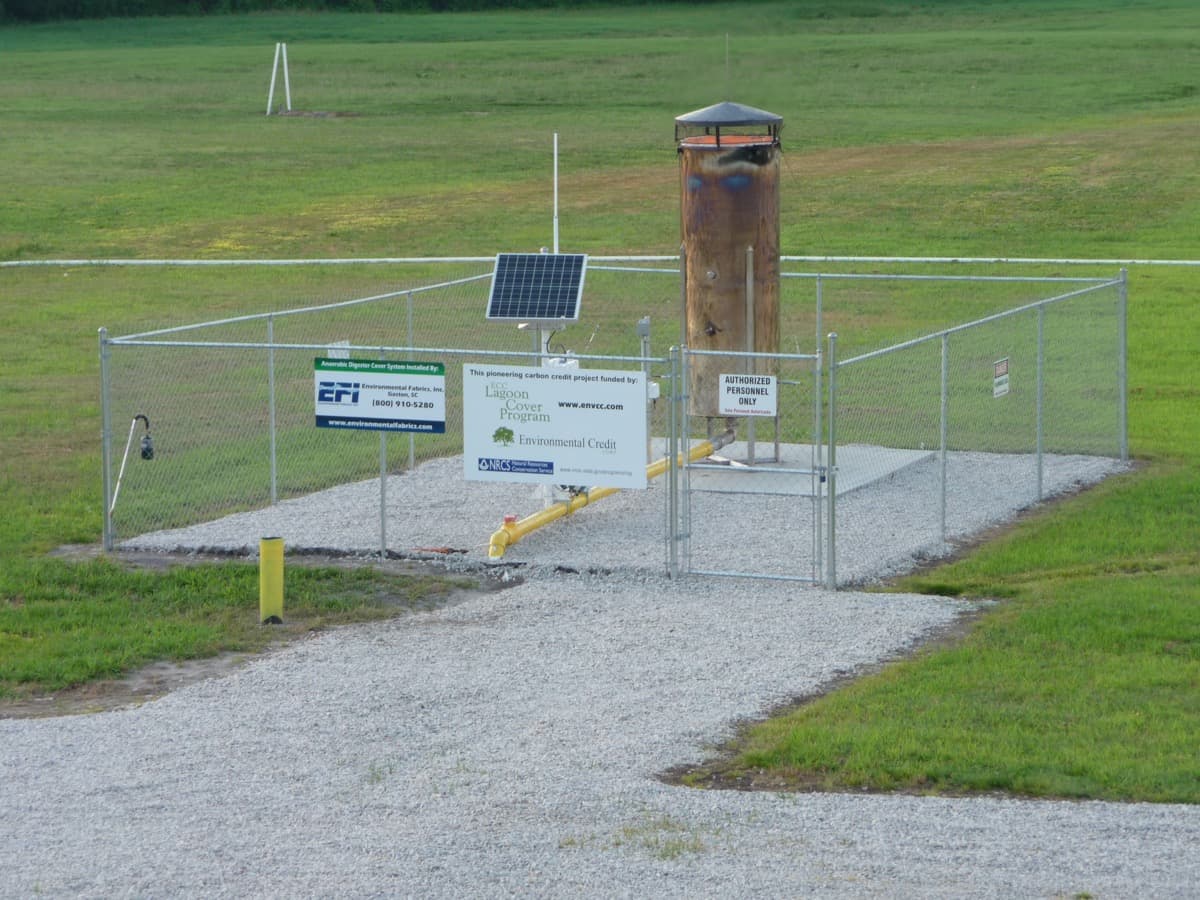
Municipal wastewater lagoon systems were built in massive numbers during the 1960s, 1970s, and 1980s under the Clean Water Act and its associated federal funding programs. These systems serve small and mid-size communities across rural America, providing simple, low-cost wastewater treatment that requires minimal operator expertise. But simplicity does not mean permanence. Many of these facilities are now 40-60 years old, well beyond their original design life, and showing signs of deterioration that compromise treatment performance and environmental compliance.
The good news is that lagoon rehabilitation is almost always more cost-effective than building a new mechanical treatment plant. A properly rehabilitated lagoon system can provide another 30-50 years of reliable service at a fraction of the capital and operating cost of a mechanical plant. EFI USA has rehabilitated municipal lagoon systems across the country, and this guide summarizes the process from assessment through completion.
Signs of Aging Lagoon Infrastructure
- Liner deterioration: Original clay liners may have desiccation cracking, root penetration, or animal burrow damage. Older geomembrane liners may show UV degradation, seam separation, or stress cracking.
- Embankment erosion: Wave action, rainfall, and muskrat burrowing erode embankment slopes. If uncorrected, erosion can progress to structural failure.
- Inlet and outlet deterioration: Concrete inlet structures, outlet weirs, and baffle systems degrade over decades. Cracked or collapsed structures reduce treatment efficiency.
- Sludge accumulation: Decades of operation produce significant sludge accumulation that reduces active treatment volume and short-circuits flow paths. Many lagoons have lost 30-50% of their original volume to sludge.
- Seepage: Increased seepage rates indicate liner deterioration. Seepage can be detected through groundwater monitoring, water balance calculations, or direct measurement in leak detection systems.
Assessment and Planning
A thorough condition assessment is the foundation of any rehabilitation project. The assessment should evaluate the structural condition of embankments, the integrity of the liner system, the volume and characteristics of accumulated sludge, the condition of inlet/outlet structures, and the current treatment performance relative to permit requirements.
- Bathymetric survey: Sonar or GPS-based survey of the lagoon bottom to map sludge depth and remaining active volume.
- Liner condition assessment: Core samples of clay liners to test permeability. Visual and physical inspection of geomembrane liners in accessible areas.
- Embankment inspection: Geotechnical evaluation of slope stability, compaction, and erosion extent.
- Water quality testing: Influent and effluent sampling to evaluate current treatment performance and identify deficiencies.
- Regulatory review: Confirm current and anticipated permit requirements to ensure the rehabilitated system will meet compliance standards.
Sludge Removal
Sludge removal is typically the first major rehabilitation activity and often the most expensive single component. Decades of accumulated sludge must be removed to restore treatment volume and flow patterns. Removal methods include mechanical dredging (excavator-based), hydraulic dredging (suction pump), and dewatering with geotextile tubes or mechanical dewatering equipment.
Sludge disposal options depend on contaminant levels and local regulations. Municipal lagoon sludge from domestic sources typically meets land application criteria and can be beneficially applied to agricultural land as a soil amendment. Industrial contributions to the lagoon may elevate metals or other contaminants, requiring testing and potentially landfill disposal.
Liner Installation or Replacement
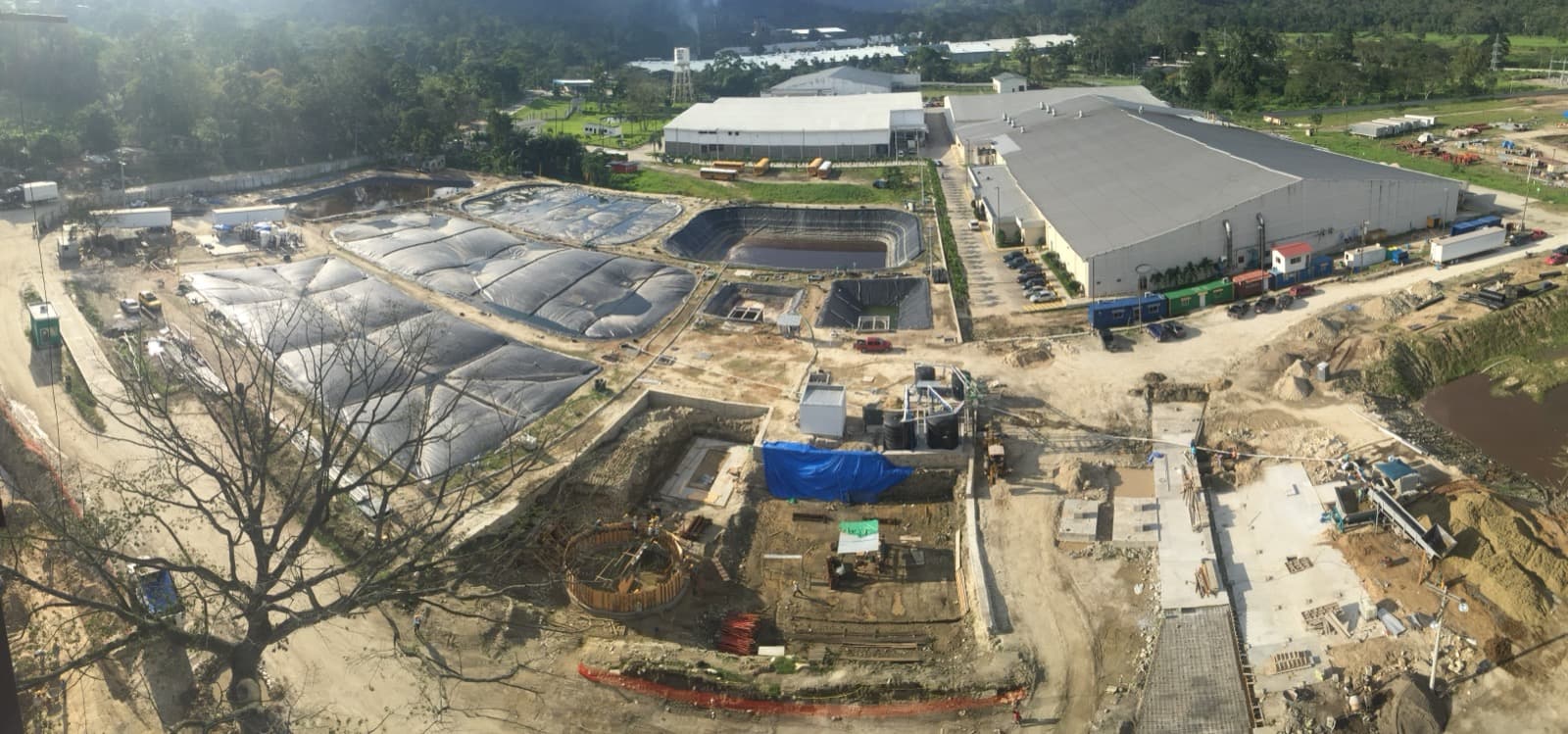
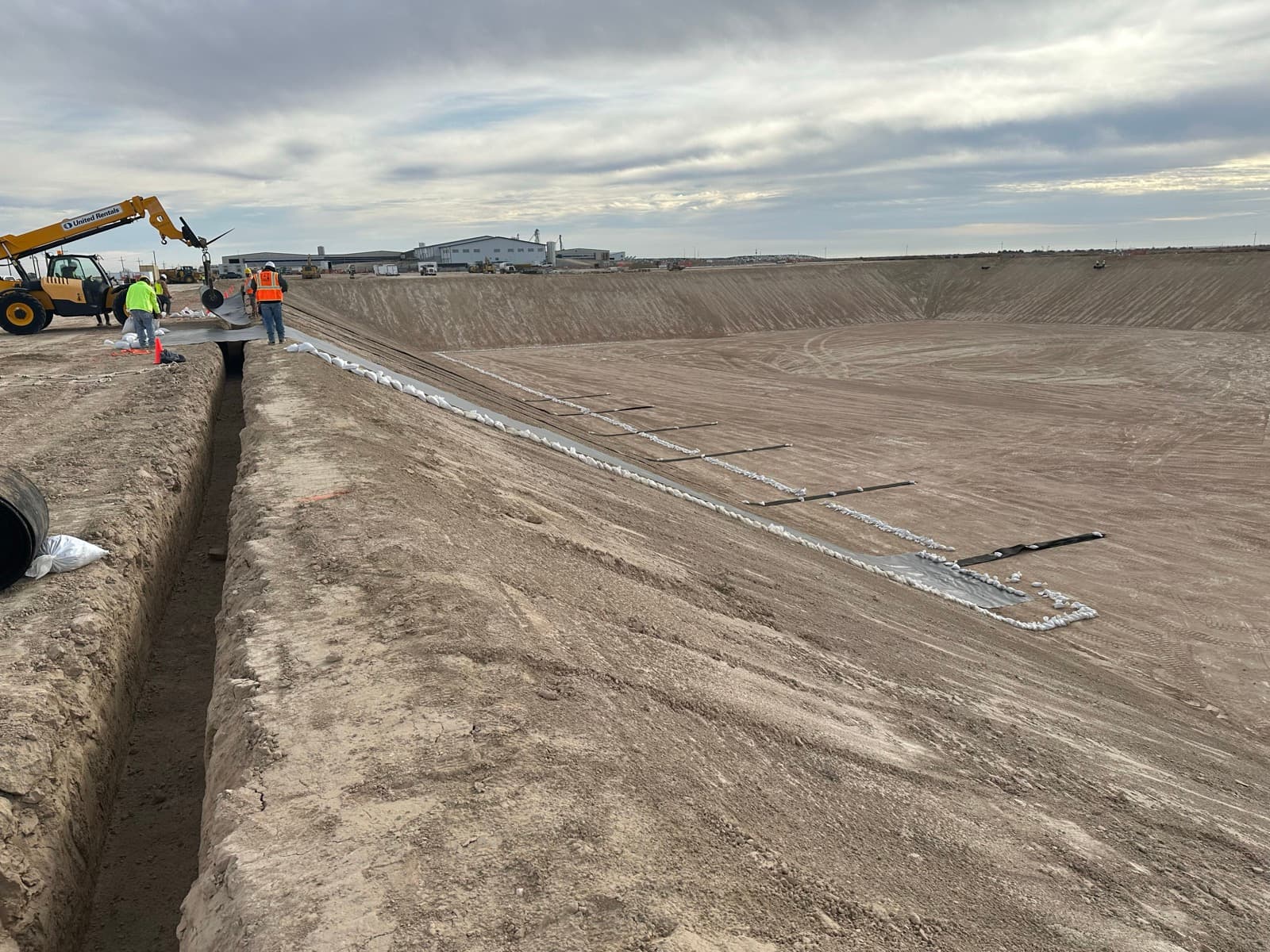
After sludge removal, the exposed lagoon bottom and slopes are evaluated for liner installation. For lagoons with failed clay liners, a geomembrane liner overlay is the most effective rehabilitation approach. The clay surface is graded and compacted, a geotextile cushion is installed, and a new HDPE or LLDPE geomembrane is deployed and welded.
For lagoons with existing geomembrane liners that have reached the end of their service life, the old liner may be removed and replaced or, if the old liner is still structurally sound, a new liner may be installed directly over it with a geotextile separator. The decision depends on the condition of the old liner and the cost-benefit of removal versus overlay.
System Upgrades
- Aeration: Adding mechanical or diffused aeration to the first cell converts it from an anaerobic lagoon to a partial-mix aerated lagoon, significantly increasing treatment capacity and reducing odor.
- Baffles: Installing curtain baffles improves hydraulic efficiency by preventing short-circuiting and increasing effective retention time.
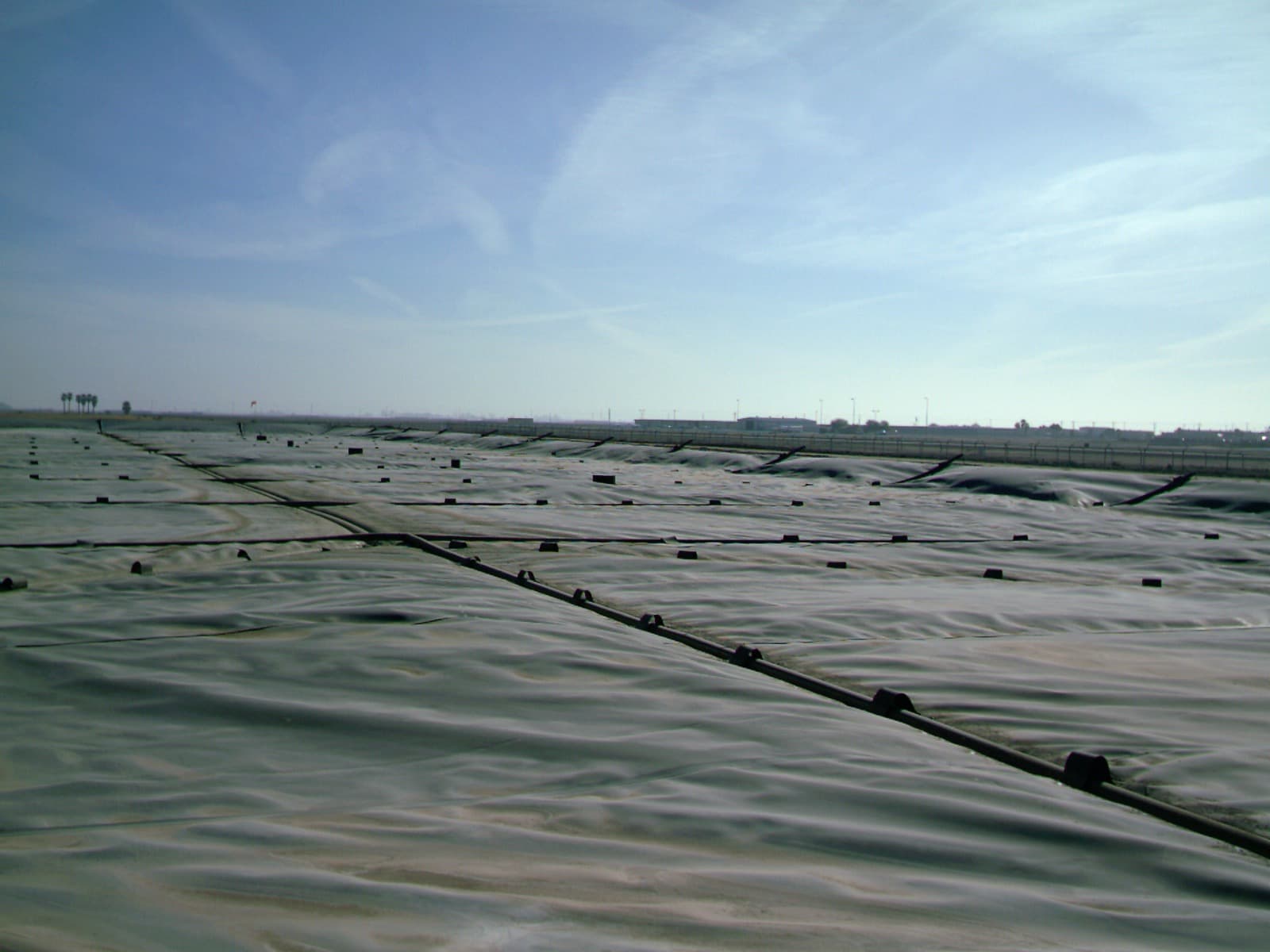
- Covers: Floating geomembrane covers on primary cells capture biogas, eliminate odors, and improve treatment efficiency. This is particularly valuable for lagoons near residential areas.
- Effluent polishing: Adding a final polishing step (constructed wetland, sand filter, or UV disinfection) can bring lagoon effluent into compliance with stricter discharge limits.
Funding Sources
Municipal lagoon rehabilitation is eligible for several federal and state funding programs. USDA Rural Development Water and Waste Disposal grants and loans are available to rural communities. EPA Clean Water State Revolving Fund (CWSRF) provides low-interest loans for wastewater infrastructure. The Infrastructure Investment and Jobs Act (IIJA) allocated additional billions for water infrastructure, including lagoon rehabilitation. Many states also offer supplemental grant programs for small community wastewater improvements.
EFI USA has completed municipal lagoon rehabilitation projects for communities ranging from 500 to 25,000 population. From sludge removal and liner installation to complete system overhauls, our team provides turnkey rehabilitation services. Contact us to discuss your community's lagoon rehabilitation needs.