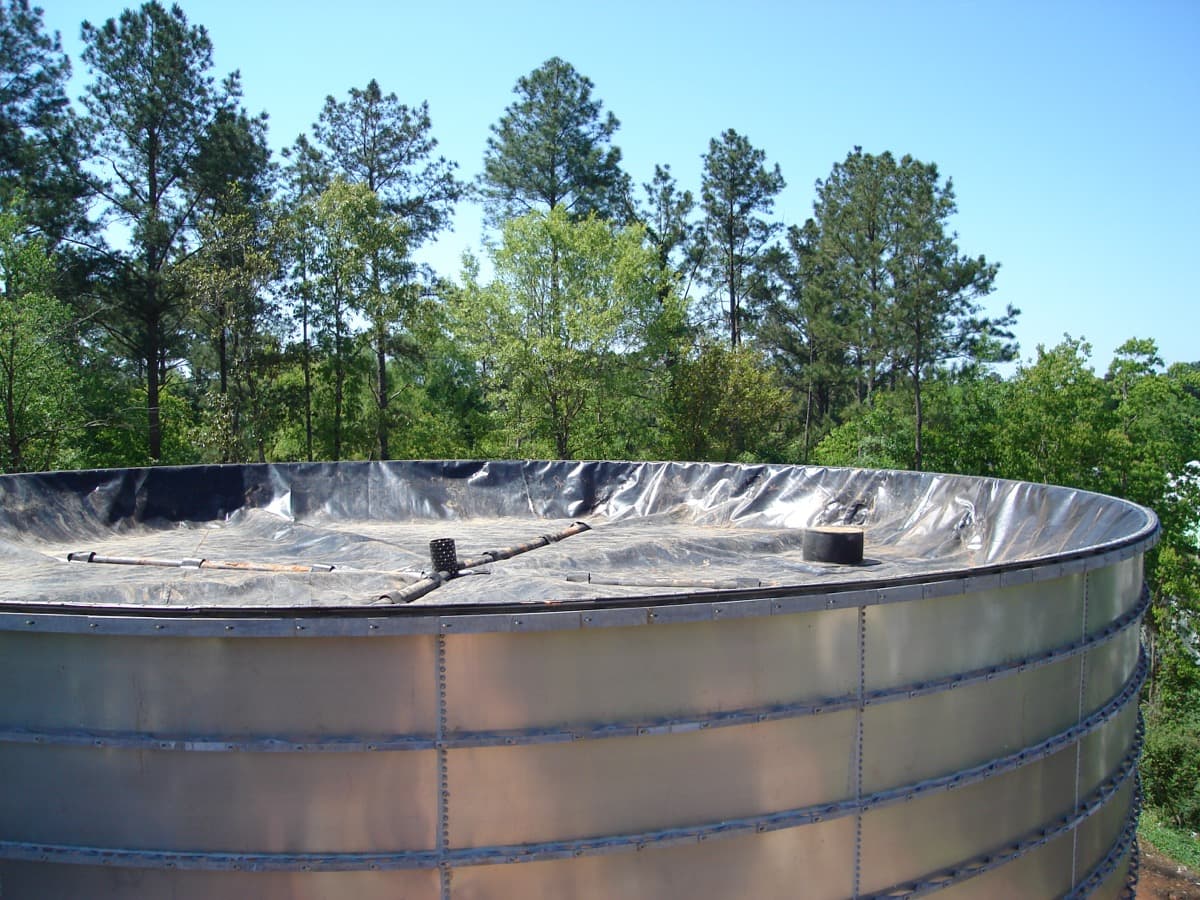
The wine industry generates wastewater that is unlike almost any other agricultural or food processing waste stream. It is extremely high in biochemical oxygen demand (BOD), often exceeding 10,000 mg/L during crush season. It swings from near-zero flow in winter to peak discharge over a 6-8 week harvest period. And it contains tartaric acid, sulfites, and cleaning chemicals that create a corrosive environment for containment systems.
For wineries that rely on lagoon-based treatment, these characteristics create containment challenges that standard agricultural lagoon designs do not adequately address. Undersized lagoons, inappropriate liner materials, and lack of pH management are the most common problems EFI encounters when evaluating existing winery wastewater systems.
What Makes Winery Wastewater Different
Winery wastewater has several characteristics that directly affect lagoon design and liner selection.
- Extreme BOD concentration: Winery process water routinely tests at 5,000-15,000 mg/L BOD, compared to 200-400 mg/L for domestic wastewater and 1,000-3,000 mg/L for most food processing. This organic load drives aggressive biological activity in treatment lagoons, generating biogas, hydrogen sulfide, and heat.
- Seasonal flow variation: A typical California winery generates 60-70% of its annual wastewater volume during a 6-8 week crush and fermentation period. The lagoon system must handle peak flows during crush while managing a much smaller maintenance flow the rest of the year. This creates sizing challenges that steady-state design methods underestimate.
- Low pH: Winery wastewater is acidic, typically pH 3.5-5.0 before treatment. Caustic cleaning chemicals create periodic pH spikes above 10. This wide pH swing is hard on biological treatment processes and accelerates chemical degradation of some liner materials.
- Solids loading: Grape pomace, lees, and diatomaceous earth filter media contribute to high suspended solids loading. These settle in lagoons and must be removed periodically to maintain treatment capacity.
- Color and aesthetics: Winery wastewater, particularly from red wine production, is deeply colored. Discharge or land application of colored effluent generates complaints and regulatory attention disproportionate to the actual environmental impact.
Regulatory Framework
Winery wastewater regulation varies significantly by state. In California, where the majority of US wine production occurs, the State Water Resources Control Board and Regional Water Quality Control Boards regulate winery discharges through Waste Discharge Requirements (WDRs) and General Orders.
The Central Valley Regional Board's General Order for wineries (Order R5-2013-0153 and its successors) classifies facilities into tiers based on annual production and discharge volume. Tier 2 and Tier 3 facilities, those producing more than 200,000 gallons of wine per year, typically require lined containment for treatment ponds. Oregon's Department of Environmental Quality and Washington's Department of Ecology have similar requirements with varying thresholds.
Liner Material Selection for Winery Applications
The chemical environment in winery wastewater lagoons narrows the field of suitable liner materials. Not all geomembranes perform equally under the combination of low pH, high organic loading, and elevated temperatures that characterize winery treatment ponds.
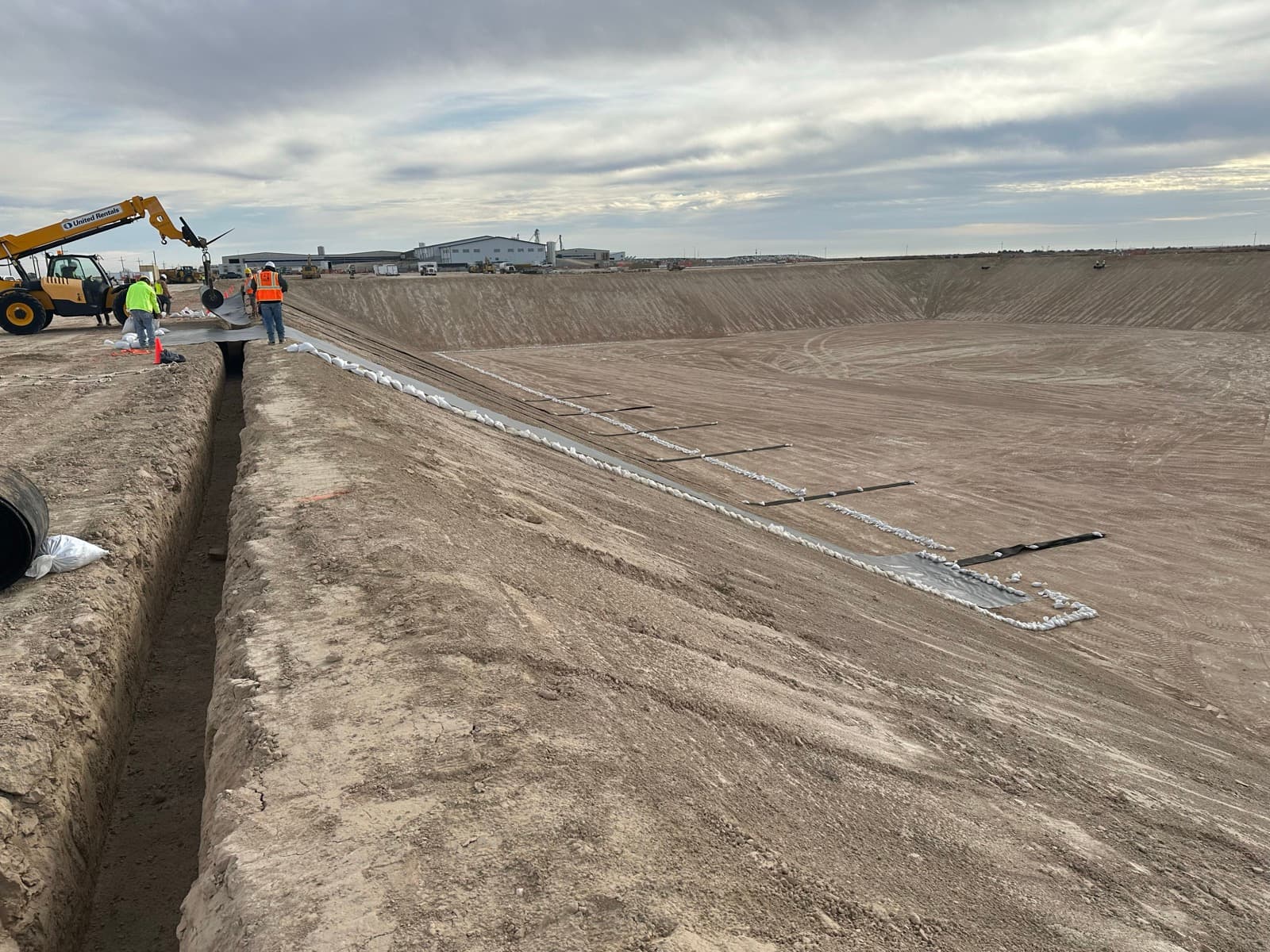
- HDPE (high-density polyethylene): The most common choice and generally the best performer for winery applications. HDPE resists the full pH range encountered in winery wastewater and is unaffected by tartaric acid, sulfites, and standard cleaning chemicals. Minimum 60 mil thickness is recommended for primary containment. EFI specifies HDPE for the majority of winery projects.
- LLDPE (linear low-density polyethylene): More flexible than HDPE, which can be advantageous for irregular lagoon geometries. Chemical resistance is comparable to HDPE for winery applications. LLDPE is a good option where the subgrade has minor settlement potential that would stress a rigid HDPE panel.
- RPP (reinforced polypropylene): Sometimes specified for smaller winery ponds or temporary containment. RPP is more puncture-resistant than unreinforced HDPE at equivalent thickness, but long-term chemical resistance data for winery applications is more limited.
- PVC (polyvinyl chloride): Not recommended for winery wastewater lagoons. PVC softens and degrades under prolonged contact with the organic acids and solvents present in winery process water. EFI has replaced failed PVC liners in winery applications.
Design Considerations for Winery Lagoons
Beyond liner selection, winery lagoon design requires attention to several factors that standard agricultural lagoon guidelines do not adequately address.
- Sizing for peak loading: The lagoon must be sized for crush season flows, not average annual flows. A common design error is sizing based on annual average daily flow, which results in a system that works for 10 months and is overloaded for 2. EFI recommends at least 120 days of storage capacity at peak inflow rates.
- pH equalization: A small equalization tank or inline pH adjustment before the primary lagoon extends liner life and improves biological treatment performance. Lime dosing or sodium hydroxide injection to maintain pH above 6.0 in the primary lagoon is standard practice.
- Sludge management access: Design the lagoon with access for sludge removal equipment. Ramps or designated entry points that do not require driving heavy equipment over the liner prevent damage during periodic cleanout. EFI installs reinforced liner sections at designated equipment access points.
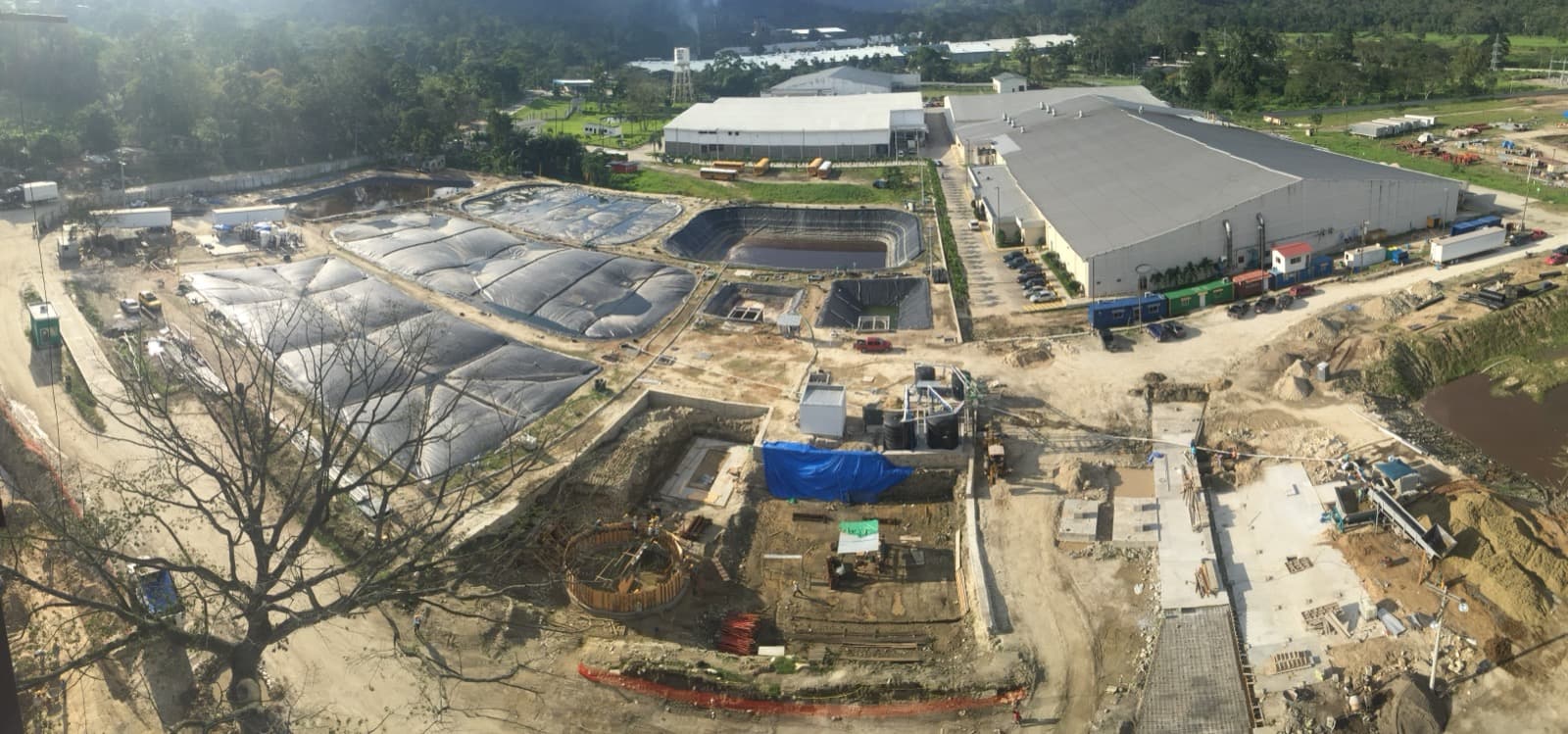
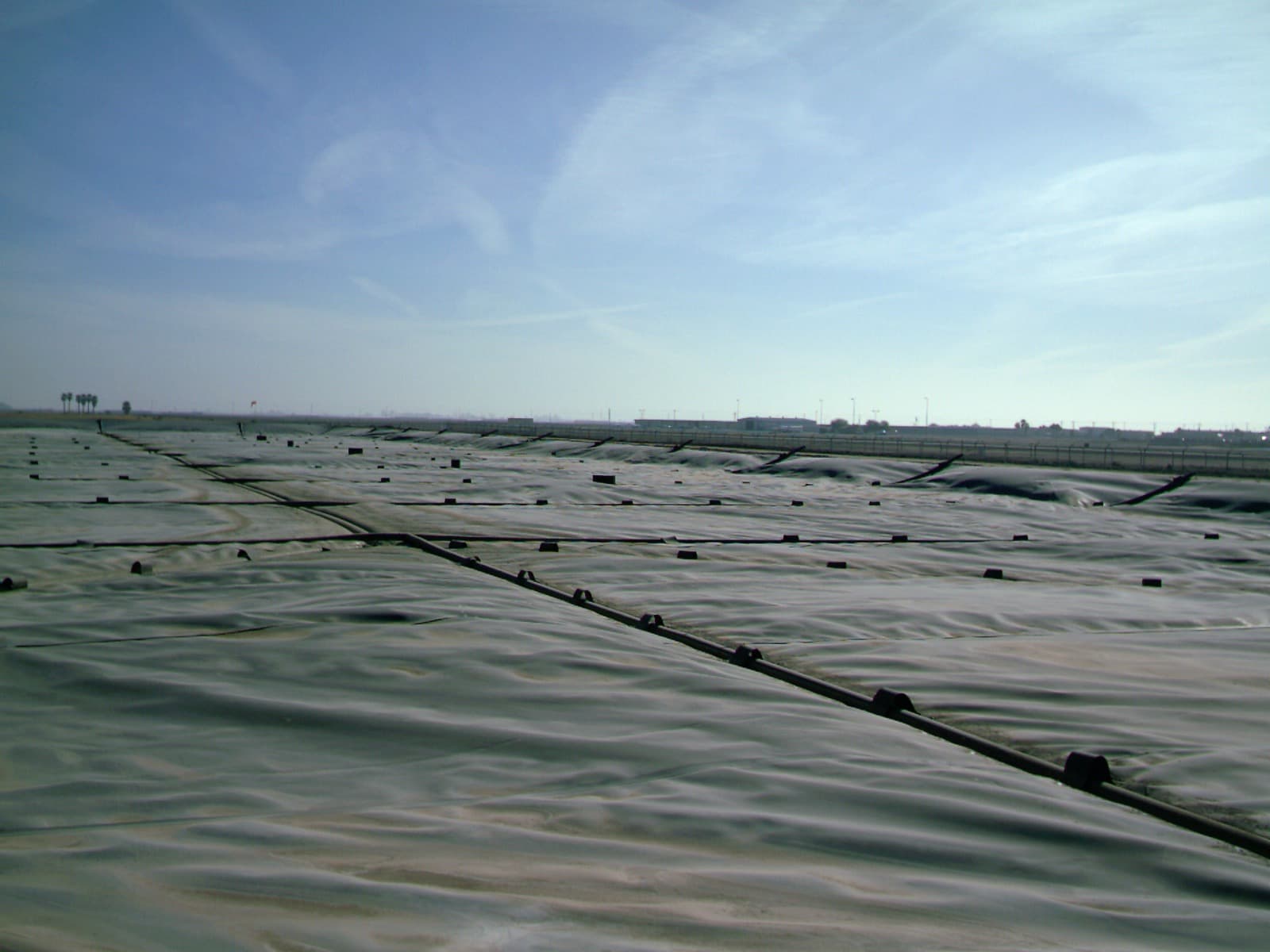
- Cover systems: Covered lagoons at wineries serve dual purposes: odor control during active treatment and rainwater exclusion during the dormant season. Excluding rainwater reduces lagoon volume requirements, which reduces both construction cost and land footprint.
The wine industry continues to grow, and with it, the need for wastewater systems that handle the unique demands of wine production. Winery operators planning new facilities or upgrading existing lagoon systems should work with a contractor who understands both the chemistry of the waste stream and the specific regulatory requirements in their region. EFI has designed and installed containment systems for wineries, food processors, and agricultural operations across the US. Contact us for a site-specific consultation.