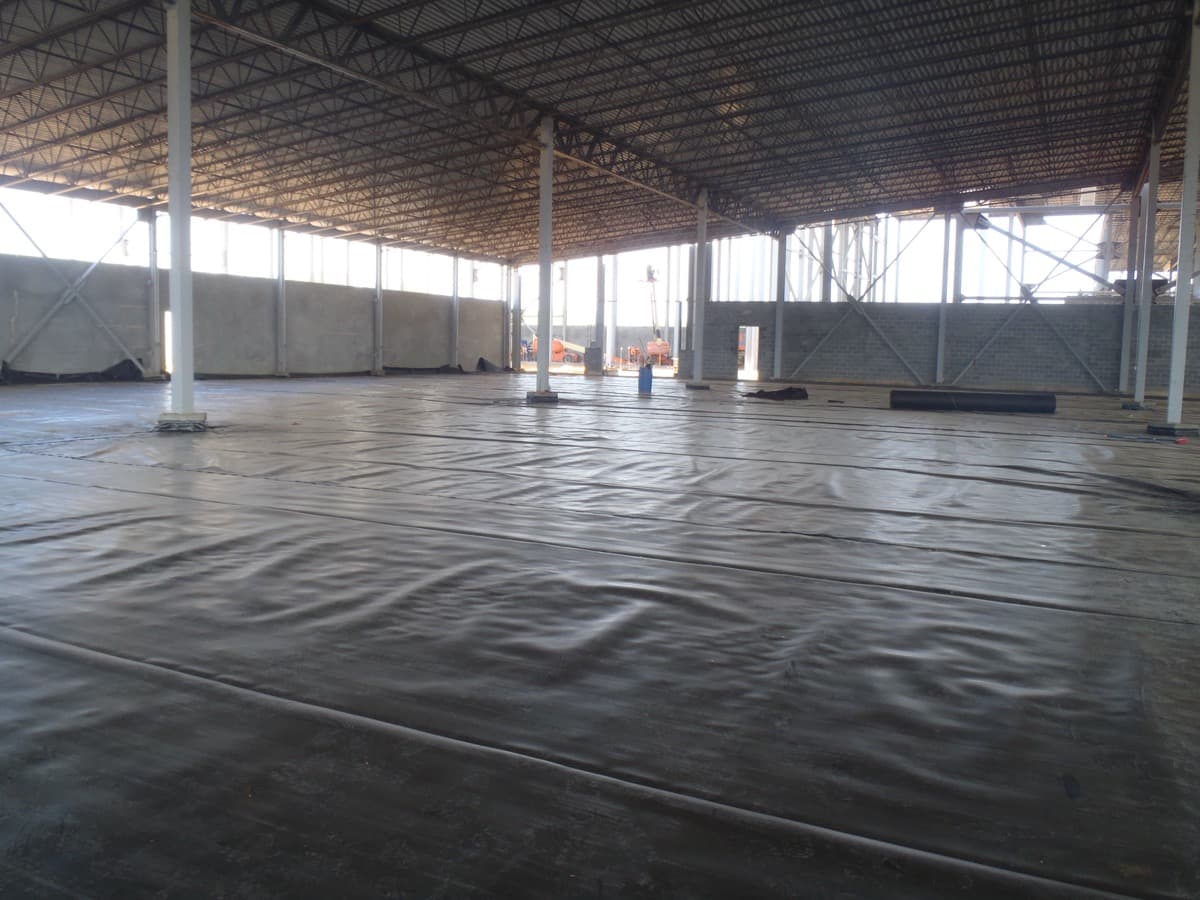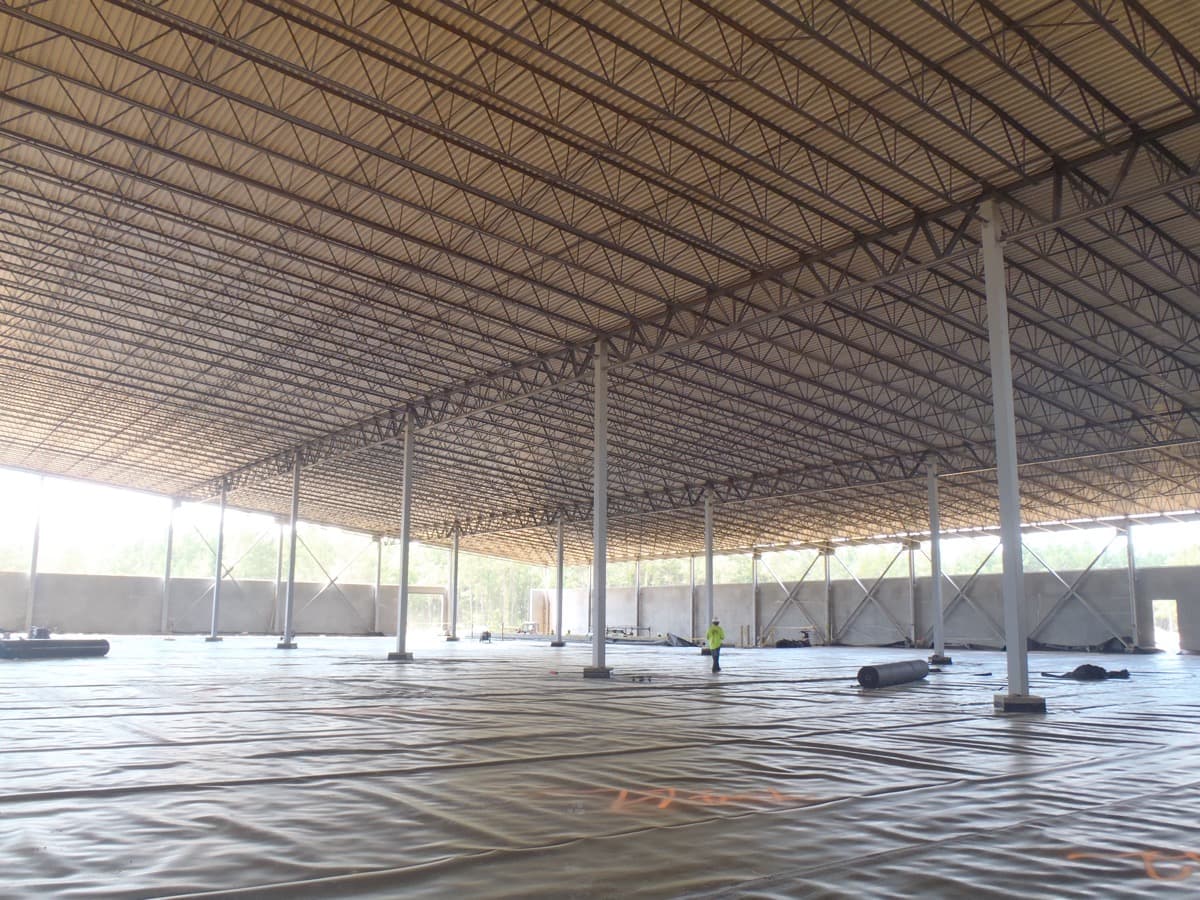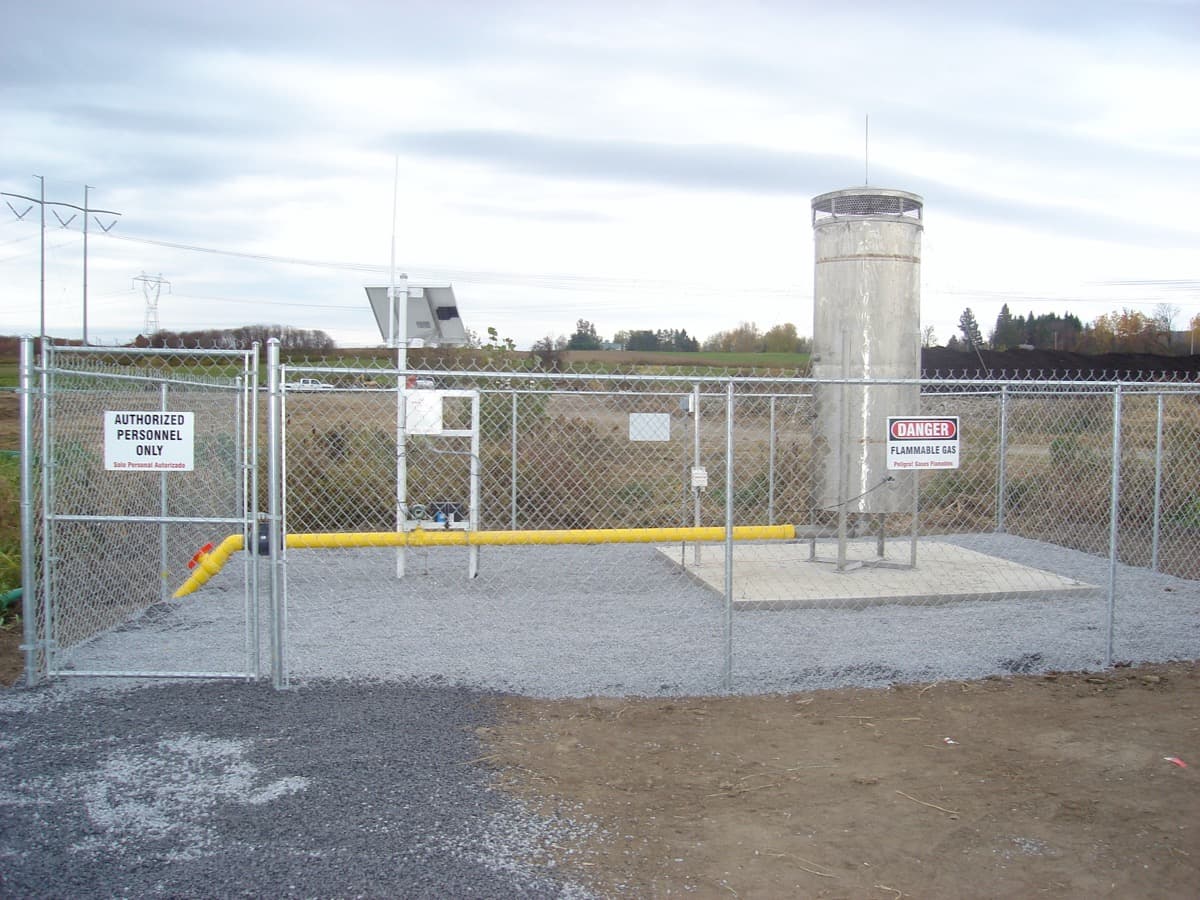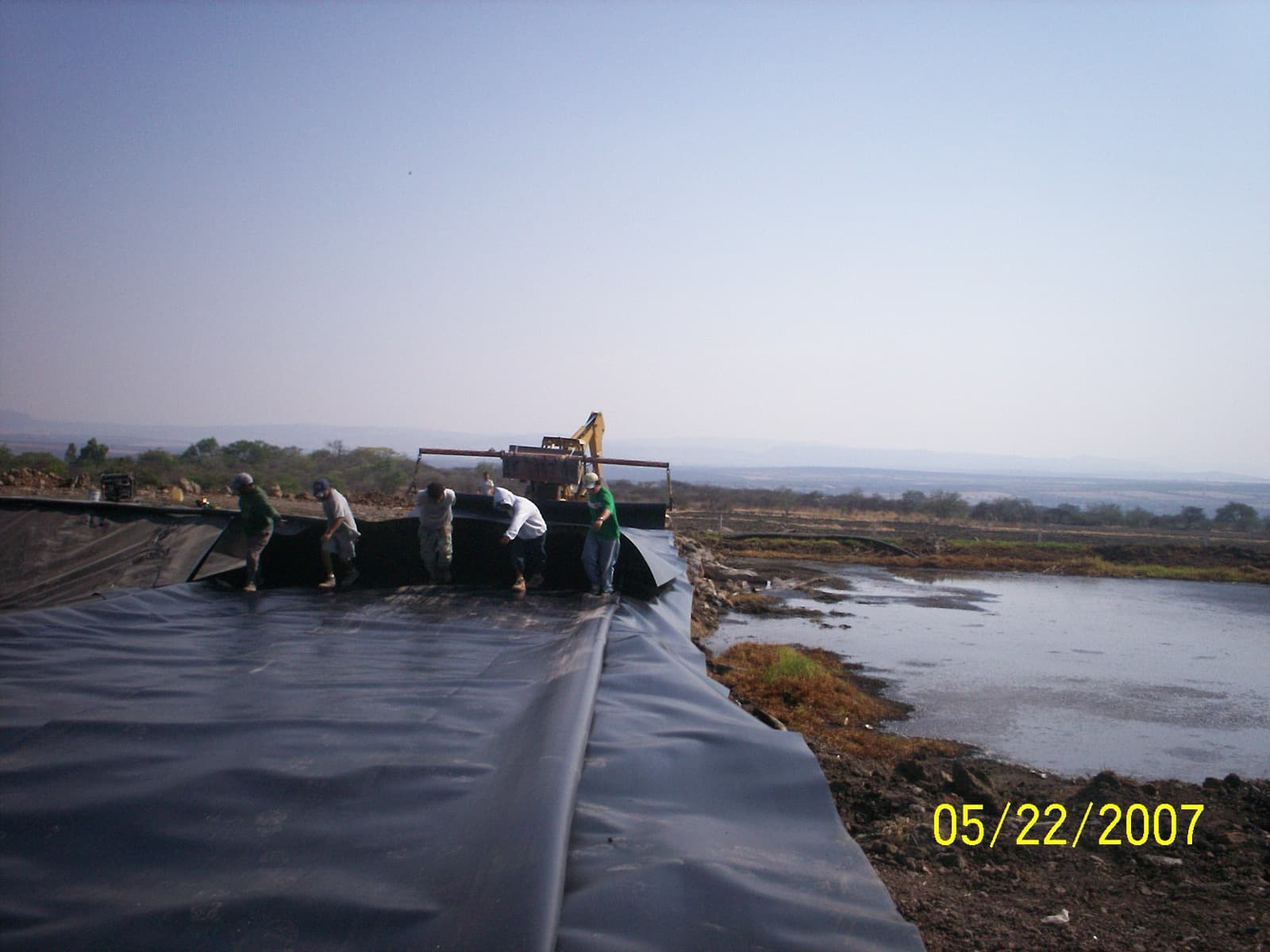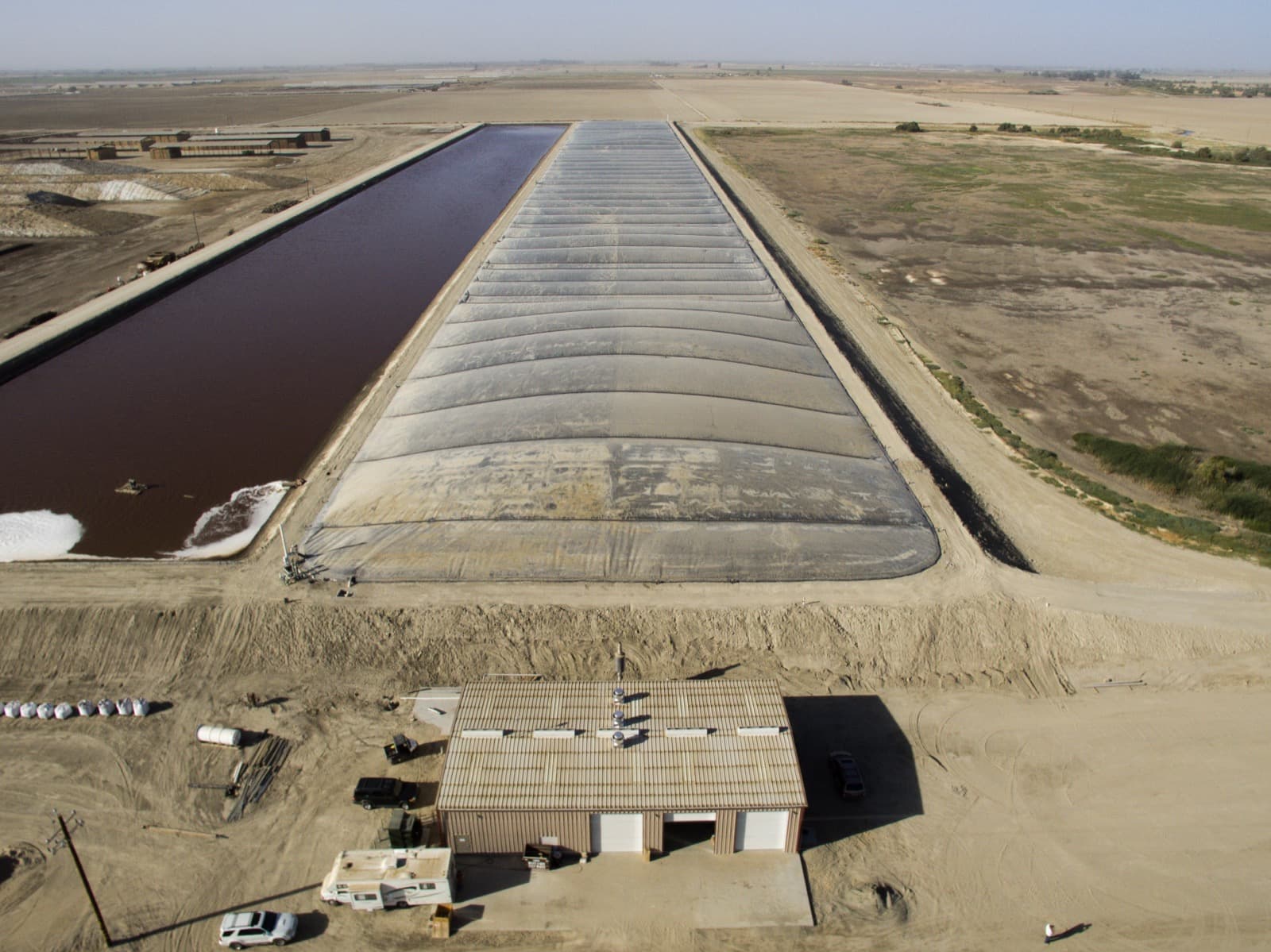
High-density polyethylene (HDPE) and linear low-density polyethylene (LLDPE) are the two most widely used geosynthetic liner materials in environmental containment. Both are thermoplastic polymers, both are welded in the field using hot-wedge or extrusion welding, and both have proven track records spanning decades. But they are not interchangeable. Choosing the wrong material for your application can lead to premature failure, costly repairs, and regulatory headaches.
Material Properties at a Glance
HDPE is a rigid, high-crystallinity polymer with excellent chemical resistance and UV stability. It holds its shape well under load and resists puncture in static applications. LLDPE is a more flexible, lower-crystallinity material with superior elongation and stress-crack resistance. It conforms better to irregular surfaces and handles dynamic loading without fatigue.
Chemical Resistance
HDPE has broader chemical resistance, particularly to hydrocarbons, solvents, and aggressive chemicals found in mining and industrial applications. It is the standard choice for heap leach pads, chemical containment, and landfill base liners. LLDPE performs well with most agricultural and municipal wastewater but may not be suitable for concentrated chemical exposure.
Flexibility and Conformability
LLDPE is more flexible than HDPE, which can be useful where a liner must accommodate movement. GRI minimum break elongation differs by surface: smooth LLDPE 800 percent and smooth HDPE 700 percent; textured LLDPE 250 percent and textured HDPE 100 percent. These laboratory index properties are not allowable field strains. Evaluate anticipated movement with the selected sheet, seams and connections.
Installation Considerations
- Welding: Use the manufacturer’s recommended settings and qualify them with trial welds made under production conditions.
- Panel handling: HDPE panels are stiffer and hold their shape during deployment, which can be an advantage on large, flat areas. LLDPE panels are more flexible and easier to handle in confined spaces.
- Temperature sensitivity: HDPE expands and contracts significantly with temperature changes, creating thermal wrinkles. LLDPE's flexibility means it accommodates thermal movement with less stress.
Compare the installed scope
Compare the complete installed scope, including the selected product and thickness, subgrade preparation, deployment, seams, testing and maintenance access. The material choice alone does not establish a project cost or lifecycle saving.
Decision Matrix: When to Use Each
- Use HDPE for: Mining heap leach pads, chemical containment, landfill base liners, hydrocarbon exposure, applications requiring maximum chemical resistance.
- Use LLDPE for: Floating covers, agricultural lagoon liners, biogas digester covers, applications with settlement or movement, irregular subgrades, cold-climate installations.
- Consider either for: Water retention ponds, aquaculture liners, stormwater management, general environmental containment.
EFI's Approach
Send EFI the proposed material, chemical exposure, subgrade conditions, expected movement and installation scope for review. Include the required service life and the evidence the designer and supplier will use to assess it.