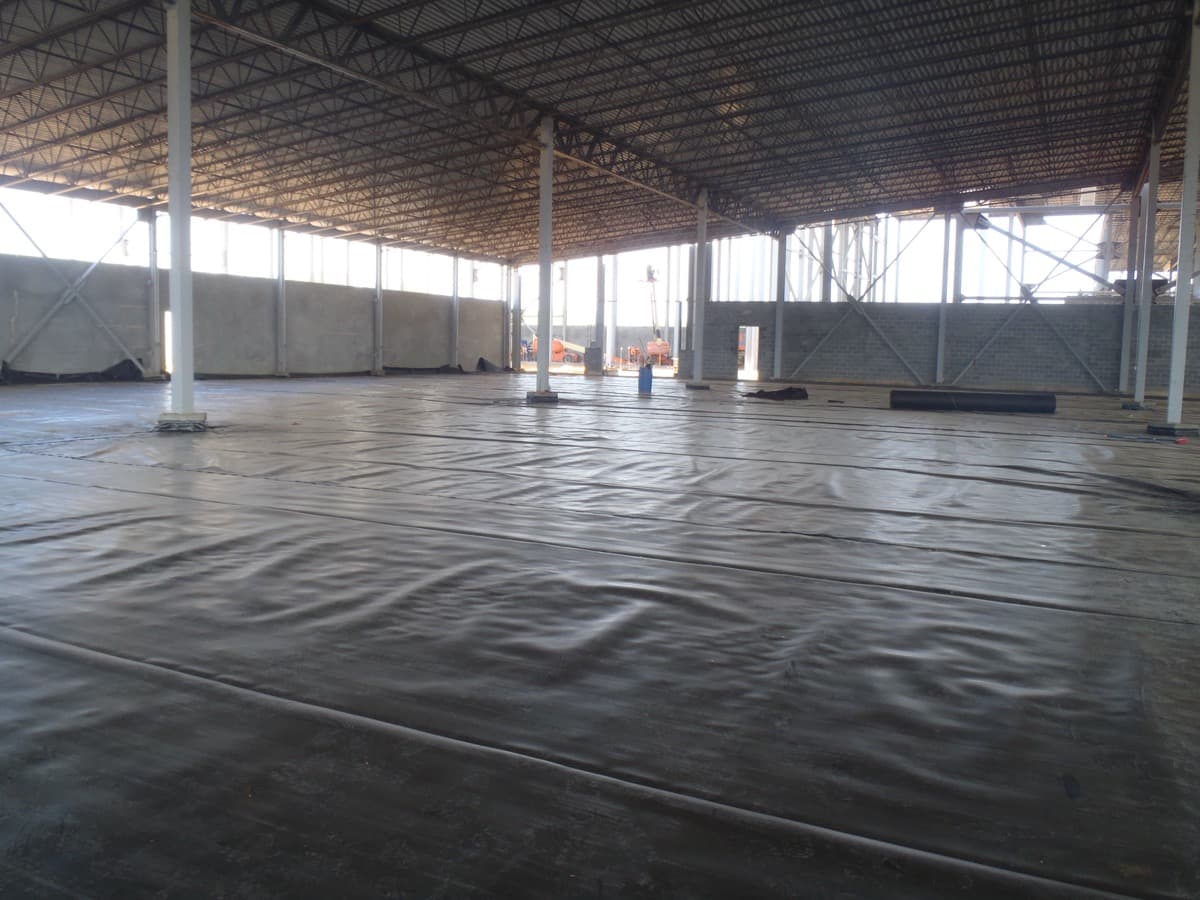
If your facility stores fuel, chemicals, or hazardous materials, secondary containment is not optional. Federal regulations under EPA 40 CFR 264 and 265 mandate that storage facilities have a secondary barrier capable of containing 100% of the largest tank's volume plus sufficient freeboard for precipitation. State regulations often go further. Getting the liner system right from the start avoids regulatory violations, environmental liability, and the significant cost of retrofitting a containment area that does not meet code.
Federal Requirements: EPA 40 CFR 264/265
The Resource Conservation and Recovery Act (RCRA) establishes the baseline for secondary containment through 40 CFR 264.175 for permitted facilities and 40 CFR 265.175 for interim status facilities. The core requirements are straightforward: the containment system must be designed, installed, and operated to prevent any migration of waste or accumulated liquid out of the system. It must be constructed of materials compatible with the stored substances, placed on a foundation capable of supporting the system, and have sufficient capacity to contain 10% of the total volume of all containers or 100% of the largest container, whichever is greater. For tank systems under 40 CFR 264.193, the secondary containment must also include leak detection and a means to remove accumulated liquids within 24 hours.
State-Specific Requirements
Most states adopt the federal RCRA standards as a minimum but add their own requirements. Some common additions include increased containment capacity (110% or 150% of largest tank volume), specific material thickness minimums, mandatory leak detection layers between primary and secondary liners, rainwater management systems to prevent stormwater accumulation in the containment area, and periodic inspection and integrity testing schedules. States like California, Texas, Louisiana, and New Jersey have particularly detailed secondary containment codes driven by the concentration of petroleum and chemical operations within their borders. Before designing any containment system, the applicable state environmental agency regulations must be reviewed alongside federal requirements.
Liner Material Selection
- HDPE (High-Density Polyethylene): The most widely used geomembrane for secondary containment. Excellent chemical resistance across a broad range of hydrocarbons, acids, and bases. Available in 40-mil to 100-mil thicknesses. Performs well in exposed and buried applications. Best choice for fuel storage, chemical tank farms, and long-term containment where chemical resistance is critical.
- LLDPE (Linear Low-Density Polyethylene): More flexible than HDPE with better elongation and conformability. Ideal for containment areas with irregular subgrades, settlement-prone soils, or complex geometries. Chemical resistance is slightly narrower than HDPE, so compatibility must be verified against stored materials. Commonly used in 40-mil to 80-mil thicknesses.
- PVC (Polyvinyl Chloride): Lower cost option suitable for short-term or temporary containment applications and mild chemical environments. Not recommended for hydrocarbon storage or prolonged UV exposure without a protective cover. Typically used in 20-mil to 40-mil thicknesses. Good flexibility at low temperatures.
- Reinforced Polypropylene (RPP): Lightweight, prefabricated option for smaller containment areas. Factory seams reduce field welding requirements. Good chemical resistance but limited thickness options. Often used for equipment pads and small tank containment.
Design Considerations for Effective Containment
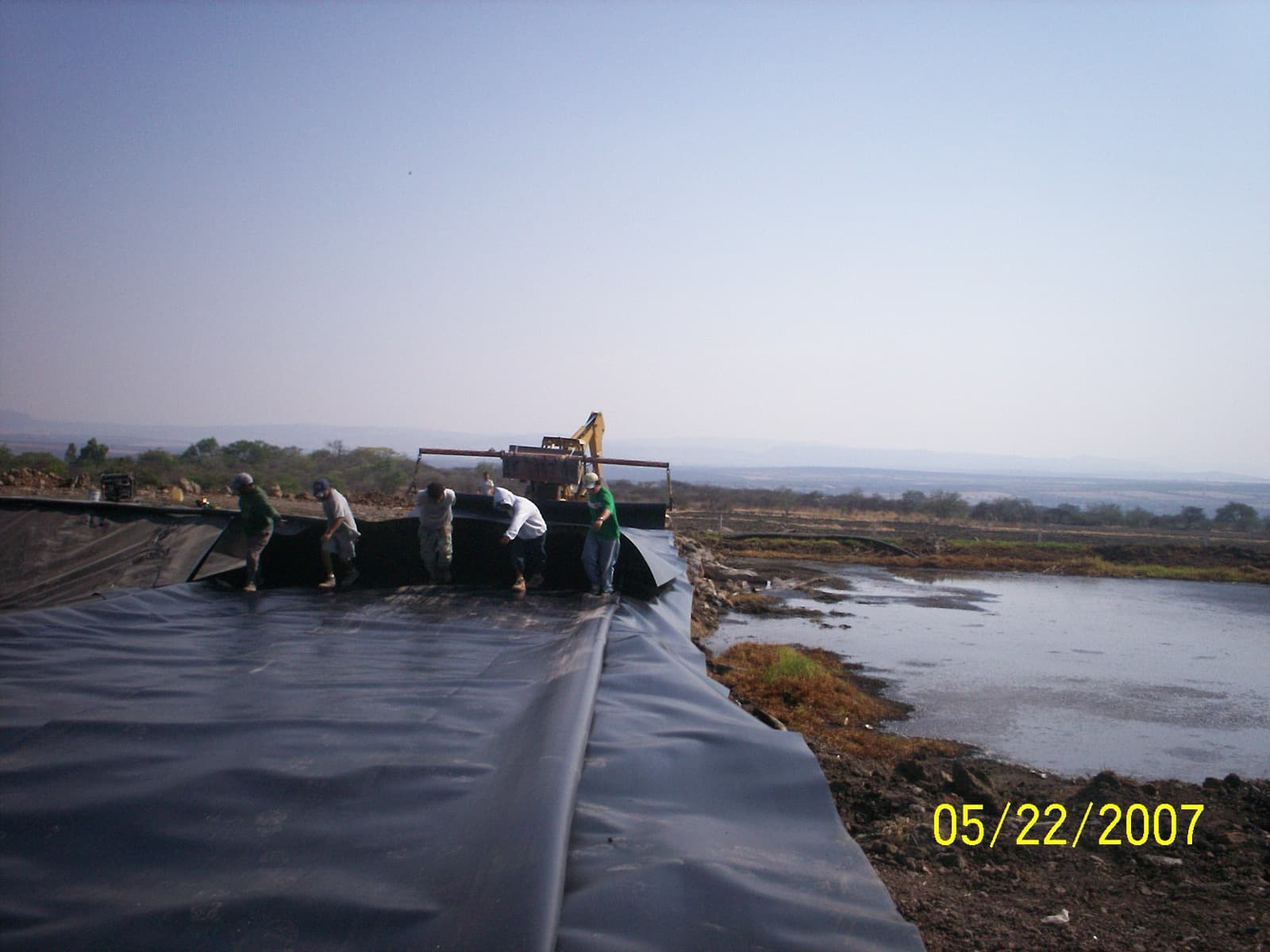
A secondary containment liner is only one component of a functional system. The design must account for subgrade preparation, anchor trenching, penetration details, and liquid management. Subgrade must be smooth, compacted, and free of objects that could puncture the liner. A geotextile cushion layer is recommended beneath the liner in all applications and is required by many specifications. Pipe and conduit penetrations through the liner require engineered boot details welded to the liner sheet to maintain the liquid-tight barrier. Every penetration is a potential failure point, so minimizing them through design is always preferred.
Leak Detection and Monitoring
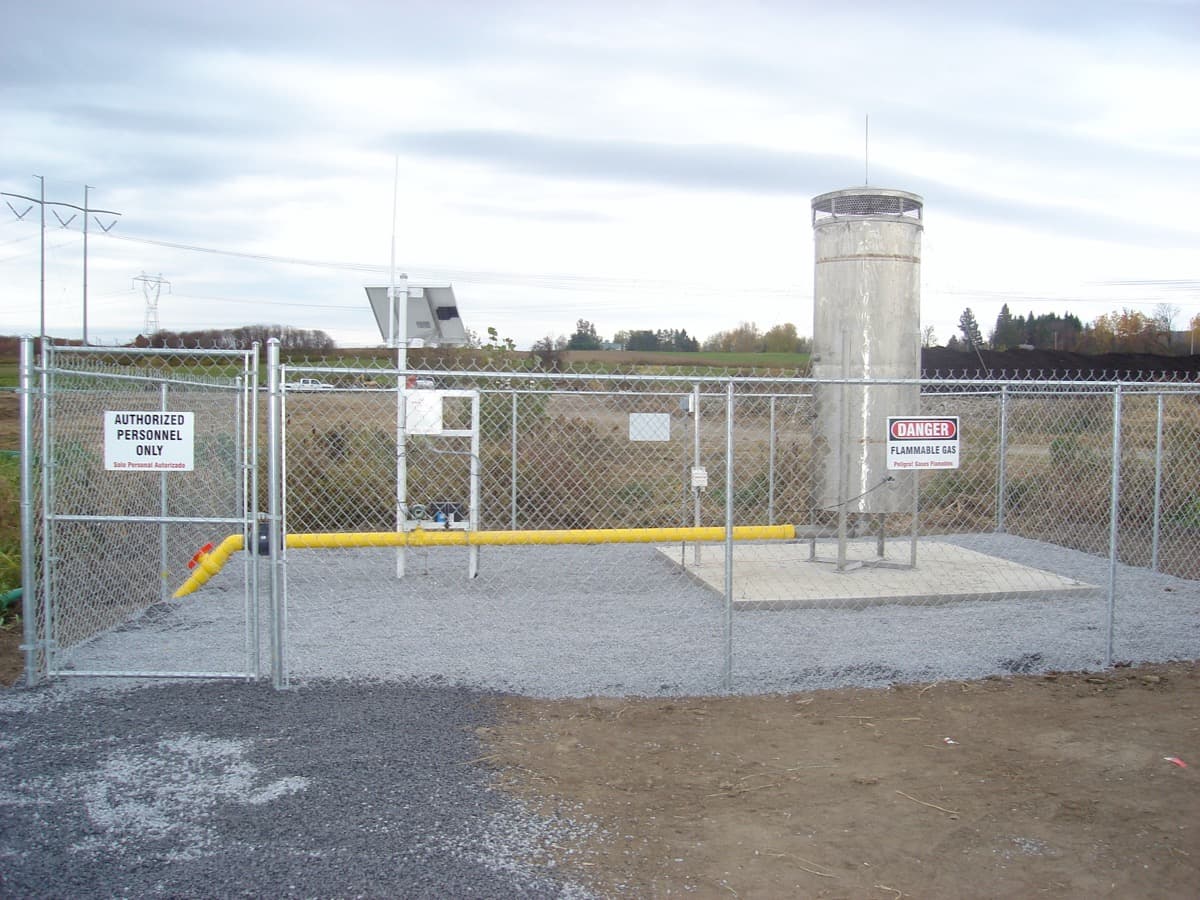
For regulated tank systems, a leak detection layer between the primary and secondary liner is required. This typically consists of a drainage geocomposite or granular drainage layer that channels any liquid reaching the secondary liner to a collection sump. The sump is monitored either manually on a scheduled basis or continuously with electronic sensors. Early detection of a primary liner breach allows for timely repair before the secondary system is compromised. Even for container storage areas where a dual liner is not required, installing monitoring points at low areas of the containment system is a best practice that provides early warning of any system compromise.
Rainwater and Stormwater Management
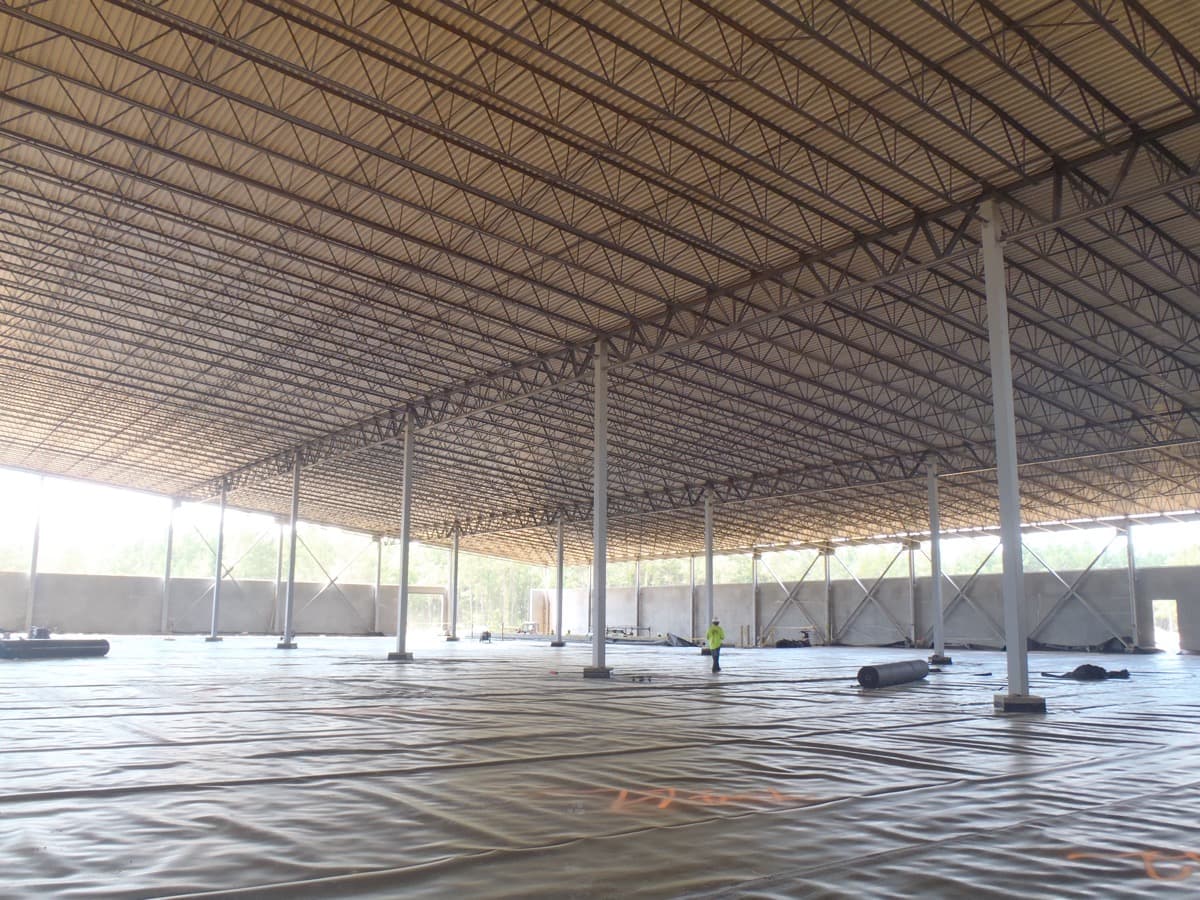
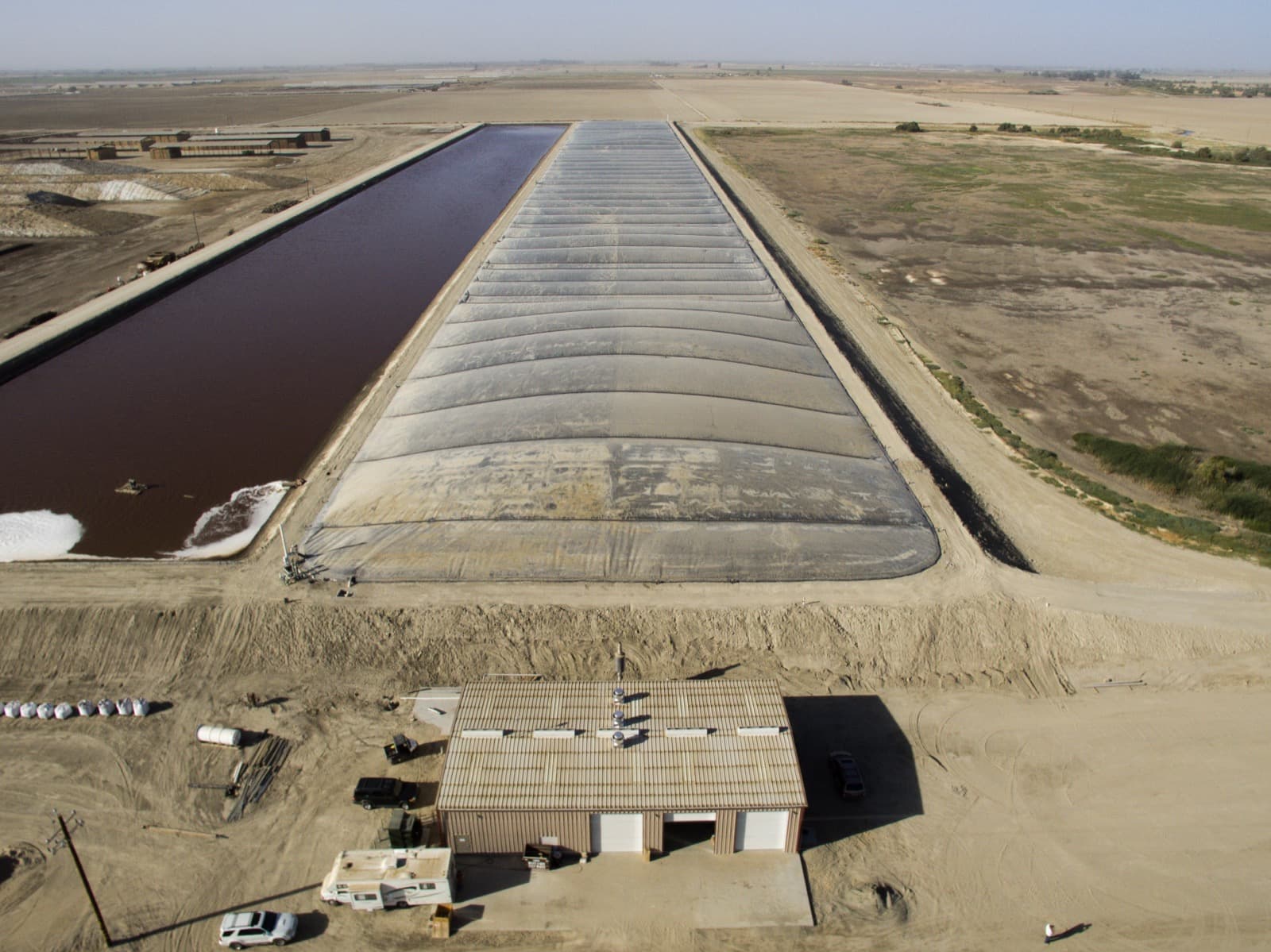
One of the most overlooked aspects of secondary containment design is stormwater management. An open containment area collects rain, and that water must be managed. If the accumulated water has contacted stored materials or contaminated surfaces, it cannot simply be pumped out and discharged. It must be tested and potentially treated before release. Design options include covered containment areas that eliminate rainwater intrusion entirely, sloped liner surfaces that direct clean stormwater to a segregated collection point away from tank areas, and valve-controlled drain systems that allow verified clean water to be released while retaining any contaminated liquid. Failing to plan for stormwater is the most common operational problem EFI sees in existing secondary containment systems.
“The best secondary containment system is one you never have to rely on. But when you do, it must work the first time without question.”
-- EFI USA Engineering
EFI's Secondary Containment Experience
EFI has designed and installed secondary containment liner systems for fuel tank farms, chemical processing facilities, oil and gas operations, wastewater treatment plants, and industrial manufacturing sites across the country. Our installations range from simple single-liner containment pads to complex dual-liner systems with engineered leak detection and automated monitoring. Every project includes material compatibility verification, third-party destructive seam testing at 150-foot intervals, and comprehensive as-built documentation. If your facility needs a new secondary containment system or an existing system needs evaluation, contact EFI to discuss your project requirements.