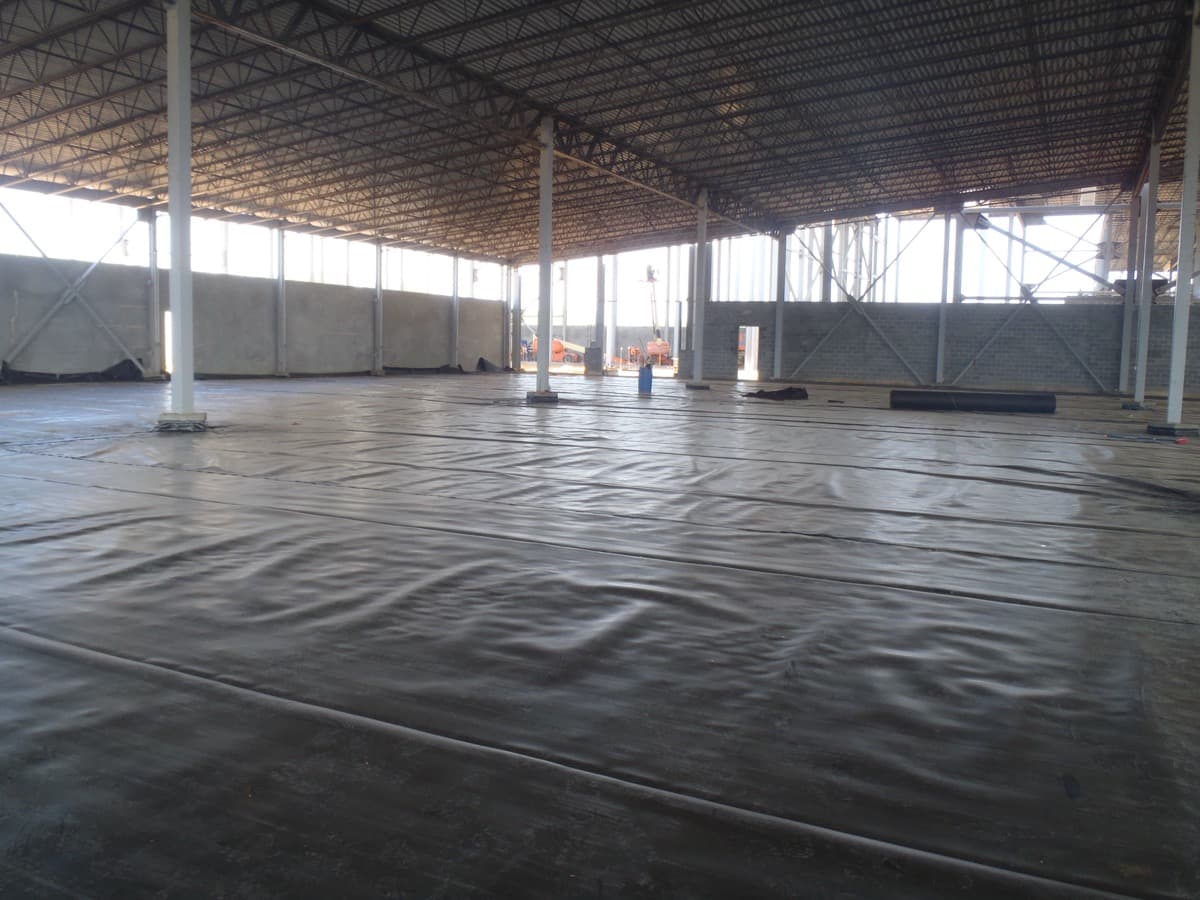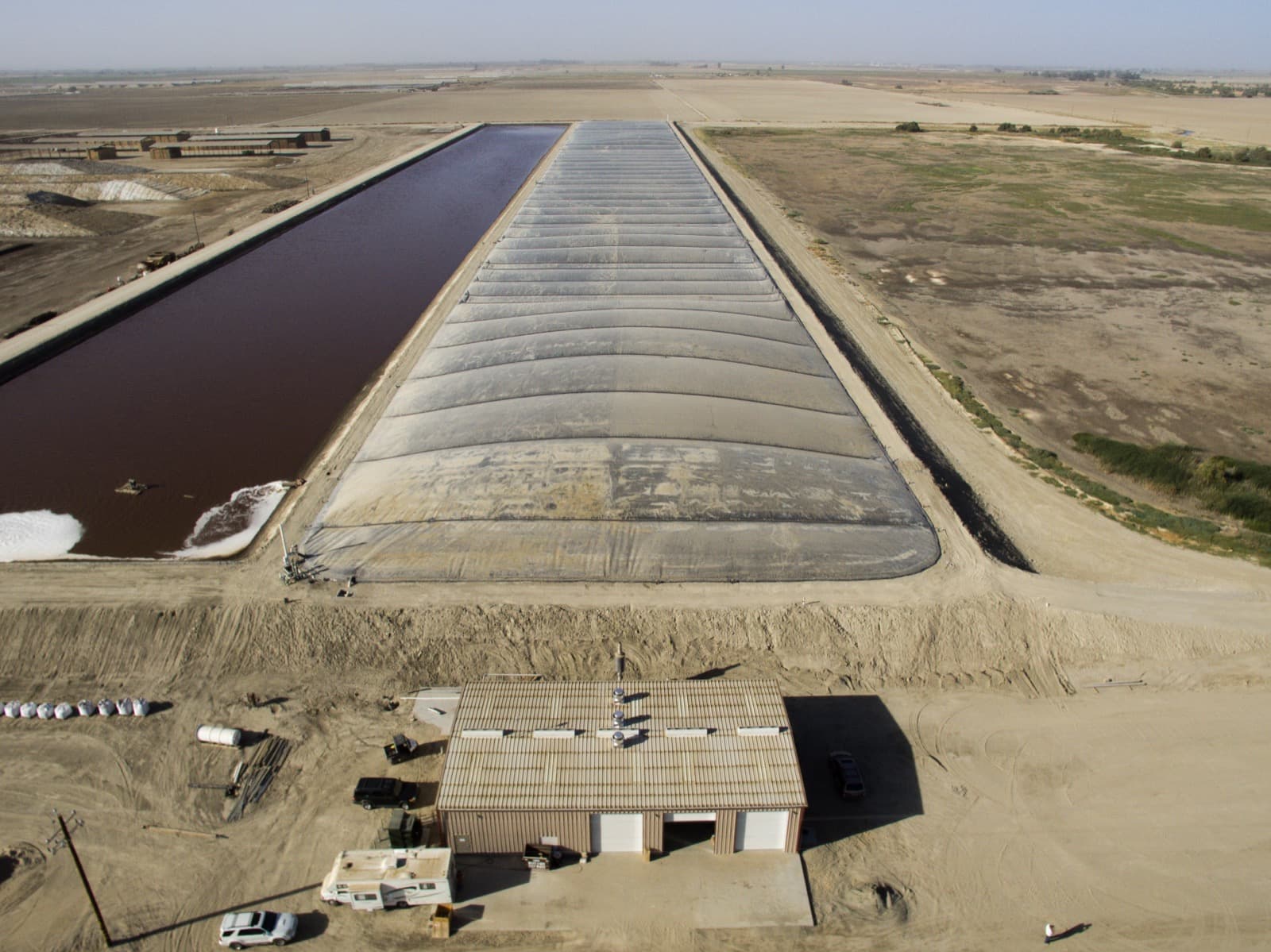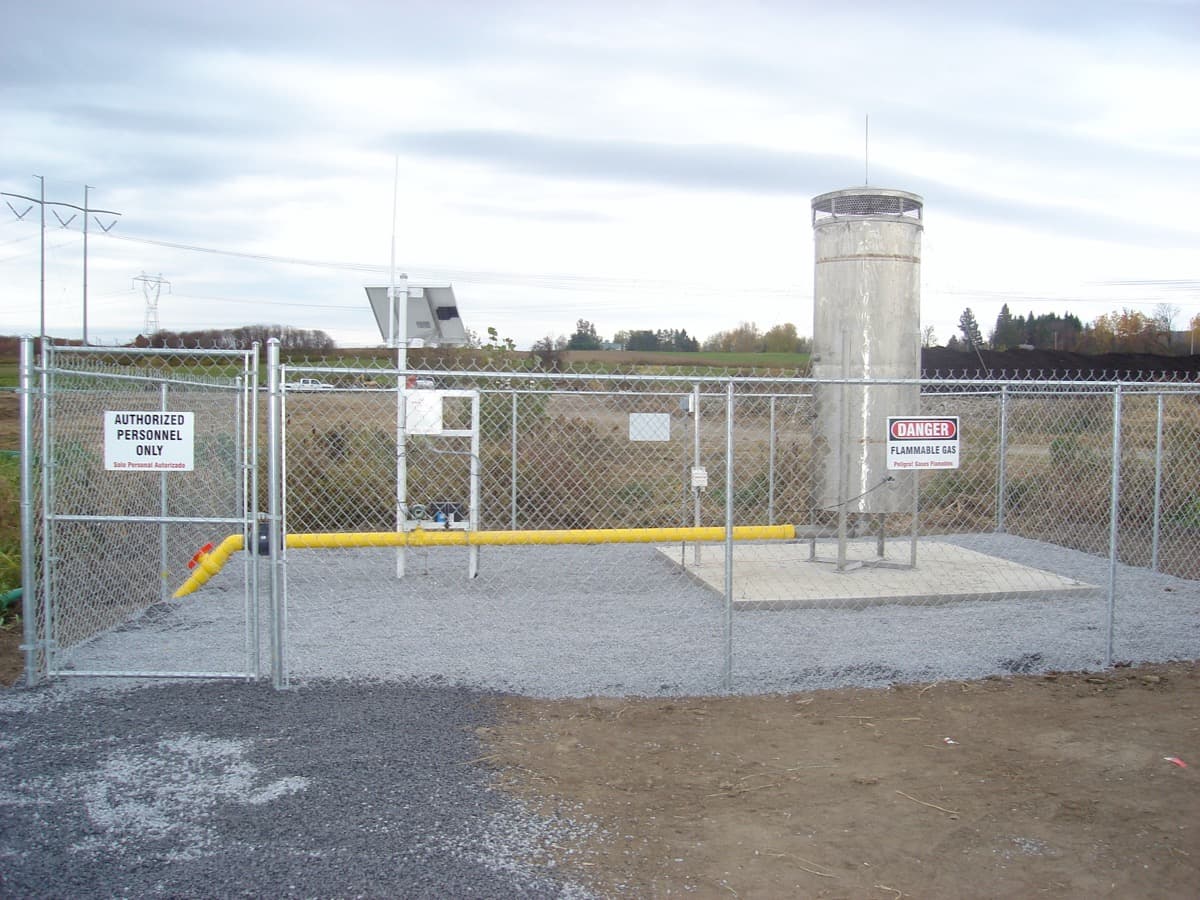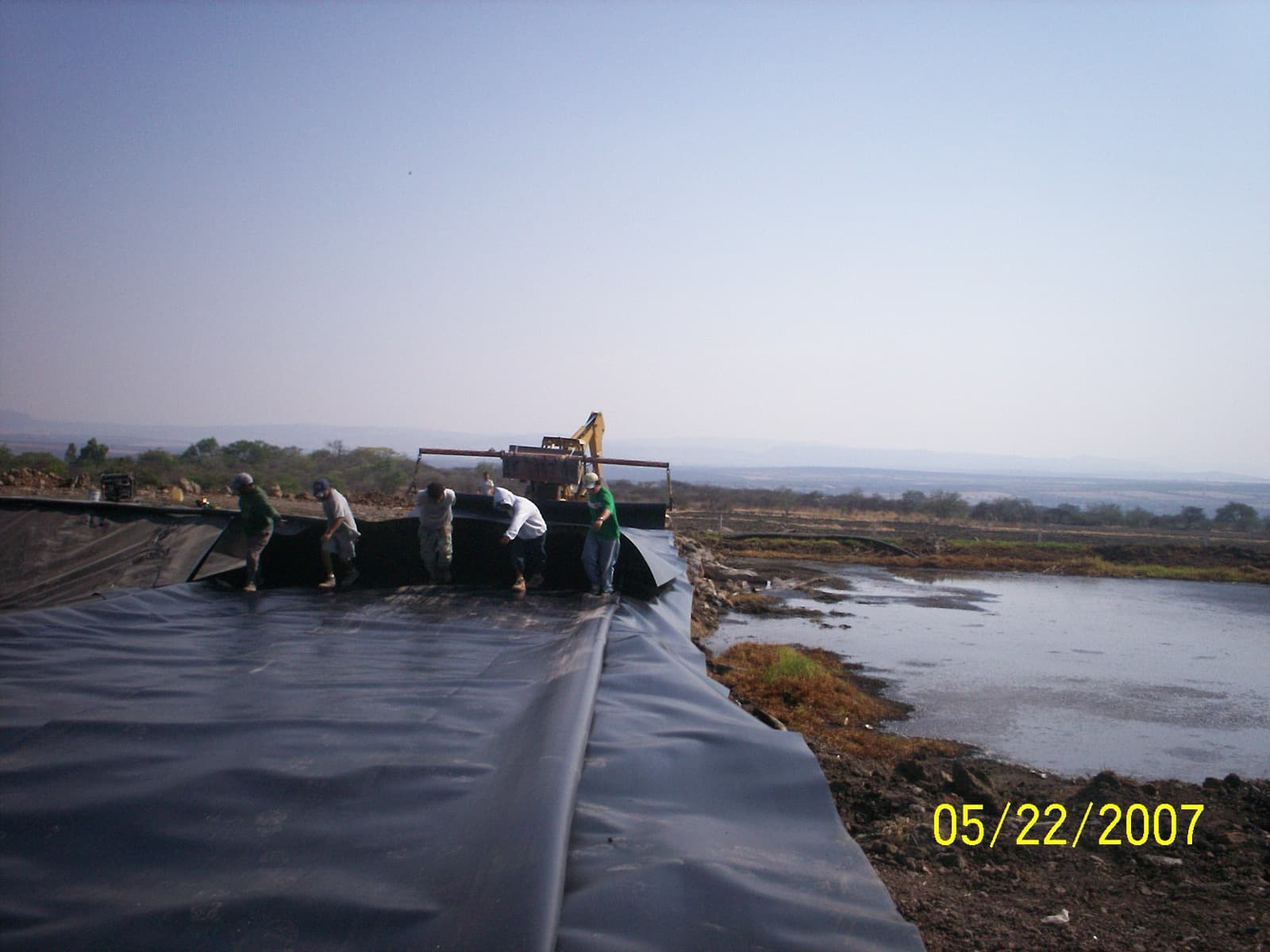
Reinforced polypropylene (RPP) is a geomembrane material that does not get the attention it deserves. While HDPE dominates containment applications and LLDPE handles flexible lining needs, RPP occupies a distinct niche where its unique combination of properties, UV stability, chemical resistance, flexibility, low weight, and field weldability, makes it the superior choice. Understanding when to specify RPP over the more familiar polyethylene materials can save project cost and deliver better long-term performance.
What Is RPP?
RPP is a composite geomembrane consisting of polypropylene coating on both sides of a polyester scrim reinforcement. The scrim provides tensile strength and dimensional stability, while the polypropylene coating provides chemical resistance and waterproofing. Standard RPP is manufactured in thicknesses from 30 mil to 45 mil, with the reinforcement scrim accounting for much of the material's strength. Unlike HDPE, which relies on material thickness for strength, RPP derives its mechanical properties primarily from the embedded fabric, this is why a 36-mil RPP can match or exceed the puncture and tear resistance of a 60-mil HDPE.
Where RPP Outperforms HDPE and LLDPE
- Exposed applications: RPP has superior UV resistance and does not require burial or ballast for long-term performance, critical for floating covers, canal linings, and decorative features
- Lightweight installations: At roughly half the weight of equivalent HDPE, RPP is easier to handle on steep slopes, in confined spaces, and at remote sites with limited equipment access
- Aquaculture: RPP is non-toxic, fish-safe, and resists algae adhesion better than polyethylene materials, widely used in shrimp ponds, fish raceways, and hatchery liners
- Decorative and architectural water features: RPP's flexibility allows it to conform to irregular shapes without the wrinkling and bridging issues common with HDPE
- Cold-weather installations: RPP remains flexible at temperatures well below freezing, while HDPE becomes stiff and crack-prone below 40°F
Chemical Resistance Profile
Polypropylene offers broad chemical resistance comparable to HDPE for most common exposures. It handles acids, bases, salts, and most organic compounds without degradation. Where RPP differs from HDPE is in its resistance to oxidizing chemicals and certain chlorinated solvents, polypropylene performs better with oxidizers like sodium hypochlorite (bleach) and hydrogen peroxide, making it a preferred liner material for water treatment and disinfection applications. However, RPP has lower resistance to aromatic hydrocarbons and concentrated sulfuric acid compared to HDPE. Chemical compatibility testing per EPA Method 9090 is recommended for any non-standard exposure.
Aquaculture Applications
The aquaculture industry has adopted RPP as a preferred liner material for pond and raceway construction. RPP meets NSF/ANSI 61 standards for contact with potable water and does not leach plasticizers or stabilizers that can harm aquatic organisms. Its smooth surface resists biofilm and algae buildup, reducing cleaning frequency and improving water quality. In shrimp farming, where pond liners are exposed to tropical UV, brackish water, and frequent draining and refilling, RPP delivers 15 to 20 year service life versus 8 to 12 years for LLDPE under the same conditions. The reinforced structure also resists damage from harvesting equipment and foot traffic better than unreinforced polyethylene liners.
Installation and Welding
RPP is welded in the field using hot-air welding equipment, which differs from the hot-wedge and extrusion welding used for polyethylene materials. Hot-air welders are lighter, more portable, and faster for small to medium projects. Seam strength in RPP systems typically exceeds the parent material strength when properly welded, because the weld bonds the polypropylene coating while the scrim reinforcement bridges the seam. RPP panels can also be prefabricated in the factory into large sections, reducing field seaming and installation time. On projects with complex geometries, multiple penetrations, irregular shapes, corners, and sumps, RPP's prefabrication capability and ease of field modification provide significant advantages over HDPE.
Limitations to Consider
- Not suitable for high-temperature applications above 180°F, polypropylene softens at lower temperatures than HDPE
- Lower puncture resistance under sustained point loads compared to thick HDPE (60-mil or 80-mil) in buried applications
- Higher material cost per square foot than HDPE or LLDPE in equivalent applications, though lower installation cost often offsets this
- Limited availability of thick sections, RPP maxes out around 45 mil versus 100+ mil for HDPE
- Fewer qualified installers compared to HDPE, not every geosynthetic contractor has hot-air welding capability and RPP experience
Making the Right Material Decision
RPP is not a replacement for HDPE or LLDPE in every application. It is a specialized material that excels in exposed, lightweight, UV-critical, and aquatic applications where polyethylene materials fall short. EFI USA specifies RPP on projects where the application demands it, decorative water features, aquaculture facilities, exposed canal linings, and containment systems where long-term UV exposure is unavoidable. The key is matching the material to the specific chemical, mechanical, and environmental demands of each project rather than defaulting to HDPE because it is familiar.