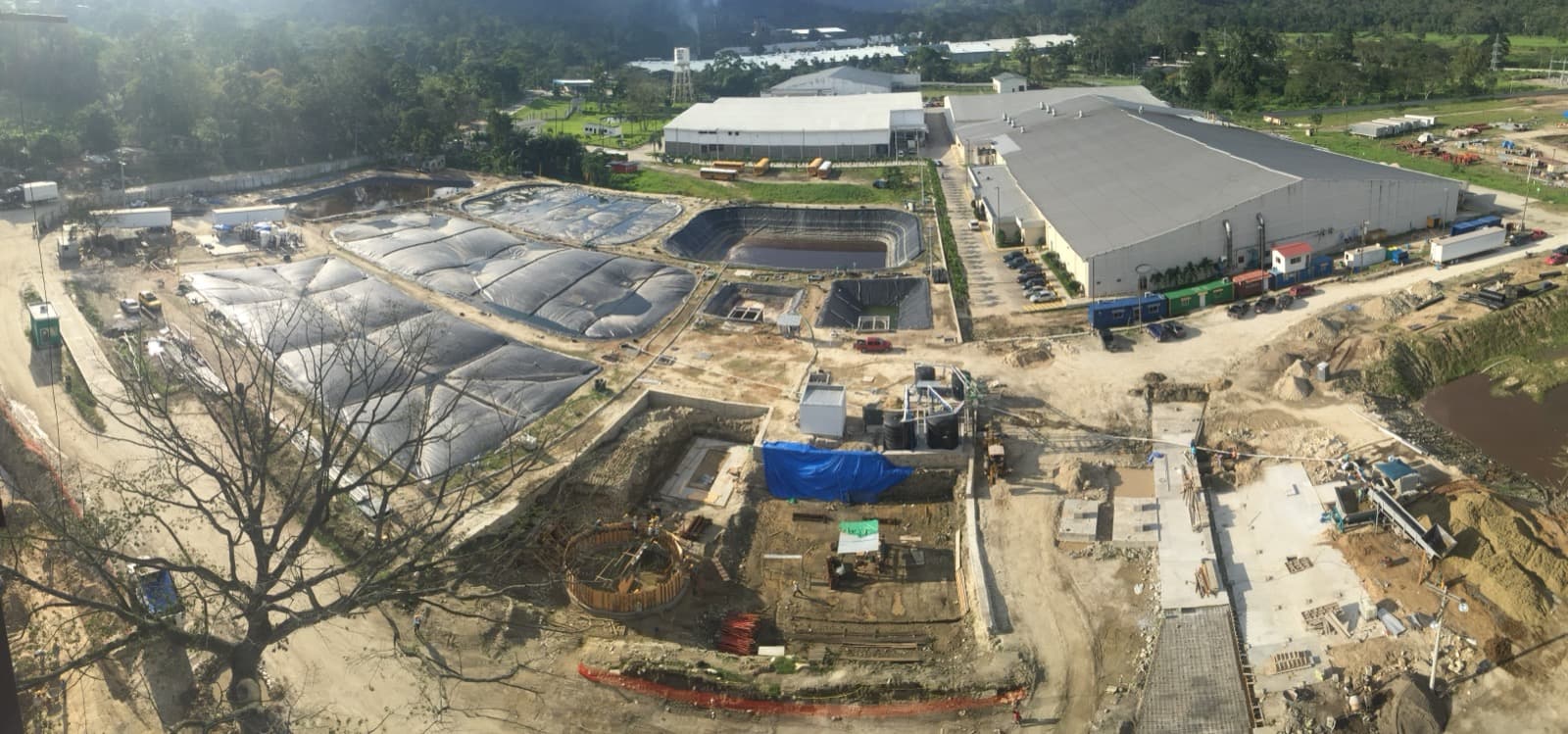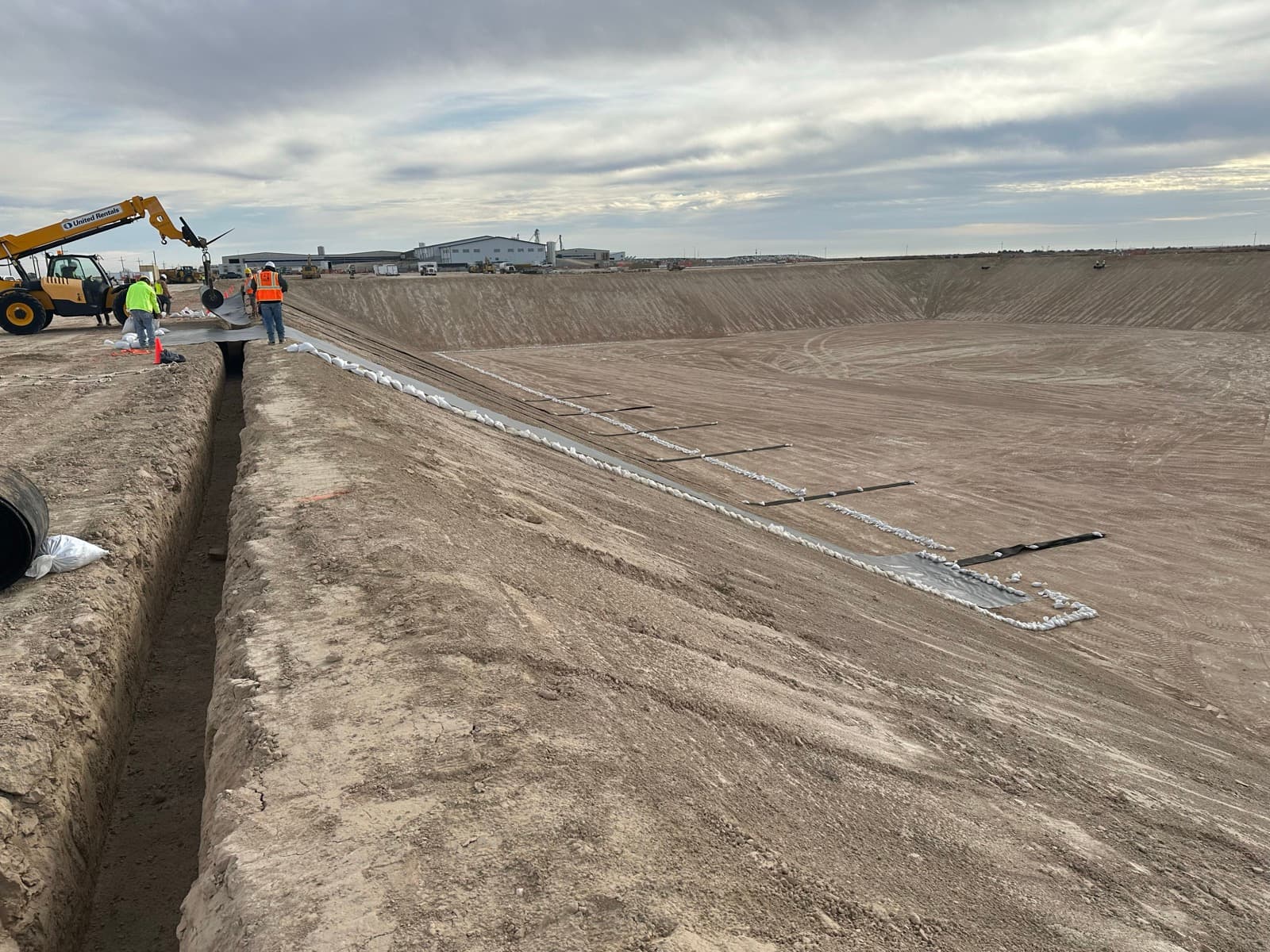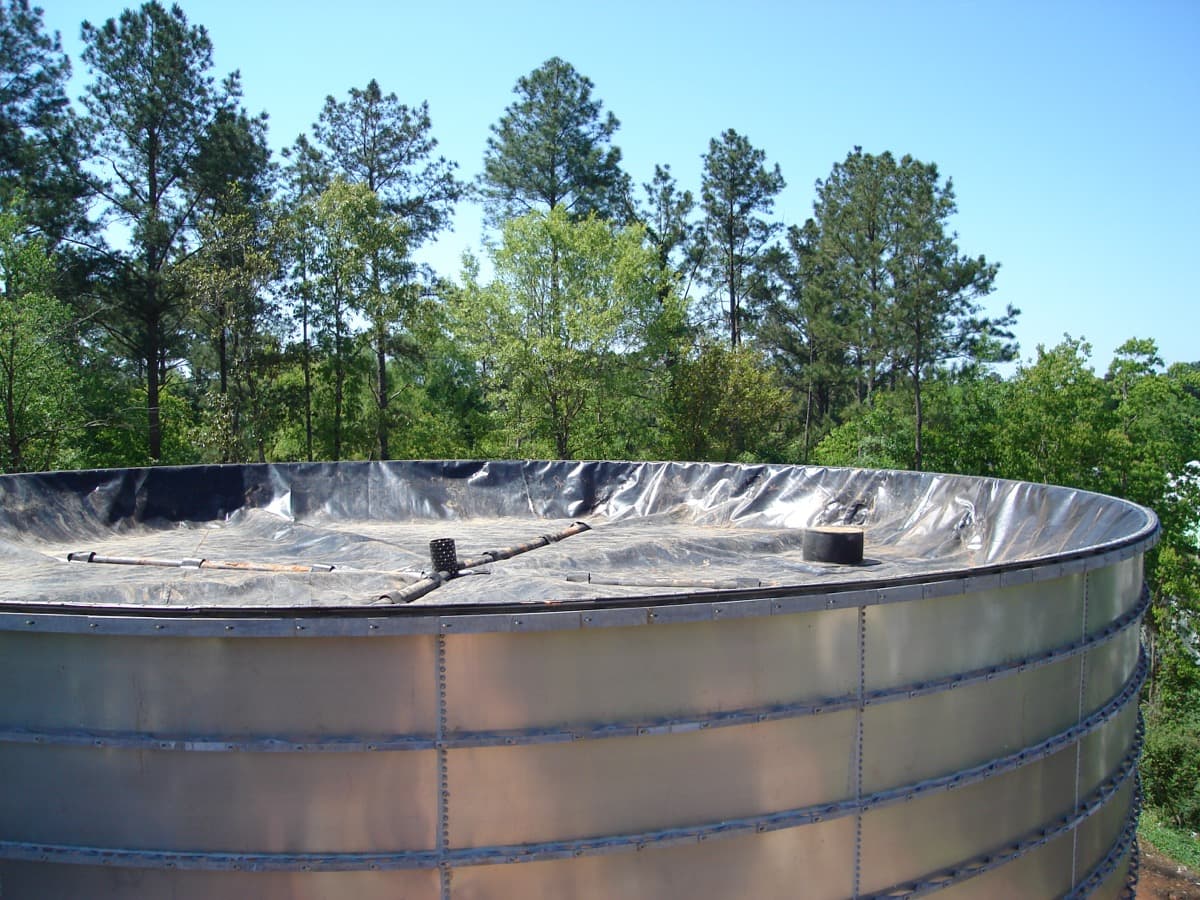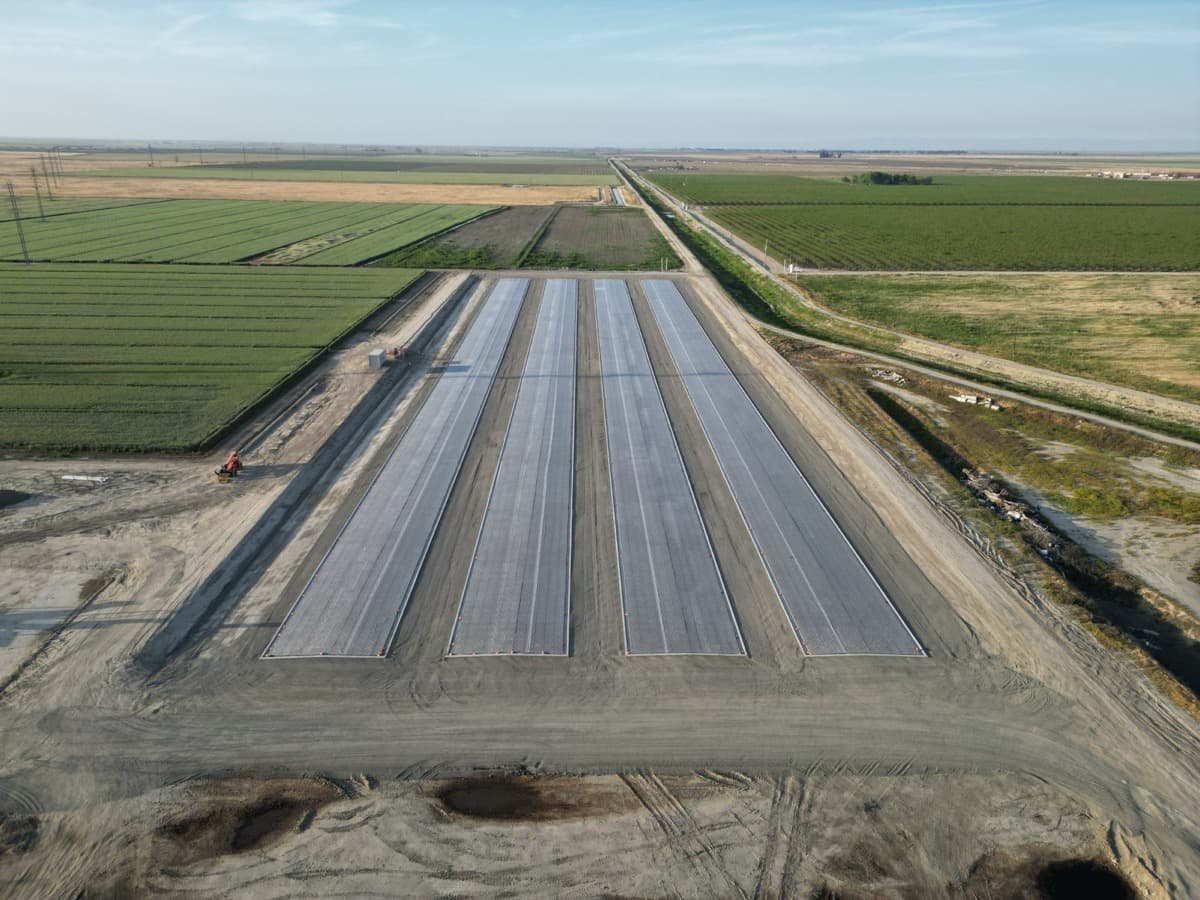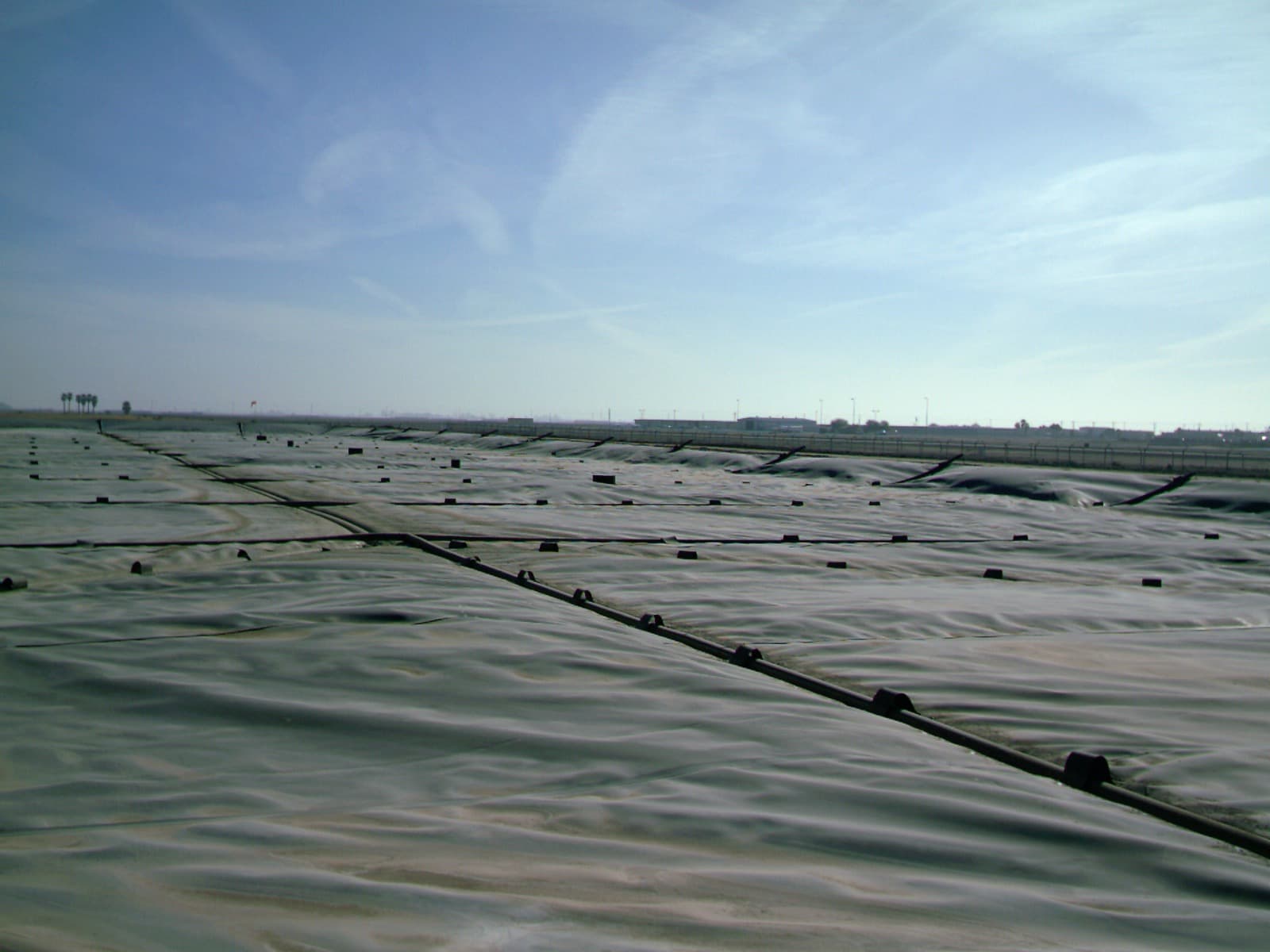
When people think about biogas and methane capture, they picture dairy farms. But the fastest-growing segment of EFI's project pipeline is not dairy -- it is food processing. JBS, Tyson Foods, Pilgrims Pride, Darling Ingredients, and Smithfield are deploying covered lagoon systems and methane management infrastructure across their processing facility networks at an accelerating pace. Across EFI's 2025-2026 pipeline, food processor projects account for 27+ installations spanning new covers, cover replacements, air injection systems, liner repairs, and gas collection upgrades.
Why Food Processors Are Moving Now
Three forces are converging to drive food processor adoption of covered lagoon and methane management systems. First, EPA's NSPS OOOOb regulations are extending methane management requirements to categories that include large food processing wastewater lagoons. Processors with uncovered lagoons face increasing regulatory scrutiny and potential enforcement action. Second, publicly traded food companies face ESG reporting pressure from investors, customers, and retailers who expect measurable emission reductions across supply chains. Covering a wastewater lagoon and destroying the methane provides quantifiable, verifiable emission reductions that can be reported in sustainability disclosures.
Third, the economics work at food processing scale. A large meat processing facility generates wastewater volumes and organic loading that produce substantial biogas from existing lagoon systems. The methane is already being generated -- it is just venting to the atmosphere. Capturing and destroying it generates carbon credits, reduces odor complaints (a significant operational issue for many processing facilities), and converts a regulatory liability into a managed asset.
JBS: Multi-Facility National Deployment
JBS, the world's largest meat processor, represents EFI's deepest food processing relationship. The company's US facilities include beef, pork, and poultry processing operations across multiple states, each with wastewater lagoon systems that generate significant biogas. EFI's project portfolio with JBS includes the Greeley, Colorado air injection system for H2S management on existing covered lagoons, the Souderton, Pennsylvania flare installation for methane destruction, and the Cactus, Texas cover repair and maintenance program.
The JBS relationship illustrates how food processor engagement typically evolves. The initial project addresses an immediate need -- a failing cover, a regulatory compliance issue, or an odor complaint. Once that project demonstrates EFI's capability and the technology's value, the processor expands to additional facilities. JBS has moved from a single-facility engagement to a multi-site, multi-state program that EFI manages as an ongoing infrastructure partnership rather than a series of discrete construction projects.
Tyson Foods: Cover Replacements and New Installations
Tyson Foods operates processing facilities that span poultry, beef, and prepared foods across the eastern and central United States. EFI's Tyson project portfolio spans five facilities: Storm Lake, Iowa (cover replacement on an existing lagoon system), Carthage, Mississippi (new cover installation), Holcomb, Kansas (liner project), Logansport, Indiana, and Blountsville, Alabama.
The Storm Lake cover replacement is particularly instructive. The original cover had reached the end of its service life after years of operation, and Tyson chose to replace rather than decommission the system. This decision -- investing in a replacement cover on an aging system -- indicates that the technology proved its value during the original cover's operating life. Operators who viewed the original installation as an experiment do not invest in replacements. Operators who saw measurable benefits in odor control, regulatory compliance, and operational stability do.
Pilgrims Pride: Poultry Processing at Scale
Pilgrims Pride, one of the largest poultry processors in the US, has engaged EFI across four facilities: Douglas, Georgia (permeable cover installation), Sanford, North Carolina (sludge lines and cover replacement), Live Oak, Florida, and Staley, North Carolina. The Pilgrims portfolio demonstrates the range of services food processors require beyond initial cover installation.
The Douglas permeable cover project is notable because it uses a permeable (breathable) cover rather than an impermeable gas-tight cover. Permeable covers are used on lagoons where the primary objective is odor control rather than gas capture. The cover prevents volatile compounds from reaching the atmosphere while allowing some gas exchange. For facilities where carbon credit generation is not the primary driver but odor management is critical, permeable covers provide a lower-cost solution.
The Sanford project addresses sludge management -- a challenge that intensifies over time in covered lagoon systems. Sludge accumulation reduces effective lagoon volume, displaces treatment capacity, and can obstruct gas collection systems. EFI's sludge line installations provide infrastructure for controlled sludge removal without compromising cover integrity or requiring system shutdown.
Darling Ingredients: Rendering and Processing
Darling Ingredients operates rendering and processing facilities that handle animal byproducts from meat processing operations. The wastewater from rendering is among the highest-strength organic waste streams in the food industry, generating substantial biogas in lagoon systems. EFI's Darling projects include Jackson, Mississippi operations, Dublin cover demolition (decommissioning a legacy system), and Sioux City, Iowa repairs.
The Dublin cover demolition is worth noting because it represents the end-of-life phase of a covered lagoon system. Covers do not last forever -- typical service life is 15-25 years depending on material, climate, and maintenance. When a cover reaches end of life, the operator decides whether to replace it (continuing gas capture operations) or demolish it (returning to an open lagoon). EFI provides both services, and the choice often depends on whether carbon credit economics or regulatory requirements justify the replacement investment.
Food Processing Wastewater vs. Agricultural Manure
Food processing wastewater differs from dairy or swine manure in ways that affect system design. Processing wastewater typically has lower total solids but higher soluble BOD, creating different anaerobic digestion kinetics. Temperature is more variable -- hot wash-down water from processing lines can raise lagoon temperatures and accelerate biogas production. Flow rates are more variable, with peak flows during processing shifts and minimal flow during weekends or shutdowns. Chemical constituents -- cleaning agents, sanitizers, rendering chemicals -- can affect biological treatment processes.
- Higher soluble BOD loading creates faster biogas production per unit volume compared to manure systems
- Variable flow rates require cover designs that accommodate water level fluctuations without stressing the membrane
- Chemical constituents from cleaning and processing operations require material selections resistant to specific agents
- Higher temperatures from hot process water accelerate anaerobic digestion but also increase material stress on covers and piping
- Fats, oils, and grease (FOG) from meat processing create scum layers that require specialized gas collection design
The Repeat Business Model
The most significant pattern in EFI's food processing pipeline is the repeat business model. Every major processor relationship started with a single facility and expanded to multiple sites. JBS went from one facility to four. Tyson expanded to five. Pilgrims is at four and growing. Darling has three active projects. This expansion pattern reflects both the technology's proven value and the efficiency of working with a single engineering partner who understands the processor's operations, specifications, and procurement processes.
For EFI, repeat food processing business has structural advantages over new dairy client development. Procurement cycles are shorter because the corporate relationship is already established. Engineering design is faster because facility wastewater characteristics are similar across a processor's network. Construction coordination is more efficient because EFI's team already understands the processor's site access, safety, and scheduling requirements. The result is lower per-project costs and faster deployment timelines as the relationship matures.
“The food processors are not experimenting. They are rolling out a proven technology across their entire facility network because they have seen it work at the first site. When JBS calls us about their fourth facility, they are not asking if covered lagoons work. They are asking how fast we can build the next one.”
-- EFI USA