Food processing is one of the largest industrial sources of high-strength organic wastewater in the United States. Meat packing plants, dairy processors, breweries, fruit and vegetable canneries, and snack food manufacturers all produce wastewater with biochemical oxygen demand (BOD) concentrations 10 to 100 times higher than municipal sewage. Discharging this wastewater to a publicly owned treatment works (POTW) without pretreatment incurs surcharges that can reach hundreds of thousands of dollars per year. Discharging directly to surface water without adequate treatment violates the Clean Water Act.
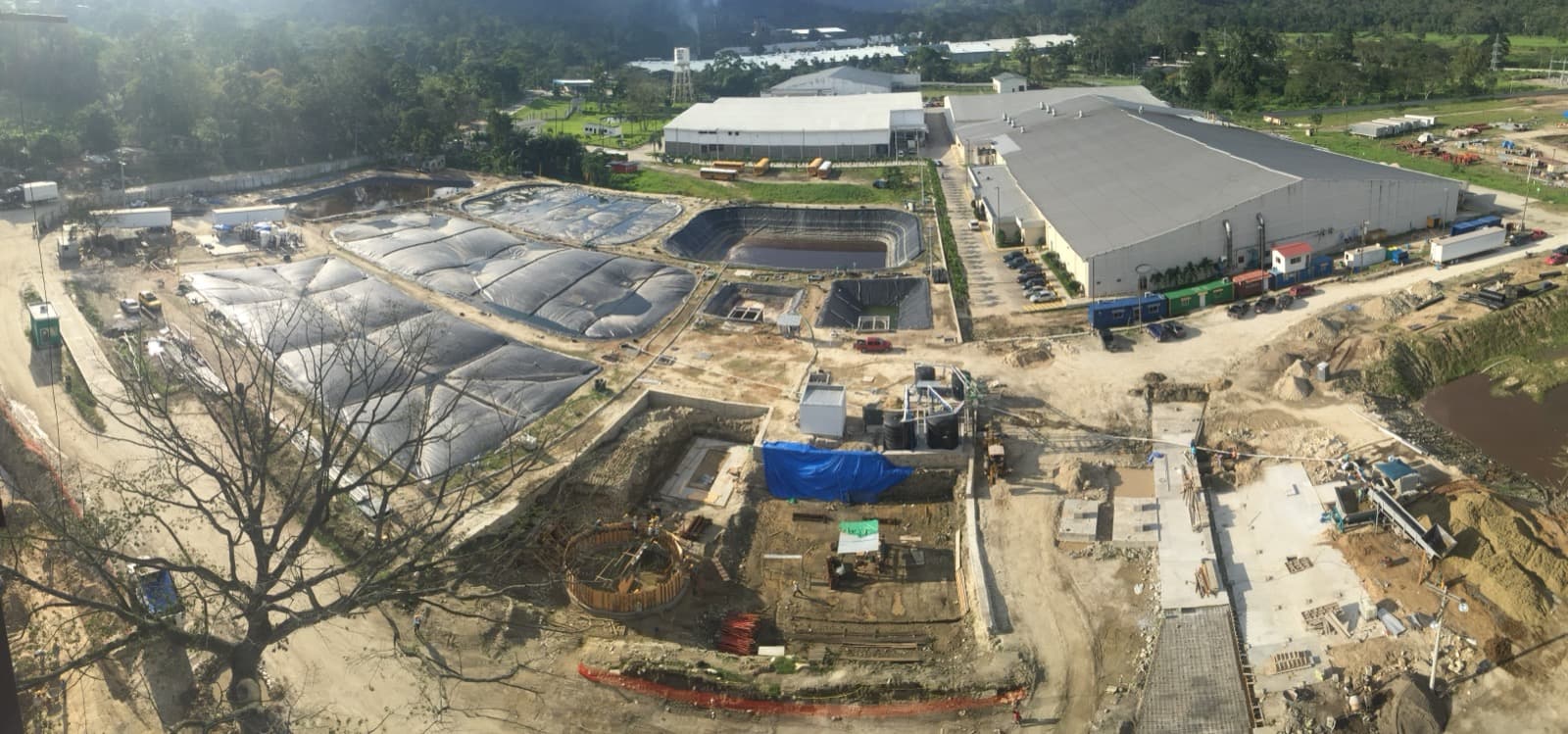
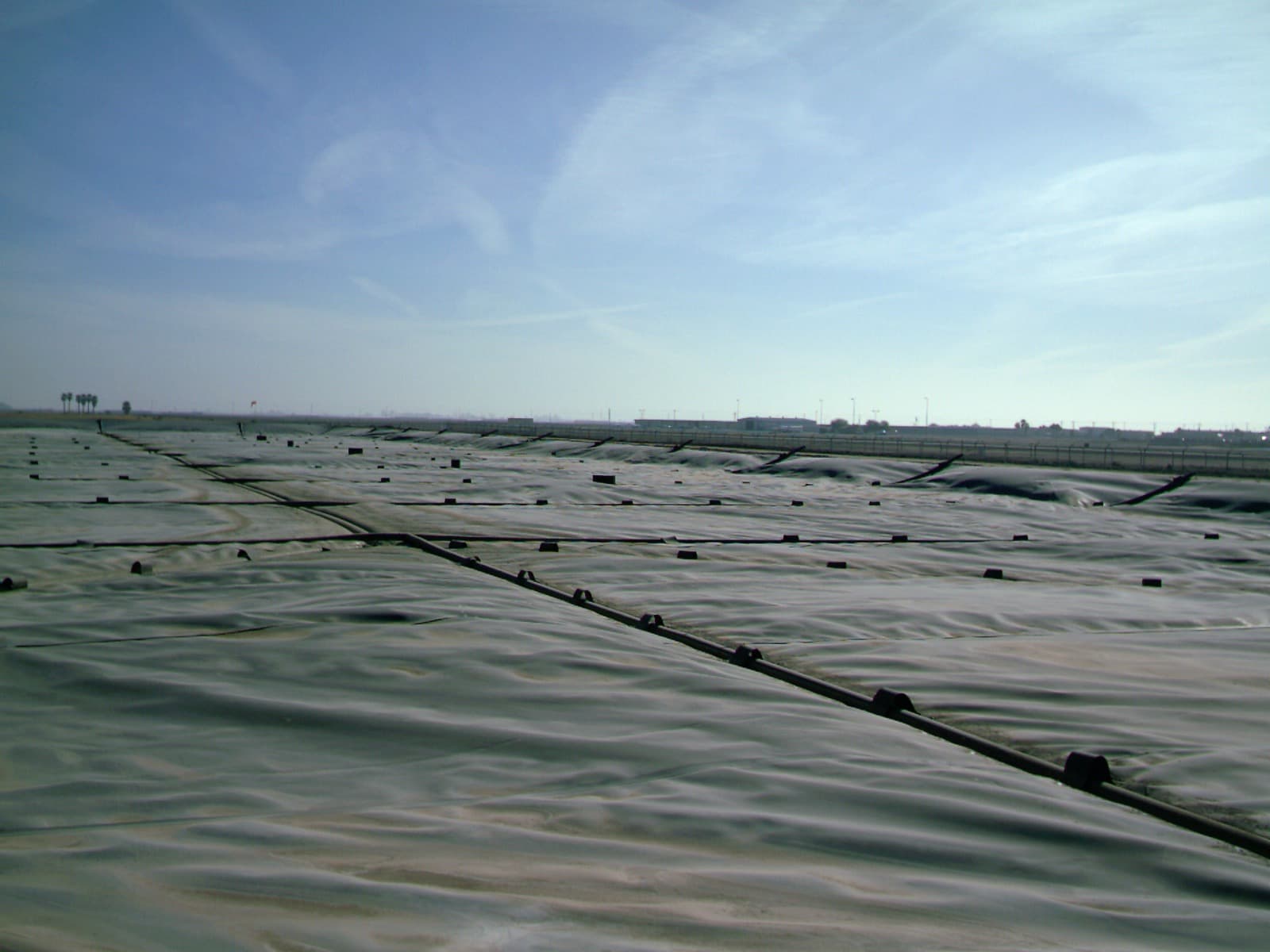
Covered lagoon digesters offer food processors an elegant solution: the high organic content that makes the wastewater problematic also makes it an excellent feedstock for anaerobic digestion. A properly designed covered lagoon system reduces BOD by 70-90%, captures the biogas produced during digestion, eliminates the odor problems associated with open lagoons, and produces an effluent that either meets POTW discharge limits or can be polished to direct discharge quality with modest additional treatment.
Wastewater Characteristics by Industry
- Meat and poultry processing: BOD 1,000-5,000 mg/L, high fats/oils/grease (FOG), blood and protein waste, significant suspended solids. Requires FOG removal pretreatment.
- Dairy processing: BOD 2,000-8,000 mg/L, high lactose content, variable pH from cleaning chemicals. CIP (clean-in-place) wastewater causes significant pH and load spikes.
- Brewery and distillery: BOD 3,000-15,000 mg/L, high carbohydrate content, generally low suspended solids. Excellent anaerobic digestion feedstock with high biogas yields.
- Fruit and vegetable processing: BOD 1,000-10,000 mg/L, seasonal flow variations, high solids from peel and trim waste. Solids separation is critical for lagoon-based treatment.
- Snack food and bakery: BOD 2,000-6,000 mg/L, high starch and sugar content, significant FOG from frying operations. Pre-screening for solids is essential.
Pretreatment Requirements
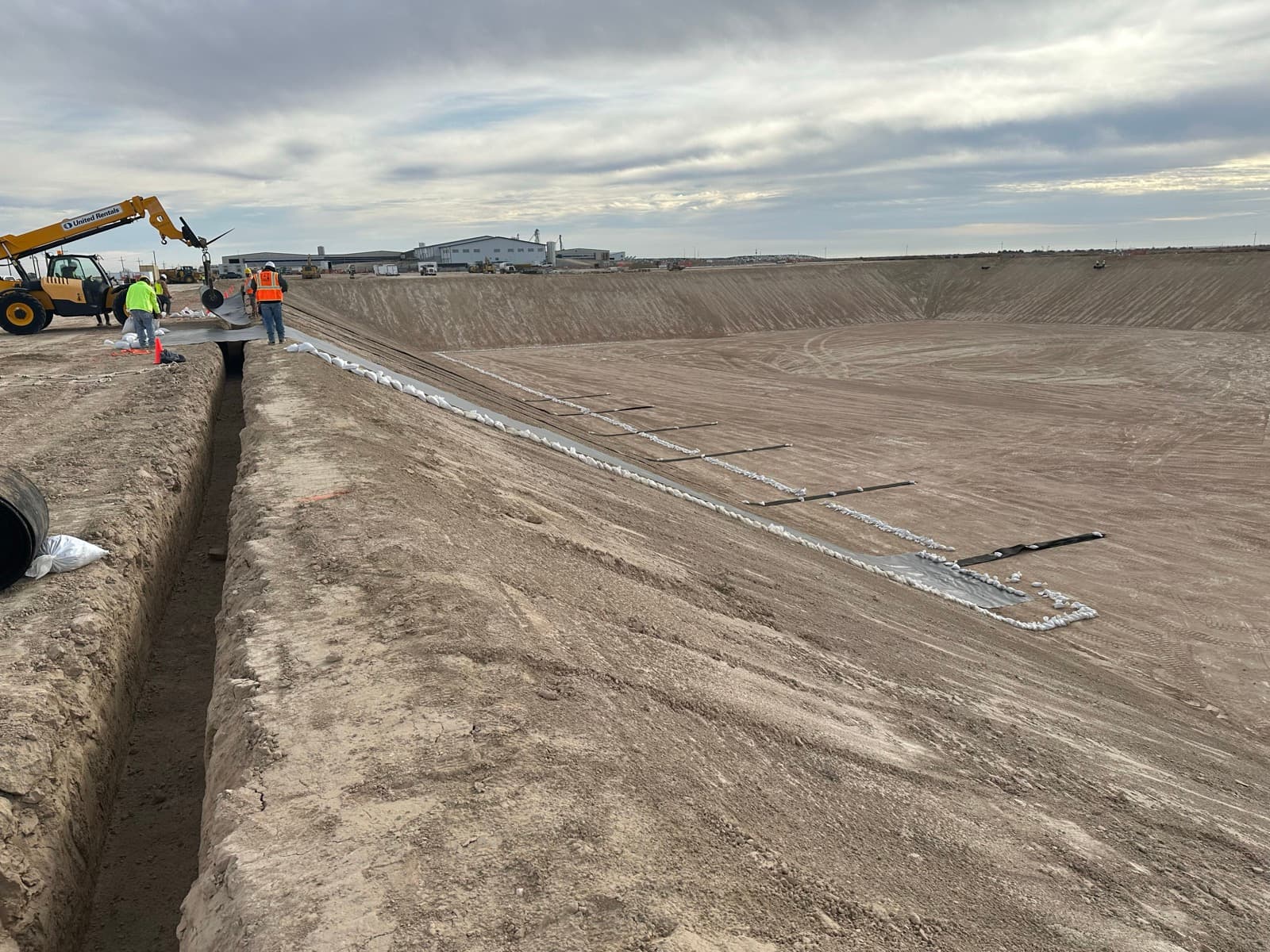
Food processing wastewater typically requires pretreatment before entering a covered lagoon digester. The goal of pretreatment is to remove materials that could damage the lagoon liner, clog the gas collection system, or inhibit anaerobic digestion.
- Screening: Remove large solids (bone, plastic, packaging material) with coarse screens (1/4 to 1/2 inch openings) and fine screens (0.02 to 0.06 inch openings).
- FOG removal: Dissolved air flotation (DAF) or gravity grease interceptors remove fats, oils, and grease that form scum layers on the lagoon surface and interfere with cover operation.
- Equalization: Flow and load equalization tanks buffer the spikes from CIP cycles, shift changes, and production variations. A 12-24 hour equalization volume is typical.
- pH adjustment: Neutralize acidic or alkaline waste streams to pH 6.5-8.0 before entering the lagoon. Extreme pH kills the anaerobic microbial population.
Covered Lagoon Design for Food Processing
The design of a covered lagoon for food processing wastewater differs from dairy applications in several important ways. Food processing wastewater is typically warmer (80-110F from hot water cleaning), has higher organic concentration, and is more variable in flow and composition. These characteristics affect lagoon sizing, liner selection, and cover design.
Lagoon sizing for food processing is typically BOD-based rather than flow-based. The organic loading rate should not exceed 5-10 lb BOD per 1,000 cubic feet per day for reliable treatment. At higher loading rates, the lagoon becomes overloaded and treatment efficiency drops. Hydraulic retention time of 20-40 days is typical for food processing applications in warm climates, with longer retention required in cooler regions.
Biogas Production and Utilization
Food processing wastewater generates significantly more biogas per unit volume than dairy or swine manure due to its higher organic concentration and greater biodegradability. A food processing lagoon treating 100,000 gallons per day of wastewater at 5,000 mg/L BOD can produce 40,000-60,000 cubic feet of biogas per day -- enough to generate 300-500 kW of continuous electrical power or displace $200,000-$400,000 per year of natural gas.
For food processors, biogas utilization often makes economic sense because the facility already has significant thermal energy demand for cooking, cleaning, and pasteurization. Biogas can be burned directly in existing boilers with minor modifications, displacing purchased natural gas at retail rates. This direct thermal use avoids the capital cost and efficiency losses of electricity generation.
Odor Control Benefits
Open lagoons treating food processing wastewater are notorious odor sources. The combination of high organic loading, warm temperatures, and surface exposure creates ideal conditions for hydrogen sulfide and volatile organic compound emissions that generate complaints from neighbors and enforcement action from air quality agencies. Covering the lagoon with a geosynthetic membrane captures these gases and routes them to a flare or utilization system, effectively eliminating odor emissions from the lagoon surface.
For many food processors, odor control alone justifies the investment in a covered lagoon system. The cost of a cover system is typically a fraction of the cost of alternative odor control technologies like chemical dosing or biofilter systems, and the cover provides the additional benefits of biogas capture and improved treatment efficiency.
EFI USA designs and installs covered lagoon systems for food processing operations of all types and sizes. From small craft breweries to large meat processing plants, our systems are engineered for reliable wastewater treatment, biogas capture, and odor control. Contact us for a site-specific assessment.