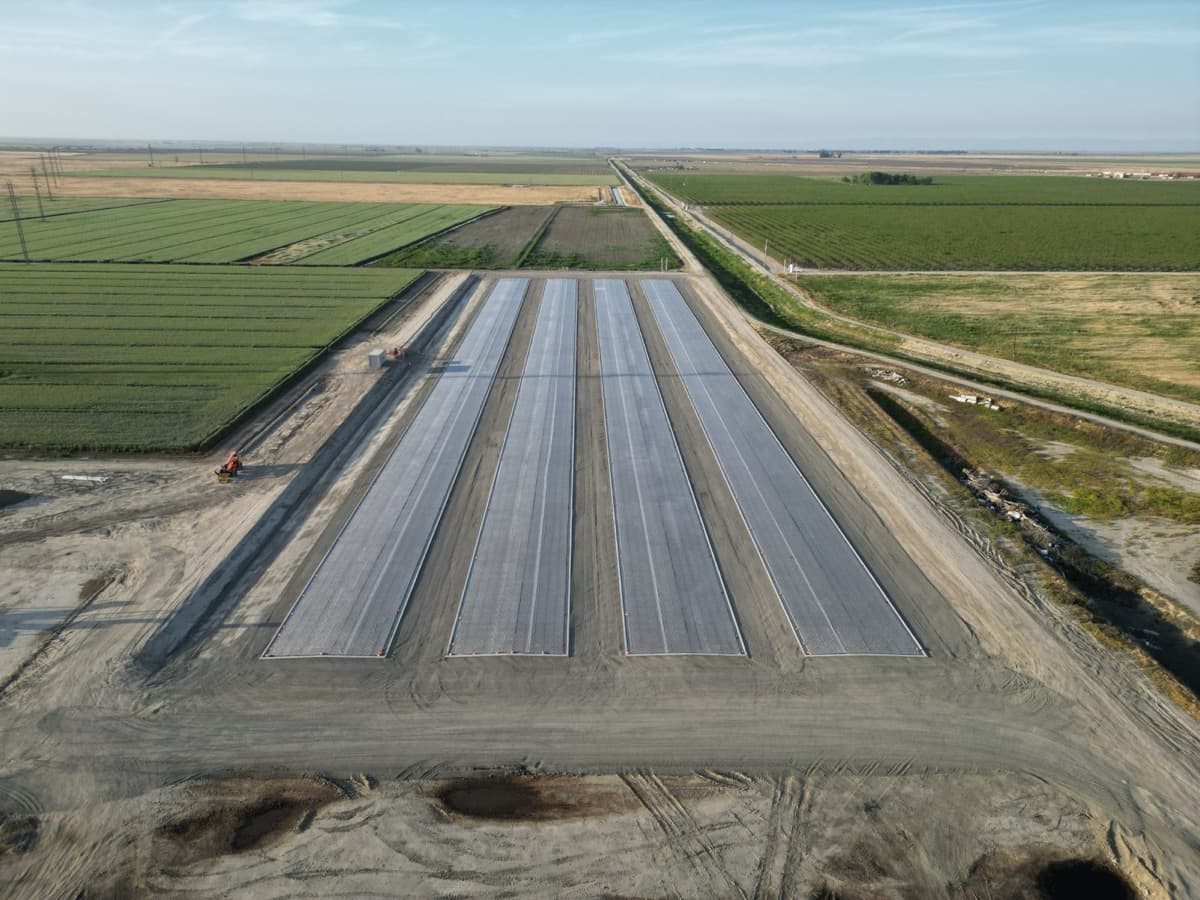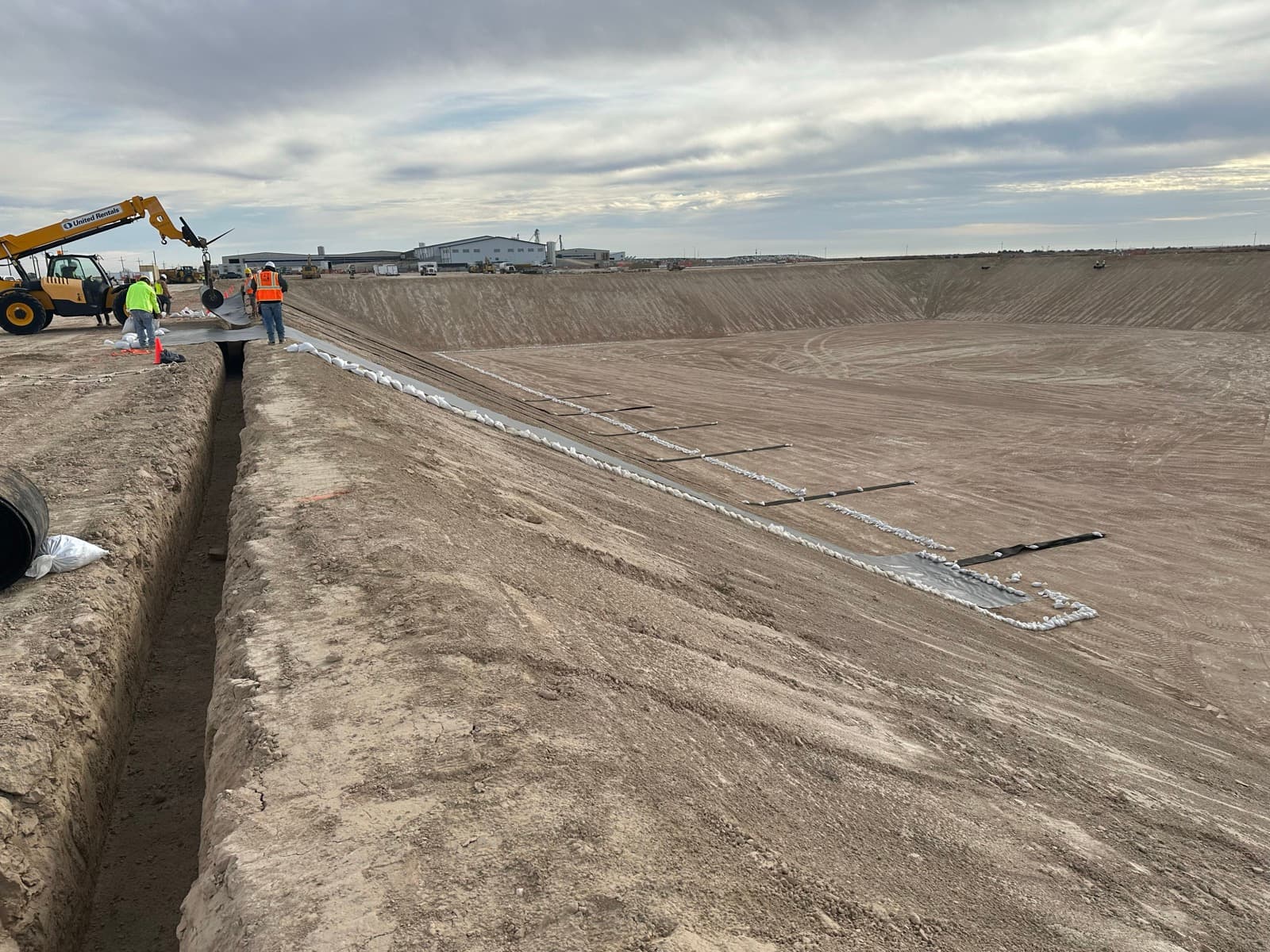
A 60 mil HDPE liner can meet the specification on paper and still create project risk if subgrade preparation, welding conditions, seam testing, and closeout documentation are not handled correctly in the field. Geosynthetic systems are built in real weather, on real soil, with crews, equipment, deliveries, staging constraints, and inspection requirements all moving at once.
That is why contractor qualification belongs before the RFQ, not after bid day. Material selection matters, but the installer turns that material into a containment system. For wastewater lagoons, secondary containment, floating covers, covered lagoon digesters, baffle curtain systems, and biogas collection work, the quality of field execution determines whether the design performs as intended.
Qualification Starts Before Price
The lowest number on bid day can be misleading when the scope is not clearly defined. A strong RFQ should separate material supply, subgrade acceptance, deployment, welding, destructive testing, nondestructive testing, anchor trench work, penetrations, details, safety requirements, and documentation. If those items are not explicit, different bidders may be pricing different projects.
Owners and engineers should ask each contractor to explain what is included, what is excluded, and where site conditions could change the work. This is not about making the bid process complicated. It is about identifying the contractor that understands the whole installation, not only the square footage of liner or cover material.
Experience Should Match the System
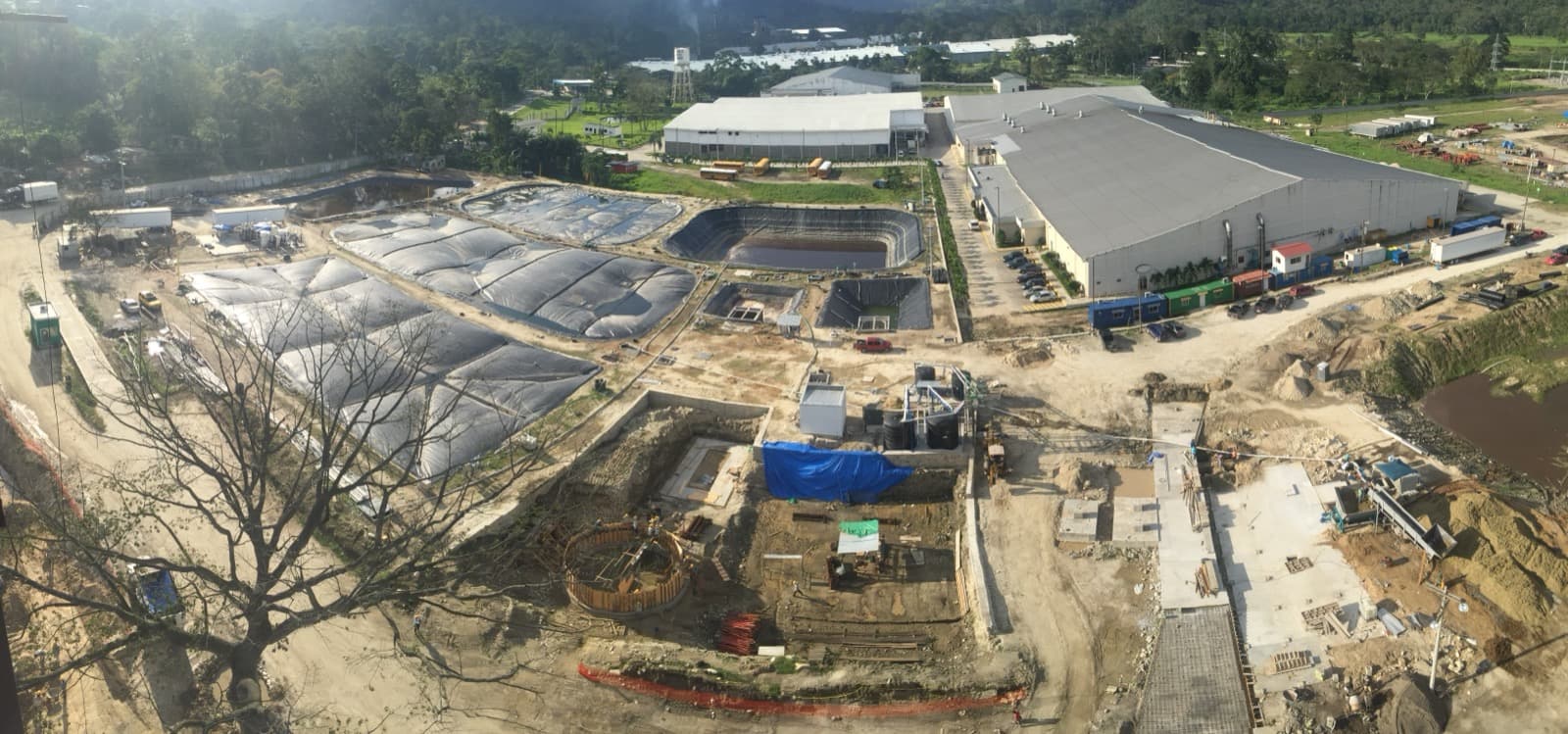
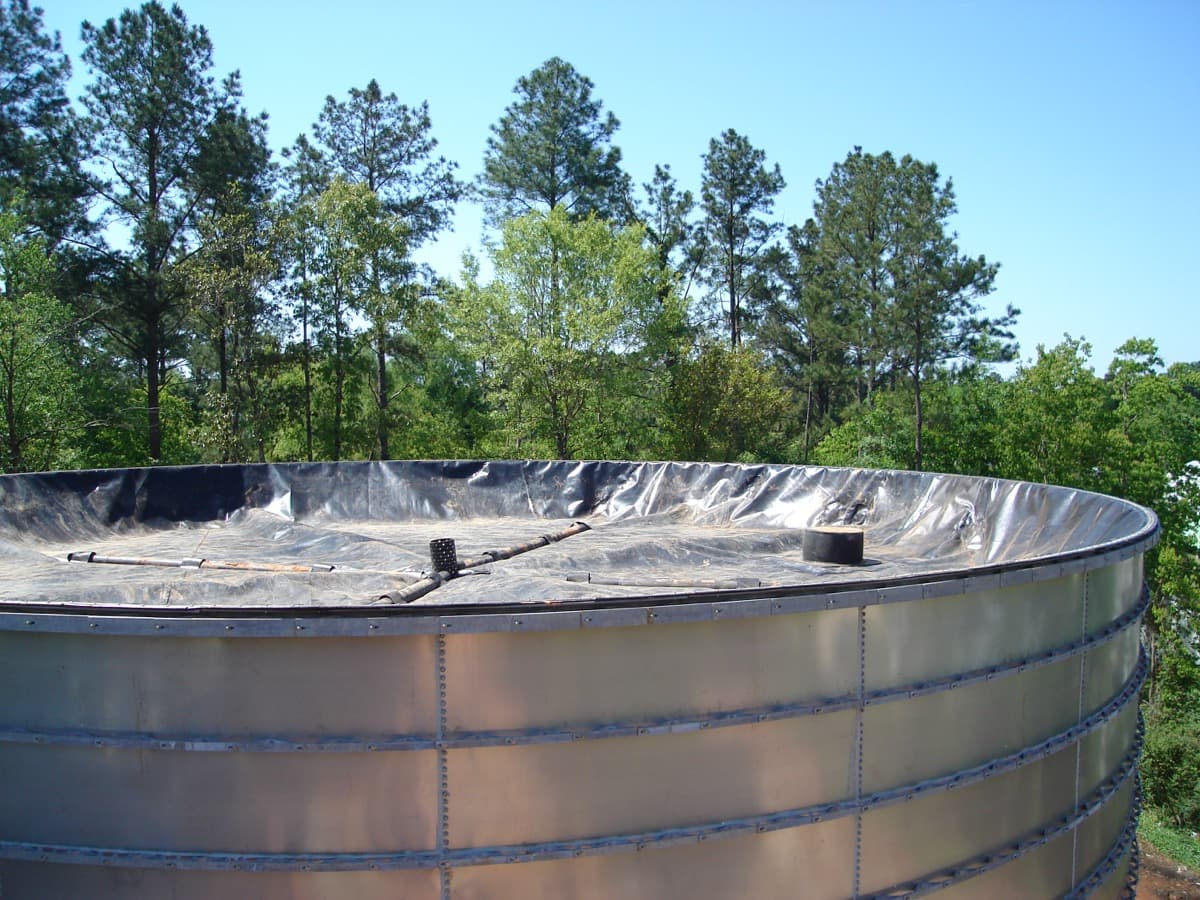
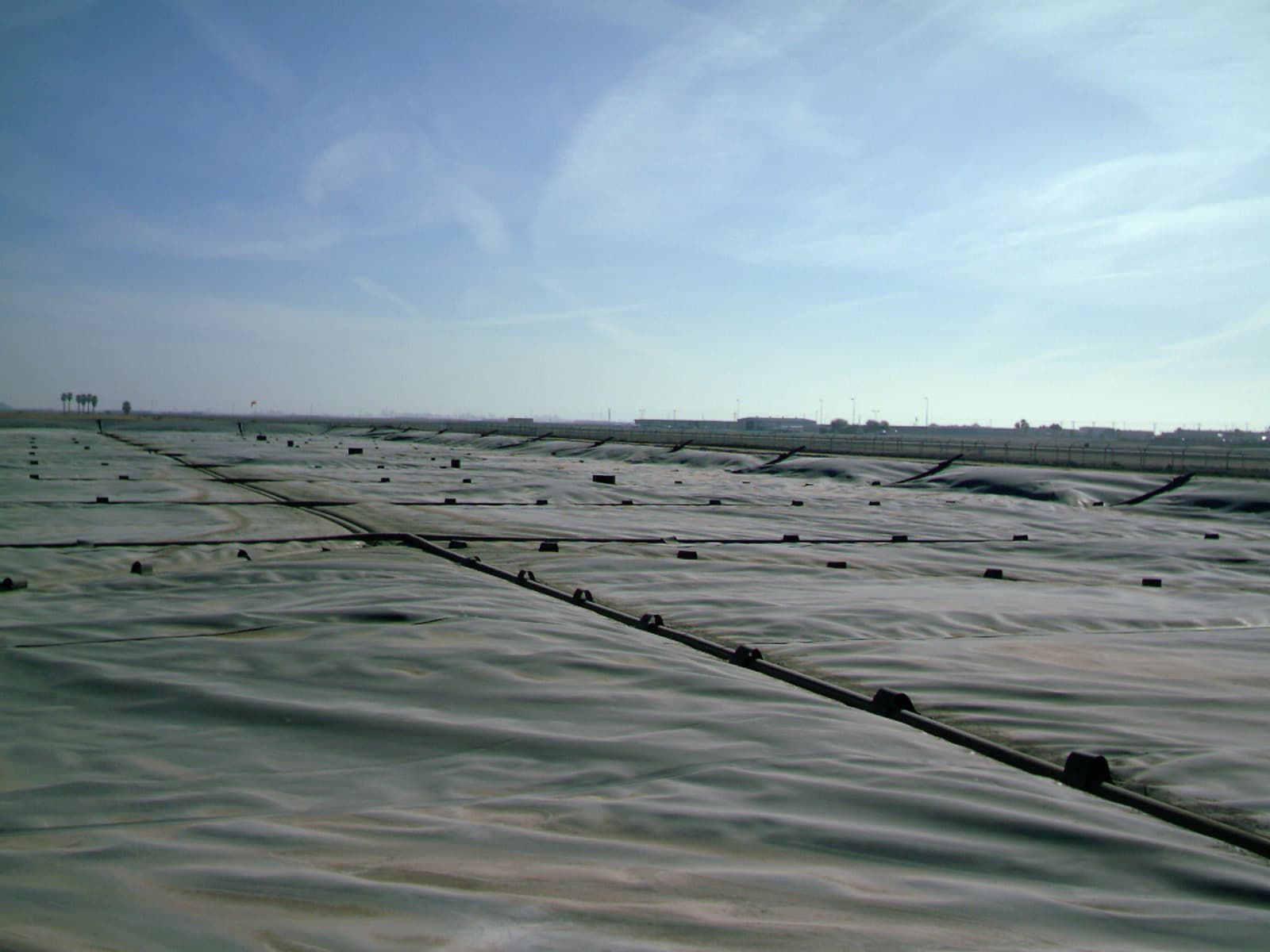
A geosynthetics contractor may be highly capable in one application and less experienced in another. Landfill liner work, industrial wastewater containment, agricultural lagoon covers, municipal lagoon rehabilitation, and covered lagoon digester construction all share technical foundations, but the details are different. Gas collection, ballast, penetrations, cover movement, condensate handling, and operational access can change the installation plan.
EFI was founded in 1993 and is headquartered in Gaston, South Carolina. The company has spent more than 30 years in geosynthetics across liners, floating covers, biogas and digester systems, oxygen injection and H2S removal, and covered lagoon systems. That range matters because many projects do not fit neatly into one category. A lagoon cover may also involve gas piping, flare integration, baffle curtains, penetrations, and liner repair work at the same site.
Field Quality Control Is the Work
Quality control should not be treated as paperwork at the end of the project. It starts with panel layout, roll handling, storage, subgrade inspection, trial welds, equipment calibration, weather monitoring, and clear responsibility between the contractor, the engineer, and the owner. Good field crews know when conditions are ready and when they are not.
The RFQ should ask how the contractor performs and records air pressure testing, vacuum box testing, spark testing where applicable, and destructive seam testing. It should also ask how failed tests are repaired, retested, and documented. The answer should be practical and specific. A contractor that can explain the test plan clearly is more likely to execute it consistently.
Site Conditions Decide Schedule Risk
Containment construction is sensitive to site conditions. Rain, wind, wet subgrade, traffic control, access roads, dewatering, staging areas, and existing operations can affect productivity more than the drawing set suggests. A contractor that has worked around active lagoons and operating facilities will look for those constraints early.
Before issuing an RFQ, owners should decide what information bidders need to price the work accurately. Useful details include survey data, lagoon dimensions, known subgrade conditions, existing liner records, pipe locations, access limitations, shutdown windows, discharge limits, and inspection requirements. The better the information, the more comparable the proposals.
Documentation Matters After the Crew Leaves
A liner or cover system is not finished when the last panel is welded. Owners need documentation that supports compliance, warranty review, future repairs, insurance questions, and eventual system modification. Closeout packages should include material certifications, panel layout drawings, test records, repair logs, as built details, and photographs where useful.
This is especially important for regulated facilities and long lived infrastructure. Wastewater treatment plants, industrial processors, farms, landfills, reservoirs, and municipal systems may all need to show how containment was installed and verified. A clean record can save time years later when a site is inspected, modified, or expanded.
Questions to Ask Before Award
- Has the contractor completed this type of liner, cover, or lagoon system before?
- Who will supervise the field crew, and what experience do they have?
- How will subgrade acceptance be handled before deployment begins?
- What weld testing methods will be used, and how will results be documented?
- How are penetrations, anchor trenches, repairs, and tie ins handled?
- What site conditions could affect price, schedule, or sequencing?
- What will the final closeout package include?
These questions do not replace engineering judgment, but they make the procurement process more useful. They also give serious contractors room to show how they think. EFI has built a large share of the covered lagoon systems installed in the United States, including 82 percent of the US covered lagoon market. That experience is not only about scale. It is about seeing enough site conditions to know where problems usually begin.
The Practical Test
A qualified geosynthetics contractor should be able to walk through the project before pricing it and identify the main risks in plain language. The conversation should cover constructability, field sequencing, quality control, safety, documentation, and how the system will operate after installation. If the discussion stays only at material thickness and square footage, the RFQ is probably missing important information.
For owners planning environmental containment work, the goal is not to make every proposal look the same. The goal is to make the differences clear. A good RFQ helps the owner compare contractors on experience, discipline, and execution, not only price. That is where reliable liner, cover, and lagoon projects start.