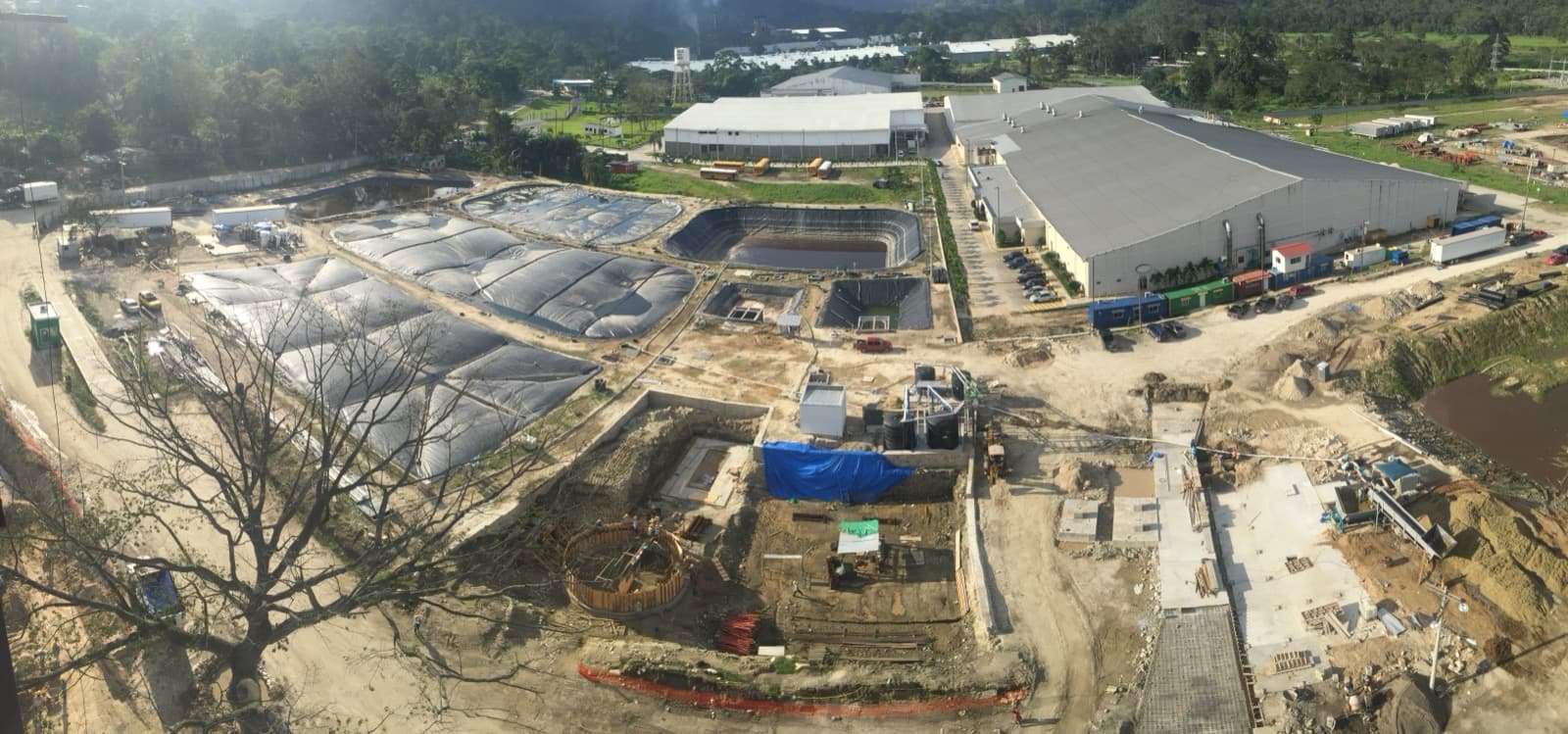
For decades, open wastewater lagoons were the standard approach for food processing facilities. They were simple, relatively inexpensive, and regulators largely left them alone. That era is over. Today, food processors from poultry integrators like Tyson and Perdue to beef and pork operations run by JBS and Smithfield are facing a convergence of regulatory, environmental, and community pressures that make the status quo untenable.
Tightening NPDES Permits and Discharge Limits
The National Pollutant Discharge Elimination System (NPDES) permitting process has grown significantly more demanding over the past five years. State environmental agencies are issuing permits with lower allowable limits for biochemical oxygen demand (BOD) and total suspended solids (TSS), reflecting updated water quality standards and increased scrutiny of industrial discharges. Facilities that once operated comfortably within their permit limits are now finding themselves at or above threshold levels, triggering additional monitoring requirements and, in some cases, enforcement actions.
The cost of non-compliance is steep. EPA penalty calculations for Clean Water Act violations can reach tens of thousands of dollars per day, and state agencies have shown increasing willingness to pursue formal enforcement. Beyond fines, permit violations can delay facility expansions, complicate insurance coverage, and damage relationships with local municipalities that control sewer access.
The Odor Problem: From Nuisance to Legal Liability
Open lagoons at food processing plants generate hydrogen sulfide, ammonia, and volatile organic compounds that carry for miles downwind. What was once treated as an unavoidable byproduct of the industry has become a genuine legal liability. Community members near processing facilities in states like Arkansas, Georgia, North Carolina, and Mississippi have organized around odor complaints, filing nuisance lawsuits and pressuring county commissioners to tighten local ordinances.
The landmark Smithfield Foods litigation in North Carolina set a precedent that the industry cannot ignore. Juries awarded hundreds of millions of dollars in damages to neighbors of hog operations, and while the circumstances differ from food processing wastewater, the legal framework applies broadly. Any facility with open lagoons near residential areas carries exposure that grows with every new housing development.
Methane Emissions: The Regulatory Frontier
Open wastewater lagoons are significant sources of methane, a greenhouse gas with over 80 times the warming potential of carbon dioxide over a 20-year period. The EPA's updated methane reporting requirements and the Inflation Reduction Act's Methane Emissions Reduction Program have put industrial methane sources under new scrutiny. While current enforcement focuses primarily on oil and gas operations, food processing wastewater is clearly within scope as regulatory frameworks mature.
- EPA Subpart TT reporting now captures methane from industrial wastewater treatment
- State-level methane reduction targets (California SB 1383, New York CLCPA) apply to all sectors
- Voluntary methane destruction generates carbon credits under multiple registries
- Corporate sustainability commitments from major food companies are pushing supply-chain-wide emissions reductions
How Covered Lagoon Systems Solve Multiple Problems at Once
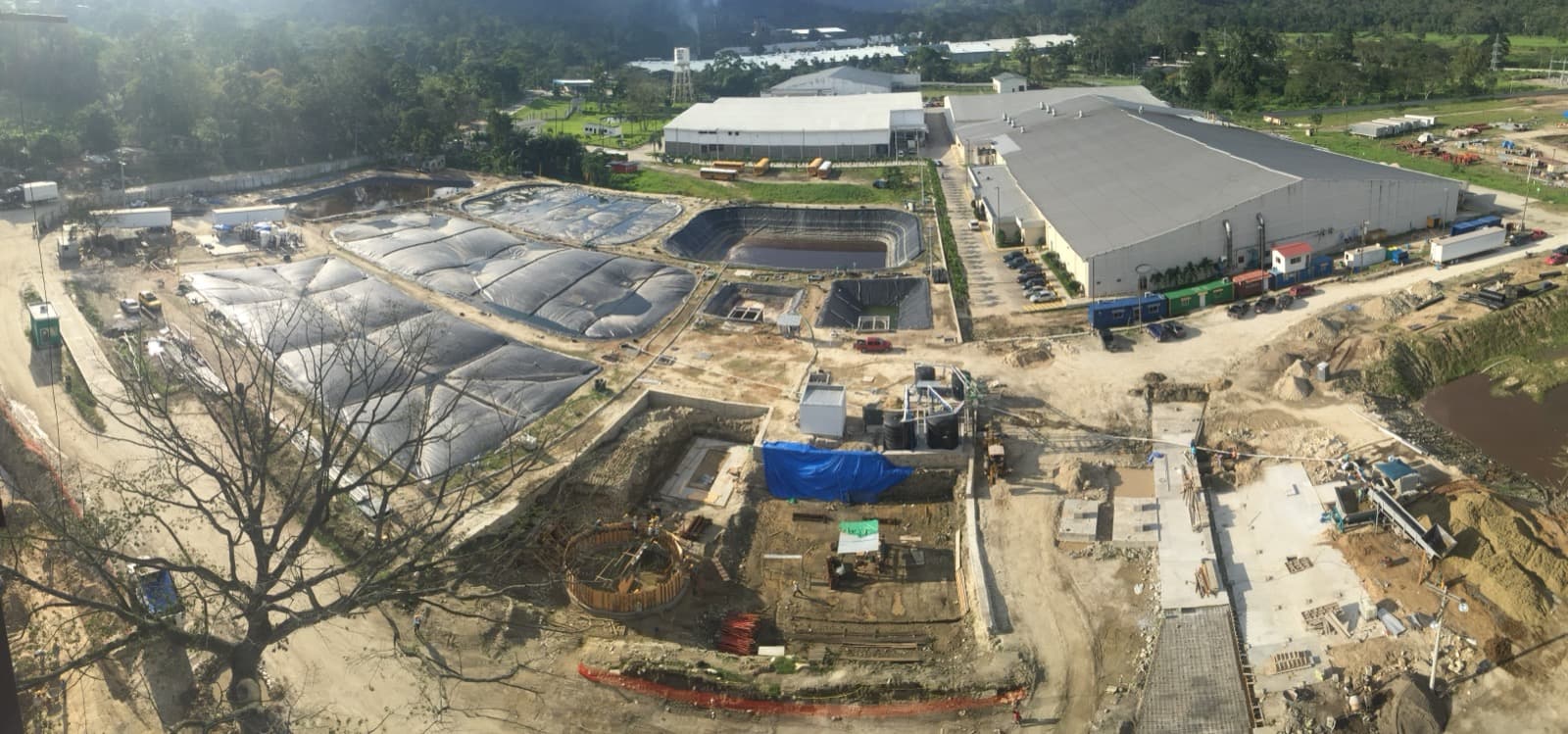
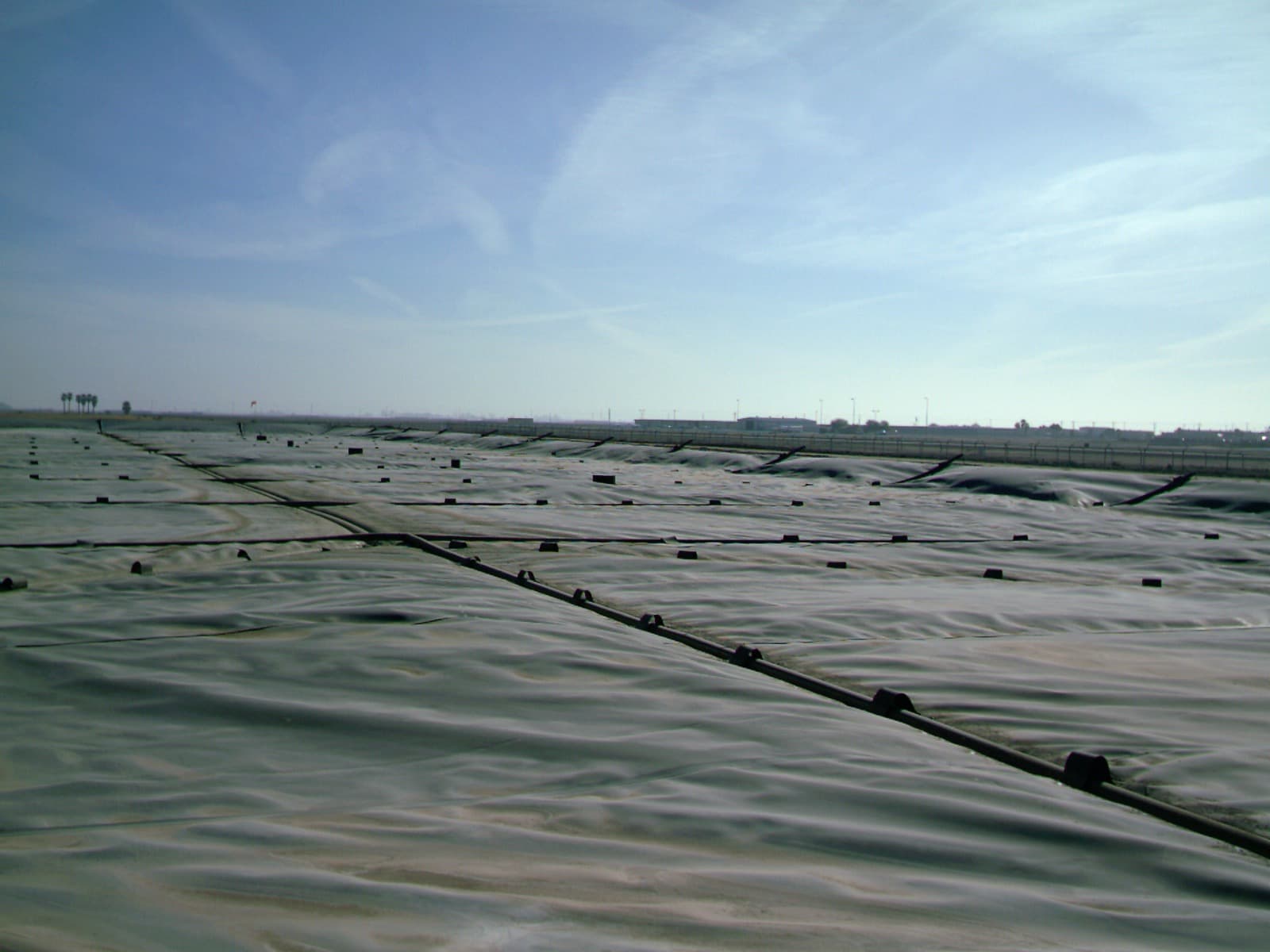
A covered lagoon system with integrated gas collection and destruction addresses odor, methane, and discharge challenges simultaneously. The impermeable cover eliminates direct atmospheric release of odor-causing compounds, immediately resolving the most visible community complaint. Captured biogas is routed to a flare or engine for destruction, converting methane into CO2 and dramatically reducing the facility's greenhouse gas footprint. And by controlling the anaerobic environment more effectively, covered systems improve treatment performance, helping facilities meet tighter BOD and TSS limits.
The economics are increasingly favorable. Carbon credit revenue from verified methane destruction can offset a significant portion of system costs. Several state incentive programs provide direct funding for methane capture infrastructure. And the avoided costs of regulatory penalties, litigation, and community opposition make the return on investment compelling even before considering environmental credit revenue.
“The food processing industry is at an inflection point. Facilities that act now to address lagoon emissions will be positioned as leaders. Those that wait will face escalating costs and diminishing options.”
-- EFI USA