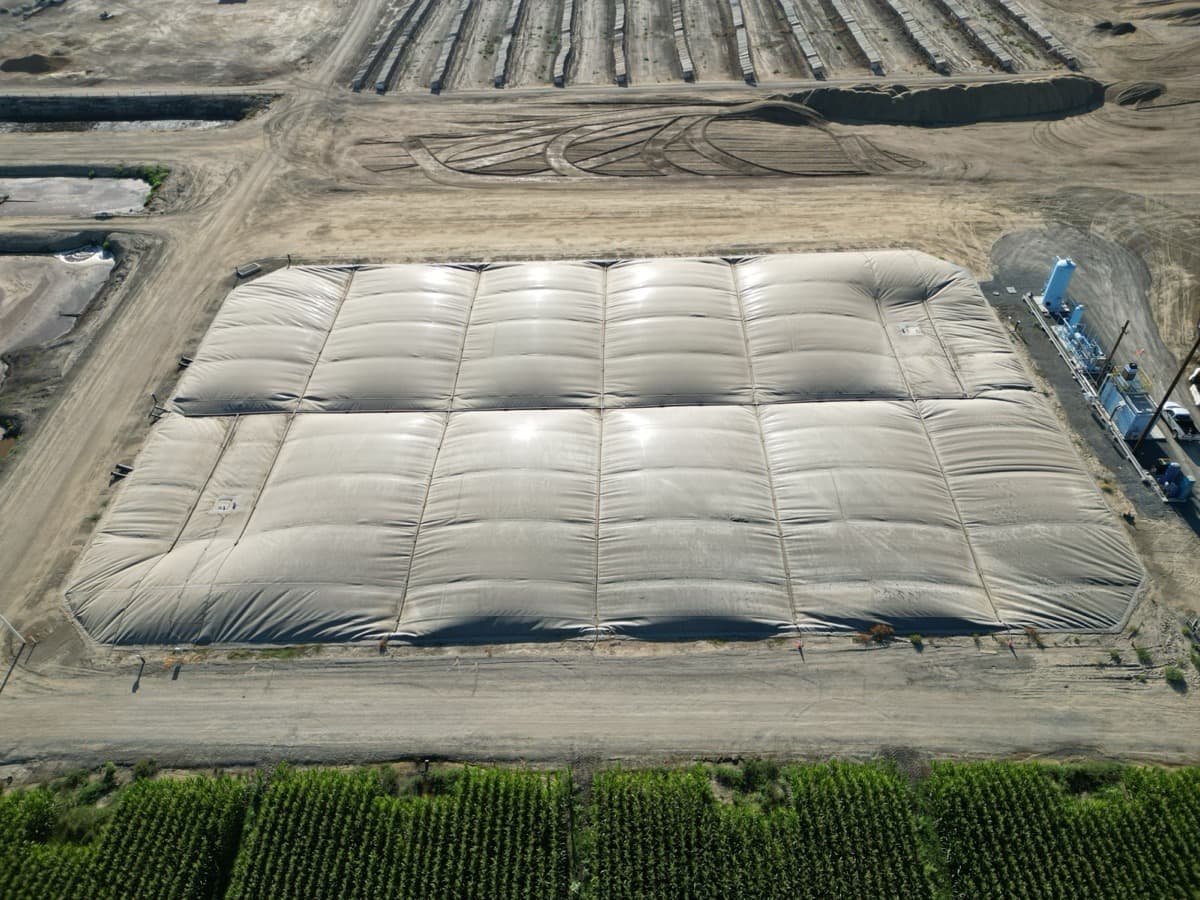
If your facility operates a wastewater lagoon and discharges to surface waters, or if there's any reasonable possibility that lagoon contents could reach surface waters through groundwater migration, you need a National Pollutant Discharge Elimination System (NPDES) permit. Violations carry penalties of up to $64,618 per day per violation under the Clean Water Act, and enforcement actions have increased significantly in the past three years. For industrial lagoon operators, understanding your permit requirements isn't optional, it's the cost of staying in business.
What Your NPDES Permit Actually Requires
An NPDES permit sets technology-based effluent limits and, where applicable, water quality-based effluent limits for specific pollutants. For industrial lagoon operators, the most common regulated parameters include biochemical oxygen demand (BOD), total suspended solids (TSS), pH, ammonia nitrogen, fecal coliform, and oil and grease. Your permit will specify both daily maximum and monthly average concentrations for each parameter, along with monitoring frequency, which can range from daily to quarterly depending on the facility size and discharge type.
- Effluent limits: daily maximums and monthly averages for BOD, TSS, pH, ammonia, and other parameters
- Monitoring and reporting: self-monitoring at prescribed frequencies with Discharge Monitoring Reports (DMRs)
- Best management practices (BMPs): site-specific operational requirements to minimize pollutant discharge
- Stormwater provisions: requirements for managing stormwater contact with lagoon areas
- Groundwater protection: liner and containment requirements to prevent subsurface migration
Monitoring and Reporting Requirements
Self-monitoring is the backbone of NPDES compliance. Your permit will specify sampling locations, analytical methods (typically EPA-approved methods under 40 CFR Part 136), and reporting deadlines. Discharge Monitoring Reports must be submitted to your state permitting authority, usually monthly or quarterly, and the data is publicly accessible through EPA's ECHO database. Late or incomplete DMRs are themselves violations, independent of whether your actual discharges exceed limits. Many operators underestimate the administrative burden of compliance monitoring until they receive a notice of violation for a missed reporting deadline.
How Liner Systems Prevent Permit Violations
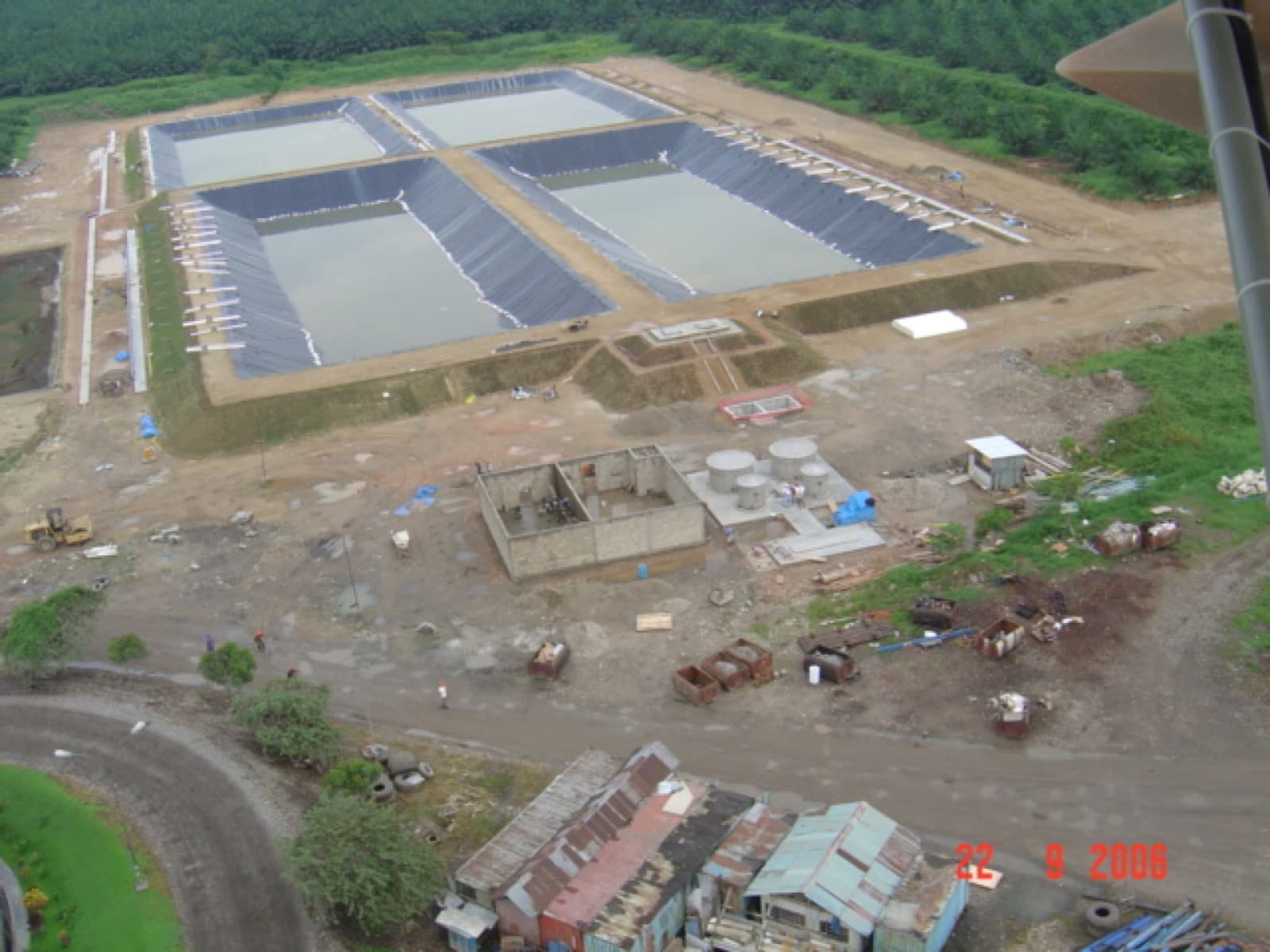
The most consequential NPDES violations for lagoon operators typically aren't from direct surface water discharge, they're from uncontrolled seepage through unlined or deteriorated lagoon bottoms that contaminates groundwater and eventually reaches surface waters. This pathway creates liability under both the Clean Water Act and state groundwater protection statutes. A properly engineered geosynthetic liner system eliminates this risk entirely by creating an impermeable barrier between lagoon contents and the subsurface.
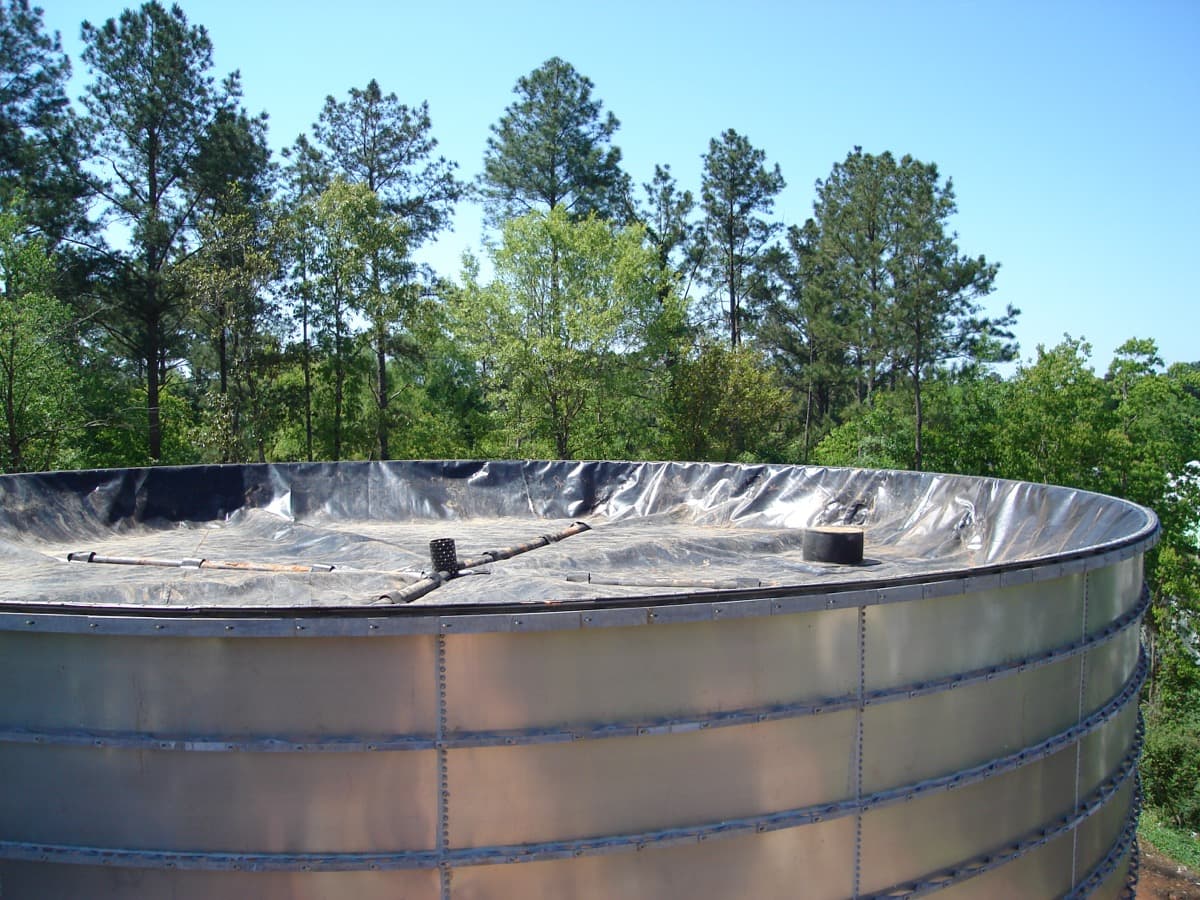
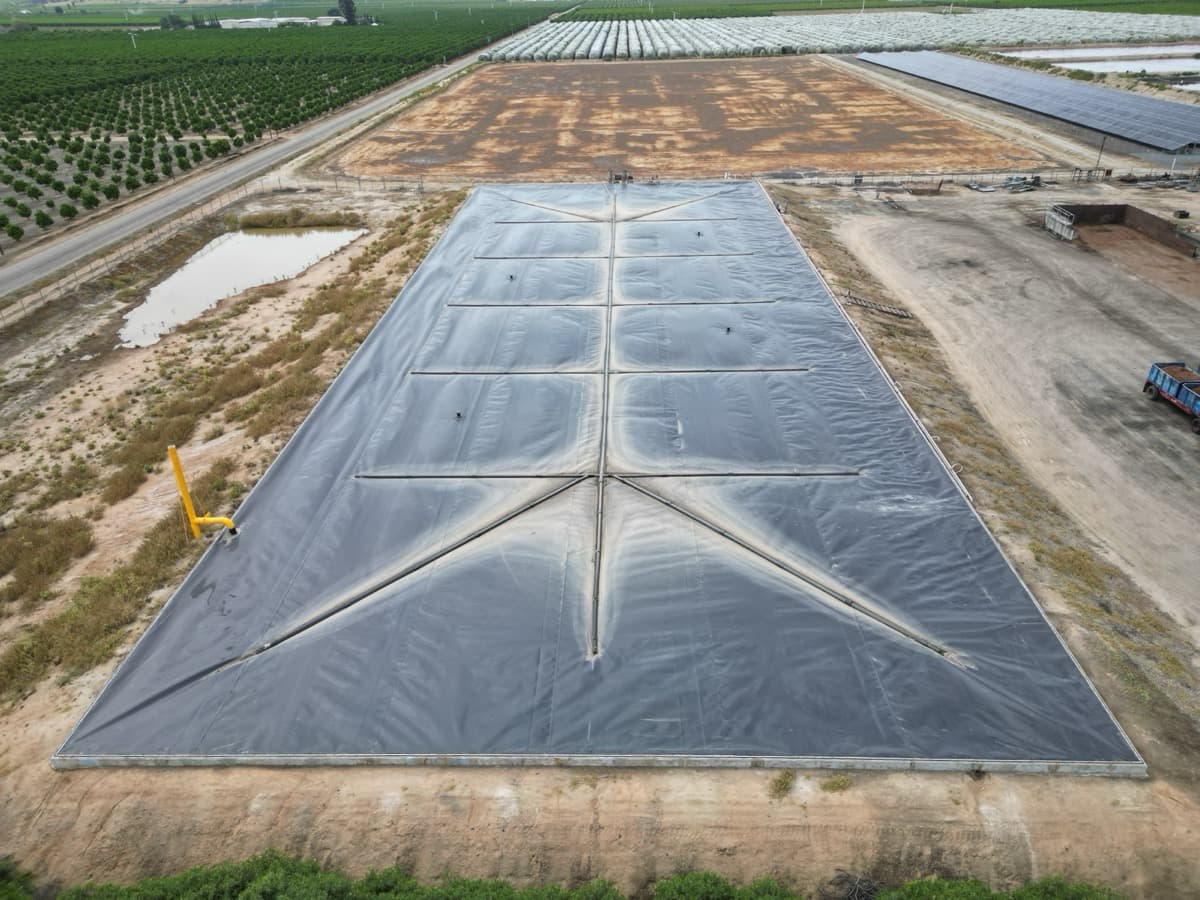
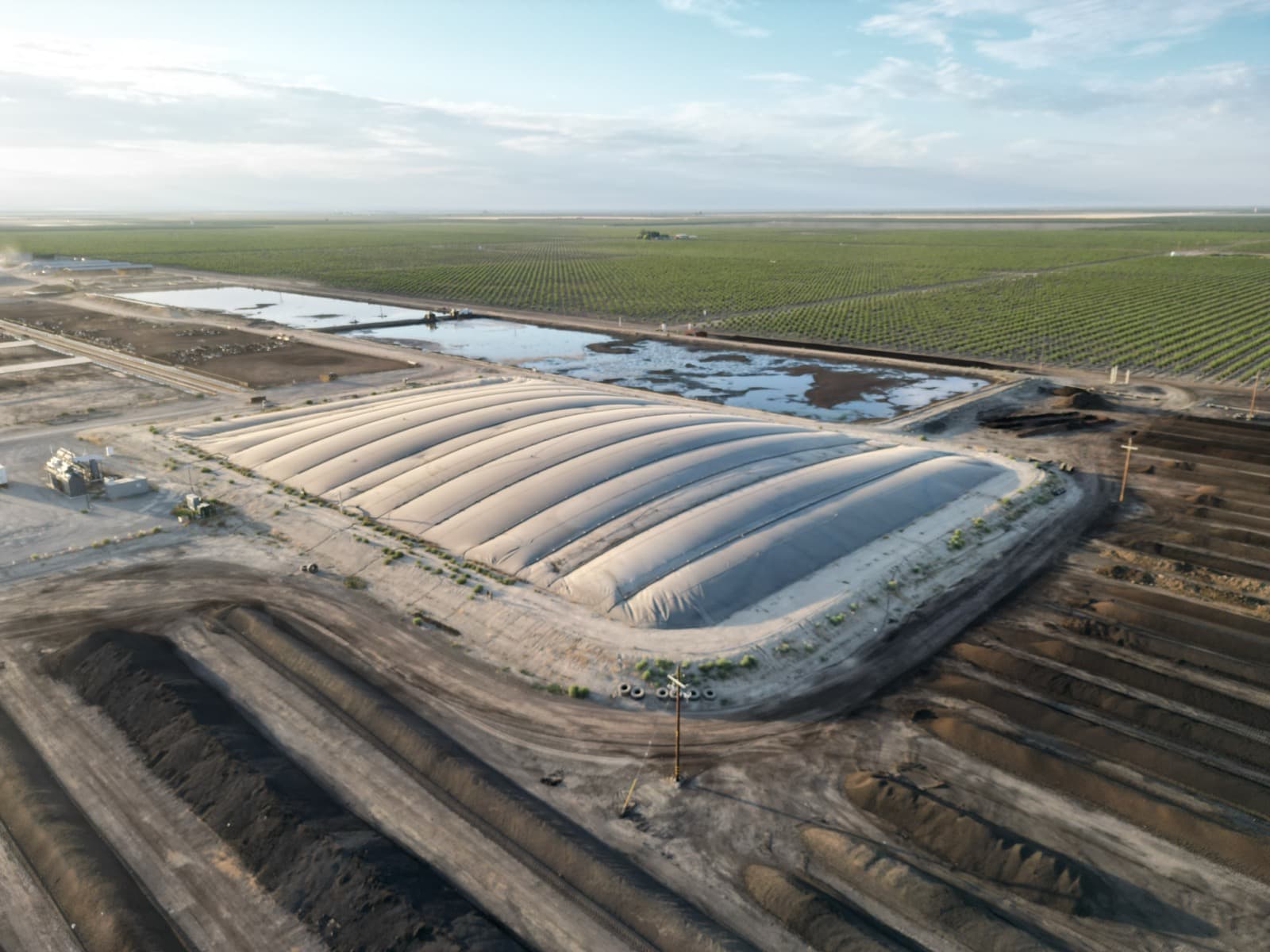
Modern liner systems use high-density polyethylene (HDPE) or linear low-density polyethylene (LLDPE) geomembranes installed with fusion-welded seams and tested to ASTM standards. For high-risk applications, double-lined systems with leak detection layers provide an additional margin of safety and satisfy the most stringent regulatory requirements. The upfront investment in a quality liner system is a fraction of the cost of a single enforcement action, and it's the only reliable way to demonstrate to regulators that your lagoon isn't a pathway for groundwater contamination.
Best Management Practices for Lagoon Operations
Beyond liner integrity, NPDES permits typically require a set of best management practices tailored to your facility. These may include freeboard maintenance to prevent overtopping during storm events, vegetation management on berms and embankments, routine visual inspections of liner surfaces and seams, and documentation of all operational changes that could affect discharge quality. Maintaining a thorough BMP log isn't glamorous, but it's often the difference between a warning letter and a formal enforcement action when an inspector visits your site.
Staying Ahead of Enforcement
EPA and state agencies have invested heavily in satellite monitoring, data analytics, and tip-line programs to identify non-compliant facilities. The days of flying under the radar with an unlined lagoon are over. The most cost-effective compliance strategy is prevention: install a properly engineered liner system, maintain it according to manufacturer specifications, meet every monitoring and reporting deadline, and document everything. If you're operating an industrial lagoon without a synthetic liner, the question isn't whether you'll face a compliance issue, it's when.