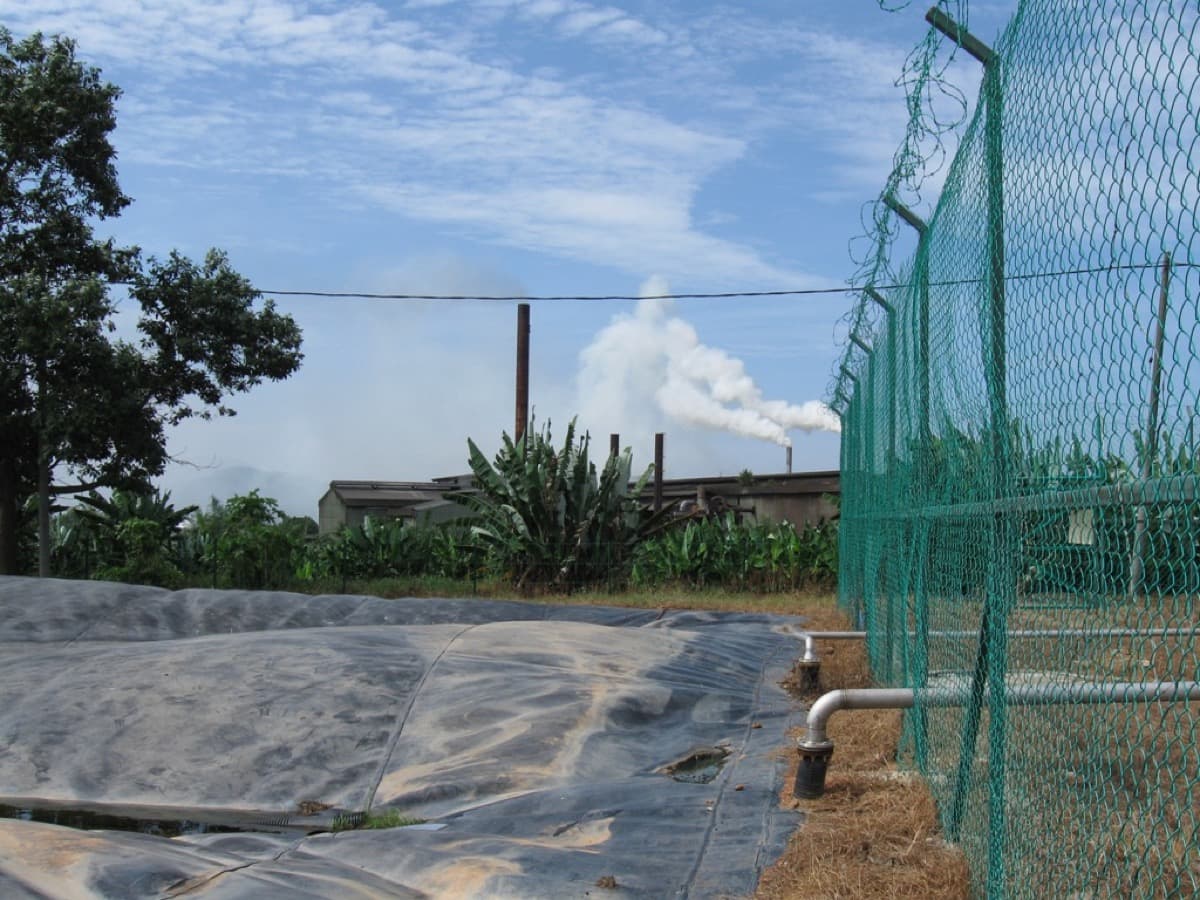
A biogas system is not a set-and-forget installation. Like any engineered system, it requires regular inspection and maintenance to perform reliably over its 20-30 year service life. The good news is that covered lagoon and cap-and-flare systems are mechanically simple compared to energy recovery systems, so the maintenance requirements are manageable. The key is consistency -- small problems caught early are simple repairs, while neglected issues compound into major failures.
This checklist is based on EFI USA's standard maintenance protocols for covered lagoon and cap-and-flare systems. It covers the major system components and the inspection items for each. Operators should adapt this checklist to their specific system configuration and local conditions.
Cover Integrity Inspection
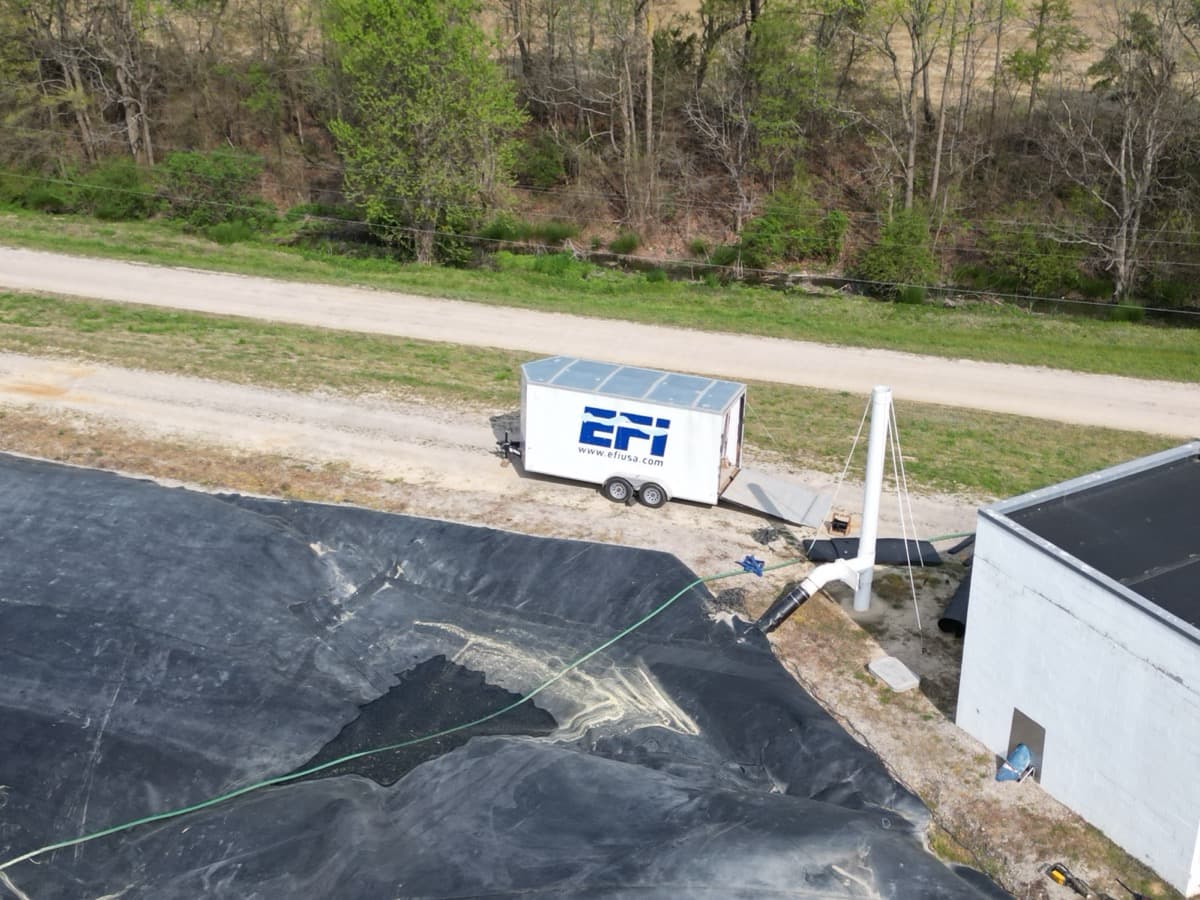
- Visual inspection of entire cover surface for tears, punctures, or abrasion damage. Pay particular attention to areas near inlet and outlet structures where mechanical contact is most likely.
- Check all seams for signs of separation or lifting. Seam edges should be fully bonded with no visible gaps.
- Inspect the cover perimeter where it connects to the anchor system. Look for pullout, erosion of anchor trenches, or animal damage.
- Verify that rainwater drainage is functioning. Ponded water on the cover surface adds weight that stresses the cover and can mask gas collection issues.
- Check for excessive gas ballooning that may indicate a blockage in the gas collection system or a flare malfunction.
- Document the condition of any patches or previous repairs. Repairs should be re-inspected annually to verify continued integrity.
Gas Collection System
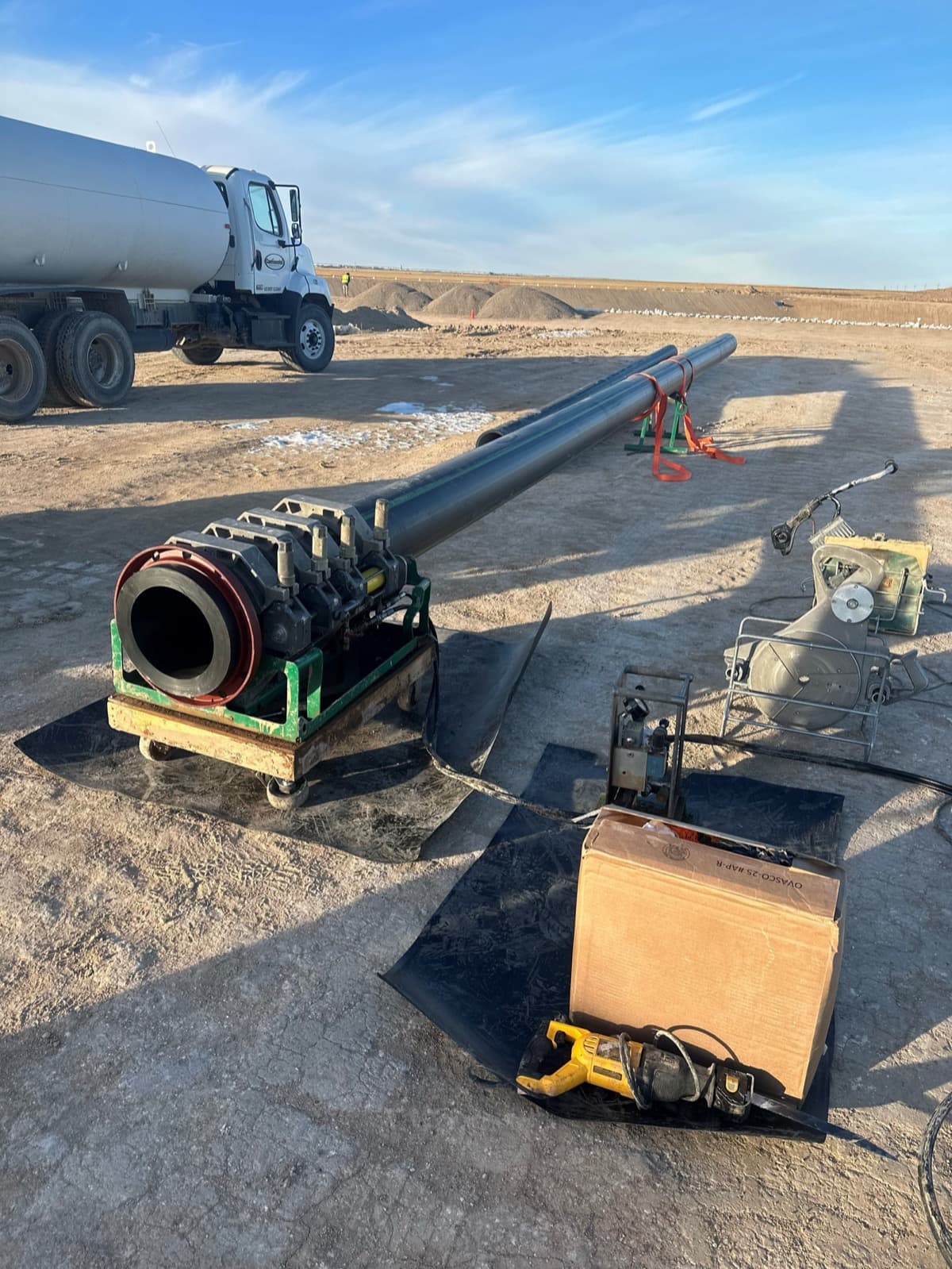
- Inspect all gas collection piping for corrosion, particularly at connections and low points where condensate accumulates.
- Verify that all condensate drains and traps are functioning. Blocked condensate drains cause liquid accumulation in gas lines, which reduces gas flow and can damage equipment.
- Check pressure/vacuum relief valves for proper operation. These valves protect the cover from over-pressure or vacuum damage and must open and reseat at their set points.
- Inspect all pipe connections, flanges, and fittings for leaks. Gas leaks represent both an environmental emission and a safety hazard.
- Verify gas flow measurement devices (if installed) are calibrated and reading correctly. Compare current flow rates to historical data to identify trends.
- Clean or replace gas filters and screens as needed.
Flare System
- Verify flare pilot flame operation. The pilot should be burning continuously with a stable flame. Intermittent pilot failure is often the first sign of ignition system problems.
- Inspect the flare burner for fouling, corrosion, or flame impingement damage. Clean burner ports as needed.
- Check the flame arrestor for blockage. Flame arrestors protect against flashback but can accumulate debris that restricts gas flow.
- Verify thermocouple and temperature monitoring equipment is functioning. These instruments confirm proper combustion and may be required for regulatory compliance.
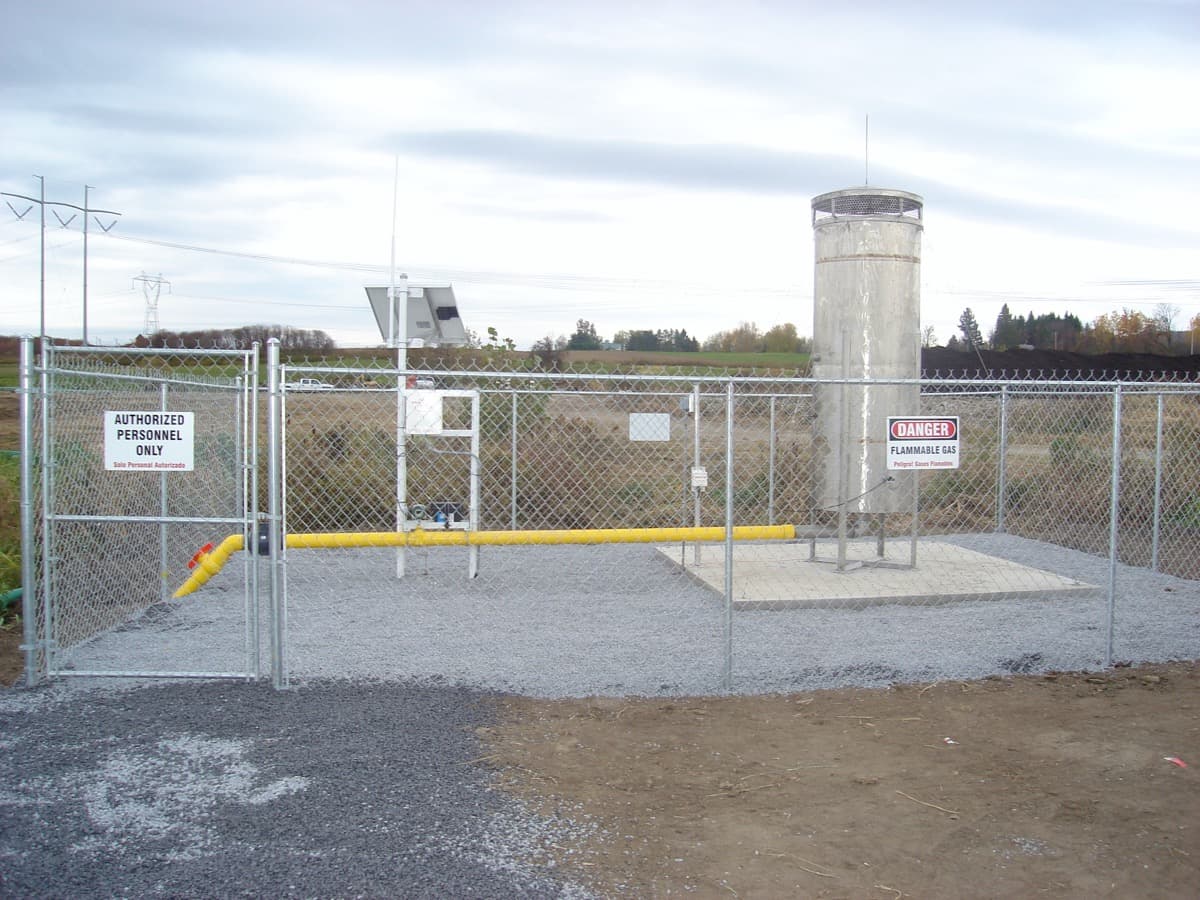
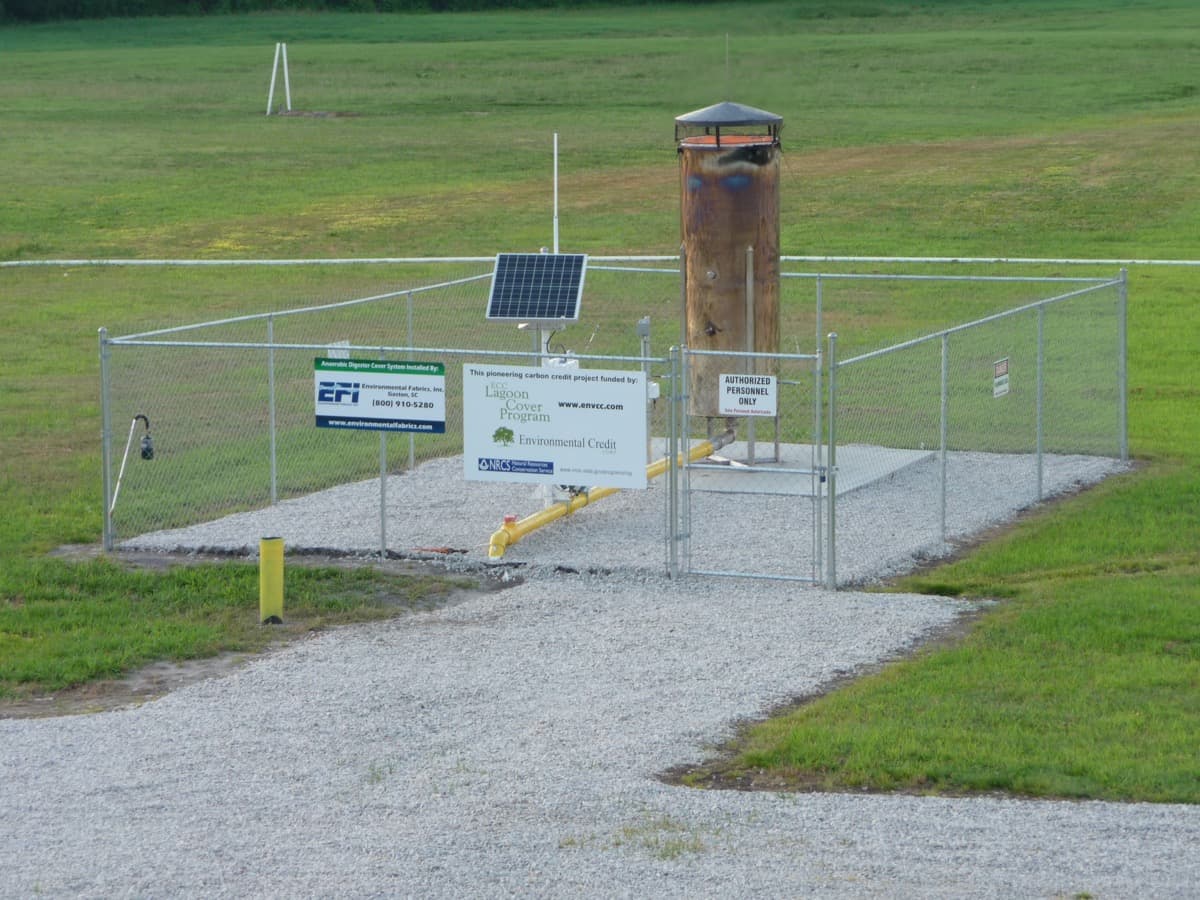
- Inspect the flare stack for structural integrity, corrosion, and guy wire tension (if applicable).
- Test the automatic shutoff and alarm systems. The flare should shut down safely if the pilot extinguishes or gas supply is interrupted.
- Review flare operation logs for any anomalies, shutdowns, or alarm events since the last inspection.
H2S Monitoring and Treatment
- Calibrate H2S monitoring equipment per manufacturer specifications. H2S sensors drift over time and require regular calibration to maintain accuracy.
- Review H2S concentration trends. Increasing H2S levels may indicate changes in the waste stream, lagoon chemistry, or treatment system performance.
- If an iron sponge or other H2S treatment system is installed, check media condition and remaining capacity. Replace media before breakthrough occurs.
- Inspect H2S treatment vessel internals for corrosion. H2S and moisture create sulfuric acid that corrodes carbon steel.
- Verify that H2S alarm set points are appropriate for worker safety (10 ppm) and equipment protection thresholds.
Condensate Management
Biogas is saturated with water vapor at the lagoon surface temperature. As it cools in the gas collection piping, water condenses and accumulates at low points. This condensate is acidic (pH 3-5 due to dissolved CO2 and H2S) and must be drained regularly to prevent pipe blockage and corrosion.
- Drain all condensate traps and verify that automatic drain valves (if installed) are functioning.
- Inspect condensate drain lines for blockage or freezing (in cold climates).
- Check condensate disposal routing. Condensate should be returned to the lagoon or disposed of in accordance with site permits.
- Inspect pipe low points for signs of corrosion from standing condensate.
Safety Systems
- Test combustible gas detectors in the equipment area. Replace sensors per manufacturer schedule.
- Verify that fire extinguishers are current, accessible, and appropriate for the hazards present.
- Inspect electrical systems for damage, corrosion, or code violations. All electrical equipment in gas-handling areas must be rated for the hazardous classification.
- Review emergency shutdown procedures with all personnel who operate or work near the system.
- Verify that warning signs and restricted area markings are visible and legible.
EFI USA provides maintenance services for all biogas systems we install, as well as third-party systems requiring service. Our technicians are trained on all major flare, gas collection, and cover system configurations. Contact us to schedule an inspection or establish a maintenance program.