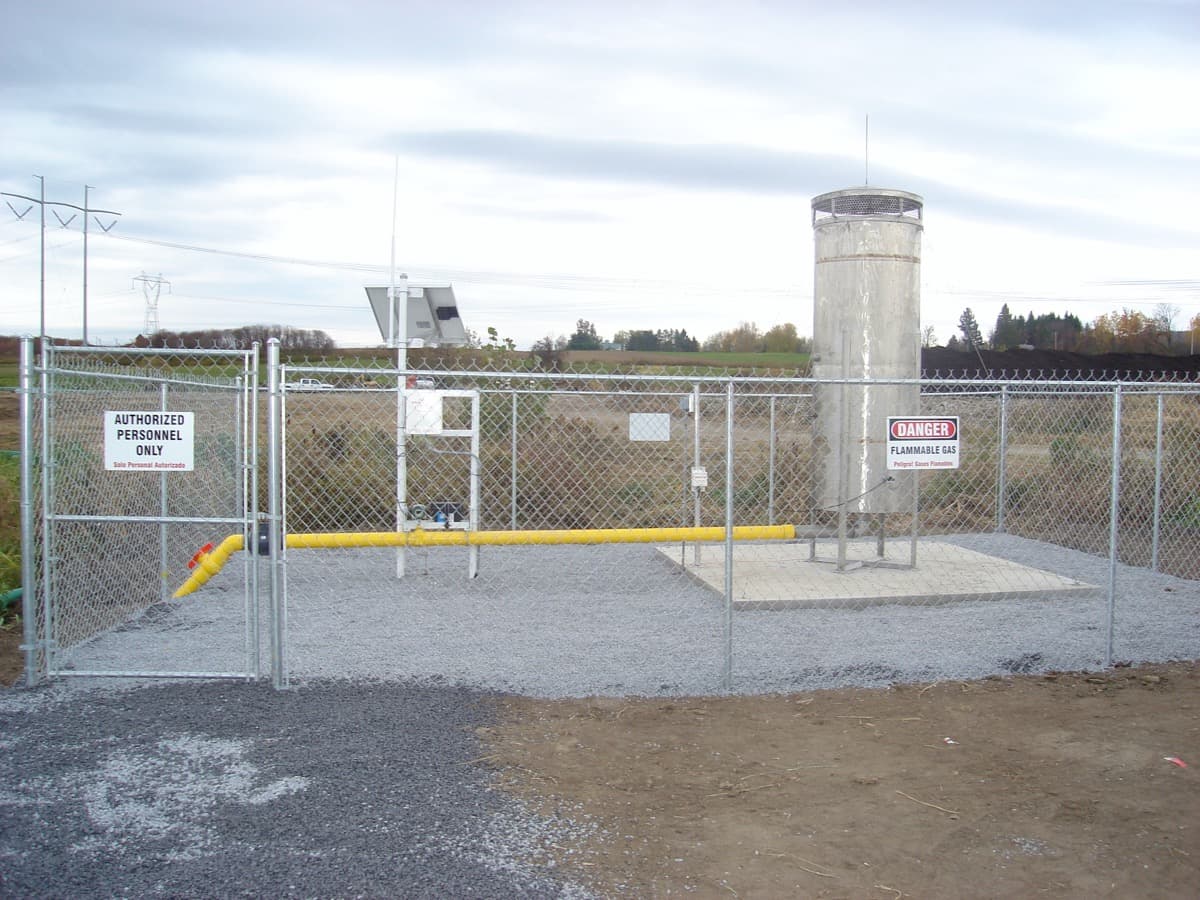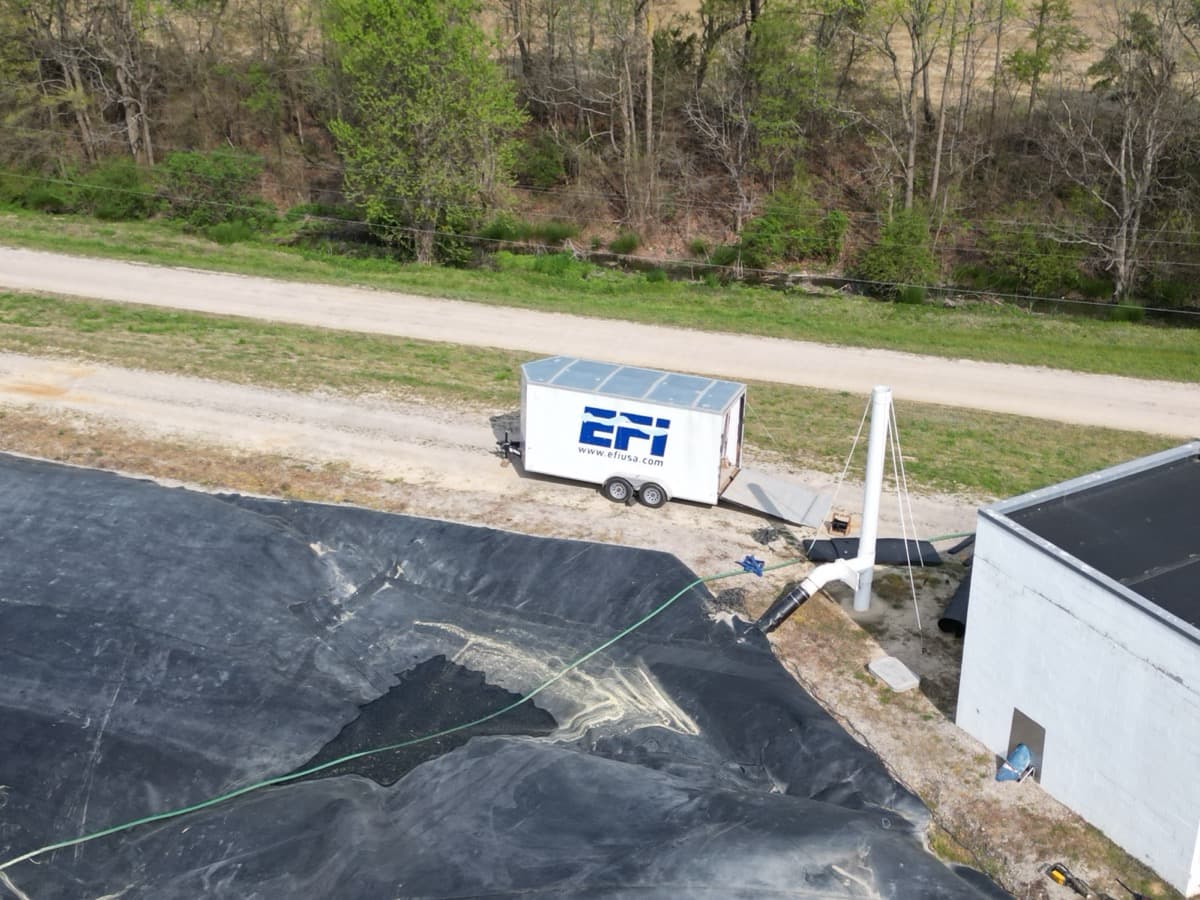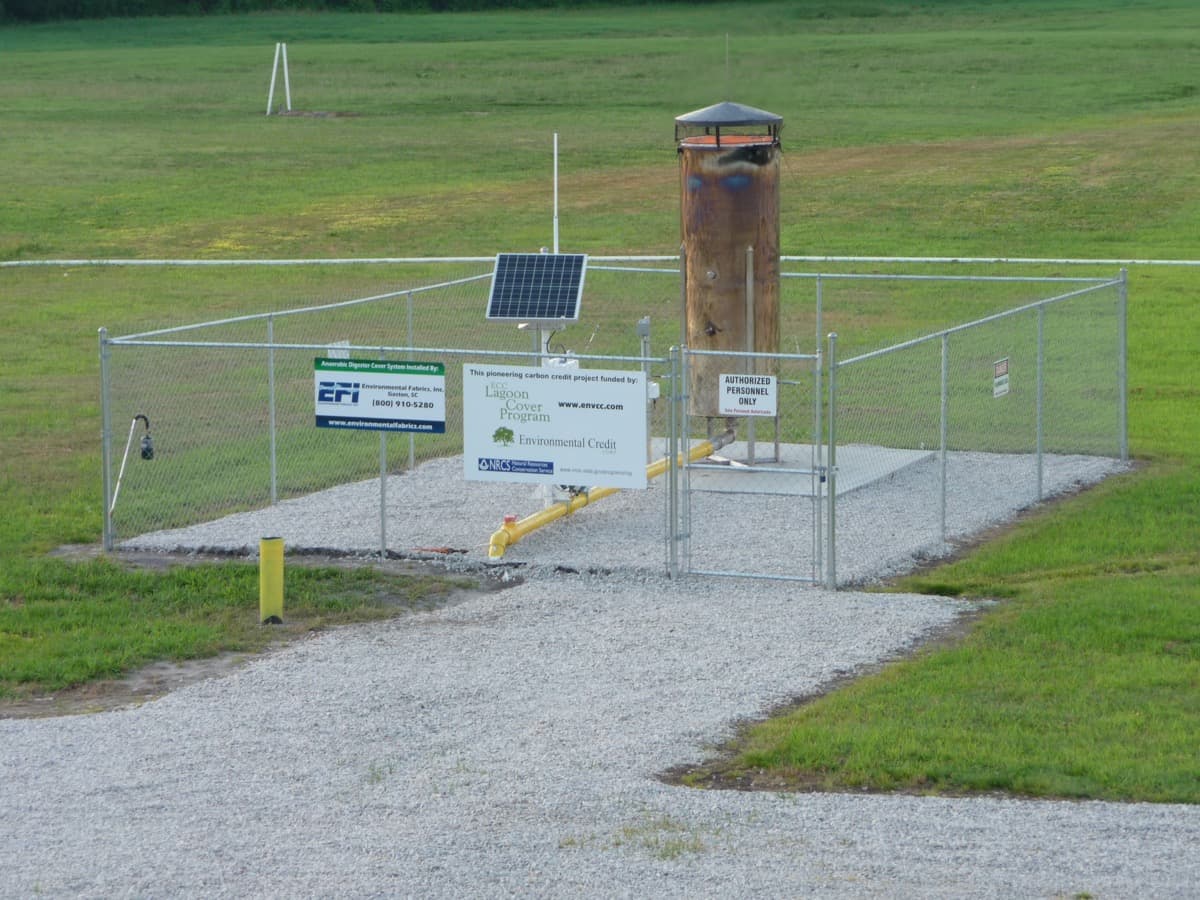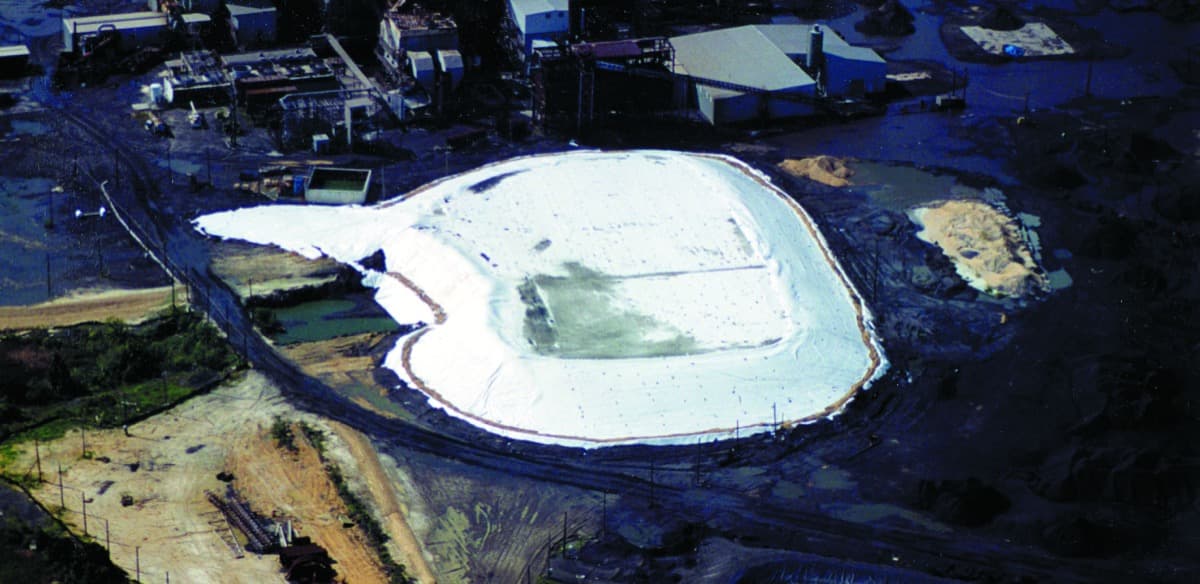
Covered lagoon digesters are the simplest and most cost-effective form of anaerobic digestion for agricultural and food processing operations. Unlike complete-mix or plug-flow digesters that require heated tanks, mechanical mixing, and complex process controls, covered lagoon digesters rely on the natural stratification and microbiology of an earthen lagoon to break down organic matter and produce biogas. The simplicity is their greatest advantage -- but it also means that proper sizing is critical, because there are few process controls available to compensate for a poorly designed system.
EFI USA has designed and installed covered lagoon systems across a wide range of applications, from 500-cow dairies to large municipal wastewater facilities. The sizing principles are consistent across applications, but the specific parameters vary significantly based on waste characteristics, climate, and project objectives.
Hydraulic Retention Time (HRT)
Hydraulic retention time is the average time that a unit of liquid spends in the lagoon before being displaced by incoming flow. HRT is the single most important sizing parameter for covered lagoon digesters because it directly determines the degree of organic matter decomposition and, therefore, biogas production.
- Warm climates (average temperature above 70F): HRT of 40-60 days is typically sufficient for 60-70% volatile solids reduction and near-maximum biogas yield.
- Temperate climates (average temperature 50-70F): HRT of 60-90 days is required to compensate for slower microbial activity at lower temperatures.
- Cool climates (average temperature below 50F): HRT of 90-150 days may be necessary, though covered lagoon digesters become progressively less efficient below 60F and may not be economically viable in cold climates without supplemental heating.
- Calculation: HRT (days) = Active lagoon volume (gallons) / Daily influent flow (gallons per day). The active volume excludes sludge accumulation and freeboard.
Organic Loading Rate (OLR)
Organic loading rate defines the mass of biodegradable organic matter entering the lagoon per unit volume per unit time, typically expressed as pounds of volatile solids (VS) per 1,000 cubic feet per day. OLR must be kept within the range that the microbial population can process without becoming overloaded.
- Typical OLR range: 1-5 lb VS per 1,000 cubic feet per day for covered lagoon digesters. This is significantly lower than complete-mix digesters (10-30 lb VS/1,000 cf/day) because lagoons operate at ambient temperature without mixing.
- Dairy manure: A 1,000-cow dairy producing 25,000 gallons per day of flush water with 2-4% total solids generates approximately 2,000-4,000 lb VS per day.
- Food processing wastewater: BOD-based OLR is often more relevant. Typical food processing wastewater at 2,000-10,000 mg/L BOD requires larger lagoon volumes per unit flow than dairy waste.
- Overloading indicators: Decreasing pH (below 6.5), increasing volatile fatty acid (VFA) concentrations, and reduced biogas production indicate that the OLR exceeds the lagoon's digestion capacity.
Lagoon Volume Calculation
The total lagoon volume must accommodate the active treatment volume, sludge accumulation, and freeboard. Each component serves a different function and must be sized independently.
- Active treatment volume: Determined by HRT multiplied by daily influent flow. This is the liquid volume where active digestion occurs.
- Sludge storage volume: Non-degradable solids accumulate on the lagoon bottom over time. For dairy lagoons, sludge accumulation is typically 5-10% of influent volume per year. Design should include 5-10 years of sludge storage capacity.
- Freeboard: Minimum 2 feet of freeboard above the maximum operating level is standard for covered lagoons. Some jurisdictions require 3 feet.
- Cover geometry: The cover sits on the liquid surface and must accommodate gas storage volume under the cover. Typical gas storage is 12-24 hours of peak biogas production to buffer fluctuations.
- Example: A 1,000-cow dairy with 25,000 gpd influent flow and a 60-day HRT requires 1.5 million gallons of active treatment volume, plus approximately 500,000 gallons of sludge storage (10-year capacity), plus freeboard -- for a total lagoon volume of approximately 2.5 million gallons or roughly 1-1.5 acres at 8-10 feet operating depth.
Climate and Temperature Effects
Covered lagoon digesters operate at ambient temperature, which means their performance varies seasonally. In warm climates, biogas production is relatively consistent year-round. In temperate and cool climates, biogas production can drop by 50-70% during winter months compared to summer peaks. This seasonal variation must be factored into project economics and gas utilization planning.
The critical temperature threshold is approximately 59 degrees Fahrenheit (15C). Below this temperature, the mesophilic bacteria responsible for methane production become significantly less active. Below 50F (10C), methane production drops to minimal levels. This does not mean the lagoon stops working -- organic matter continues to accumulate and will be digested when temperatures rise -- but it does mean that gas collection and utilization systems must be designed for the seasonal production profile.
Biogas Yield Estimation
- Dairy manure: 30-60 cubic feet of biogas per cow per day, with 55-65% methane content. Higher values apply to warmer climates and longer HRT.
- Swine manure: 20-40 cubic feet per finishing pig per day, with 60-70% methane content.
- Food processing wastewater: Highly variable depending on waste strength. BOD-based estimates typically use 5-6 cubic feet of biogas per pound of BOD removed.
- Temperature adjustment: Apply a temperature correction factor to published yield values. At 60F, expect 60-70% of maximum yield. At 50F, expect 30-40% of maximum yield.
Covered lagoon digesters are an excellent solution for operations that need cost-effective methane capture without the complexity and capital cost of complete-mix systems. Proper sizing is the foundation of a successful project. EFI USA provides complete design, installation, and cover fabrication services for covered lagoon systems of all sizes. Contact us for a site-specific sizing analysis.