Odor is the number one source of complaints against agricultural, industrial, and municipal lagoon operations. Hydrogen sulfide, ammonia, volatile organic compounds, and other odorous gases are produced naturally during anaerobic decomposition of organic matter in lagoons. When these gases escape from the lagoon surface into the atmosphere, they create nuisance odors that can be detected at distances of a mile or more downwind. The result is neighbor complaints, regulatory enforcement, and in some cases, lawsuits that threaten the operation's viability.
The good news is that lagoon odor is a solved problem. Floating geomembrane covers -- the same HDPE material used for lagoon liners -- can be installed over the lagoon surface to capture 99%+ of odorous gas emissions. Other solutions exist as well, each with different cost, effectiveness, and maintenance profiles. This guide compares the options.
Sources of Lagoon Odor
- Hydrogen sulfide (H2S): The characteristic rotten-egg smell. Detectable by humans at concentrations as low as 0.5 ppb. Produced by sulfate-reducing bacteria in anaerobic conditions. H2S is also toxic at elevated concentrations.
- Ammonia (NH3): Sharp, pungent odor. Produced from nitrogen-containing organic matter. More prevalent in lagoons receiving high-nitrogen waste like poultry or swine manure.
- Volatile fatty acids (VFAs): Acetic, butyric, and propionic acids produce sour, rancid odors. VFAs are intermediates in the anaerobic digestion process.
- Methane and CO2: Odorless gases that carry odorous compounds from the lagoon surface into the atmosphere via bubble release and surface diffusion.
Floating Geomembrane Covers
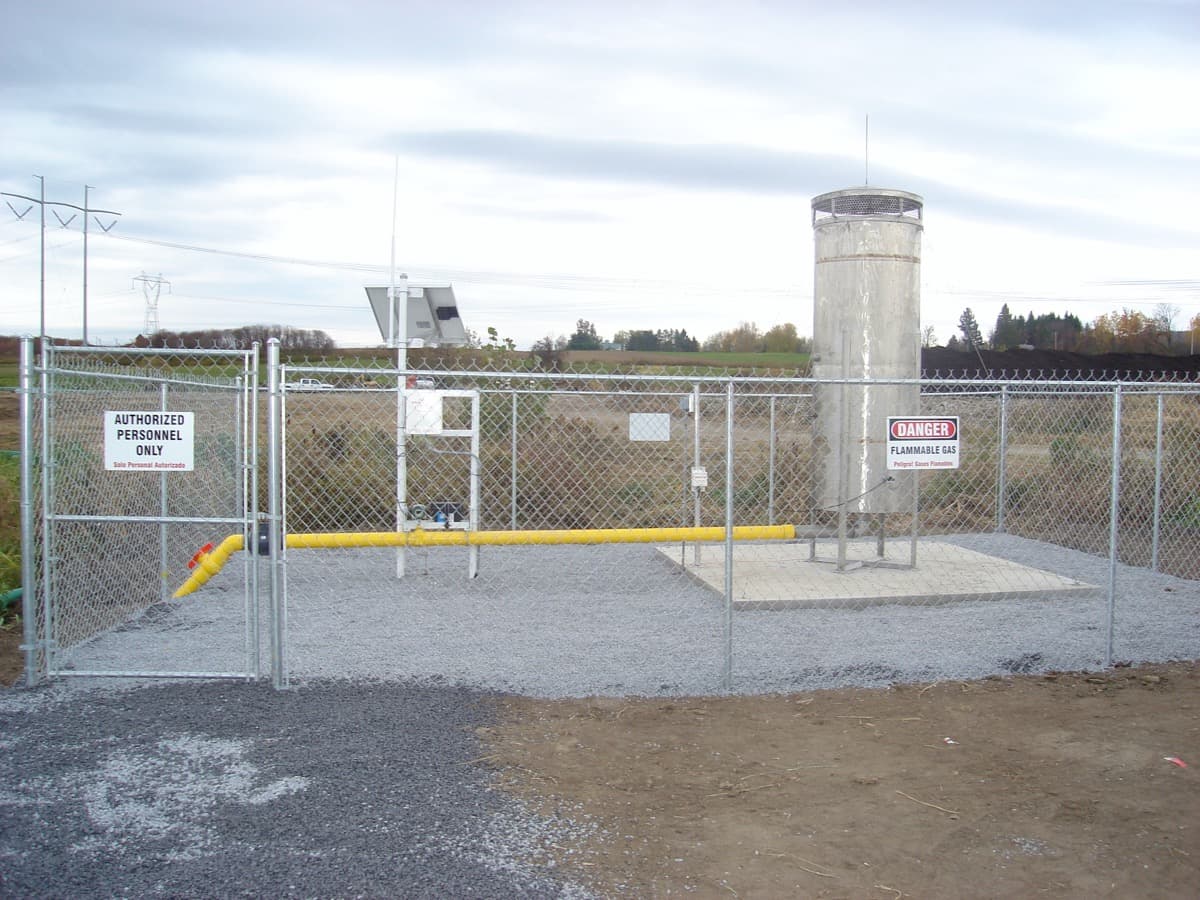
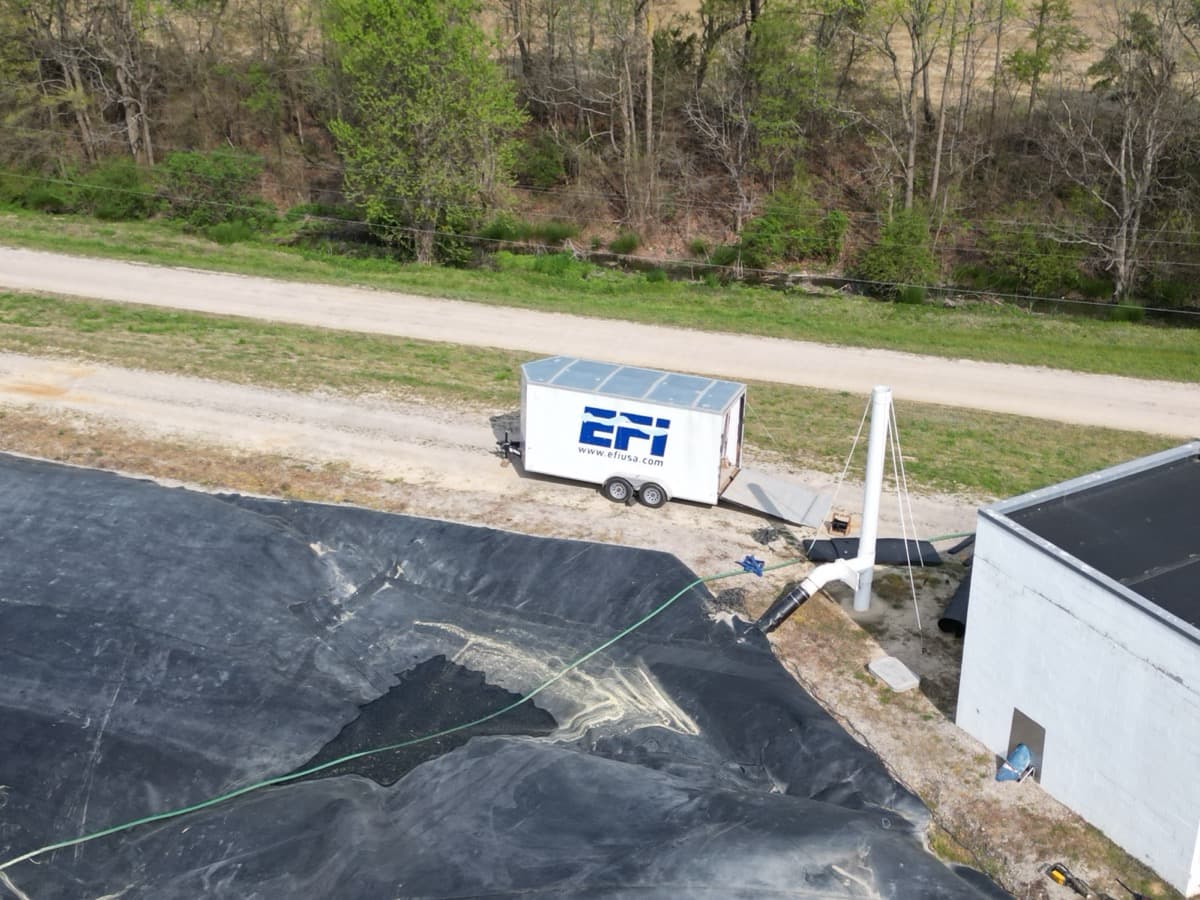
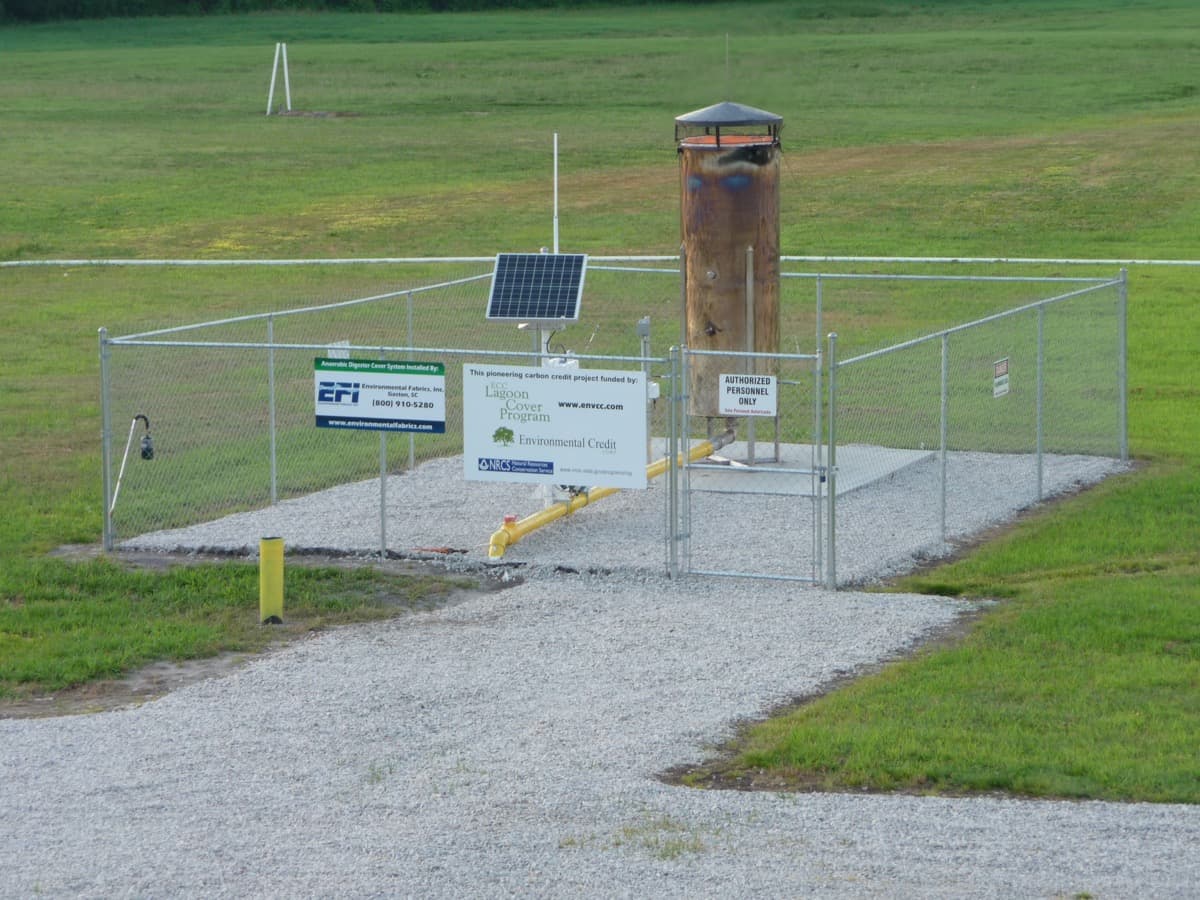
Floating geomembrane covers are the gold standard for lagoon odor control. A cover made of HDPE, LLDPE, or reinforced polyethylene is installed over the entire lagoon surface, resting directly on the liquid. The cover captures all gases produced by the lagoon, routing them through a gas collection system to a flare, biofilter, or utilization system.
- Odor reduction: 99%+ elimination of surface odor emissions. This is the most effective odor control technology available for lagoons.
- Biogas capture: The captured gas can be flared (destroying methane) or utilized for energy, turning an odor problem into a revenue opportunity or regulatory compliance achievement.
- Evaporation reduction: Covers reduce evaporative losses from the lagoon surface by 90%+, which is significant in arid climates where water conservation is important.
- Algae prevention: Covers block sunlight, preventing algae growth that can complicate downstream water treatment.
- Cost: $3-$8 per square foot installed, depending on lagoon size, geometry, and access conditions. A 2-acre lagoon cover typically costs $250,000-$700,000.
- Maintenance: Annual inspection of cover integrity, rainwater removal from the cover surface, and gas collection system maintenance.
Biofilters
Biofilters use a bed of organic media (wood chips, compost, or engineered media) to biologically oxidize odorous compounds as contaminated air passes through the bed. Biofilters are effective for point-source odor control (building exhaust, enclosed tank vents) but have significant limitations for open lagoon applications.
To use a biofilter on a lagoon, the lagoon must first be covered to capture the odorous air, which then must be ducted to the biofilter bed. The biofilter itself requires a large footprint (typically 50-100 square feet per 1,000 CFM of air flow), regular media replacement (every 3-5 years), and moisture management. For most lagoon applications, if the lagoon is going to be covered anyway, it is more cost-effective to route the gas to a flare than to build and maintain a biofilter.
Chemical Treatment
Chemical additives can reduce lagoon odor by altering the chemistry of the lagoon contents. Common chemical treatments include ferric chloride or ferrous sulfate (which bind sulfide to reduce H2S), sodium nitrate (which shifts microbial metabolism away from sulfate reduction), and oxidizers like hydrogen peroxide or calcium hypochlorite (which directly oxidize odorous compounds).
Chemical treatment is typically used as a temporary measure or supplementary approach rather than a permanent solution. Ongoing chemical costs can be $10,000-$50,000 or more per year depending on lagoon size and dosing requirements. The chemicals do not address methane emissions and provide no biogas capture benefit.
Aeration
Mechanical or diffused aeration converts an anaerobic lagoon to an aerobic or facultative system. Aerobic decomposition produces CO2 and water rather than methane and H2S, dramatically reducing odor production. Aeration is most commonly used in municipal lagoons where BOD reduction is the primary objective and odor control is a secondary benefit.
The primary disadvantage of aeration is energy cost. Continuous aeration of a 2-acre lagoon can consume 50-150 kW of electricity, costing $30,000-$100,000 per year. Aeration also eliminates biogas production, which means the methane reduction and carbon credit benefits of a covered lagoon are lost.
Choosing the Right Approach
For most agricultural and industrial lagoons where odor is the primary concern, a floating geomembrane cover provides the best combination of effectiveness, durability, and long-term economics. The upfront cost is higher than chemical treatment or aeration, but the cover eliminates ongoing chemical or energy costs, captures biogas that has both environmental and economic value, and provides 20+ years of reliable service with minimal maintenance.
EFI USA has installed floating covers on lagoons from less than an acre to over 20 acres. Our systems are designed for the specific conditions of each site, including wind exposure, gas production rates, and cover access requirements. Contact us for an odor control assessment and cover design proposal.