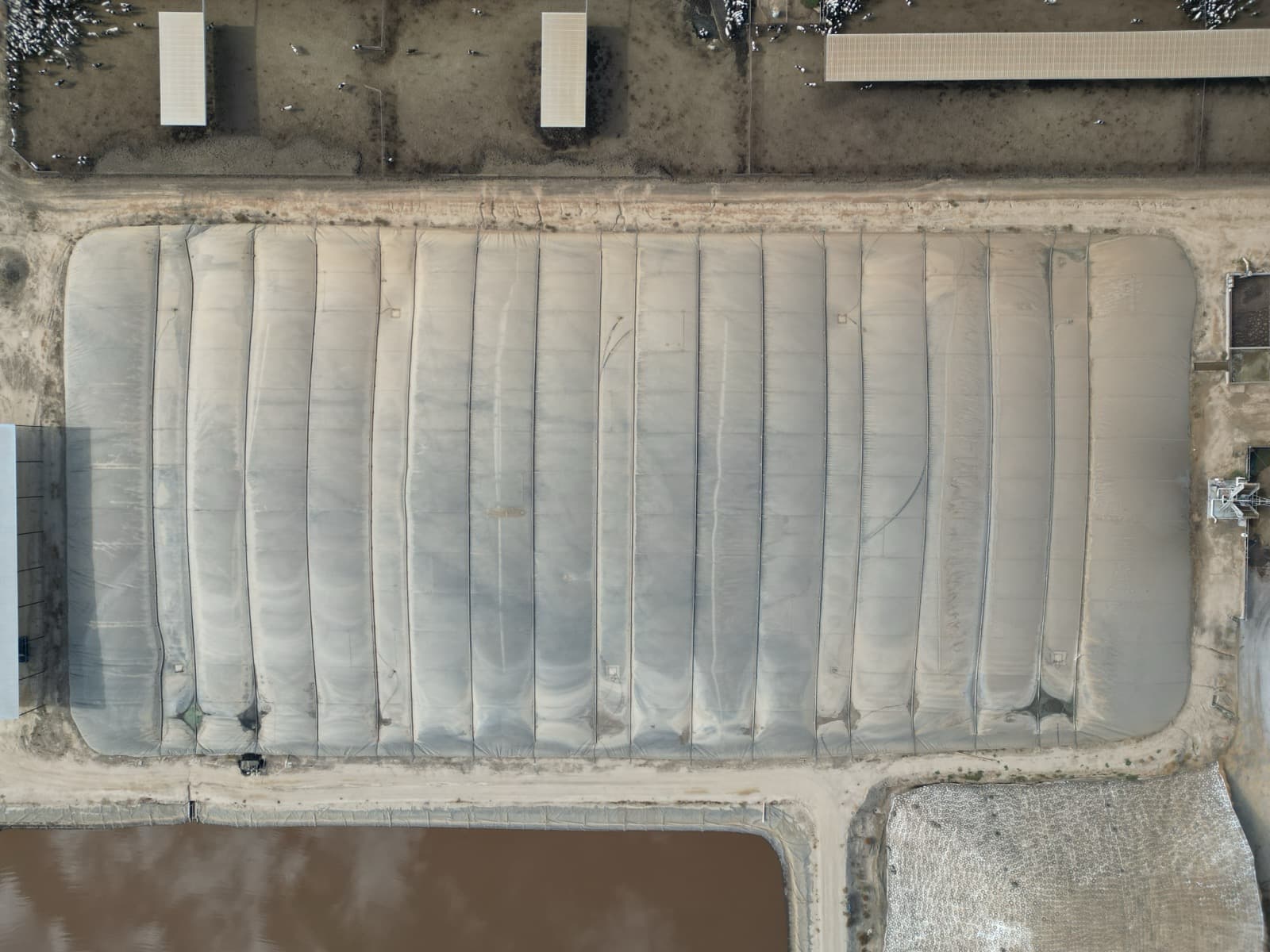
Agricultural methane regulation in the United States has entered a new phase. What was once a voluntary, incentive-driven landscape is becoming mandatory in key states and increasingly likely at the federal level. For dairy, swine, and poultry operations with anaerobic lagoons, understanding the current and emerging regulatory requirements is essential for planning capital investments and avoiding costly compliance surprises.
EFI USA works with agricultural operations across the country on methane management compliance. This article summarizes the key regulatory programs affecting agricultural methane in 2026 and outlines practical strategies for compliance.
Federal: EPA Methane Emissions Reduction Program
The EPA's methane regulatory framework has expanded significantly. While the initial focus was on oil and gas sector emissions, the agency's authority and interest in agricultural methane sources is growing. Key federal developments include:
- Greenhouse Gas Reporting Program (GHGRP): Facilities emitting 25,000+ metric tons CO2e annually must report under Subpart JJ (manure management). Large dairy and swine operations with uncovered lagoons often exceed this threshold.
- Methane Emissions Reduction Program (MERP): Established under the Inflation Reduction Act, MERP imposes a waste emissions charge on facilities exceeding certain thresholds. While currently focused on oil and gas, the framework could expand to agricultural sources.
- USDA incentive programs: The USDA continues to fund voluntary methane reduction through EQIP, CSP, and the Partnerships for Climate-Smart Commodities program. These grants can offset compliance costs for operations that act proactively.
- Clean Air Act authority: EPA retains broad authority under the Clean Air Act to regulate methane as an air pollutant. Rulemaking for agricultural sources has been discussed in regulatory planning documents.
California: CARB and SB 1383
California continues to lead on agricultural methane regulation. SB 1383, enacted in 2016, requires a 40% reduction in methane emissions from 2013 levels by 2030. For dairy and livestock operations, this translates to mandatory methane management for large operations and strong financial incentives for voluntary adoption.
- CARB Livestock Protocol: Establishes the methodology for quantifying and verifying methane reductions from dairy and livestock digesters. This is the gold standard for carbon credit verification.
- LCFS credits: California's Low Carbon Fuel Standard creates a high-value market for dairy methane destruction. LCFS credits have traded between $50 and $200+ per metric ton CO2e.
- Dairy Digester Research and Development Program (DDRDP): State funding program that has invested hundreds of millions in dairy digester projects since 2015.
- Mandatory reporting: Operations above specified thresholds must report greenhouse gas emissions annually to CARB.
Other State Programs
Several states have enacted or are developing their own methane management requirements that affect agricultural operations.
- Oregon Clean Fuels Program: Mirrors CARB LCFS and creates credit value for methane destruction projects in Oregon.
- Washington Clean Fuel Standard: Enacted in 2023, the program is ramping up credit generation for agricultural methane projects.
- New York Climate Leadership and Community Protection Act: Requires 85% greenhouse gas reduction by 2050 from 1990 levels. Agricultural methane management will be part of the compliance pathway.
- North Carolina: The state's moratorium on new and expanded swine lagoons has driven investment in alternative waste management including covered lagoon systems.
- Minnesota, Wisconsin, Iowa: Major dairy and swine states with emerging methane management programs tied to water quality and air quality regulations.
Compliance Strategies for Agricultural Operations
Operations facing current or anticipated methane regulations have several compliance pathways. The right strategy depends on operation size, waste management practices, location, and financial resources.
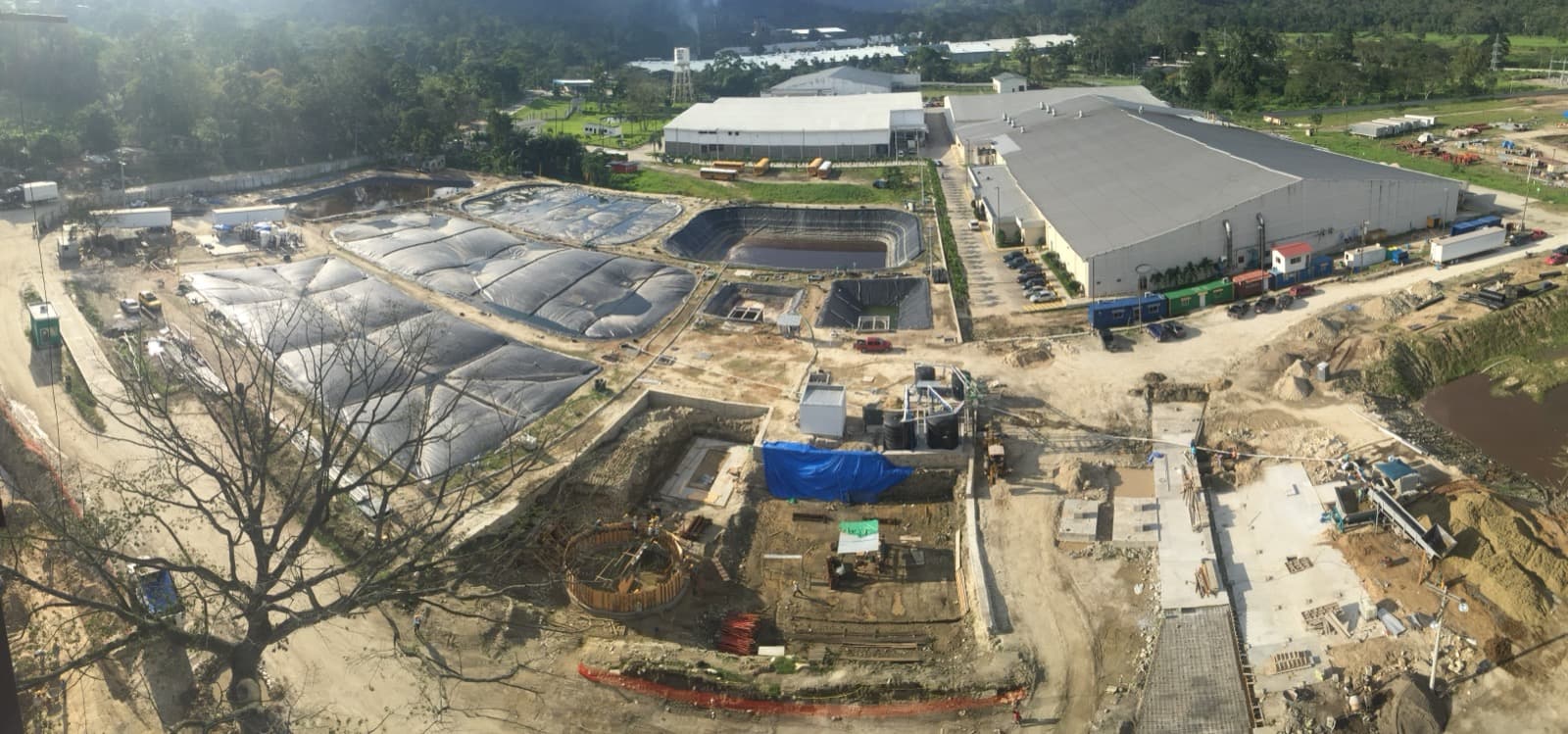
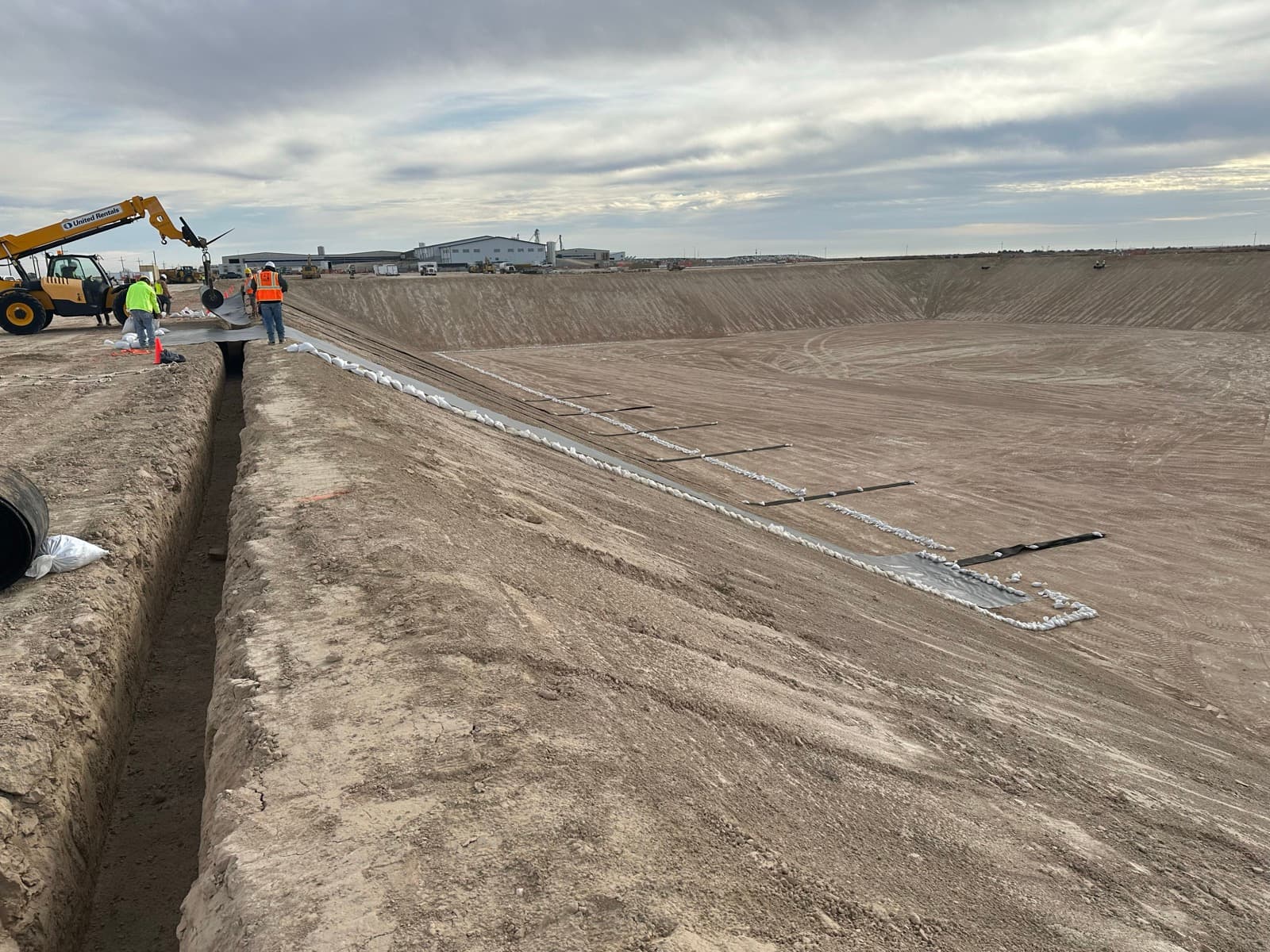
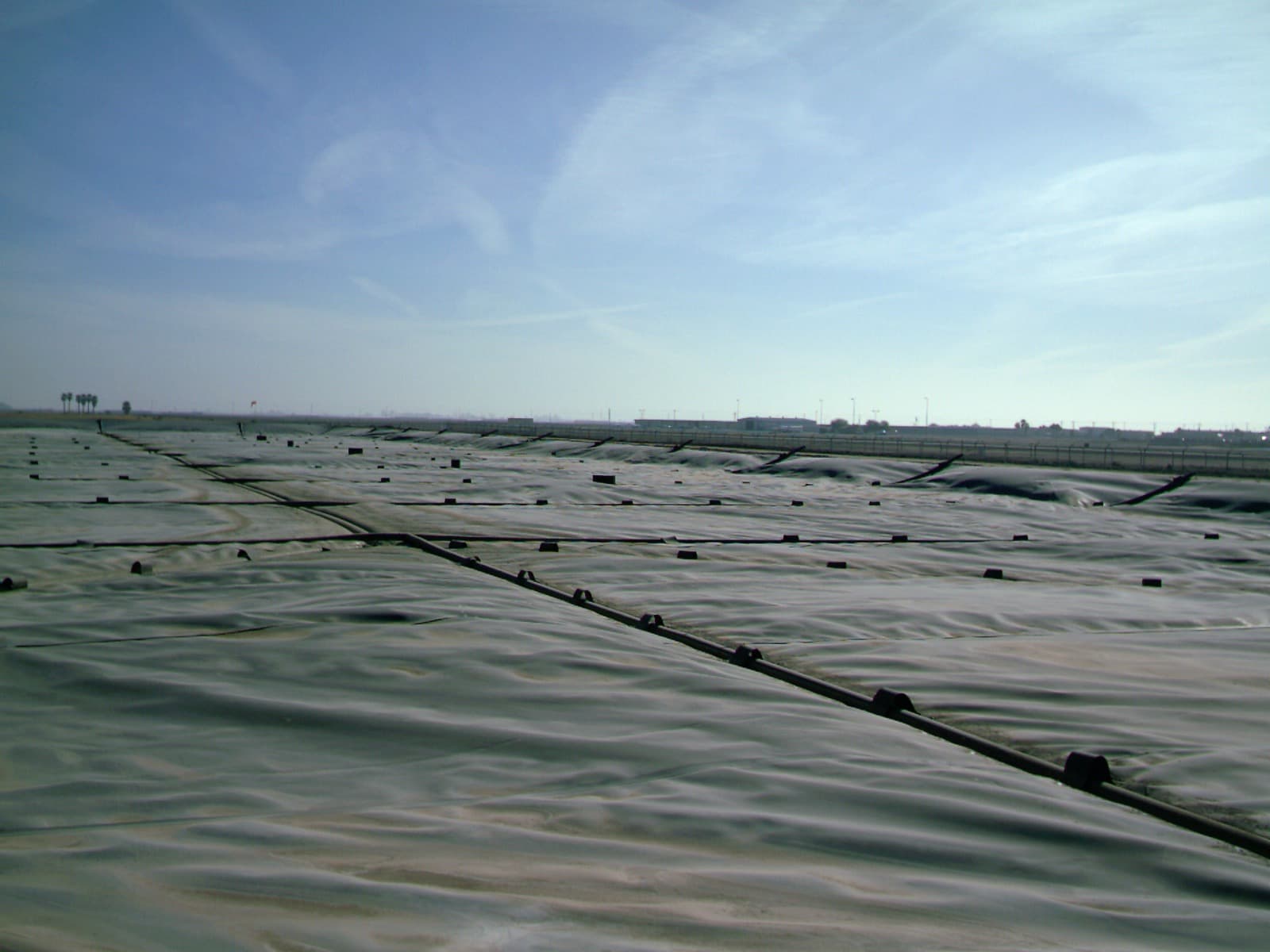
- Cap-and-flare (methane destruction): The lowest-cost compliance option. Install a covered lagoon digester and flare to destroy methane. Under EFI's model, this requires zero capital investment from the farm. Carbon credit revenue provides positive ROI from day one.
- Biogas-to-energy: Capture methane and convert it to electricity or heat for on-site use. Higher capital cost than cap-and-flare but provides energy cost savings in addition to emission reduction.
- RNG (renewable natural gas): Upgrade biogas to pipeline-quality RNG for sale. Highest capital cost ($10M-$50M+) but access to premium credit markets. Best suited for large operations or aggregated multi-farm systems.
- Alternative manure management: Solid-liquid separation, composting, or land application changes that reduce lagoon loading and associated methane emissions. May not achieve full compliance as a standalone strategy.
- Voluntary early action: Operations that install methane reduction systems before regulations become mandatory can often generate carbon credits for the voluntary reductions. Once regulations mandate the reductions, credit generation typically stops.
The Case for Acting Now
The regulatory trajectory for agricultural methane is clear: more states will implement mandatory requirements, and federal regulations will likely expand to include agricultural sources. Operations that act now benefit from current carbon credit revenue, voluntary early-action credit eligibility, more favorable permitting timelines before demand surges, and the ability to choose the most cost-effective compliance technology rather than being forced into a specific approach under regulatory deadlines.
“Regulations are coming. The operations that install methane capture systems today are generating revenue from carbon credits. The operations that wait will face the same capital costs with no credit revenue to offset them.”
-- EFI USA Technical Team
Contact EFI for a regulatory compliance assessment and methane management plan for your operation. We will evaluate your specific regulatory exposure and recommend the most cost-effective compliance pathway.