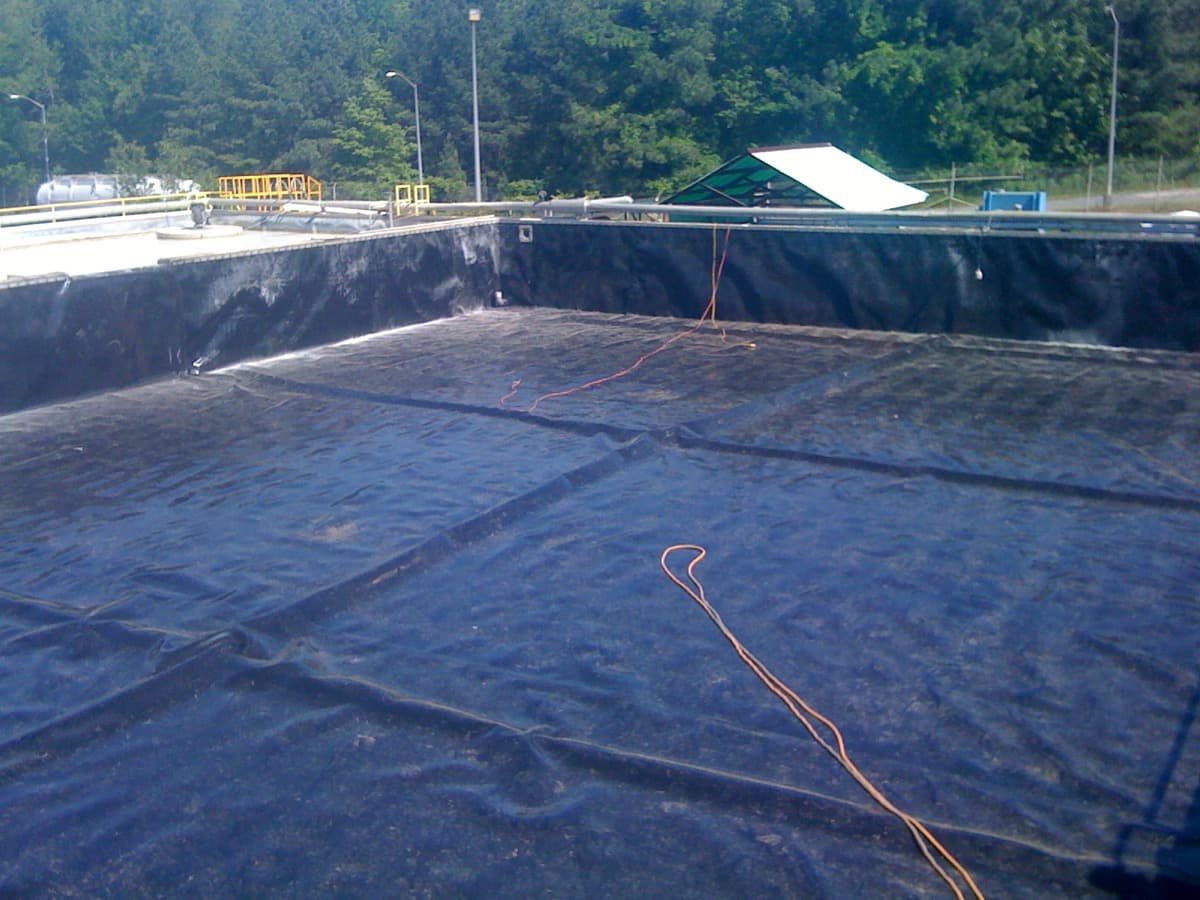
Stormwater runoff from developed sites carries sediment, pollutants, and contaminants that degrade receiving water quality and violate Clean Water Act requirements. The National Pollutant Discharge Elimination System (NPDES) stormwater program requires industrial facilities, construction sites, and municipalities to manage stormwater through best management practices (BMPs) that include collection, detention, retention, and treatment of runoff before discharge.
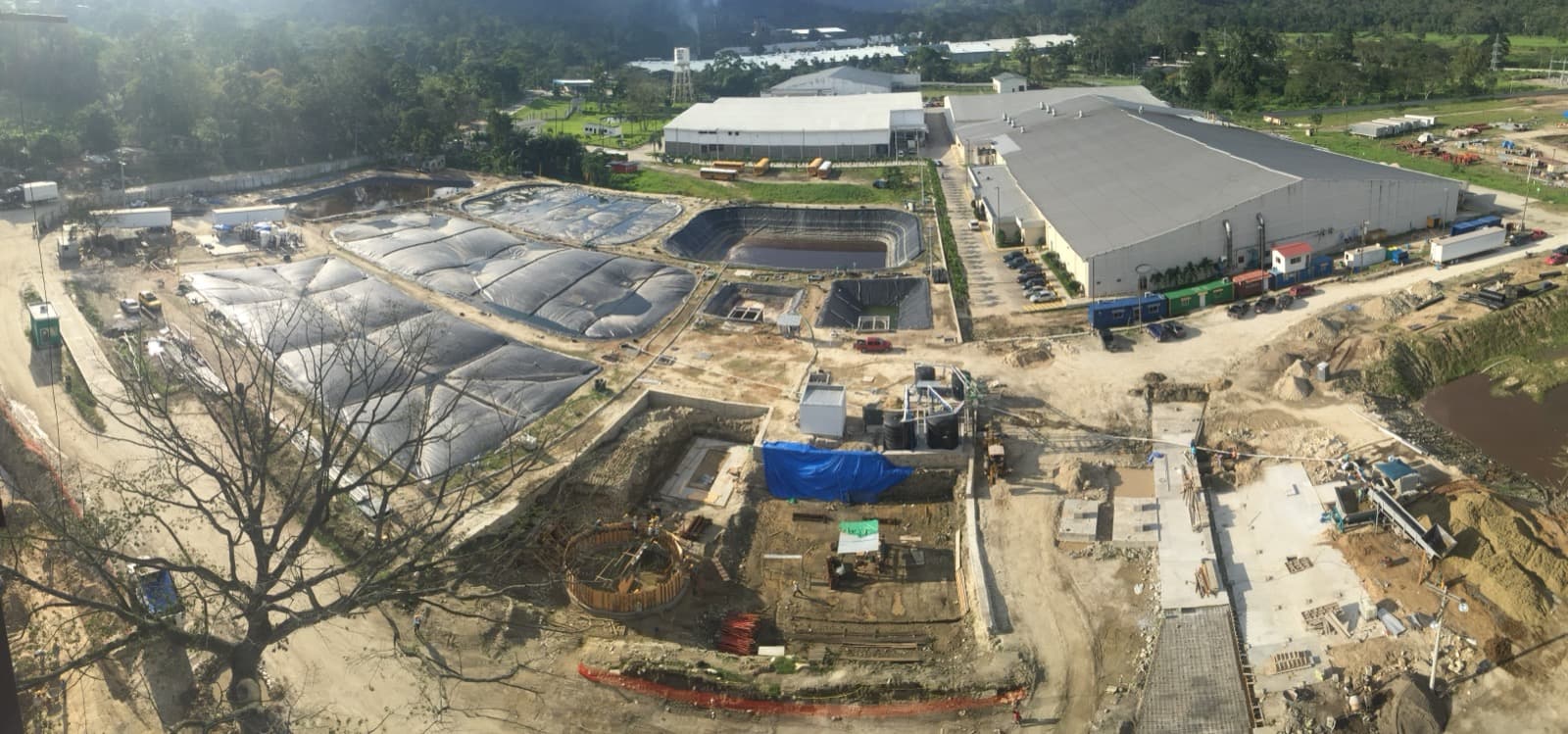
Geosynthetic liners are fundamental components of many stormwater BMPs. Lined retention ponds store stormwater permanently, allowing pollutants to settle and biological processes to break down contaminants. Lined detention basins temporarily hold peak storm flows and release them at controlled rates to prevent downstream flooding. Sediment traps and forebays use liners to create impermeable containment that prevents contaminated sediment from reaching groundwater.
Retention Ponds
Retention ponds (also called wet ponds or permanent pools) maintain a permanent pool of water that provides both water quality treatment and aesthetic value. Stormwater enters the pond, pollutants settle or are biologically processed, and treated water is discharged through a controlled outlet. The permanent pool volume is sized to capture the first flush -- typically the first 1-1.5 inches of runoff -- which carries the highest pollutant concentration.
- Liner purpose: Prevents stormwater pollutants from infiltrating into groundwater. Essential when the pond is located over vulnerable aquifers, in areas with high water tables, or where soil permeability is too high to maintain a permanent pool without a liner.
- Material: 40-60 mil HDPE is standard. LLDPE may be used where differential settlement is expected.
- Design considerations: Gentle side slopes (4H:1V or flatter) for safety and maintenance access. Sediment forebay to capture heavy sediment before it reaches the main pool. Aquatic bench at the pond perimeter for wetland vegetation that provides additional treatment.
- Maintenance: Annual sediment removal from the forebay. Periodic (5-10 year) sediment removal from the main pool. Vegetation management on the aquatic bench and embankment slopes.
Detention Basins
Detention basins (also called dry ponds) are designed to temporarily store peak storm flows and release them at a controlled rate. Unlike retention ponds, detention basins drain completely between storm events. The primary function is flood control -- preventing downstream channel erosion and flooding by attenuating peak flow rates.
Liners in detention basins serve a different purpose than in retention ponds. In areas with contaminated stormwater (industrial sites, fueling areas, material storage yards), the liner prevents pollutant-laden stormwater from infiltrating into groundwater during the detention period. The liner also prevents groundwater from entering the basin, which can be important in areas with high water tables that would otherwise reduce available detention storage volume.
Construction Site Sediment Control
Construction sites are among the largest sources of sediment pollution in the United States. A single acre of active construction can generate 35-45 tons of sediment per year -- 1,000 to 2,000 times more than an equivalent area of forest or grassland. NPDES construction general permits require erosion and sediment control BMPs on all sites disturbing more than one acre.
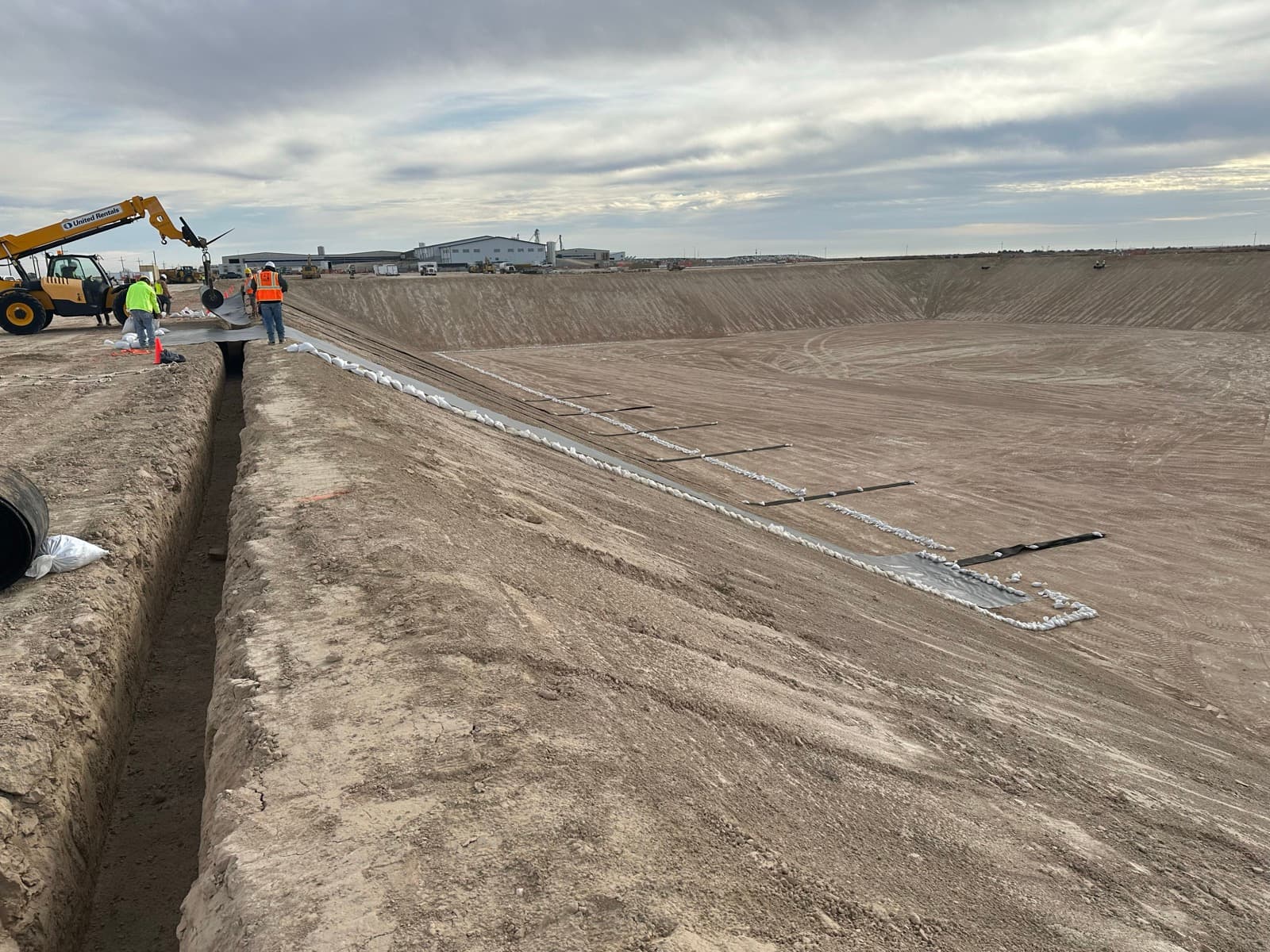
- Sediment basins: Lined temporary basins that capture sediment-laden runoff from the construction area. The liner prevents sediment from infiltrating and ensures that captured sediment can be excavated and disposed of properly when the basin is decommissioned.
- Sediment traps: Smaller lined impoundments positioned at key drainage points to intercept sediment before it leaves the site. Traps are cleaned out regularly during the construction period.
- Dewatering basins: When construction dewatering is required, pumped groundwater often contains suspended sediment that must be settled before discharge. Lined dewatering basins provide contained settling area.
- Temporary liners: For construction-phase BMPs, lighter-weight liners (20-30 mil) or reinforced polyethylene may be appropriate since the service life is limited to the construction period.
Industrial Stormwater Containment
Industrial facilities with outdoor material storage, vehicle maintenance, fueling, or process areas must manage contaminated stormwater under their NPDES multi-sector general permit. Stormwater from these areas may contain petroleum hydrocarbons, metals, suspended solids, and other facility-specific pollutants that exceed discharge limits.
Lined containment areas collect contaminated stormwater and route it to treatment before discharge. The liner ensures that no contaminated stormwater bypasses the treatment system through infiltration. For facilities with secondary containment requirements (chemical storage, fuel storage), the same lined area can serve dual purposes for spill containment and stormwater management.
Design and Installation Considerations
- Sizing: Stormwater facility sizing is based on local hydrology, contributing drainage area, and regulatory requirements. Most jurisdictions require capture and treatment of the first 1-1.5 inches of rainfall from impervious surfaces.
- Inlet and outlet structures: Must be designed to prevent liner damage from concentrated flow. Riprap or concrete aprons at inlet points dissipate energy and prevent erosion.
- Overflow: A designed overflow pathway handles flows that exceed the design storm. The overflow must be armored and must not compromise the liner perimeter.
- Access for maintenance: Equipment access for sediment removal is critical. Design must include a ramp or access road to the basin floor that does not damage the liner.
EFI USA installs geosynthetic liner systems for stormwater retention ponds, detention basins, sediment control structures, and industrial containment areas. Our systems are designed to meet local stormwater regulations and provide long-term reliable containment. Contact us for a stormwater project consultation.