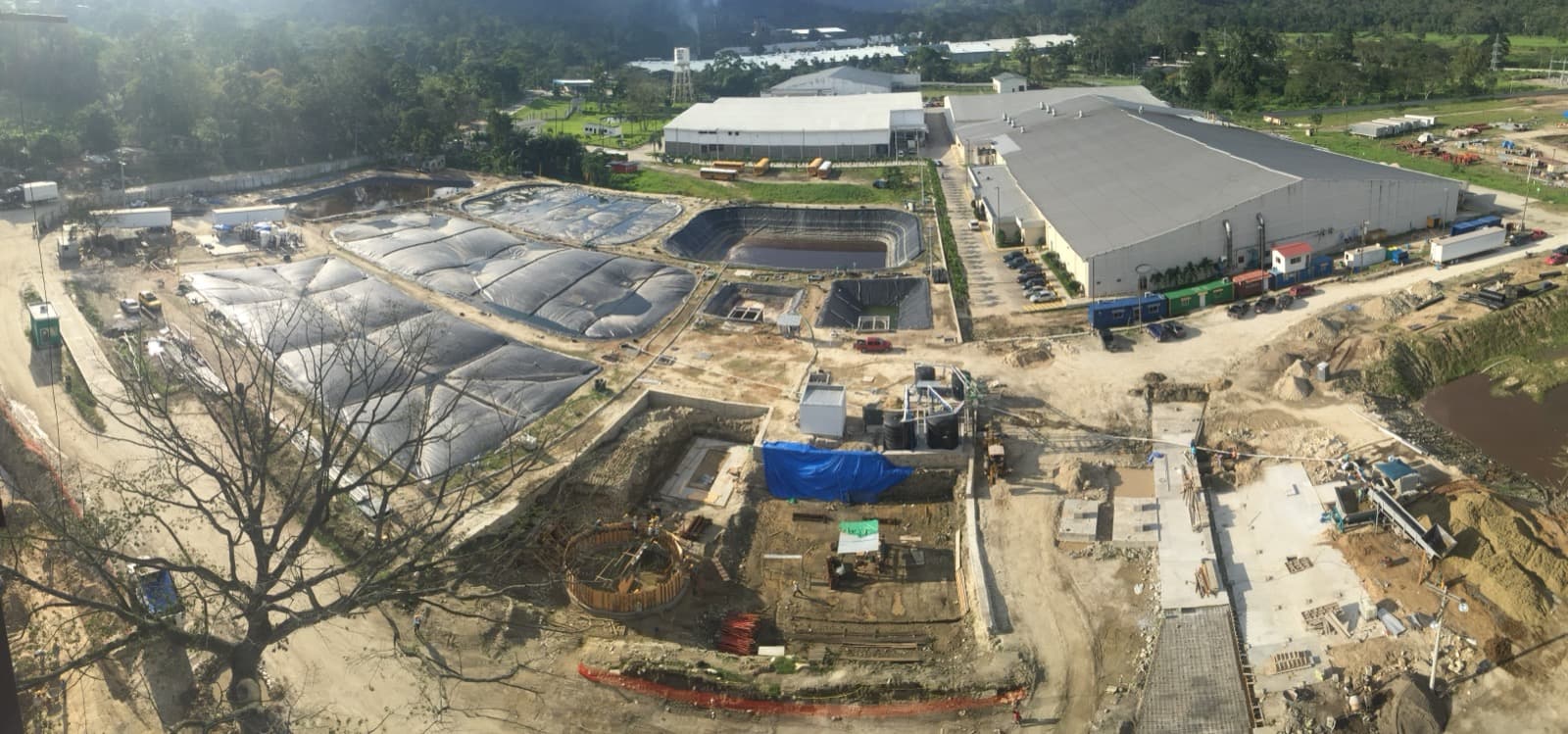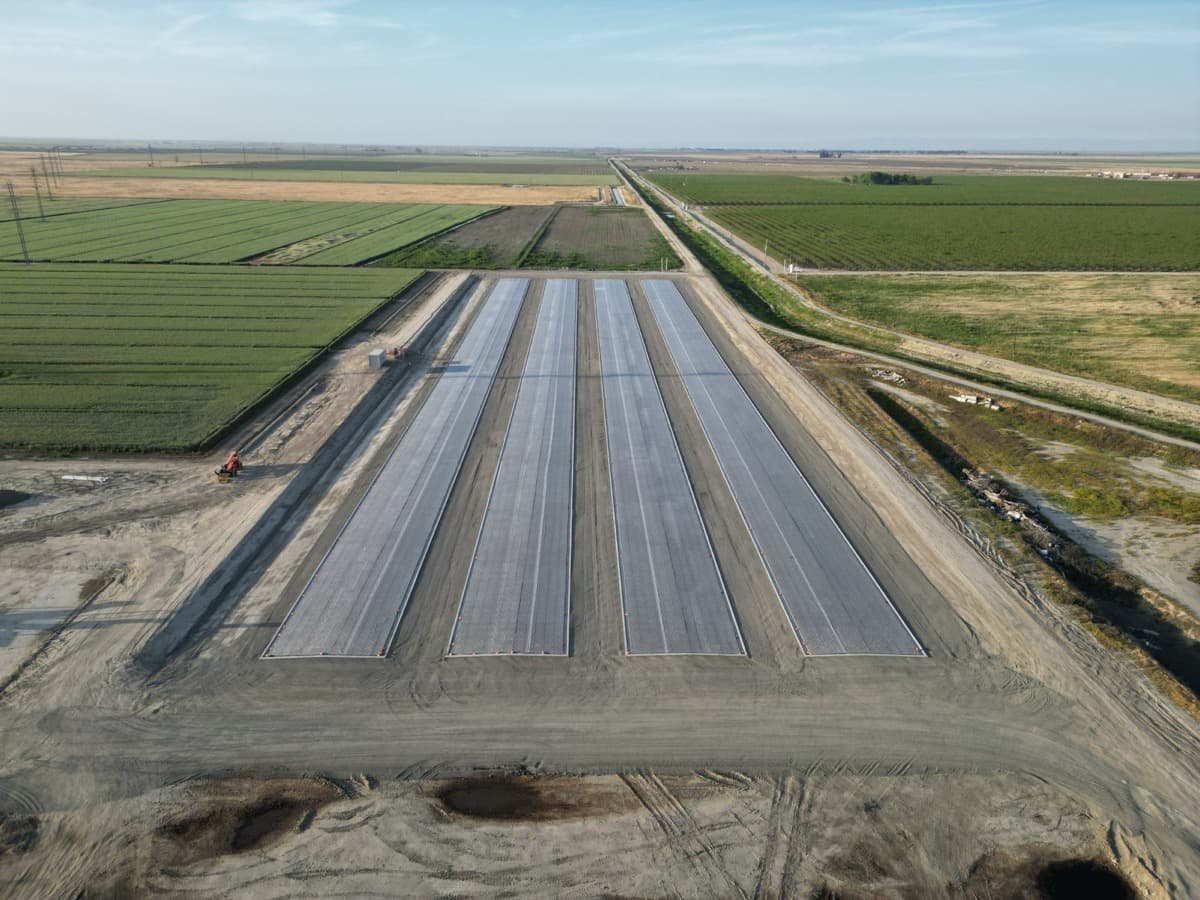
The US swine industry manages approximately 75 million hogs across concentrated animal feeding operations (CAFOs) that generate enormous volumes of liquid manure. Most of this waste is stored in anaerobic lagoons that emit methane, hydrogen sulfide, ammonia, and volatile organic compounds. As regulatory scrutiny intensifies and carbon markets mature, swine operations have both a growing obligation and a financial incentive to capture and destroy lagoon methane.
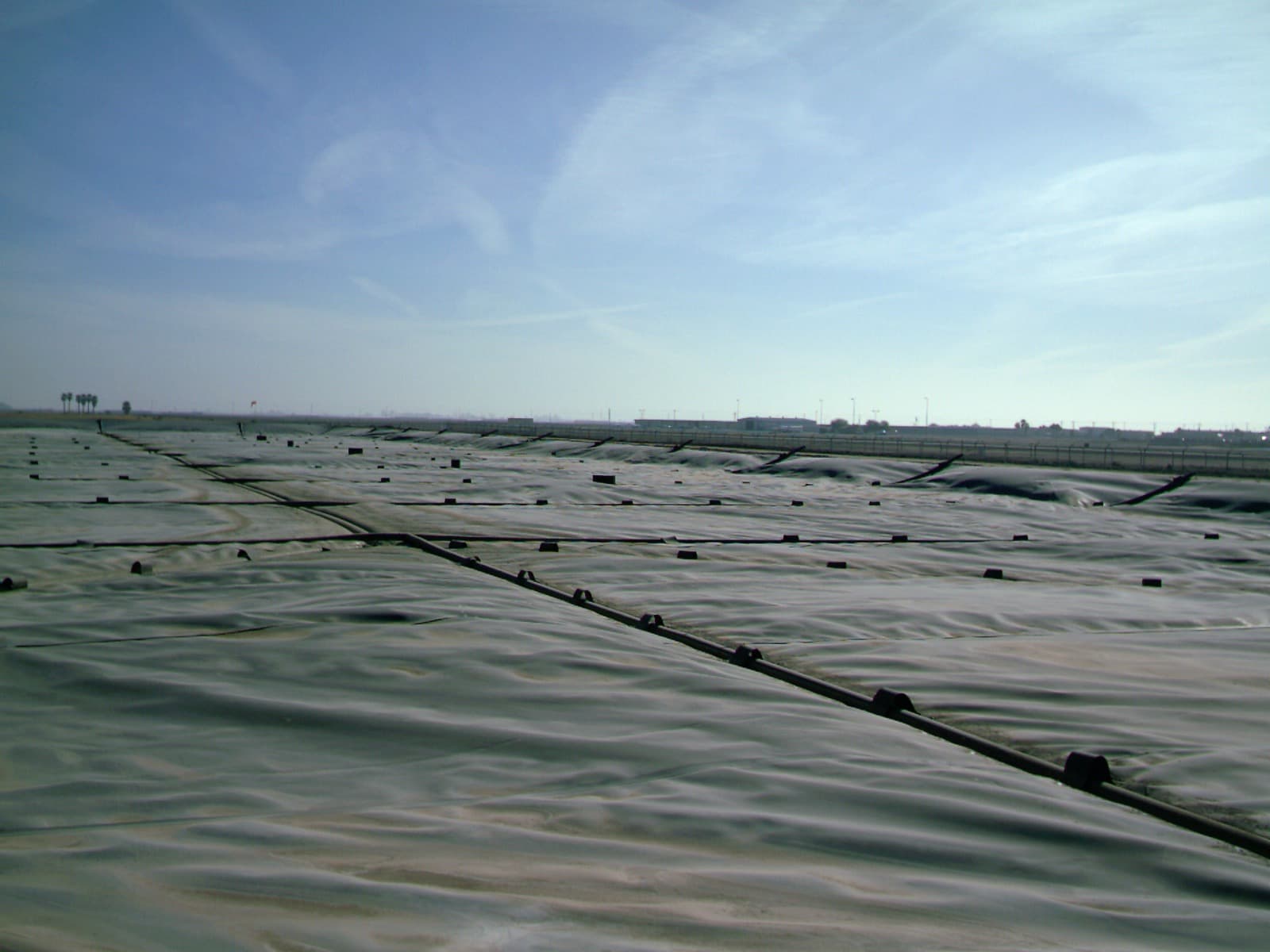
EFI USA has extensive experience with swine lagoon covers and biogas systems, particularly in North Carolina, Iowa, and the upper Midwest -- the three largest pork-producing regions in the country. Our covered lagoon digester systems are specifically engineered for the unique characteristics of swine waste.
Regulatory Landscape for Swine Operations
Swine CAFOs face a patchwork of federal and state regulations that is becoming more restrictive. Understanding the current and emerging regulatory landscape is essential for planning methane management investments.
- Federal CAFO permits: EPA's NPDES program requires discharge permits for large CAFOs (2,500+ hogs over 55 lbs). Lagoon management and nutrient plans are mandatory components.
- State air quality regulations: North Carolina's lagoon moratorium and conversion requirements have driven significant investment in alternative waste treatment. Other states are watching this model.
- Greenhouse gas reporting: EPA's Greenhouse Gas Reporting Program (Subpart JJ) requires reporting from facilities emitting 25,000+ metric tons CO2e annually. Many large swine operations exceed this threshold.
- Nuisance liability: Community complaints about odor from swine lagoons have resulted in multi-million dollar jury verdicts. Smithfield Foods alone has faced hundreds of millions in nuisance judgments.
- Emerging methane rules: The EPA Methane Emissions Reduction Program and state-level clean air initiatives are moving toward mandatory methane management for agricultural sources.
Swine Waste Characteristics and Biogas Production
Swine manure has characteristics that make it well-suited to covered lagoon digester treatment. The waste is relatively homogeneous, has moderate total solids content (3-6% TS in lagoon systems), and produces biogas with consistent methane concentrations of 55-70%. A typical 5,000-head finishing operation generates enough biogas for 100-200 kW of continuous electrical generation equivalent.
However, swine waste also presents challenges. Hydrogen sulfide levels in swine lagoon biogas are typically 1,000-3,000 ppm -- significantly higher than dairy biogas. This H2S is corrosive to equipment and must be managed through gas treatment or material selection. EFI's O2 injection systems can reduce H2S levels by 95%+ without expensive chemical scrubbers.
System Design for Swine Lagoons
Swine lagoon cover systems must account for several factors specific to hog operations:
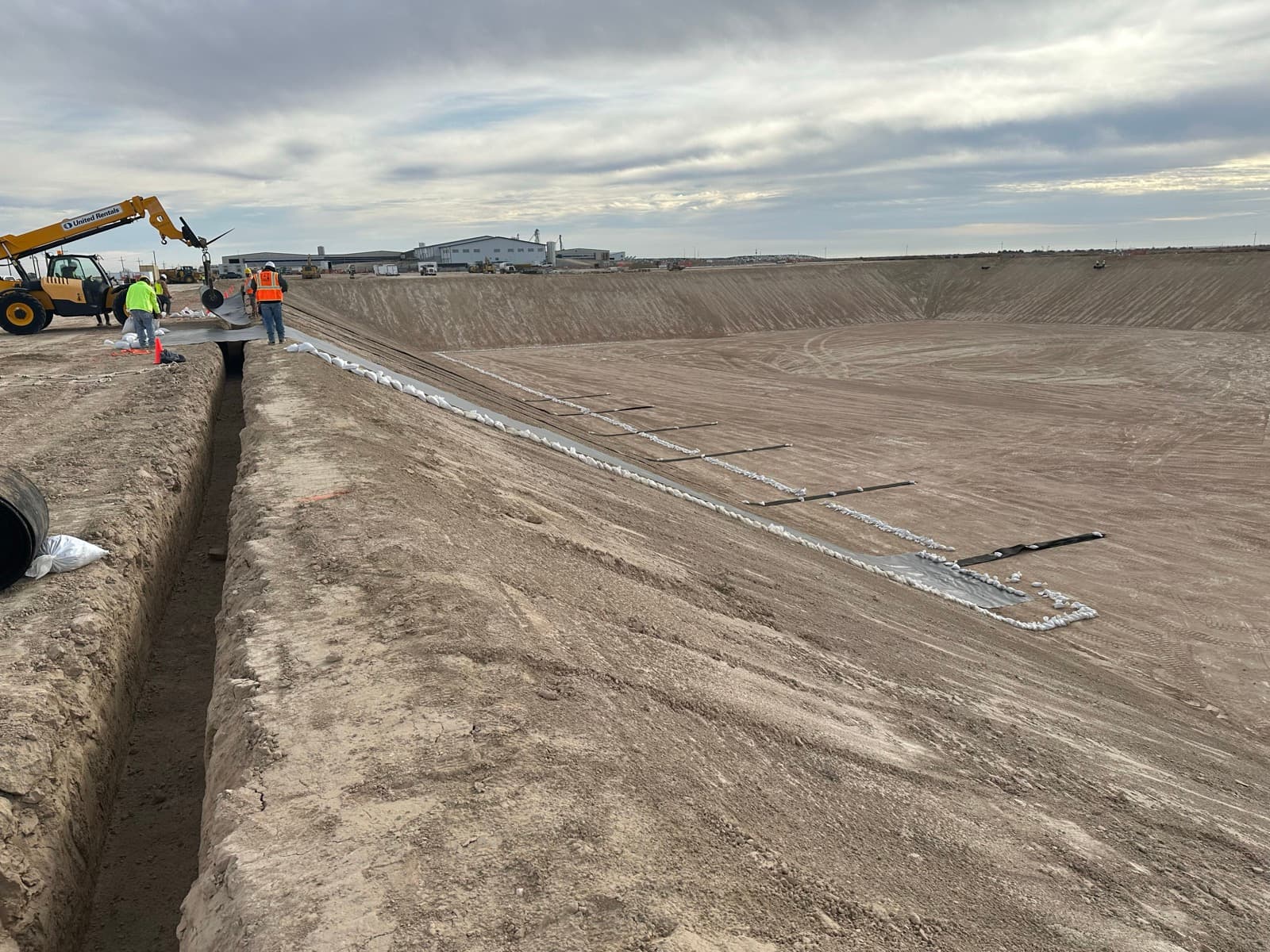
- Lagoon geometry: Swine lagoons vary widely in size and shape, from small rectangular lagoons at nursery operations to multi-acre irregular-shaped lagoons at finishing facilities.
- Sludge accumulation: Swine lagoons accumulate sludge faster than dairy lagoons. Cover systems must be designed to accommodate periodic sludge removal without damaging the cover.
- Seasonal loading: Farrowing-to-finish operations have relatively constant loading, but operations that buy feeder pigs may have seasonal loading patterns that affect biogas production.
- Odor priority: For many swine operations, odor reduction is the primary driver, with biogas capture and carbon credits as secondary benefits. The cover system addresses both simultaneously.
- H2S management: High H2S levels require corrosion-resistant piping (HDPE rather than steel), specialized flare materials, and often an O2 injection system to reduce H2S before the flare.
ROI and Carbon Credit Revenue
Under EFI's cap-and-flare model, swine operations generate carbon credit revenue with zero upfront capital investment. Typical annual revenue ranges based on operation size:
- 2,500-head finishing operation: $30,000 to $80,000 per year in shared carbon credit revenue.
- 5,000-head finishing operation: $60,000 to $160,000 per year.
- 10,000+ head operation: $120,000 to $350,000+ per year.
- Large integrator sites (25,000+ head): $300,000 to $800,000+ per year.
These revenue projections are based on current carbon credit market pricing and typical biogas yields for the Southeast and Midwest. Actual revenue depends on waste characteristics, climate, and credit market conditions at the time of sale.
Case for Early Action
Swine operations that install methane capture systems now benefit from first-mover advantages: current carbon credit prices, favorable regulatory treatment for voluntary early action, and the ability to lock in long-term credit agreements before potential market saturation. Waiting for mandatory regulations typically means higher compliance costs and no carbon credit revenue, since mandated reductions are generally not credit-eligible.
“The swine industry will be required to manage lagoon emissions eventually. Operations that act now turn a future compliance cost into a current revenue stream. The math is straightforward.”
-- EFI USA Technical Team
Contact EFI for a free site assessment and carbon credit revenue projection for your swine operation. We handle everything from engineering and installation to credit verification and sales.