When people think about greenhouse gases, carbon dioxide dominates the conversation. CO2 gets the headlines, the policy frameworks, and the bulk of mitigation funding. But there is a far more potent greenhouse gas escaping from tens of thousands of agricultural sites across the United States right now -- methane. Pound for pound, methane traps 80 times more heat than CO2 over a 20-year period. And unlike the diffuse, hard-to-capture emissions from tailpipes and smokestacks, agricultural methane comes from identifiable, concentrated sources that can be addressed with proven technology today.
The Scale of Agricultural Methane
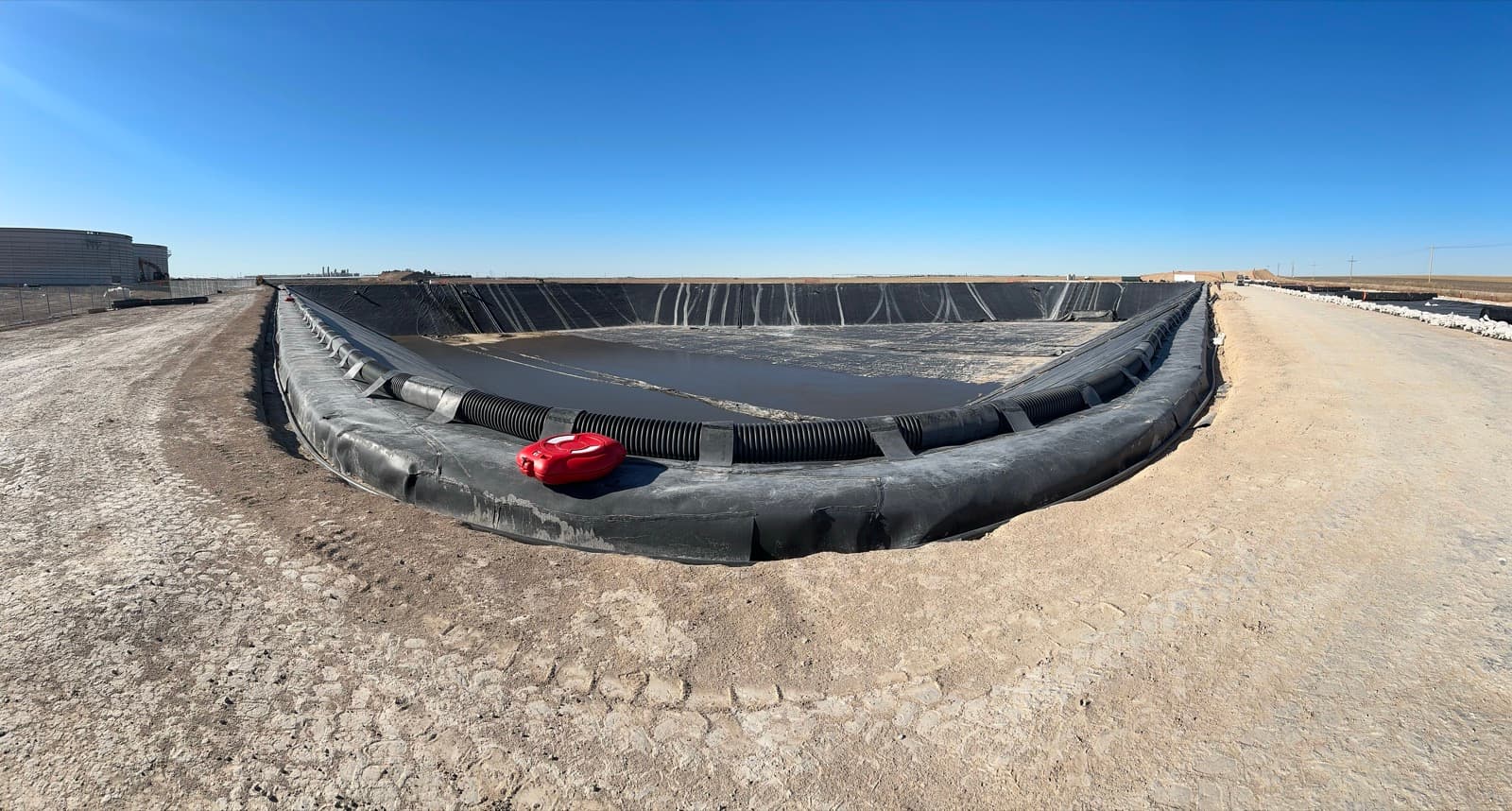
The EPA estimates that agriculture accounts for approximately 36% of all US methane emissions, making it the single largest domestic source. Livestock operations -- primarily dairy and swine -- generate methane through enteric fermentation and, more significantly for mitigation purposes, through the anaerobic decomposition of manure stored in lagoons and holding ponds. Food processing facilities contribute additional methane through high-strength organic wastewater that decomposes in treatment lagoons. Together, these sources represent an enormous and largely unaddressed climate liability.
The numbers are staggering. There are over 17,500 livestock and food processing sites in the US with unmitigated methane emissions. These are not marginal sources. A single 5,000-head dairy operation can emit methane equivalent to 10,000-15,000 metric tons of CO2 per year. Multiply that across thousands of operations and the aggregate climate impact rivals entire industrial sectors that receive far more regulatory attention.
Why Methane's GWP Matters More Than You Think
Global Warming Potential (GWP) is the standard metric for comparing greenhouse gases to CO2. Methane's GWP depends on the time horizon you use. Over 100 years, methane is roughly 28-34 times more potent than CO2 -- the figure most commonly cited in policy discussions. But over 20 years, methane's GWP jumps to approximately 80-86 times that of CO2. This distinction matters enormously because methane is a short-lived climate pollutant. It persists in the atmosphere for about 12 years before breaking down, compared to centuries for CO2. That means reducing methane emissions delivers outsized climate benefits in the near term -- exactly the timeframe that matters most for avoiding critical climate tipping points.
- Methane GWP (20-year horizon): 80-86x CO2
- Methane GWP (100-year horizon): 28-34x CO2
- Atmospheric lifetime: ~12 years (vs. centuries for CO2)
- US agricultural methane: ~36% of total US methane emissions
- Unmitigated US sites: 17,500+ livestock and food processing facilities
- Single large dairy: 10,000-15,000 MT CO2e per year in fugitive methane
The RNG Bottleneck
Renewable natural gas (RNG) projects have received the most attention and funding as a methane mitigation pathway. The logic is appealing: capture biogas, clean it to pipeline quality, and sell it as a fuel replacement. But RNG projects are expensive ($8-15M+ per site), technically complex, and dependent on volatile credit markets for economic viability. The result is that fewer than 400 agricultural RNG projects operate in the US today. At the current pace of RNG development, it would take decades to address even a fraction of the 17,500 unmitigated sites. Meanwhile, those sites continue emitting methane every single day.
Cap-and-Flare: Immediate Methane Destruction
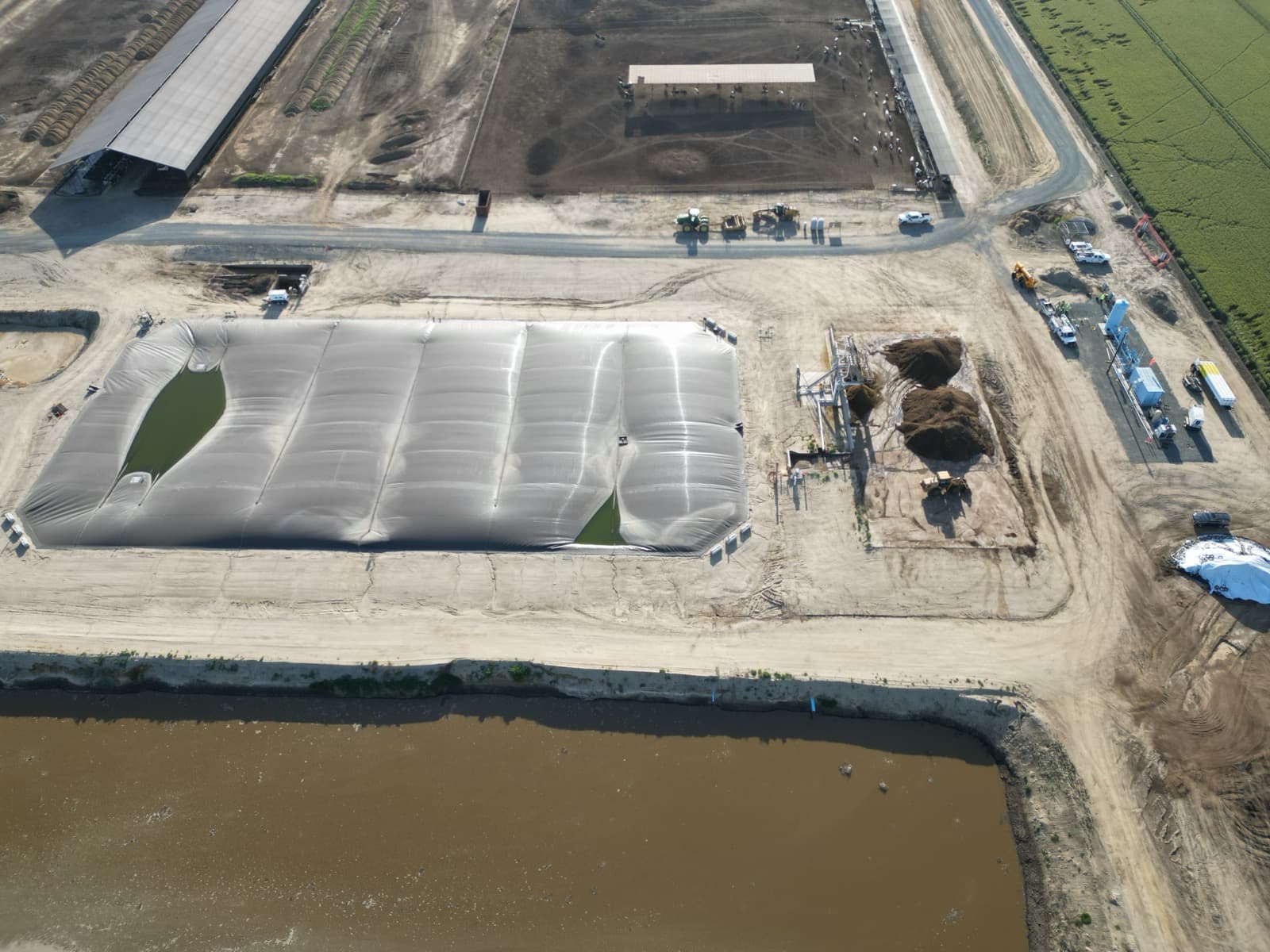
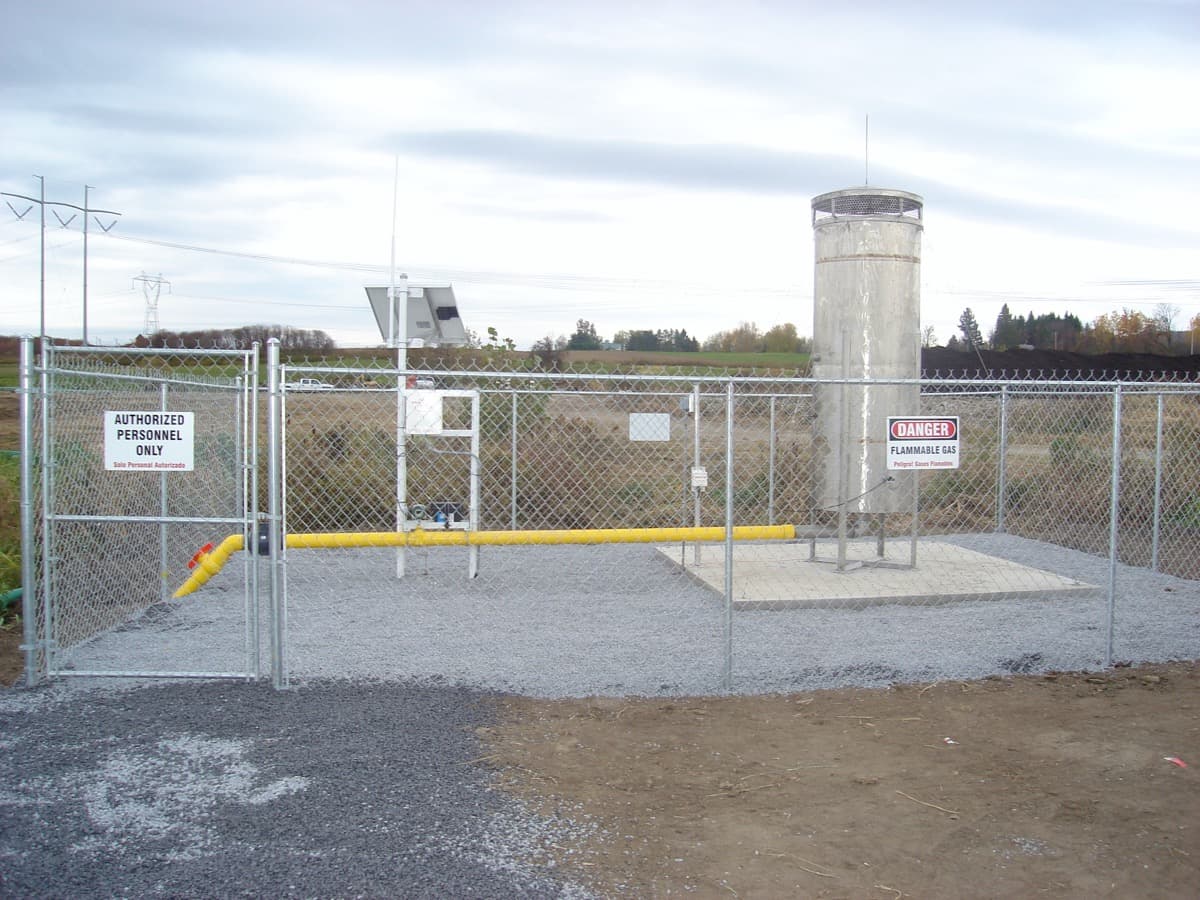
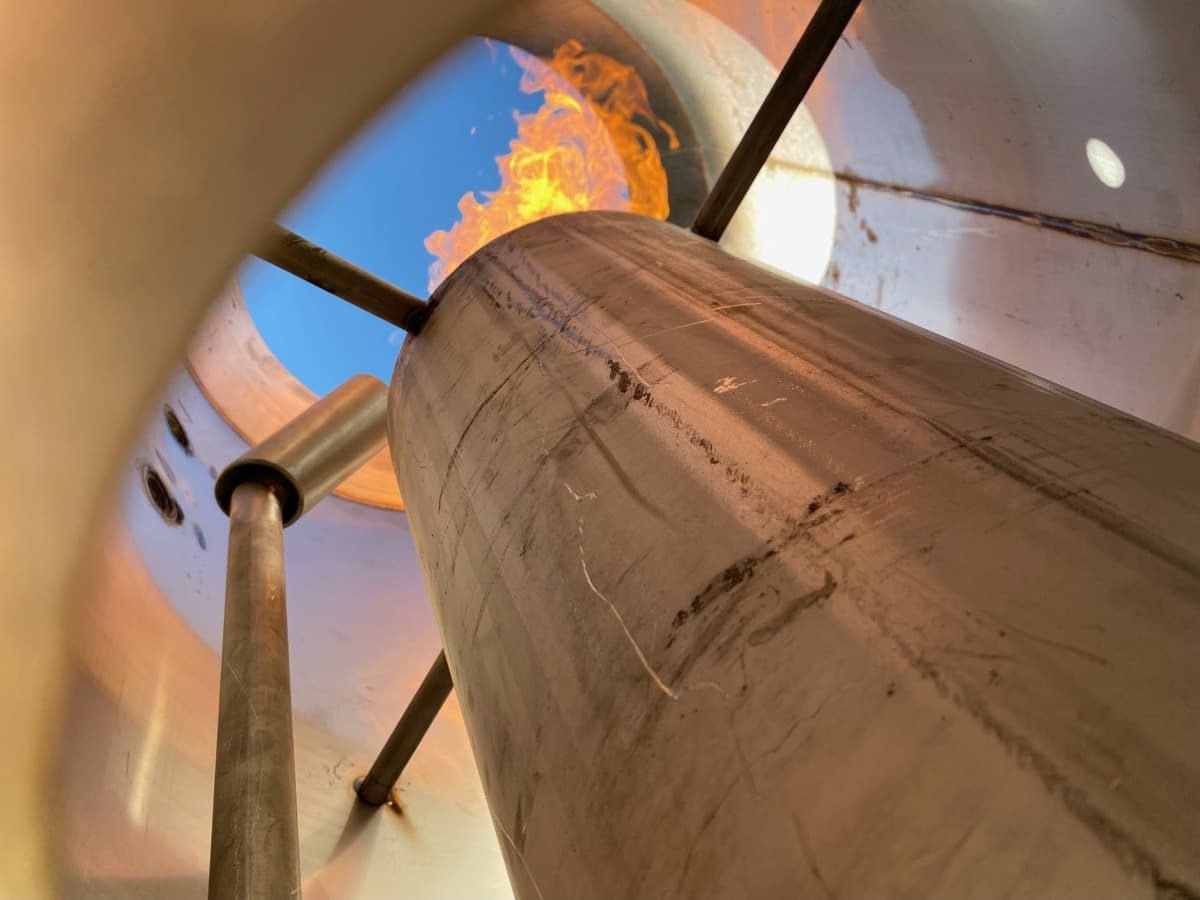
Cap-and-flare systems take a fundamentally different approach. Instead of trying to monetize biogas as a fuel product, cap-and-flare captures methane under an engineered floating cover and routes it to an enclosed flare for thermal destruction. The flare converts methane to CO2 and water vapor -- still a greenhouse gas emission, but one that is 80 times less impactful over 20 years. A properly designed and operated cap-and-flare system destroys 95-99% of captured methane, delivering immediate and verifiable climate benefits.
The economics are equally compelling. A complete cap-and-flare installation typically costs $300K-$1.5M depending on lagoon size and site conditions -- a fraction of an RNG project. Installation timelines measured in weeks rather than years mean sites go from uncontrolled emissions to verified destruction rapidly. And because cap-and-flare generates carbon credits through established protocols like CARB and the voluntary carbon market, the system can be deployed at zero upfront cost to the waste generator through revenue-sharing arrangements.
“The fastest ton of methane destroyed is always better than the cheapest ton planned for next year. Every day an unmitigated site operates is another day of avoidable climate damage.”
-- EFI USA Engineering
The Opportunity Ahead
The gap between where we are and where we need to be on agricultural methane is enormous -- but that gap is also an opportunity. With 17,500+ unmitigated sites, proven destruction technology, and economic models that eliminate cost barriers for site operators, the path forward is clear. Cap-and-flare will not replace RNG where RNG makes economic sense. But for the vast majority of sites where RNG is not viable -- small to mid-size dairies, swine operations, food processors with moderate biogas volumes -- cap-and-flare is the only realistic path to methane destruction in the near term. The climate math demands we deploy both solutions, but it demands we start destroying methane now rather than waiting for perfect solutions later.