For decades, agricultural methane emissions existed in a measurement blind spot. Emissions inventories relied on estimates and emission factors, not direct measurement. A dairy with an open lagoon emitting 5,000 tons of CO2-equivalent per year looked the same on paper as one with half that emission rate -- nobody was actually measuring. That era is ending. Satellite-based methane detection technology has advanced to the point where individual farm-scale emission sources are now identifiable from orbit, and the EPA has begun supplementing ground-based monitoring with aerial surveys. The implications for agricultural operations with uncontrolled methane emissions are significant.
The Satellite Revolution: MethaneSAT and GHGSat
MethaneSAT, launched in March 2024 by the Environmental Defense Fund, orbits at 525 km altitude and measures methane concentrations at a resolution of approximately 100m x 400m with sensitivity down to 2-3 parts per billion. It can detect and quantify emissions from large point sources and map area-wide emission rates across entire agricultural regions. GHGSat operates a constellation of commercial satellites with even finer spatial resolution -- roughly 25m x 25m -- capable of pinpointing individual emission sources at large dairy and swine operations. Both systems make multiple passes per week over major agricultural regions, building persistent emission profiles that reveal not just snapshots but trends.
EPA Aerial Monitoring Programs
- The EPA's flyover programs use aircraft equipped with infrared cameras and spectrometers to identify methane plumes from both oil and gas facilities and large agricultural sources.
- Under the Inflation Reduction Act's Methane Emissions Reduction Program, the EPA has expanded aerial monitoring to specifically include concentrated animal feeding operations (CAFOs) and large anaerobic lagoons.
- Third-party organizations including Carbon Mapper and the International Methane Emissions Observatory (IMEO) conduct independent aerial surveys and publish results publicly, creating additional detection pathways outside of EPA enforcement.
- Several states -- including California, New York, and Colorado -- have initiated their own methane monitoring programs targeting agricultural sources, using both aircraft and ground-based mobile labs.
What 'Super-Emitter' Means for Agriculture
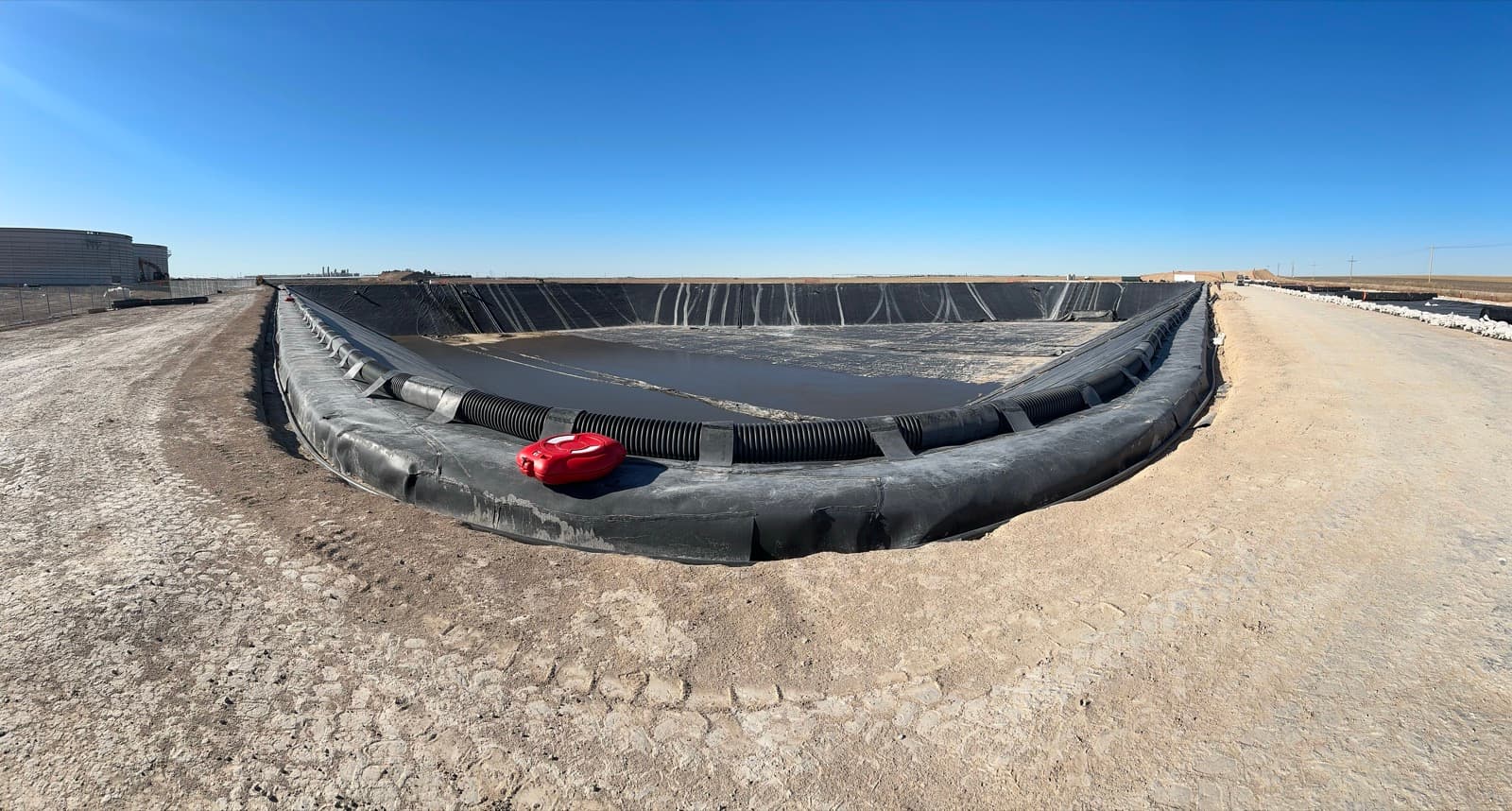
The term 'super-emitter' originally described oil and gas facilities with disproportionately large methane releases, but it increasingly applies to agricultural sources. A single large dairy operation with uncovered anaerobic lagoons can emit 2,000-10,000 metric tons of CO2-equivalent per year -- comparable to a small natural gas processing plant. Research published in Environmental Science & Technology has shown that a relatively small percentage of agricultural operations account for a disproportionate share of total sector emissions, making them prime targets for detection and potential enforcement.
Regulatory and Financial Implications
The Inflation Reduction Act established a methane fee starting at $900 per ton in 2024, escalating to $1,500 per ton by 2026, applicable to facilities reporting more than 25,000 metric tons of CO2-equivalent in annual emissions. While the initial targets are oil and gas facilities, the legislative framework exists to expand to agricultural sources. More immediately, satellite detection data is being used to support state-level enforcement actions, citizen suits under the Clean Air Act, and ESG risk assessments by lenders and insurers. Farms identified as super-emitters face increasing risk of regulatory action, financing complications, and reputational damage with downstream buyers who have made sustainability commitments.
Why Cap-and-Flare Provides Insurance Against Detection
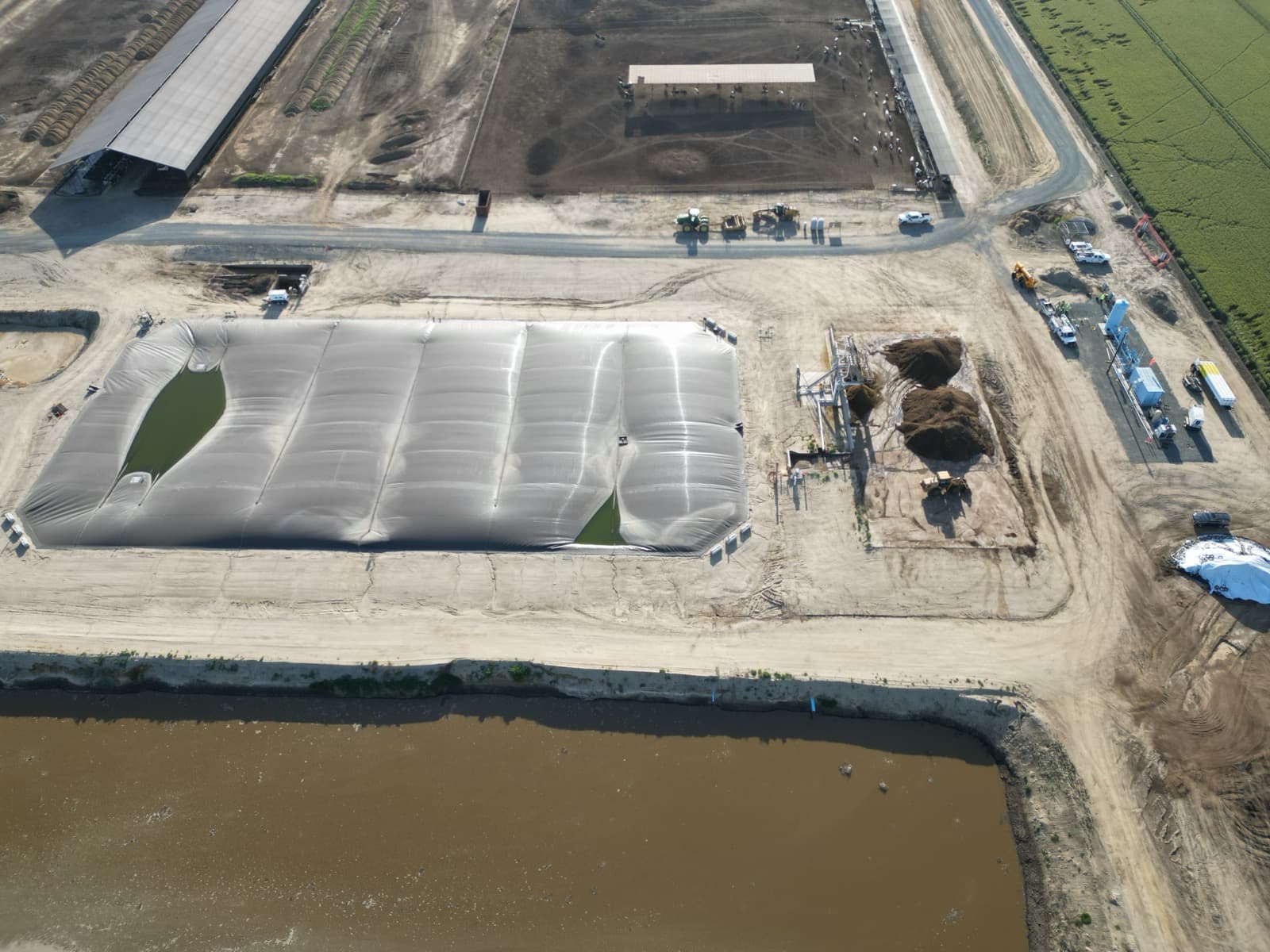
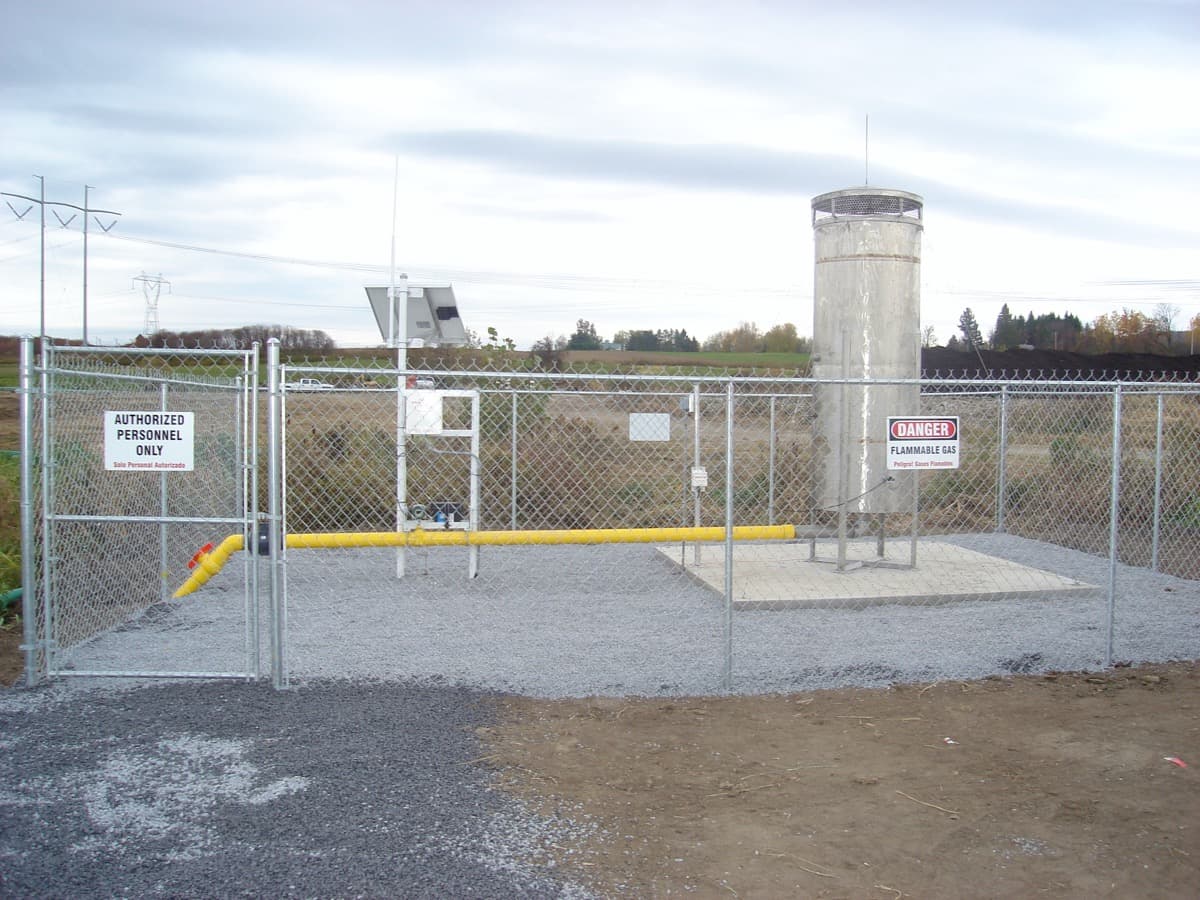
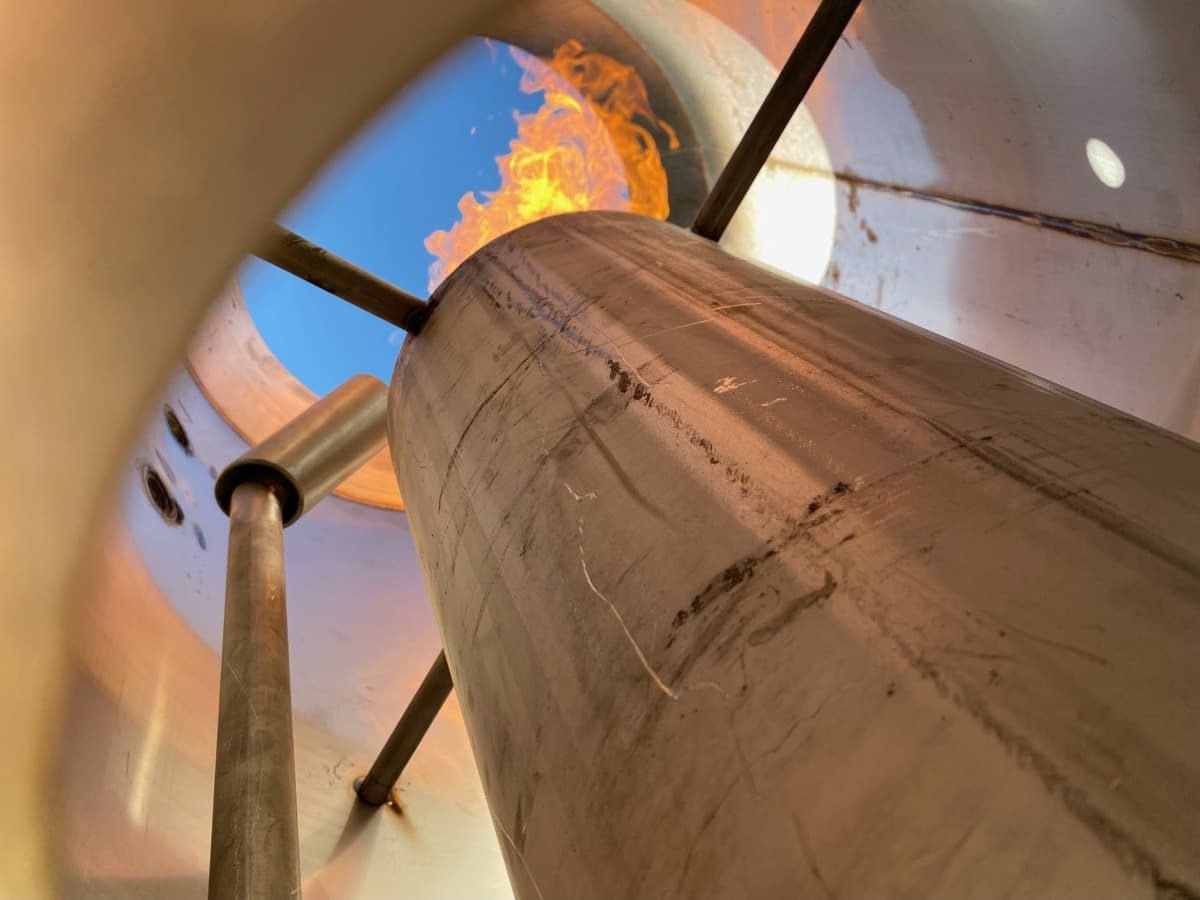
EFI's cap-and-flare model directly addresses the super-emitter risk. By installing a floating cover on the lagoon and destroying the captured methane through a continuously monitored flare system, a farm converts from a detectable emission source to a verified destruction site. A properly operating cap-and-flare system achieves 98%+ methane destruction efficiency, reducing emissions from potentially thousands of tons of CO2-equivalent per year to near-zero. From a satellite's perspective, the farm goes from a visible methane plume to a clean thermal signature.
The economics reinforce the risk management case. EFI's zero-cost model means the farm pays nothing for installation or operation -- EFI finances the system and recovers costs through carbon credit revenue, sharing proceeds with the farm owner after the investment is repaid. The farm eliminates its super-emitter liability, gains a revenue stream from carbon credits, and maintains full compliance with current and anticipated methane regulations. In an era of satellite-visible emissions, doing nothing is no longer a low-risk strategy.