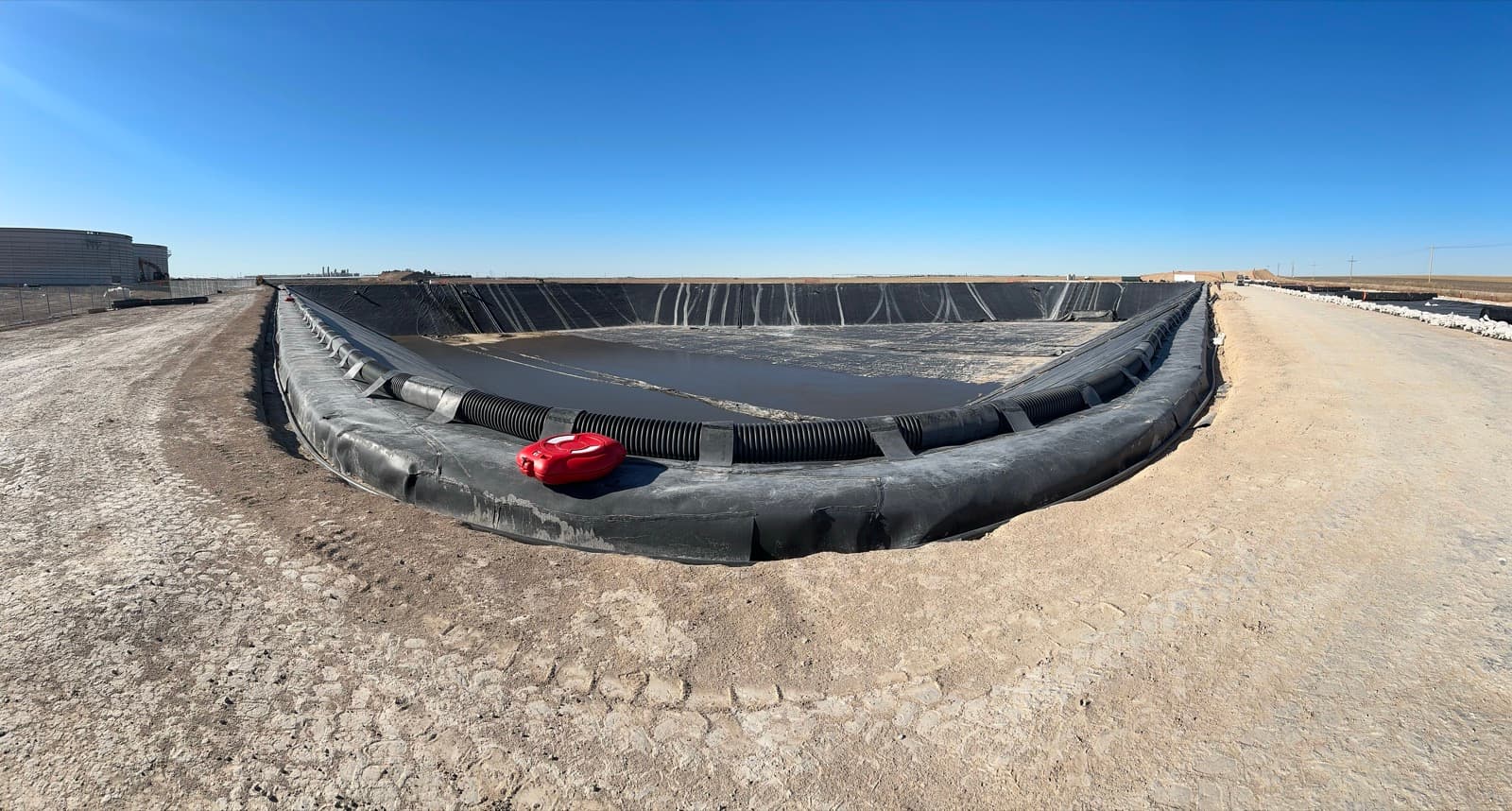
An uncovered wastewater lagoon is an open source of odor complaints, algae growth, greenhouse gas emissions, and regulatory risk. Covering the lagoon addresses all of these issues in a single infrastructure investment. Whether the primary driver is odor control, environmental compliance, or revenue from captured biogas, a lagoon cover system delivers measurable, documented benefits from day one.
EFI USA has installed floating cover systems on municipal, industrial, and agricultural wastewater lagoons across the United States for over 30 years. Our experience spans the full range of applications, from small farm ponds to multi-acre industrial treatment systems.
Odor Control
Odor is the most common reason facilities invest in lagoon covers. Wastewater lagoons emit hydrogen sulfide, ammonia, mercaptans, and volatile organic compounds that create nuisance conditions for nearby residents and businesses. As development encroaches on previously isolated treatment facilities, odor complaints have become a leading cause of regulatory enforcement actions and civil litigation.
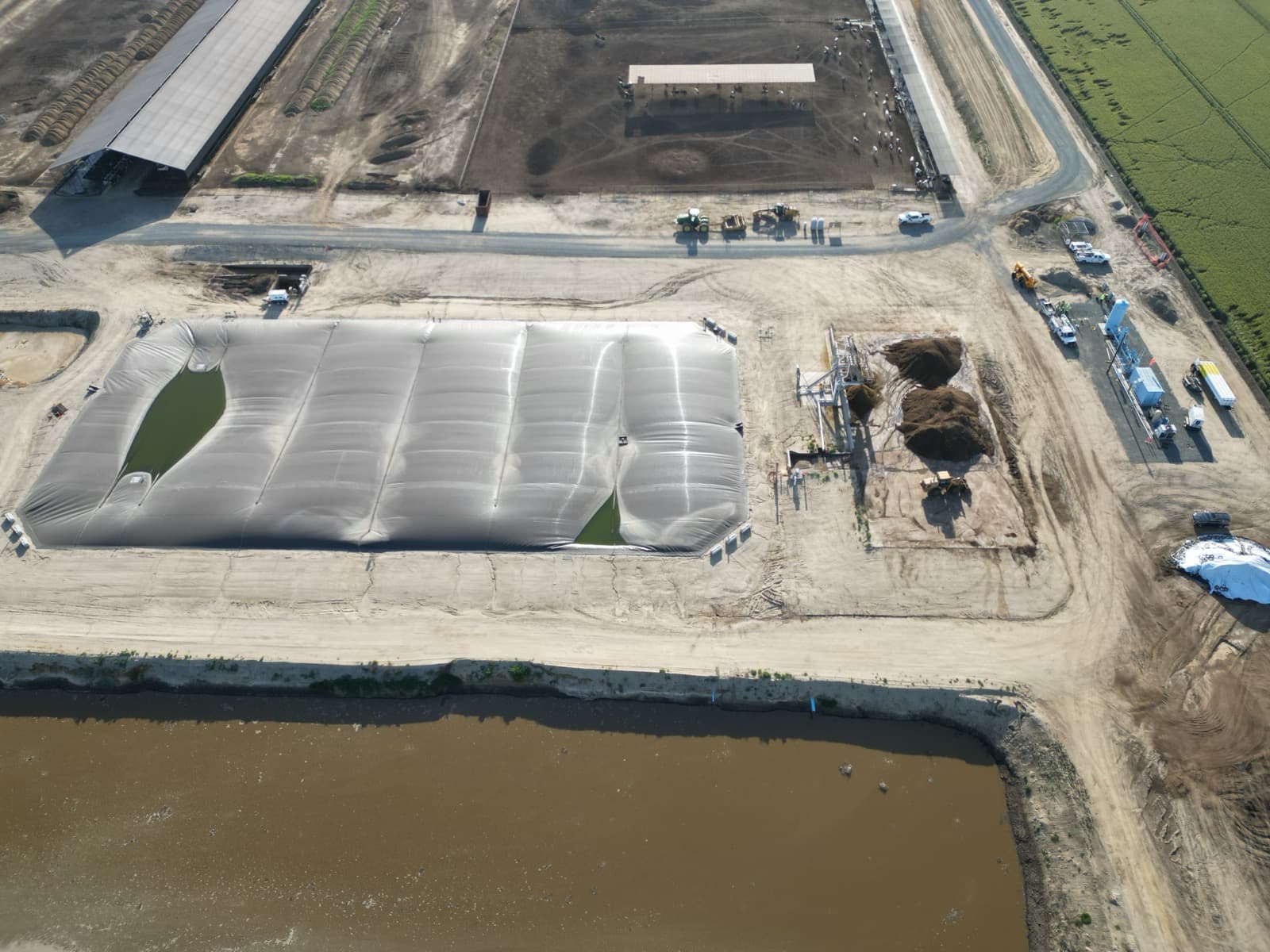
An impermeable geomembrane floating cover eliminates 95-99% of odorous emissions from the lagoon surface. The cover traps gases beneath the membrane, where they can be collected and treated or destroyed. For facilities facing nuisance complaints or regulatory odor limits, a cover is the most effective single investment available.
- Immediate odor reduction: Cover installation provides near-instantaneous elimination of lagoon surface emissions. Results are measurable within days.
- Regulatory compliance: Covers satisfy air quality permit requirements for emission containment and treatment.
- Community relations: Odor elimination restores good relationships with neighbors and removes a source of ongoing complaints.
- Legal protection: Documented odor control measures reduce exposure to nuisance lawsuits and regulatory penalties.
Algae Prevention
Algae growth in lagoons causes a cascade of operational problems: clogged discharge piping, elevated TSS in effluent, increased chlorine demand for disinfection, and aesthetic issues. Blue-green algae (cyanobacteria) can produce toxins that create health risks and trigger public water advisories.
Covering a lagoon blocks sunlight, which is the primary driver of algae growth. Both impermeable geomembrane covers and EFI's 3R permeable foam covers effectively suppress algae by blocking 90-99% of photosynthetically active radiation. Within weeks of cover installation, existing algae populations die off and new growth is prevented as long as the cover remains in place.
Biogas Capture and Revenue
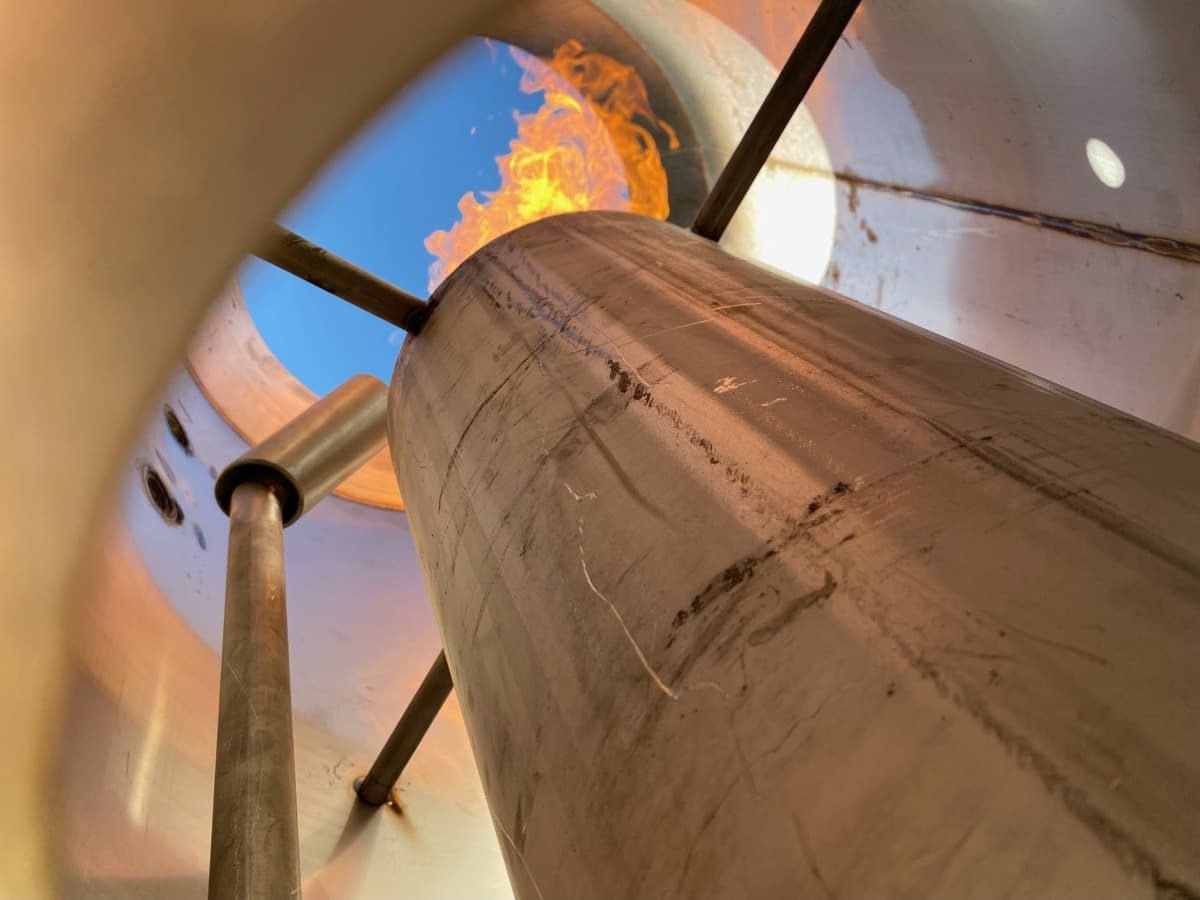
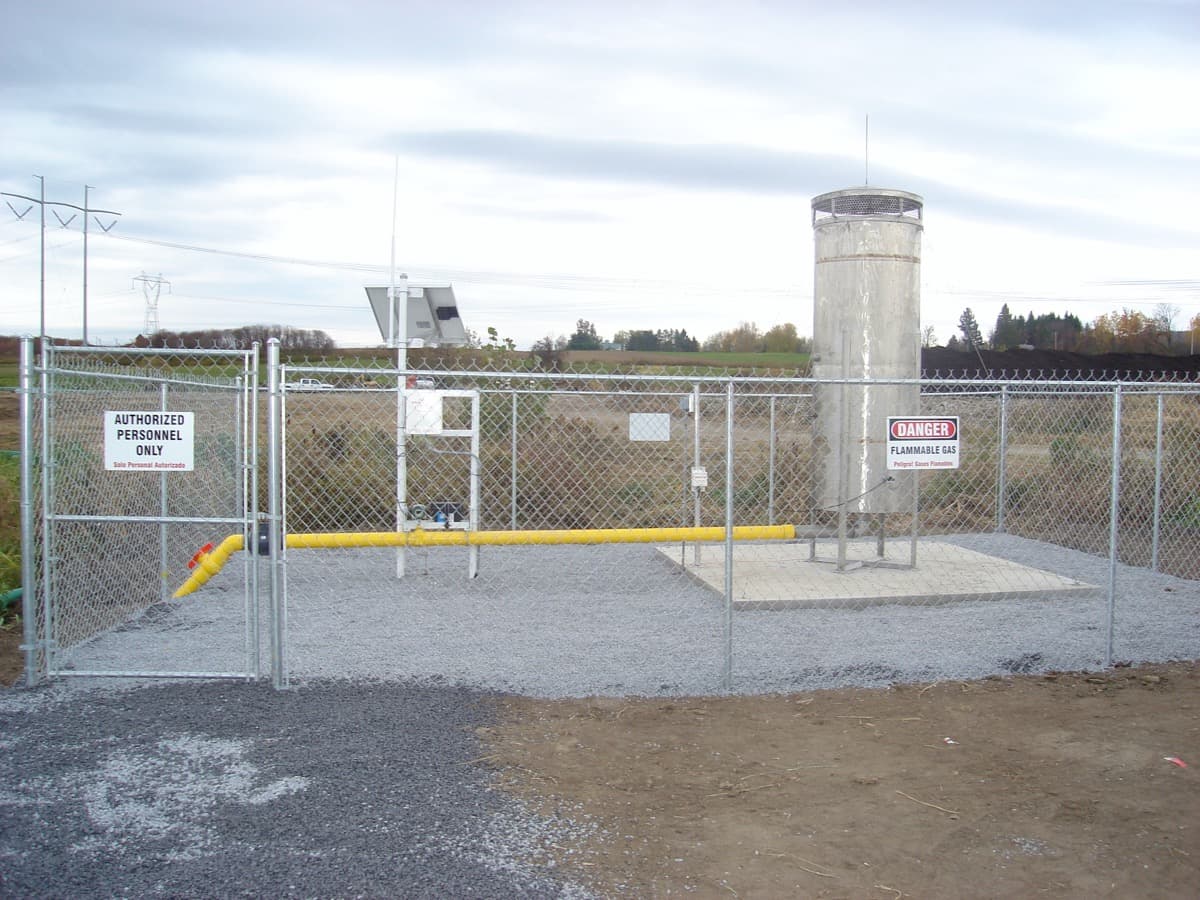
Impermeable covers transform a wastewater lagoon from a source of fugitive greenhouse gas emissions into a controlled biogas collection system. The methane captured beneath the cover can be destroyed in an enclosed flare for carbon credit revenue, used to generate electricity or heat on-site, upgraded to renewable natural gas (RNG) for pipeline injection, or simply destroyed for regulatory compliance with emission limits.
Under EFI's cap-and-flare model, the biogas capture and destruction system is installed at zero cost to the facility owner. EFI funds, builds, and operates the system, sharing carbon credit revenue with the site host. This turns a waste management liability into a revenue-generating asset.
Evaporation Control
In arid and semi-arid regions, evaporation losses from uncovered lagoons can be significant -- 4-8 feet per year in desert climates. For facilities that recycle treated wastewater or store process water, these losses represent a real cost. Floating covers reduce evaporation by 70-95% depending on cover type and design, conserving water and maintaining lagoon operating levels.
Cover Material Options
- HDPE (high-density polyethylene): The workhorse material for impermeable floating covers. 40-60 mil thickness, 20-30+ year service life, excellent chemical resistance. Best for biogas capture and odor containment.
- LLDPE (linear low-density polyethylene): More flexible than HDPE, better for lagoons with irregular geometry or frequent water level fluctuations. Slightly shorter service life.
- RPP (reinforced polypropylene): Lightweight, flexible, and UV-resistant. Used for covers that may need to be removed periodically for maintenance access.
- 3R Foam (permeable foam): Modular permeable foam panels for algae control, evaporation reduction, and partial odor management without the need for gas collection systems.
Return on Investment
The ROI of a lagoon cover depends on which benefits are most valuable to the specific facility. For biogas-to-carbon-credit projects, payback periods of 1-4 years are typical. For odor control projects, the ROI is calculated against avoided regulatory fines, litigation costs, and community impact. For algae control, the savings come from reduced chemical treatment costs and improved discharge quality.
“A lagoon cover does not do one thing -- it does four or five things simultaneously. Odor control, gas capture, algae prevention, evaporation reduction, and regulatory compliance all come from the same investment.”
-- EFI USA Technical Team
Contact EFI for a site assessment and cover system recommendation. We will evaluate your specific treatment objectives, lagoon characteristics, and budget to design the most cost-effective solution.