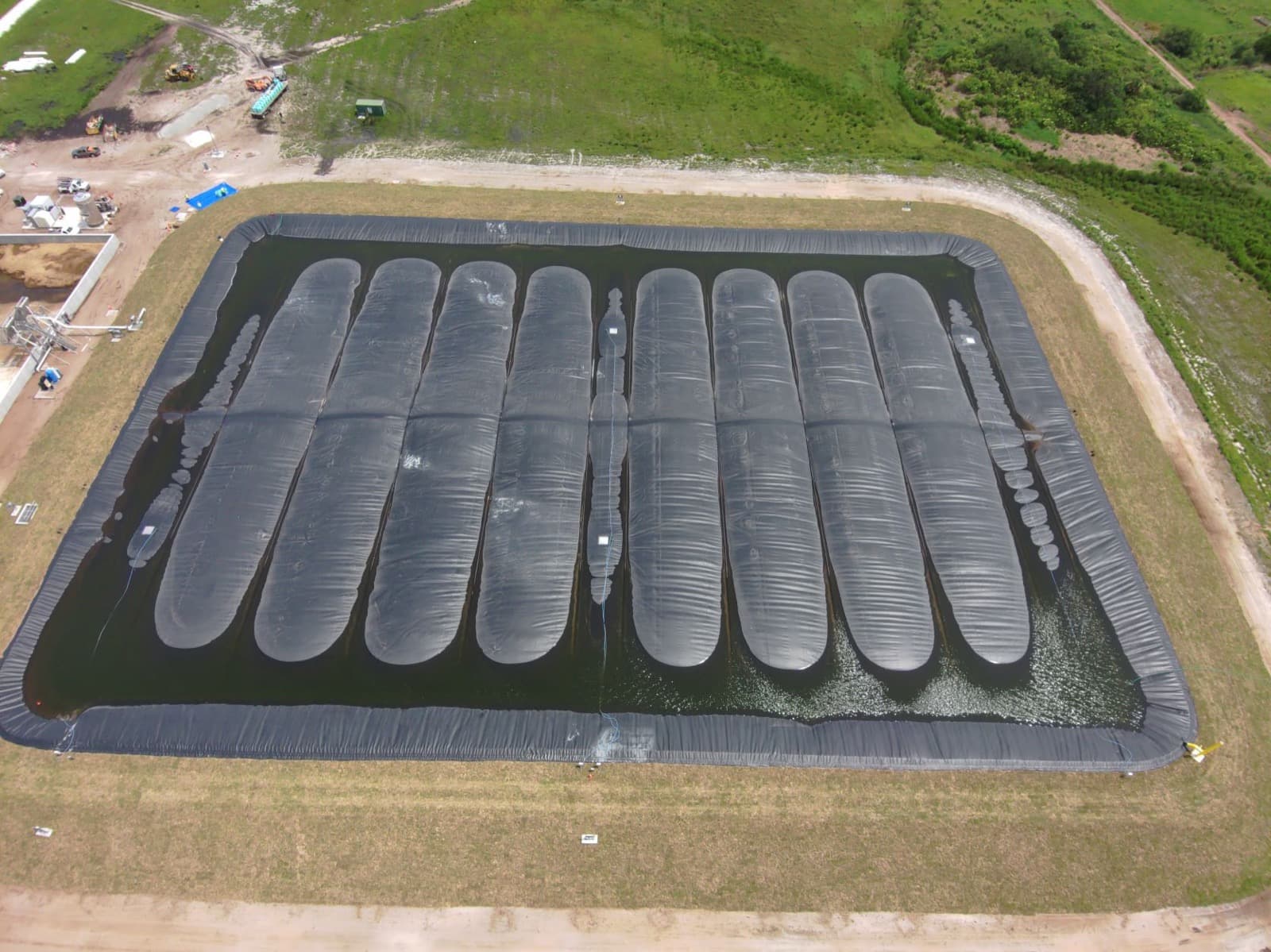
The single biggest barrier to methane destruction adoption on farms is not technology -- it is capital. Most dairy operators, hog producers, and food processors operate on thin margins and cannot justify a $300,000 to $1.5 million capital expenditure for environmental infrastructure, even when the payback is attractive. EFI's zero-cost model eliminates that barrier entirely. The operator pays nothing upfront, nothing during construction, and nothing at commissioning. The methane problem gets solved on day one.
The Funding Structure
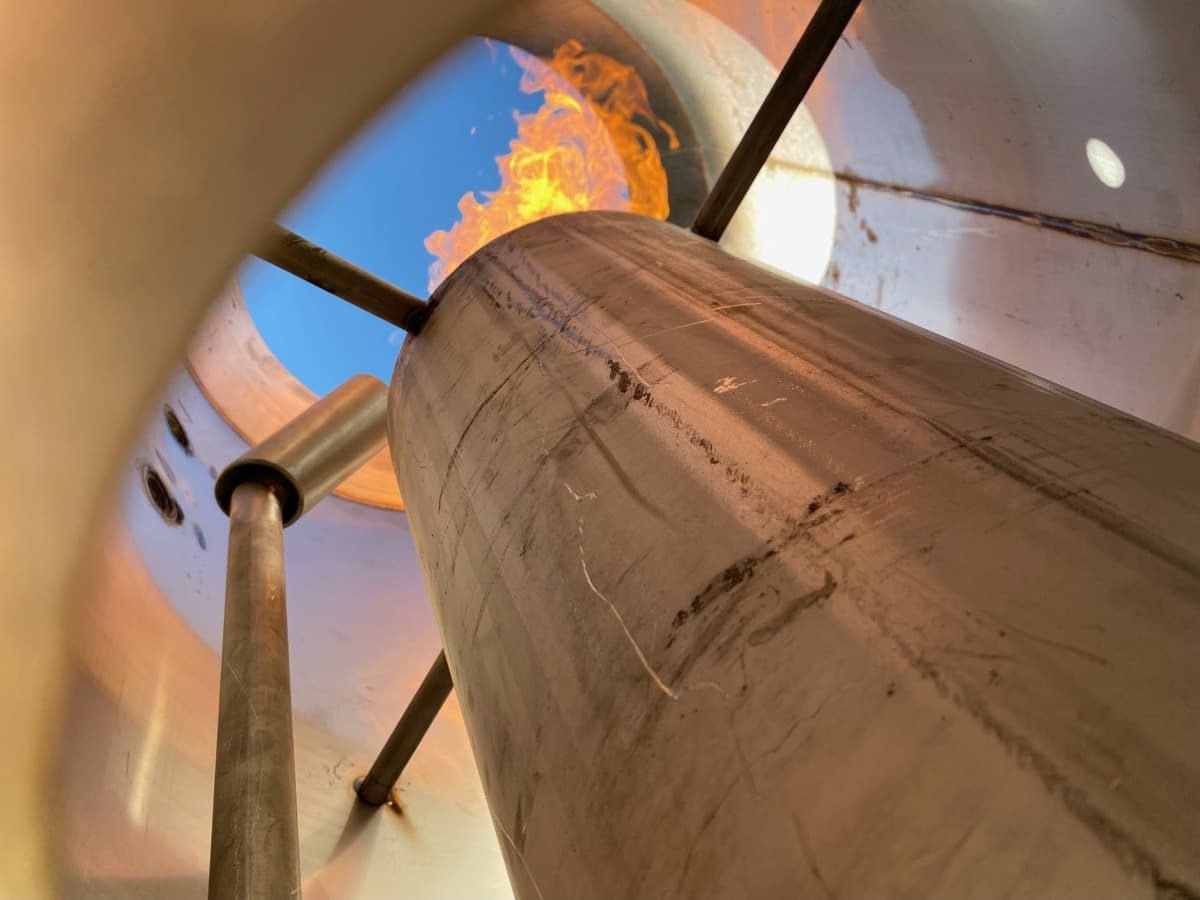
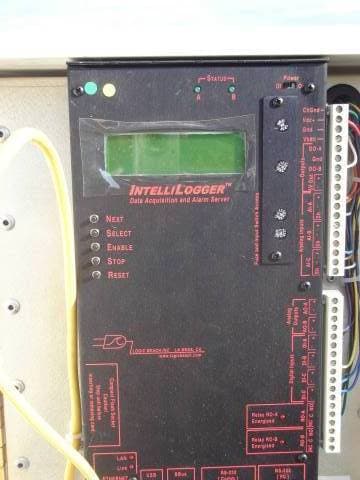
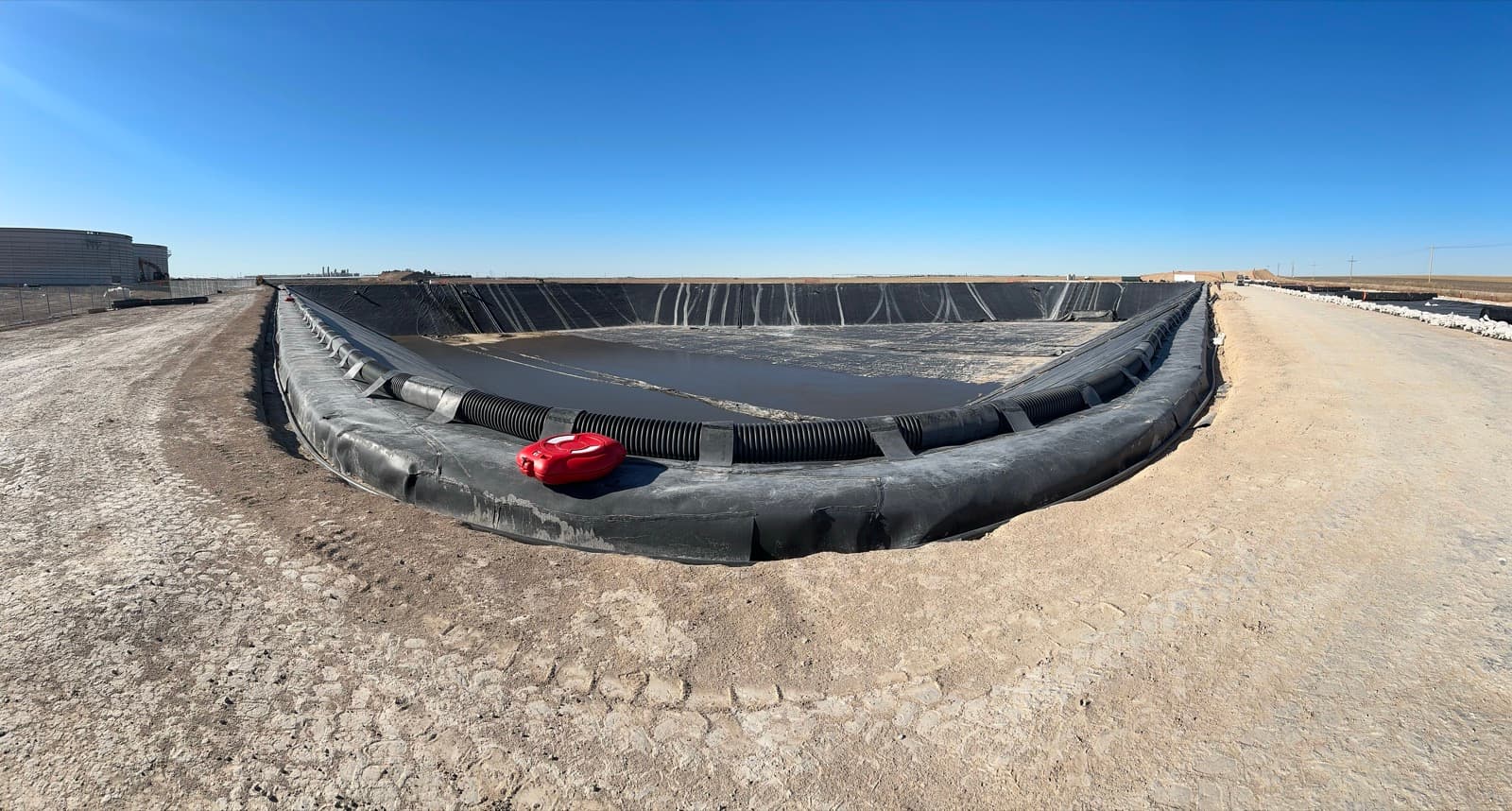
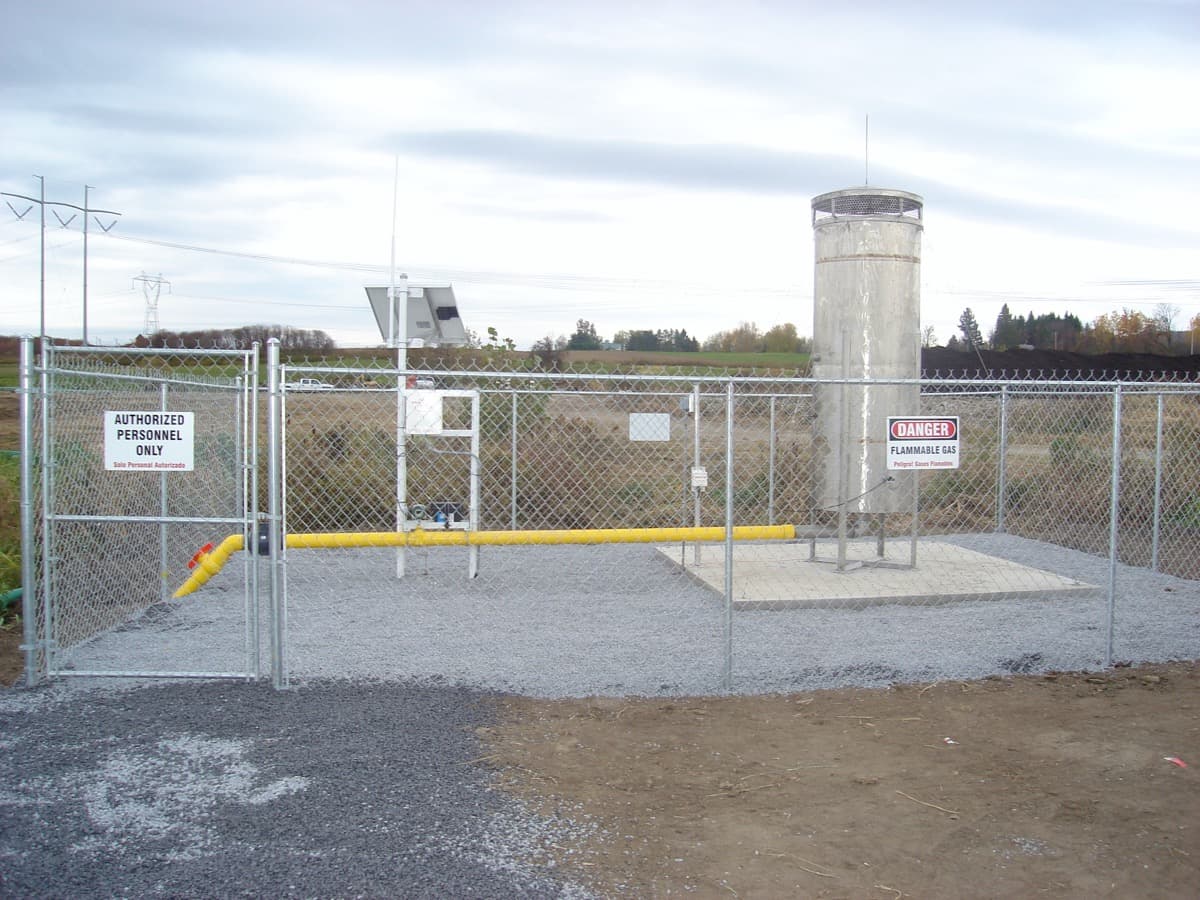
EFI funds 100% of the project capital -- engineering, site preparation, geosynthetic liner procurement and installation, gas collection systems, enclosed flare equipment, instrumentation, and commissioning. The operator provides site access, utility connections (power for instrumentation and controls), and cooperation during construction. There is no loan, no lease payment, no equipment financing, and no personal guarantee required from the operator.
EFI's capital comes from its own balance sheet and dedicated project finance facilities. Because EFI has installed over 500 systems across 32 years of operations, lenders and investors have high confidence in project performance data. This track record is what makes zero-cost deployment possible at scale -- EFI can underwrite projects based on extensive historical data about gas production rates, destruction efficiency, and system reliability across diverse climates, waste streams, and operation sizes.
How Revenue Share Works
The revenue from methane destruction comes primarily from verified carbon credits generated under protocols like the American Carbon Registry (ACR) or Verra's Verified Carbon Standard (VCS). Each tonne of methane captured and destroyed generates carbon offset credits based on methane's global warming potential. These credits are sold on the voluntary carbon market to corporate buyers, compliance entities, and aggregators.
EFI's standard arrangement is a 50/50 revenue share that activates after EFI has achieved a 2x multiple on invested capital (MOIC). Here is what that means in practice: if EFI invests $800,000 to install a complete CLD and flare system, EFI retains 100% of carbon credit revenue until it has recovered $1.6 million (2x the $800,000 investment). After that threshold is crossed, all subsequent revenue is split evenly -- 50% to EFI, 50% to the operator. For a typical project generating $200,000-$400,000 annually in carbon credits, the 2x MOIC threshold is reached in 4-8 years, after which the operator receives a meaningful, ongoing revenue stream.
What the Operator Gets From Day One
Even before the revenue share kicks in, the operator receives substantial value from the installed system. Odor reduction is immediate and dramatic -- a properly designed covered lagoon digester eliminates 90-99% of hydrogen sulfide and volatile organic compound emissions that cause nuisance complaints. For operations near residential areas or facing neighbor relations challenges, this benefit alone can be worth the cooperation required during installation.
Regulatory compliance is another day-one benefit. As state and federal methane regulations tighten, operations with installed methane destruction systems are already in compliance. There is no scramble to find contractors, no compressed construction timeline, and no risk of penalties during a compliance phase-in period. The system is already operational, monitored, and generating verified destruction data.
Environmental liability reduction is the third immediate benefit. Open lagoons are environmental liabilities -- they can contaminate groundwater, generate air quality violations, and create superfund-style remediation obligations. A covered lagoon with gas collection and destruction converts that liability into an asset. Insurance carriers and lenders increasingly view methane management as a risk reduction factor when evaluating agricultural operations.
What EFI Handles: The Full Scope
- Site assessment and feasibility study, including waste stream characterization, biogas production modeling, and system sizing
- Engineering design -- cover system, gas collection piping, condensate management, flare sizing, and instrumentation layout
- Permitting and regulatory coordination with state and local environmental agencies
- Procurement of all materials -- geosynthetic liners (HDPE, LLDPE, or RPP depending on application), gas piping, flare equipment, monitoring instrumentation
- Construction management, including earthwork, liner installation, welding and QA testing, piping, and flare commissioning
- Ongoing monitoring, maintenance, and carbon credit verification for the life of the agreement
- Carbon credit registration, issuance, and sale through established market channels
Why This Model Works for Both Parties
The zero-cost model aligns incentives between EFI and the operator. EFI is incentivized to design, build, and maintain systems that maximize methane destruction because its revenue depends entirely on verified carbon credits from actual gas destruction. A poorly designed system that leaks gas, experiences downtime, or fails to capture available methane directly reduces EFI's revenue. The operator benefits from EFI's engineering expertise and operational commitment without bearing any financial risk.
For operators considering methane management, the zero-cost model removes every financial objection. No capex, no debt service, no equipment maintenance costs, no carbon market expertise required. The operator continues farming. EFI handles the methane. When the revenue share begins, it is pure upside on a system the operator did not pay for, does not maintain, and does not manage.
“We tell operators the same thing every time: you focus on your farm, we'll handle the methane. You don't pay us a dime until we've already made our money back twice over. After that, we split everything 50/50.”
-- EFI USA