Carbon credit markets offer significant revenue for methane destruction projects, but they were not designed for small farms. The transaction costs of verification, monitoring, reporting, and registry fees create a floor that makes individual small-farm projects uneconomical. A 500-head dairy generating 800 to 1,200 tonnes of CO2e in annual methane reductions cannot justify $30,000 to $50,000 in annual verification and monitoring costs on its own. The math simply does not work. Aggregation changes that equation by spreading fixed costs across multiple sites and creating a single project large enough to be commercially viable.
Why Small Farms Get Left Out
Carbon credit registries, the American Carbon Registry (ACR), Verra, and the Climate Action Reserve (CAR), require rigorous project documentation, baseline calculations, third-party verification, and ongoing monitoring for every registered project. These requirements exist for good reason: they ensure credit integrity. But the costs are largely fixed regardless of project size. A 5,000-head dairy and a 300-head dairy face nearly identical verification costs, yet the larger operation generates 8 to 10 times more credits to absorb those costs. The result is that most carbon credit projects target large concentrated animal feeding operations (CAFOs) with 2,000+ head, leaving thousands of smaller farms with no viable path to carbon market revenue.
How Aggregation Models Work
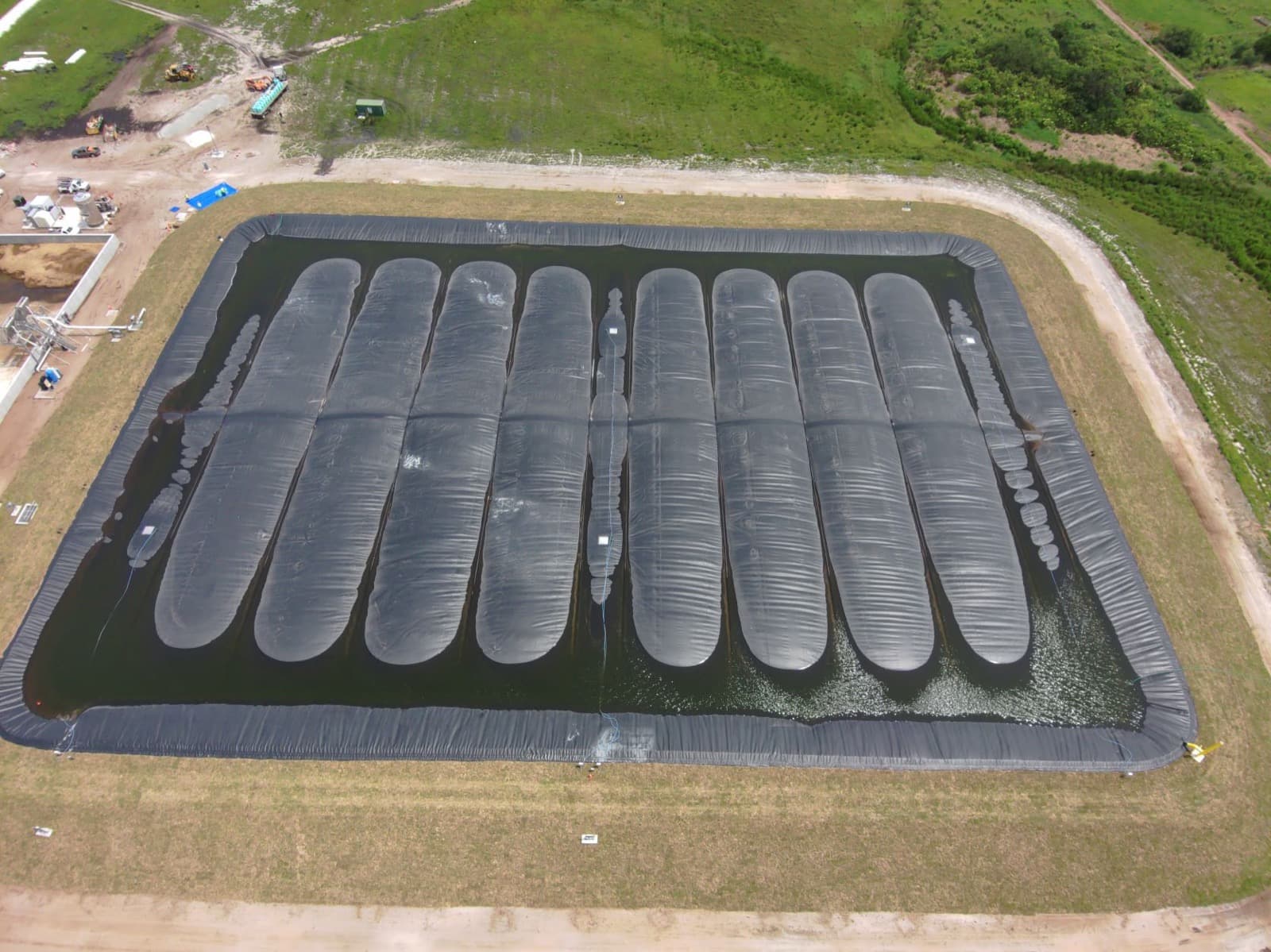
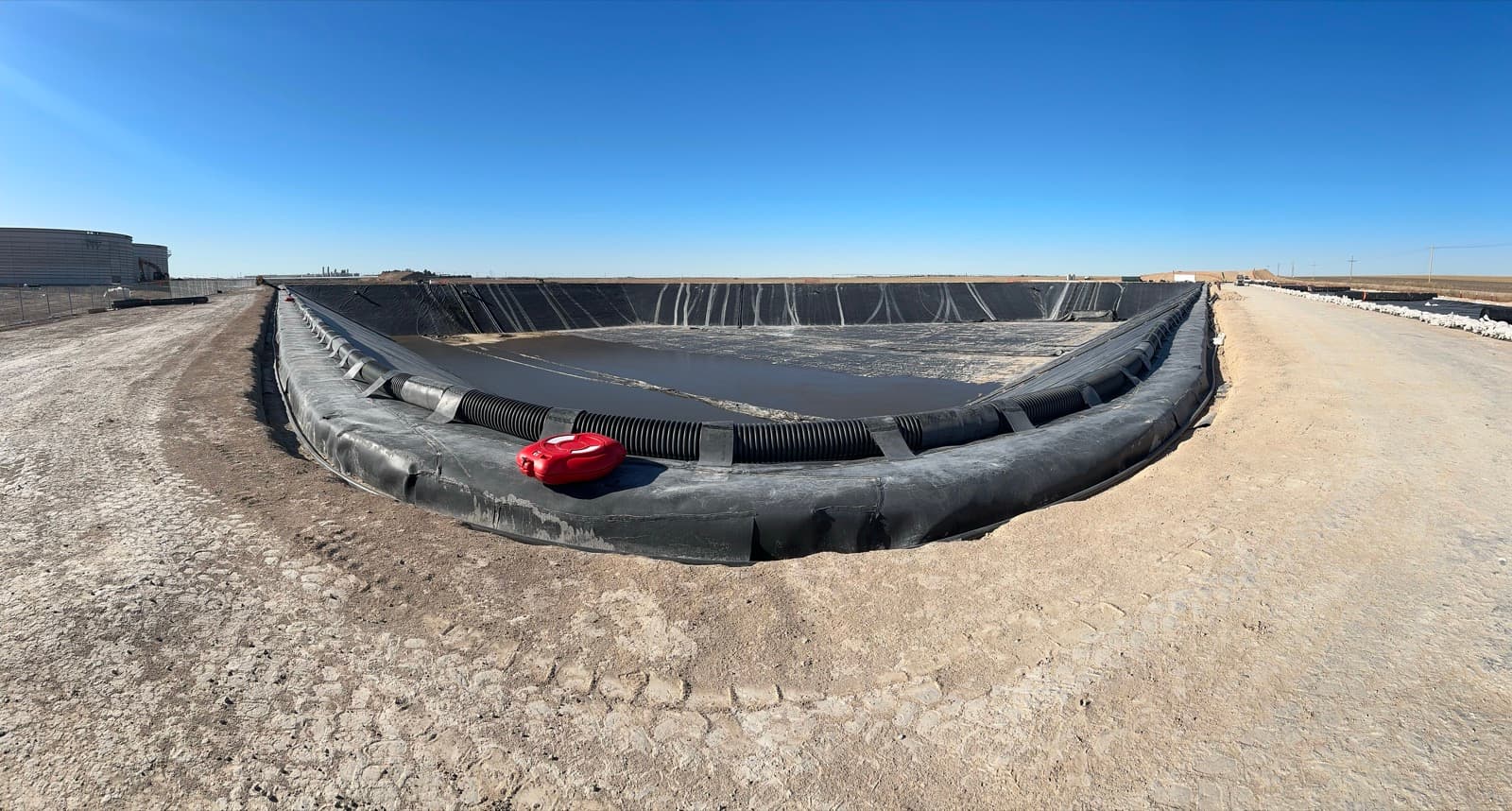
An aggregation model registers multiple farms as component sites under a single project on a carbon credit registry. One project developer, the aggregator, handles all documentation, engineering, verification, and credit issuance for the entire cluster. Each farm maintains its own methane destruction system (cap-and-flare or biogas capture), but the monitoring, reporting, and verification (MRV) is consolidated at the project level. The aggregator negotiates credit sales, manages registry accounts, and distributes revenue to participating farms based on each site's verified methane destruction. Fixed costs that would crush a single small farm are divided across 10, 20, or 50 sites.
EFI's Clustering Approach
- Geographic clustering: Group farms within a 50 to 100 mile radius to minimize monitoring and maintenance travel costs
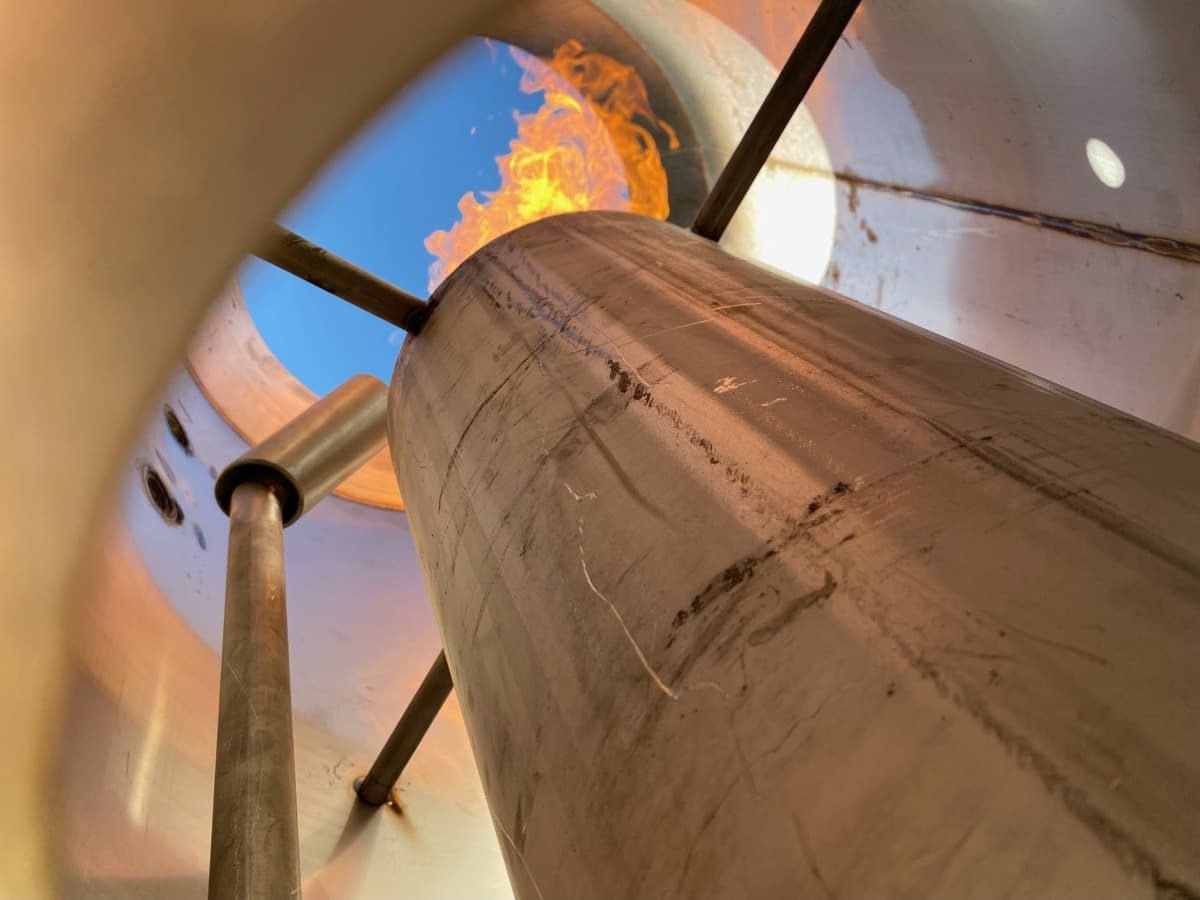
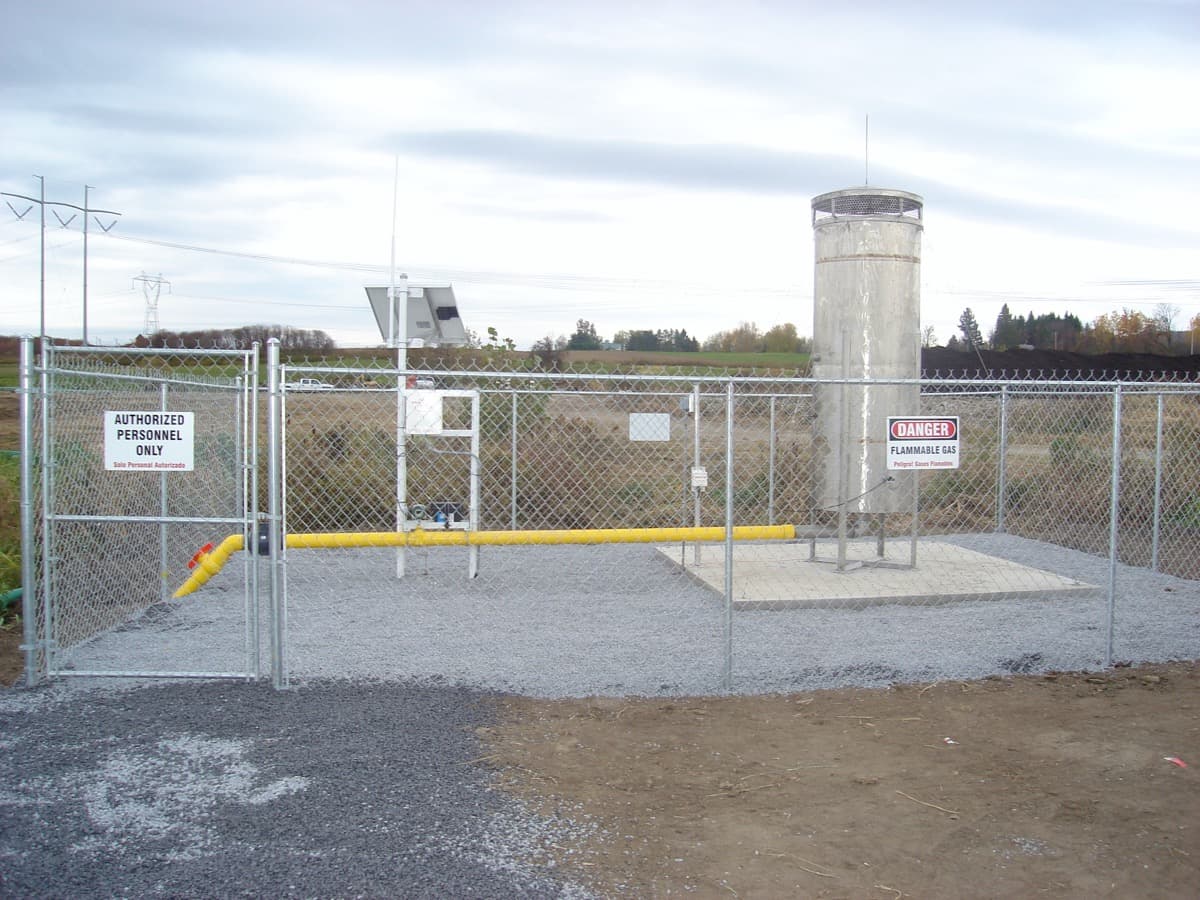
- Standardized systems: Deploy the same cap-and-flare technology across all cluster sites, reducing engineering costs and simplifying verification
- Single verification event: One third-party verifier visits a representative sample of sites plus desk review of all monitoring data, rather than separate audits per farm
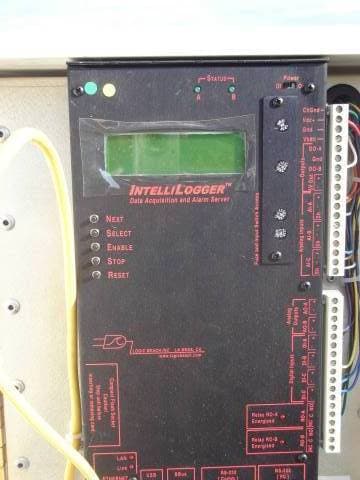
- Shared monitoring infrastructure: Centralized data collection from flow meters and gas analyzers at each site, with automated reporting to reduce manual labor
- Revenue pooling: Credits from all cluster sites are aggregated and sold as a single block, commanding better pricing than small individual lots
Minimum Viable Project Size
Based on current carbon credit pricing and verification costs, a viable aggregation project needs a minimum of 5,000 to 8,000 tonnes of CO2e in annual verified reductions across all sites combined. At current methane destruction rates, this translates to roughly 3,000 to 5,000 total head of dairy cattle or equivalent swine population across the cluster. A cluster of 8 to 12 small dairies with 400 to 600 head each typically meets this threshold. Below this level, verification and monitoring costs consume too large a share of credit revenue to provide meaningful returns to participating farms. The sweet spot for aggregation economics is 10,000 to 25,000 tonnes CO2e annually, large enough for efficient operations but achievable with modest farm sizes.
Expected Returns for Participating Farms
In a well-structured aggregation model, participating farms can expect to receive 50 to 65% of gross carbon credit revenue after deducting the aggregator's management fee, verification costs, registry fees, and monitoring expenses. At current voluntary carbon market prices of $15 to $30 per tonne for verified livestock methane destruction credits, a 500-head dairy generating 1,000 tonnes CO2e annually could see $7,500 to $19,500 in net annual revenue from carbon credits alone. Under compliance market programs like California's LCFS, where dairy methane credits can command $50 to $80 per tonne equivalent, the same farm could see $25,000 to $52,000 annually. These are meaningful revenue streams for small farm operations that have no other way to access carbon markets.
Zero-Cost Model: How EFI Removes the Barrier
The final barrier for small farms is capital cost. Even with aggregated carbon revenue in the picture, a $300,000 to $500,000 cap-and-flare system is a non-starter for a 500-head dairy. EFI USA eliminates this barrier with a zero-cost-to-farmer model: EFI finances, installs, and maintains the methane destruction system at no upfront cost to the farm. Revenue from carbon credits is shared between EFI and the farm under a long-term agreement, with EFI recovering its capital investment from its share of credit revenue. The farmer gets a methane destruction system, environmental compliance, odor reduction, and a new revenue stream, all without writing a check.
Making It Work at Scale
Aggregation is not a theoretical concept. EFI USA has deployed clustered cap-and-flare systems across multiple regions, demonstrating that small farms can participate in carbon markets when the project structure is designed to absorb fixed costs at scale. The key requirements are geographic density (farms close enough to service efficiently), standardized technology (same system at every site for simplified MRV), and a project developer willing to take the capital risk in exchange for long-term credit revenue. For the thousands of small and mid-size livestock operations across the country that are currently excluded from carbon markets, aggregation is the path in.