Most livestock operators and food processors know they have a methane problem. Regulators are tightening emissions requirements, neighbors are complaining about odor, and the environmental liability sits squarely on the facility owner. But the traditional path to solving it, building a renewable natural gas (RNG) project, requires $5 million to $15 million in capital expenditure, multi-year permitting timelines, and ongoing operational complexity that has nothing to do with running a farm or a processing plant.
EFI's cap-and-flare revenue share model was designed to eliminate every one of those barriers. The concept is straightforward: EFI funds 100% of the capital expenditure to install a covered lagoon and enclosed flare system at your facility. You pay nothing upfront. In return, both parties share in the carbon credit revenue generated by destroying methane that would otherwise escape into the atmosphere.
How the Model Works
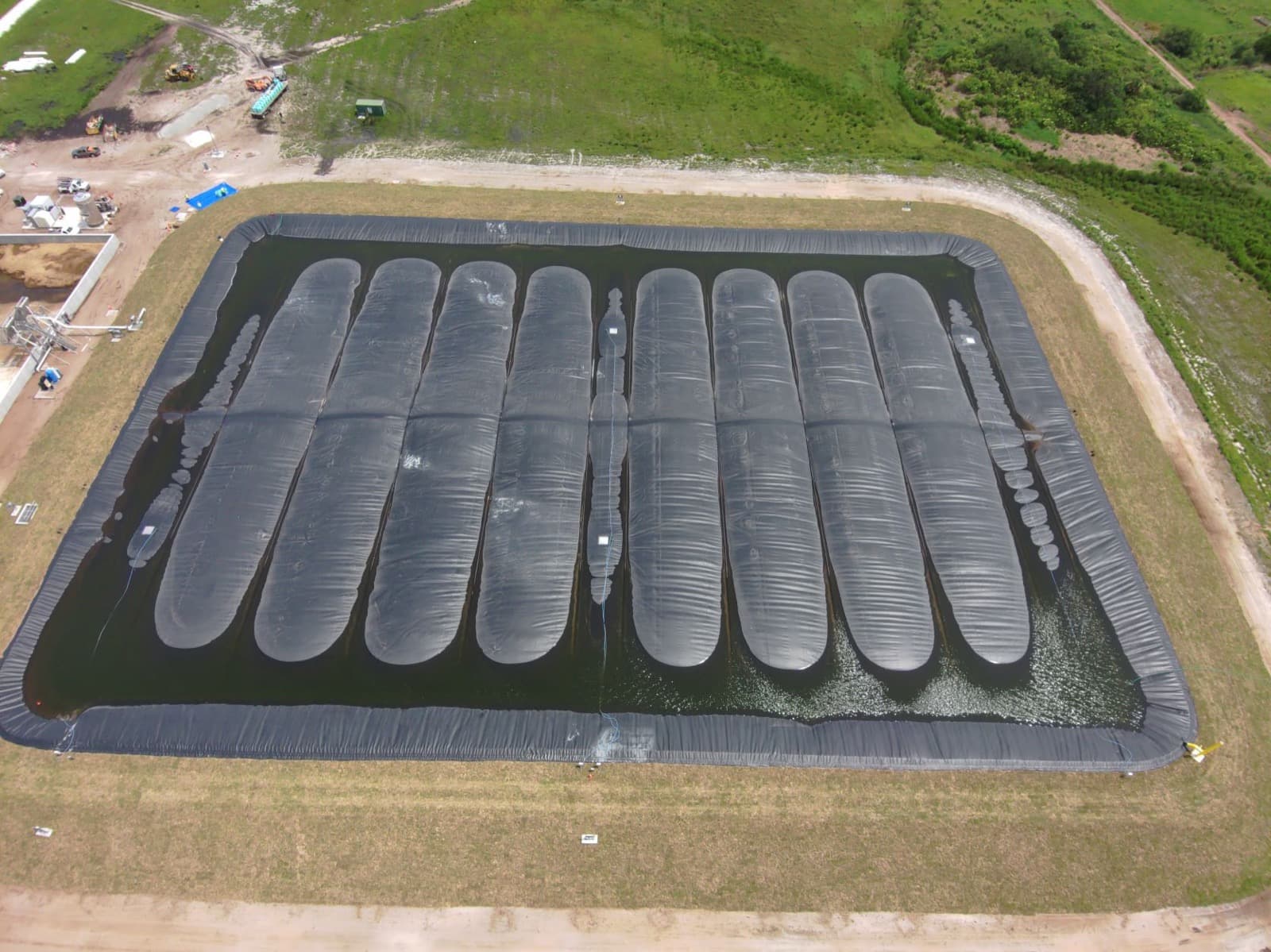
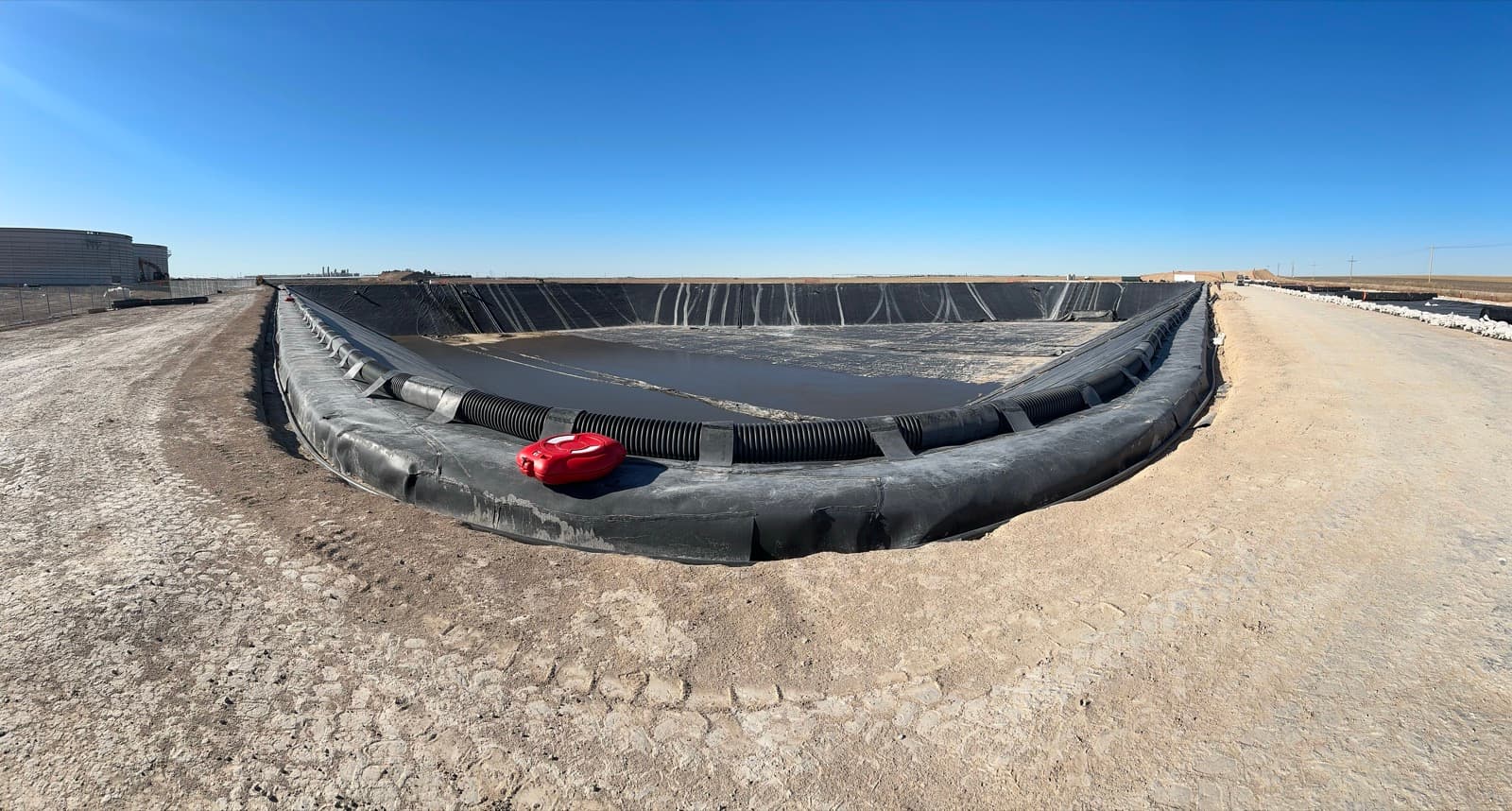
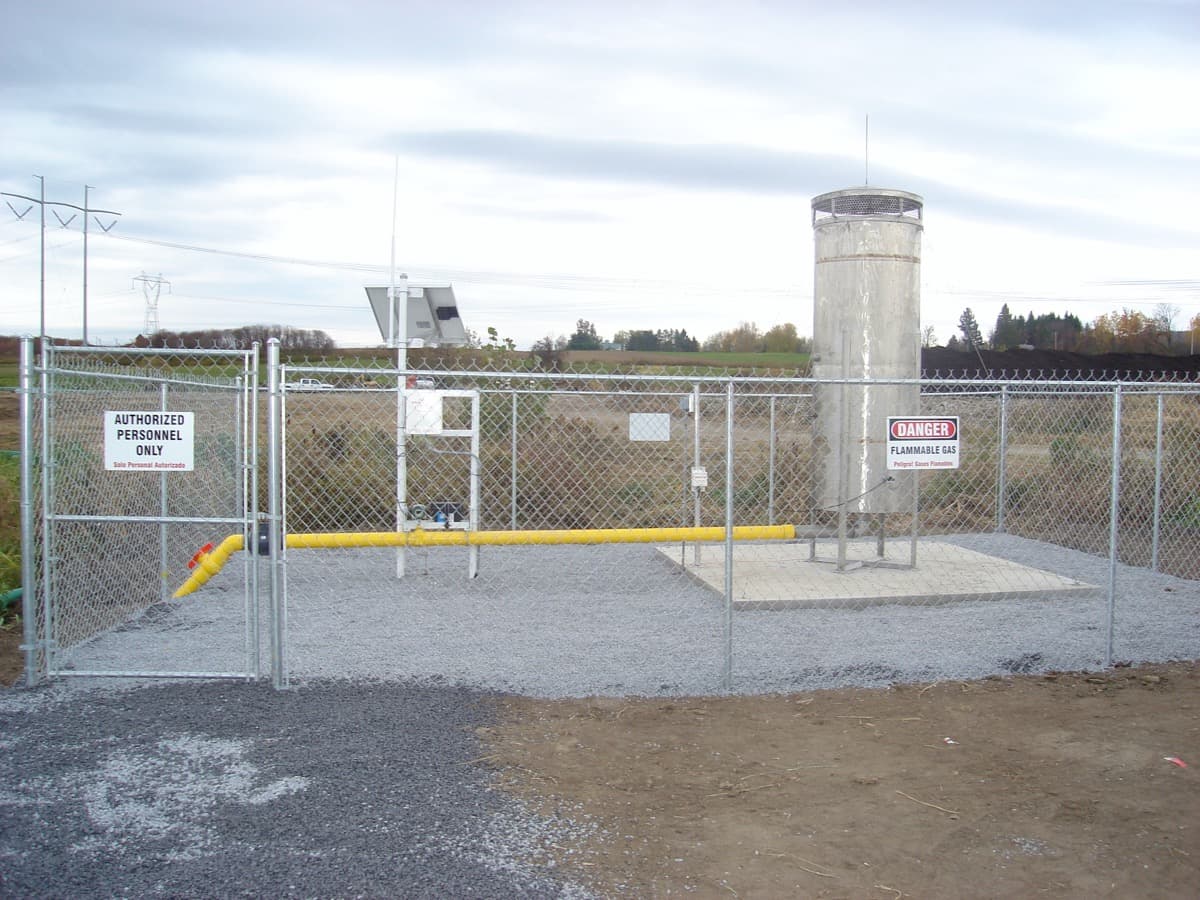
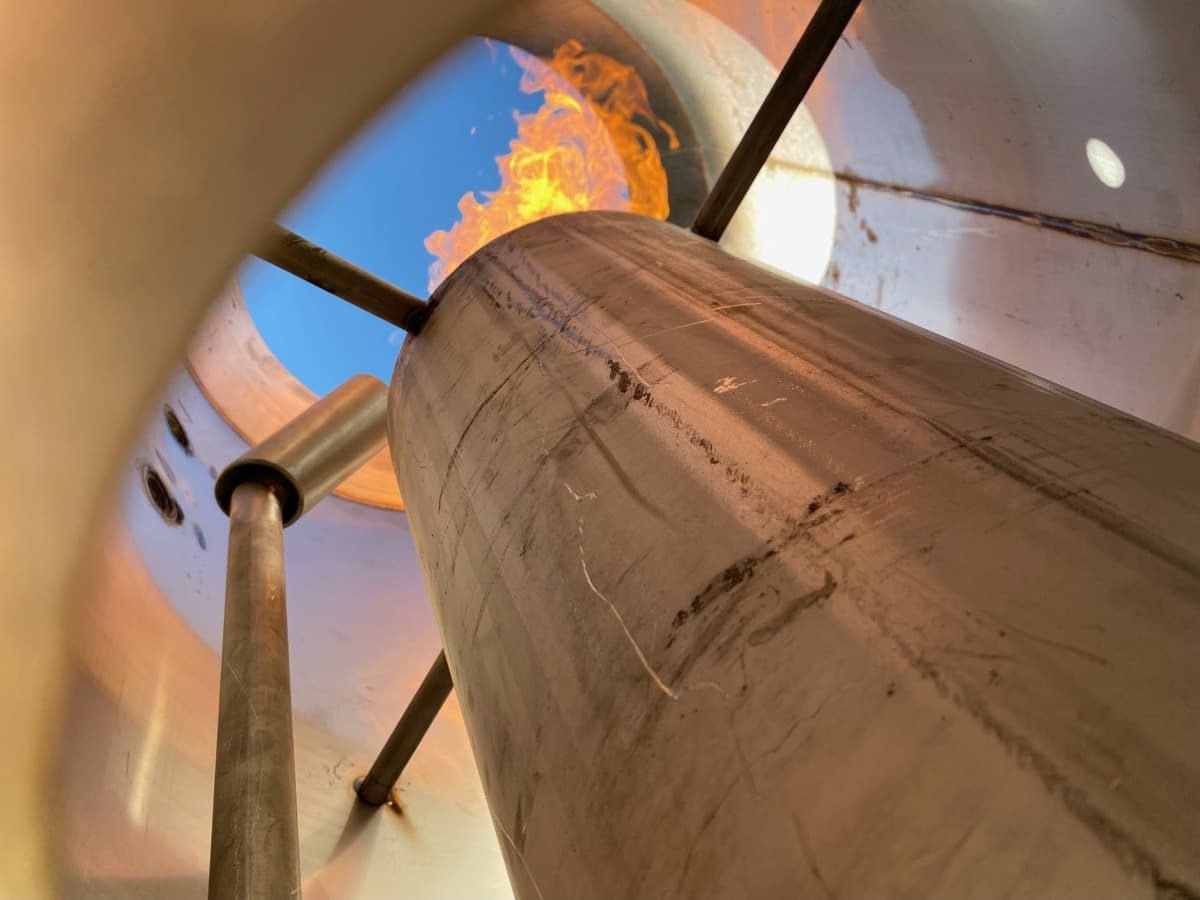
A typical cap-and-flare installation costs between $300,000 and $1.5 million depending on lagoon size, site conditions, and regulatory requirements. EFI covers the full cost, engineering, materials, permitting, construction, and commissioning. Once the system is operational, it captures biogas from the covered lagoon and routes it to an enclosed flare where methane is destroyed at high efficiency. That destruction generates verified carbon credits under established methodologies from registries like ACR and Verra.
- EFI funds 100% of project capex, $300K to $1.5M per site
- Zero cost to the waste generator for installation or equipment
- EFI handles all engineering, permitting, construction, and commissioning
- Carbon credits are generated from verified methane destruction
- After EFI achieves a 2x multiple on invested capital (MOIC), revenue shifts to a 50/50 split
- The facility owner retains full ownership of the underlying operation
The 2x MOIC Threshold
The revenue share structure is built around a simple principle: EFI takes on 100% of the project risk, so EFI recovers its investment first. During the initial period, EFI retains the majority of carbon credit revenue until it has recouped twice its invested capital, the 2x MOIC (multiple on invested capital) threshold. Once that threshold is met, the revenue split transitions to 50/50 for the remaining life of the project. For most sites, the 2x MOIC period lasts two to four years depending on herd size, credit pricing, and lagoon methane yield.
Why This Beats the Traditional RNG Model
Renewable natural gas projects promise higher per-unit revenue, but the economics rarely pencil out for small and mid-size operations. An RNG facility requires $5 million to $15 million in upfront capital, gas upgrading and compression equipment, pipeline interconnection agreements, and ongoing maintenance of complex mechanical systems. The breakeven timeline stretches to seven to ten years in many cases, and the facility owner carries all the downside risk if credit markets shift or equipment fails.
Cap-and-flare inverts the risk profile entirely. The waste generator contributes no capital and assumes no financial risk. The system is mechanically simple, a geomembrane cover, gas collection piping, and an enclosed flare, which means lower maintenance costs and fewer points of failure. And because EFI operates the system and manages the credit monetization, the facility owner doesn't need to build internal expertise in carbon markets or gas processing.
Why It Works for EFI
EFI's ability to deploy capital at this scale comes from two structural advantages. First, cap-and-flare systems are dramatically cheaper to build and operate than RNG facilities, which means the invested capital per ton of methane destroyed is a fraction of the alternative. Second, EFI has 30 years of experience installing geomembrane covers and biogas systems, which compresses construction timelines and reduces cost overruns. The result is a portfolio model where EFI can deploy across dozens of sites simultaneously, diversifying risk while generating predictable credit revenue.
“The best deals are the ones where both sides walk away feeling like they won. The waste generator gets a zero-cost solution to their methane problem, and EFI gets a long-term revenue-generating asset. That alignment is what makes the model scalable.”
-- EFI USA
For facility owners evaluating their options, the cap-and-flare revenue share model offers something rare in environmental compliance: a path to turning a liability into a revenue stream without writing a check. If your operation has a lagoon, you likely have enough methane to make the economics work. Contact EFI to find out.