If you have spent any time researching livestock biogas projects in the United States, you have encountered the EPA AgStar program -- even if you did not realize it. AgStar maintains the most comprehensive national database of anaerobic digester projects, publishes the tools that developers use to evaluate project feasibility, and provides the technical resources that regulators reference when writing methane policy. As one of the program's longest-standing industry partners, EFI contributes operational data from over 500 systems to help keep that database accurate and useful.
What EPA AgStar Actually Is
AgStar is a collaborative program between the EPA, USDA, and the US Department of Energy that promotes the use of biogas recovery systems to reduce methane emissions from livestock waste. Established in the 1990s, the program serves three primary functions: maintaining the national livestock digester database, developing technical tools for project evaluation, and providing outreach and education to farmers, project developers, and policymakers.
The program is voluntary -- there is no regulatory requirement to participate. Companies and project developers choose to contribute data because the database drives visibility, credibility, and policy influence. When Congress writes methane legislation, when state agencies design incentive programs, and when lenders evaluate biogas project risk, the AgStar database is often the primary reference for how many digesters exist, where they are located, what technologies they use, and how they perform.
EFI's Role as an AgStar Partner
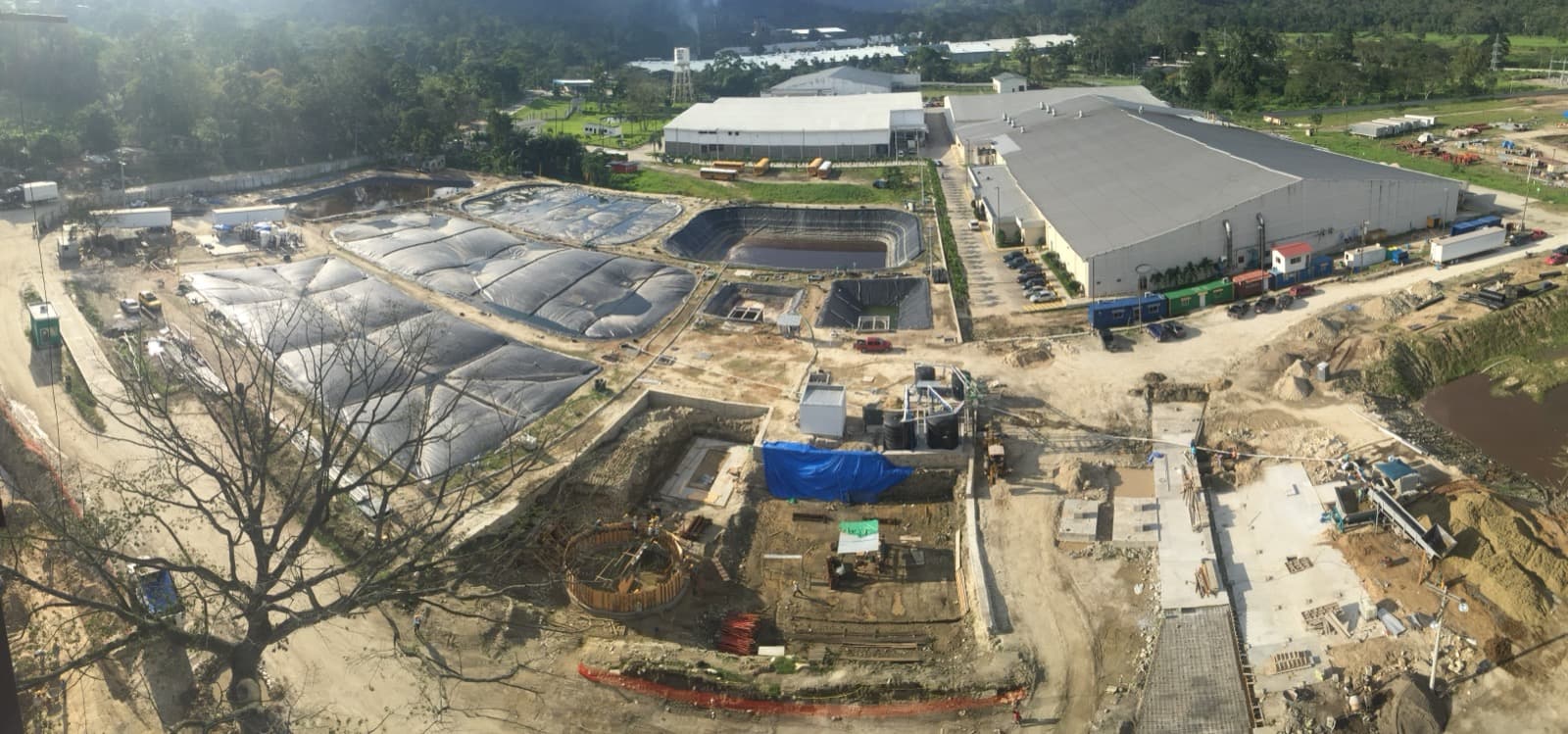
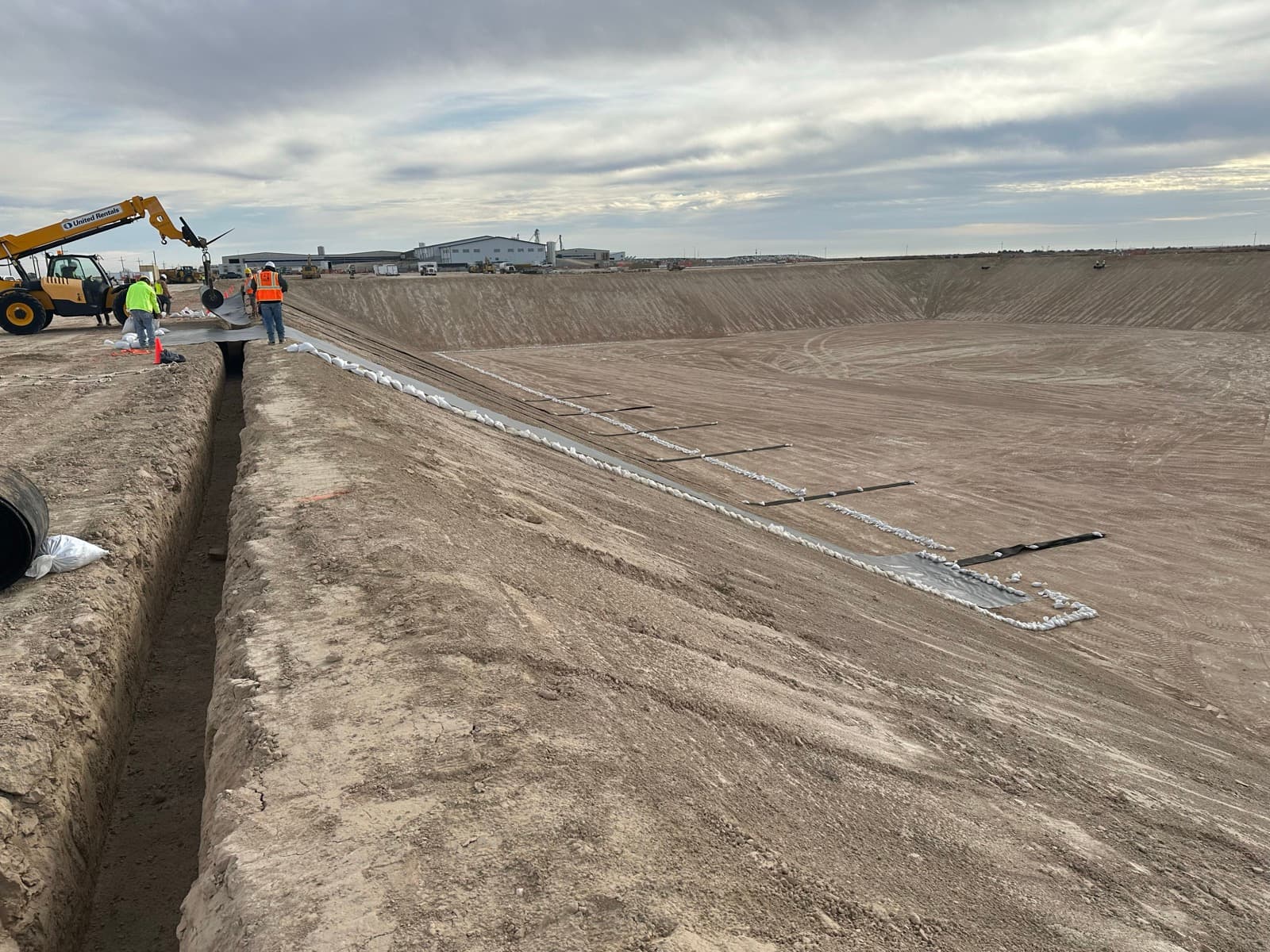
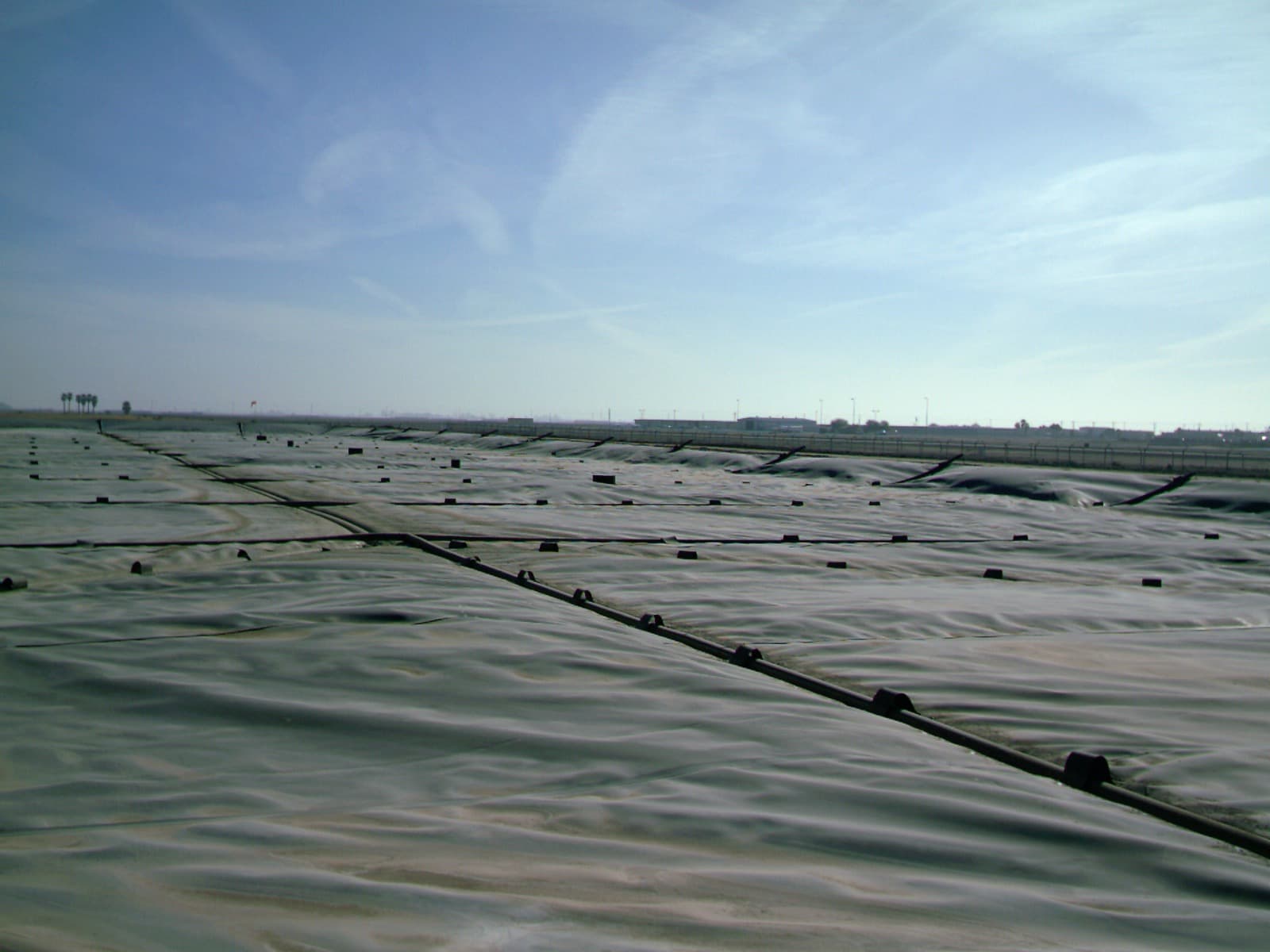
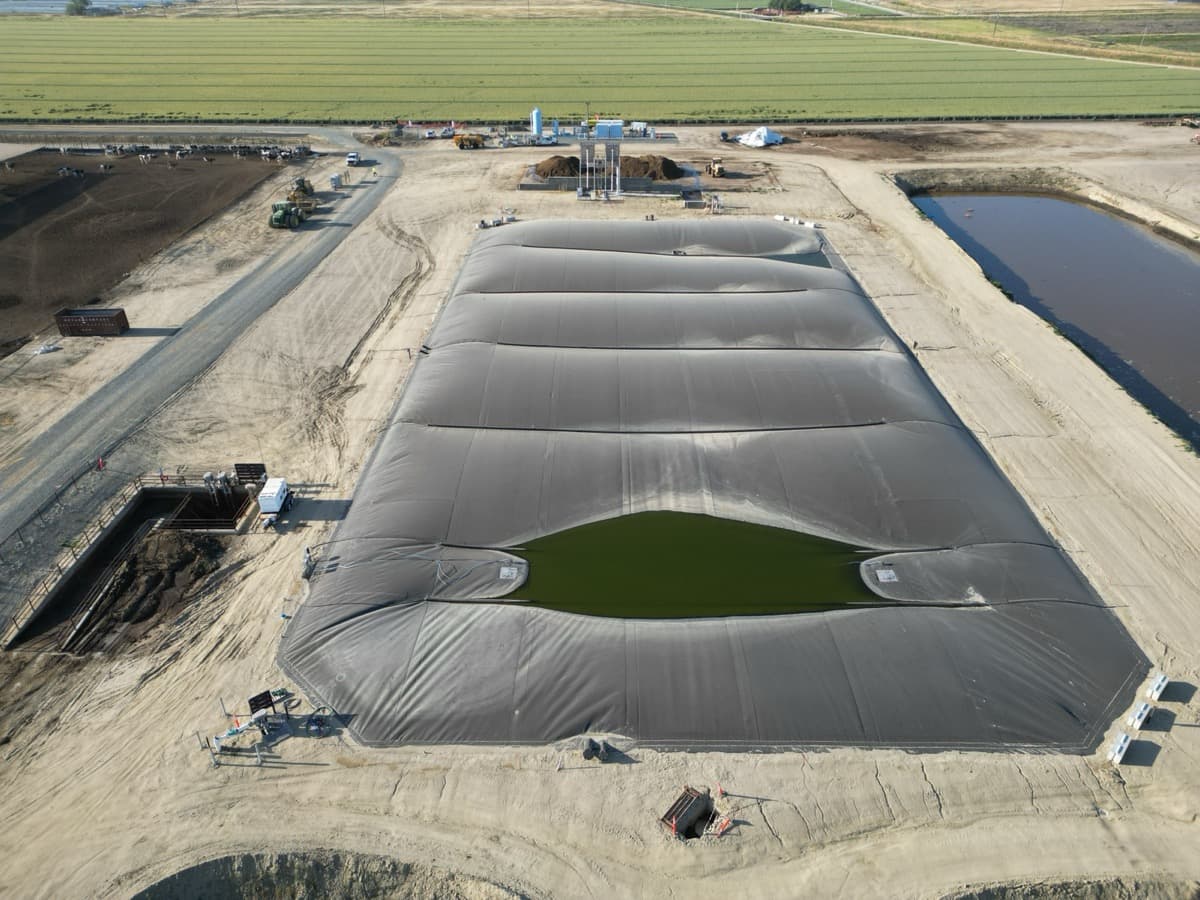
EFI's relationship with AgStar spans decades. The company contributes detailed operational data from its installed base of 500+ covered lagoon digester systems -- the largest single contributor of CLD-specific data in the database. This includes system specifications (cover size, liner material, gas collection design), operational parameters (biogas production rates, methane concentration, H2S levels), and status information (active, inactive, decommissioned).
EFI has worked directly with AgStar to update and correct database entries for its systems. The AgStar Database Update file maintained by EFI tracks revisions, corrections, and new entries for systems across the company's portfolio. This level of data stewardship matters because policy decisions based on inaccurate database entries can lead to misguided incentive programs, incorrect market size estimates, and regulatory frameworks that do not reflect field reality.
The AgStar Digester Database: What It Tracks
The AgStar database tracks every known livestock anaerobic digester project in the United States. For each project, it records the farm type (dairy, swine, poultry), herd size, digester technology (covered lagoon, plug flow, complete mix, fixed film), biogas end use (flare, electricity generation, RNG), project developer, installation year, and operational status.
- Project location and farm operation type
- Digester technology and system capacity
- Biogas end-use configuration (flare, genset, RNG, combined)
- Installation date and current operational status
- Project developer and technology provider
- Estimated annual biogas production and methane destruction
The database also includes shutdown data -- systems that are no longer operational. This information is arguably more valuable than the active project data because it reveals failure modes, economic thresholds below which projects become unviable, and technology-specific reliability patterns. EFI's contribution of shutdown data from its own portfolio and observations across the industry helps the entire sector learn from past failures.
Digester Shutdown Data: What the Industry Has Learned
The AgStar shutdown dataset reveals patterns that every biogas project developer should understand. The most common reasons for digester shutdowns are not equipment failures -- they are economic. Projects that were built during periods of high RIN prices or generous state incentives became uneconomic when those revenue streams declined. Operations that changed ownership or reduced herd sizes often could not support the ongoing maintenance costs of complex digester systems.
Covered lagoon digesters have the lowest shutdown rate of any technology type in the database, which reflects their operational simplicity and low maintenance requirements compared to plug flow or complete mix systems. A CLD has no moving parts in the digester itself -- the cover, gas collection piping, and flare are passive systems that require periodic inspection but not the daily mechanical attention that heated, mixed systems demand. This reliability data from AgStar directly supports EFI's technology selection philosophy.
BioWATT and GMI: Technical Tools for Project Evaluation
AgStar develops and distributes technical evaluation tools that the industry uses for project screening and feasibility assessment. The BioWATT tool estimates biogas production potential based on waste stream characteristics, climate data, and digester technology type. Project developers, including EFI, use BioWATT outputs as initial screening tools before committing to detailed engineering assessments.
The Global Methane Initiative (GMI), a related program, extends these tools to international applications. EFI's experience with both domestic and international biogas projects -- particularly the 300+ CDM installations in Mexico -- provides ground-truth data that helps validate and improve these modeling tools. When BioWATT estimates biogas production for a 5,000-head swine operation in a subtropical climate, EFI has actual field data from dozens of comparable installations to confirm or correct those estimates.
How AgStar Partnership Drives Industry Credibility
For project developers, AgStar partnership is not a marketing badge -- it is a credibility signal to three audiences that matter. Regulators reference AgStar data when designing emission reduction programs and setting technology standards. Lenders and investors use AgStar's database to validate market size claims and technology track records in project finance applications. Farm operators and their advisors look to AgStar as an independent, government-backed resource for evaluating biogas project proposals.
EFI's extensive presence in the AgStar database -- representing the single largest collection of covered lagoon digester entries -- provides independent, third-party verification of the company's installation count, technology deployment, and operational history. When EFI states that it has installed over 500 CLD systems and holds 82% US market share, the AgStar database provides the corroborating data.
For operators evaluating biogas project proposals, checking a developer's presence in the AgStar database is a straightforward due diligence step. Developers with dozens or hundreds of database entries have a documented track record. Those with few or no entries may still be credible, but the burden of proof shifts to them. In an industry where failed projects and broken promises have created justified skepticism among farmers, AgStar data provides an objective reference point.
“We contribute our data to AgStar because transparency makes the whole industry stronger. When policymakers and investors can see real numbers from real projects, they make better decisions. That benefits every credible operator in the biogas space.”
-- EFI USA