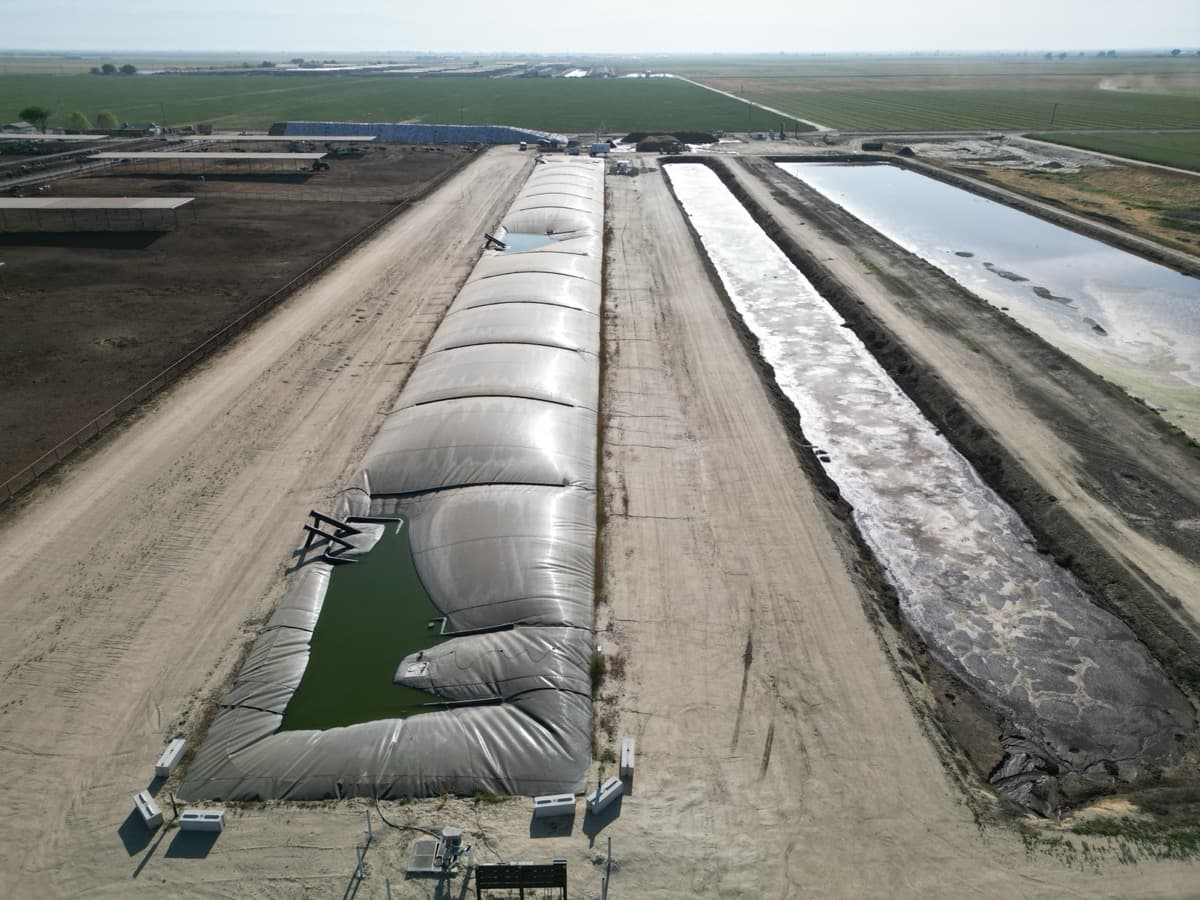
Methane from dairy manure lagoons is one of the largest sources of agricultural greenhouse gas emissions in the United States. It is also one of the most monetizable. Through carbon credit programs at both the state and federal level, dairy farms can earn substantial revenue by capturing and destroying this methane -- often without any upfront capital investment.
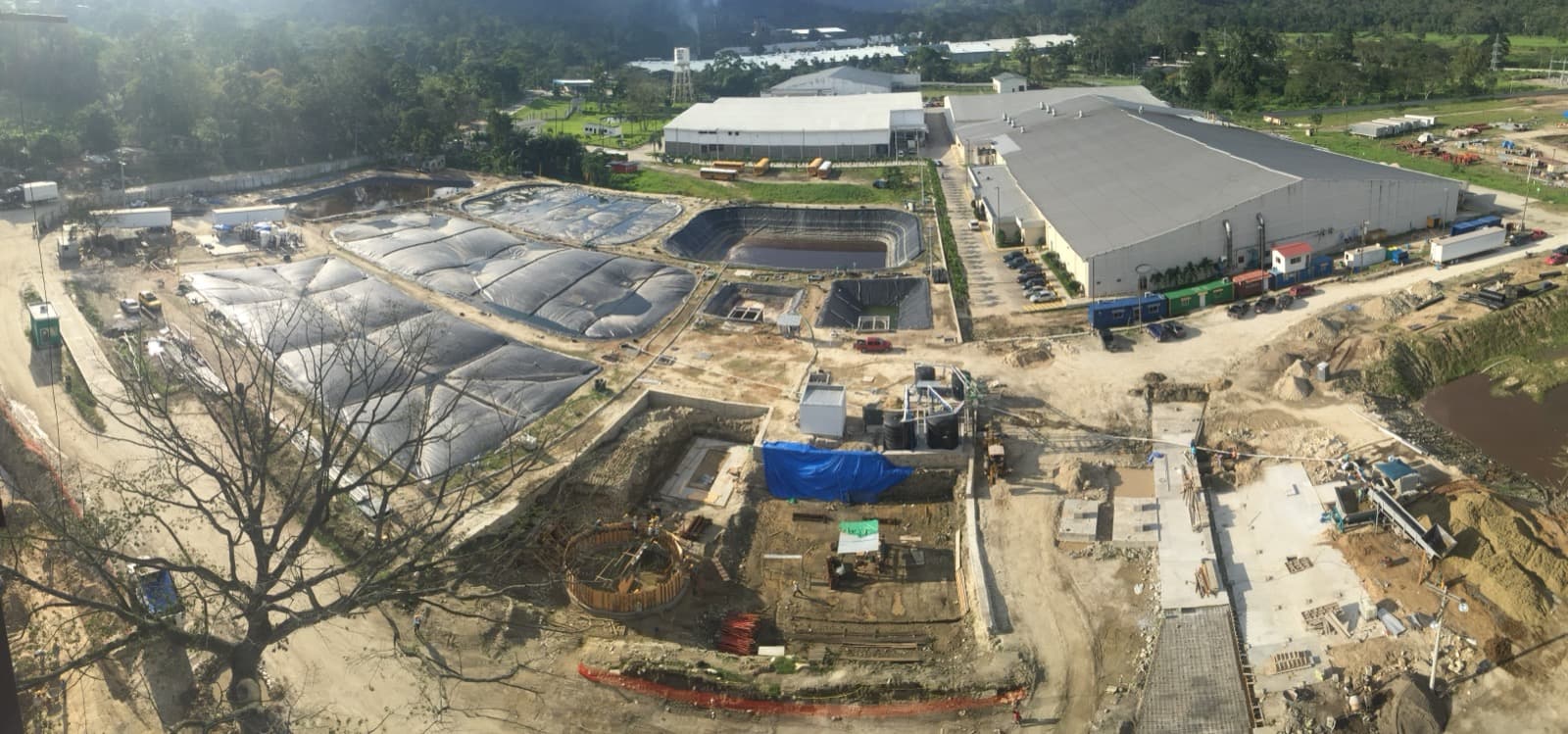
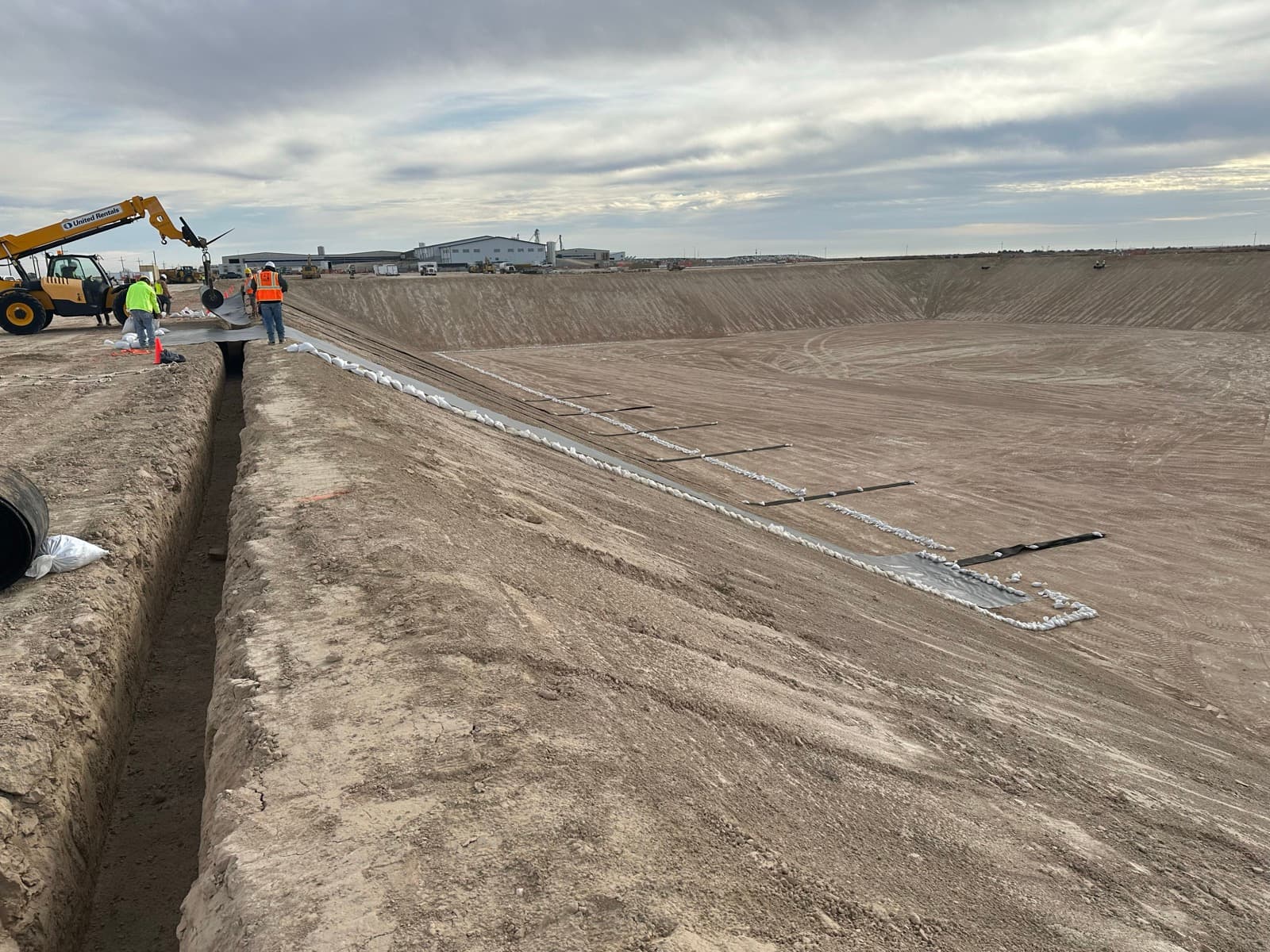
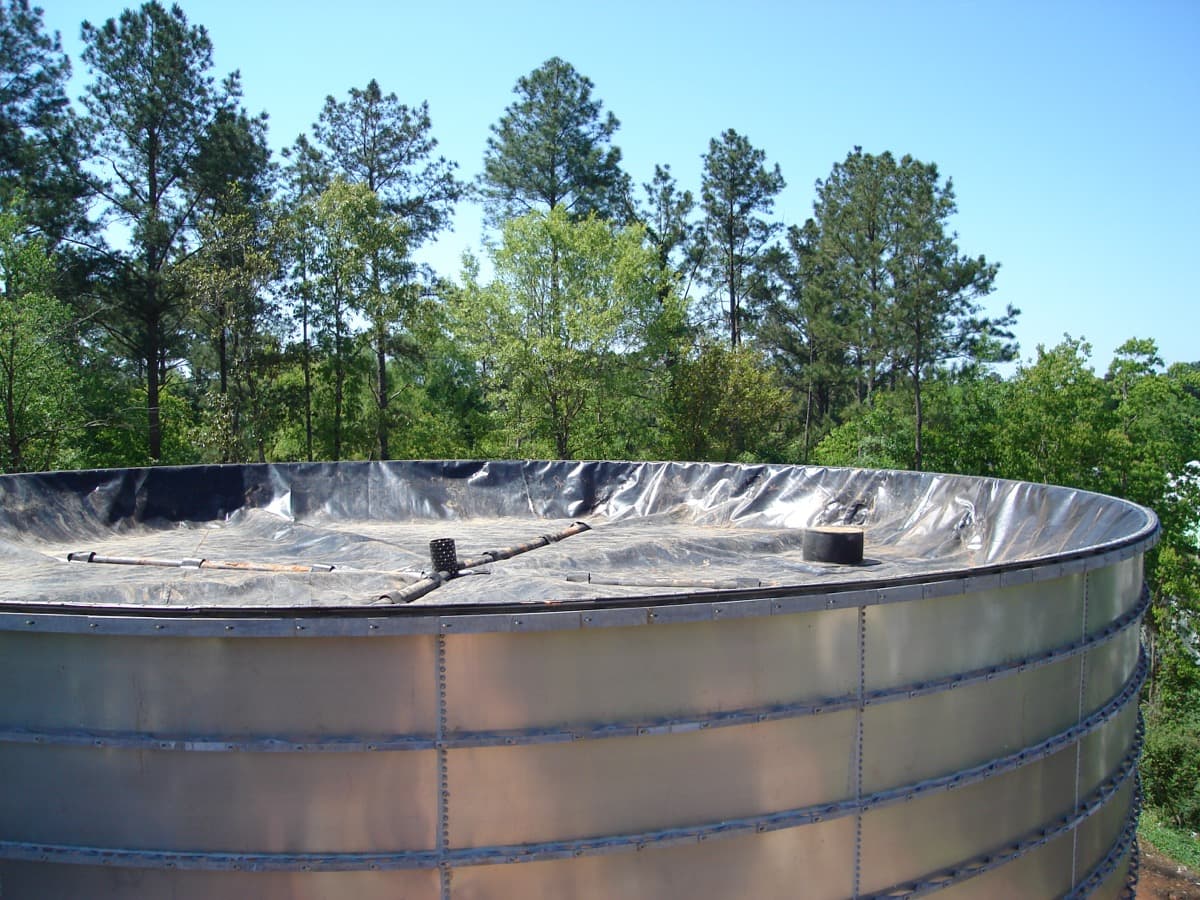
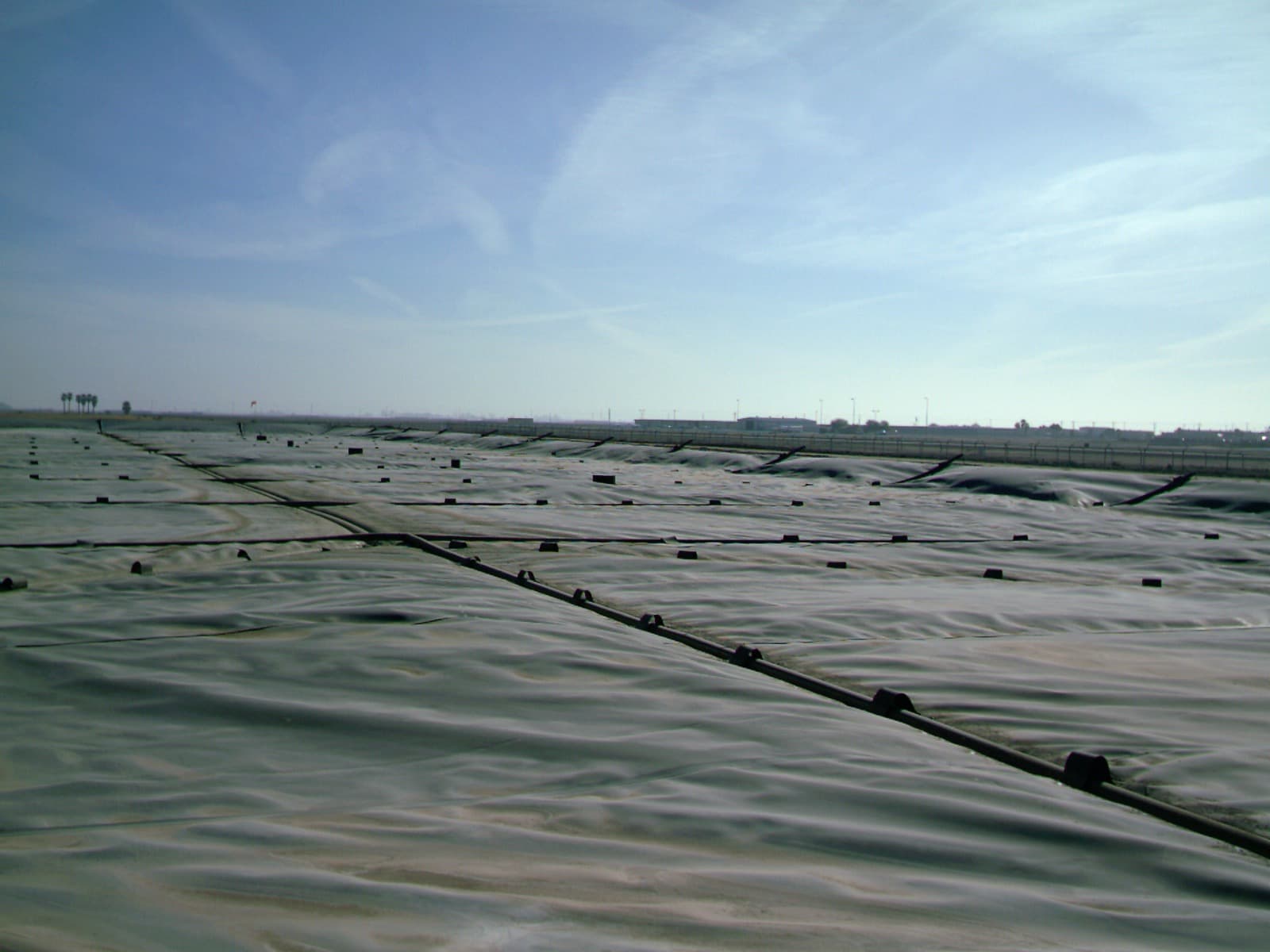
EFI USA operates over 500 covered lagoon digester systems, many on dairy operations. Our cap-and-flare business model is specifically designed to make methane destruction financially accessible to dairy farms of all sizes by eliminating the capital barrier that has historically kept smaller operations out of the carbon credit market.
How Dairy Methane Generates Carbon Credits
The basic mechanism is straightforward. Methane (CH4) is roughly 80 times more potent than carbon dioxide (CO2) as a greenhouse gas over a 20-year period. When methane from a dairy lagoon is captured and combusted in a flare, it is converted to CO2 and water. This conversion reduces the greenhouse gas impact of that emission by approximately 97% on a CO2-equivalent basis.
Each metric ton of methane destroyed is equivalent to approximately 25-28 metric tons of CO2-equivalent (using the IPCC 100-year global warming potential). These avoided emissions are quantified and verified by third-party auditors, then issued as carbon credits that can be sold on voluntary or compliance markets.
Key Carbon Credit Programs for Dairy
- CARB LCFS (Low Carbon Fuel Standard): California's program assigns credits for methane destruction from dairy operations. LCFS credits have traded between $50 and $200+ per metric ton of CO2e, making this one of the highest-value credit markets available.
- Federal RFS (Renewable Fuel Standard): The EPA's program provides Renewable Identification Numbers (RINs) for renewable natural gas from dairy digesters. D3 RINs for cellulosic biofuel have been particularly valuable.
- Voluntary carbon markets: Programs like the American Carbon Registry (ACR) and Verra's Verified Carbon Standard (VCS) issue credits for methane destruction projects outside of compliance markets. These credits are purchased by corporations seeking to offset their emissions.
- State-level programs: Several states including Oregon, Washington, and New York have implemented or are developing their own clean fuel standards that create demand for dairy methane destruction credits.
Revenue Potential for Dairy Farms
Revenue from dairy methane destruction depends on herd size, manure management practices, climate, and the specific credit market. Typical ranges for a cap-and-flare methane destruction project are:
- 500-cow dairy: $50,000 to $150,000 per year in carbon credit revenue.
- 1,000-cow dairy: $100,000 to $300,000 per year.
- 2,500+ cow dairy: $250,000 to $750,000+ per year.
- Large operations (5,000+ cows): $500,000 to $1.5M+ per year.
These figures represent gross credit revenue. Under EFI's cap-and-flare model, the revenue is shared between EFI (who funds, builds, and operates the system) and the dairy farm, typically on a 50/50 basis after EFI has recovered its capital investment at a 2x multiple on invested capital (MOIC). The dairy farm's share is pure incremental revenue with zero capital outlay.
The CARB Protocol: How Verification Works
Carbon credit programs require rigorous monitoring, reporting, and third-party verification. The CARB Livestock Protocol, for example, requires continuous monitoring of biogas flow rate and methane concentration at the flare, documentation of flare destruction efficiency through periodic stack testing, baseline emissions calculations based on herd size, manure handling, and local climate, and annual third-party audits by CARB-accredited verification bodies.
EFI handles all monitoring, reporting, and verification activities as part of our cap-and-flare service. The dairy farm provides access and operational data; EFI manages the entire credit generation and sales process.
EFI's Cap-and-Flare Model for Dairy
The traditional barrier to dairy methane projects has been capital cost. Even at $300K to $1.5M for a covered lagoon digester system, many dairy farms cannot justify the investment or access the financing. EFI's cap-and-flare model eliminates this barrier entirely.
- Zero cost to the dairy farm: EFI funds 100% of system design, installation, and commissioning.
- EFI operates and maintains the system: All ongoing O&M, monitoring, and credit verification is handled by EFI.
- Revenue sharing: Carbon credit revenue is shared between EFI and the dairy farm. The split improves for the farm over time as EFI recovers its investment.
- Long-term partnership: Typical agreements are 10-20 years, providing stable, predictable revenue for the dairy operation.
“Every dairy lagoon in America is venting methane into the atmosphere right now. That is money floating away. Our job is to capture it, destroy it, and share the value with the farmer.”
-- EFI USA Technical Team
Contact EFI to learn how your dairy operation can start generating carbon credit revenue from methane that is currently going to waste. Our engineering team will provide a free site assessment and revenue projection.