There are two carbon credit markets in the United States: voluntary and compliance. The voluntary market gets most of the press coverage. The compliance market generates most of the revenue. California's cap-and-trade program -- administered by the California Air Resources Board (CARB) -- is the largest compliance carbon market in North America, and it includes a Compliance Offset Protocol specifically designed for livestock methane destruction projects. For farm operators and project developers, understanding this protocol is the difference between selling credits at $15-25 per tonne on the voluntary market and selling them at $30-40+ per tonne on the compliance market.
Compliance vs. Voluntary: The Price Premium
Voluntary carbon credits (VCUs under Verra, CRTs under ACR) are purchased by companies making voluntary emission reduction commitments. The buyer is not legally required to purchase them. This creates inherent price pressure -- buyers can walk away, reduce their commitments, or switch to cheaper offset types. Voluntary livestock methane credits have traded in the $15-25 per tonne range in recent years, with significant price volatility.
Compliance offsets (ARBOCs -- Air Resources Board Offset Credits) are different. They are used by entities regulated under California's cap-and-trade program to meet a portion of their legal emission reduction obligations. These entities -- power plants, refineries, industrial facilities -- face financial penalties for non-compliance. The floor price for California Carbon Allowances provides a structural price support, and ARBOCs consistently trade at a premium to voluntary credits because they serve a legal obligation rather than a voluntary commitment.
The CARB Livestock Protocol: How It Works
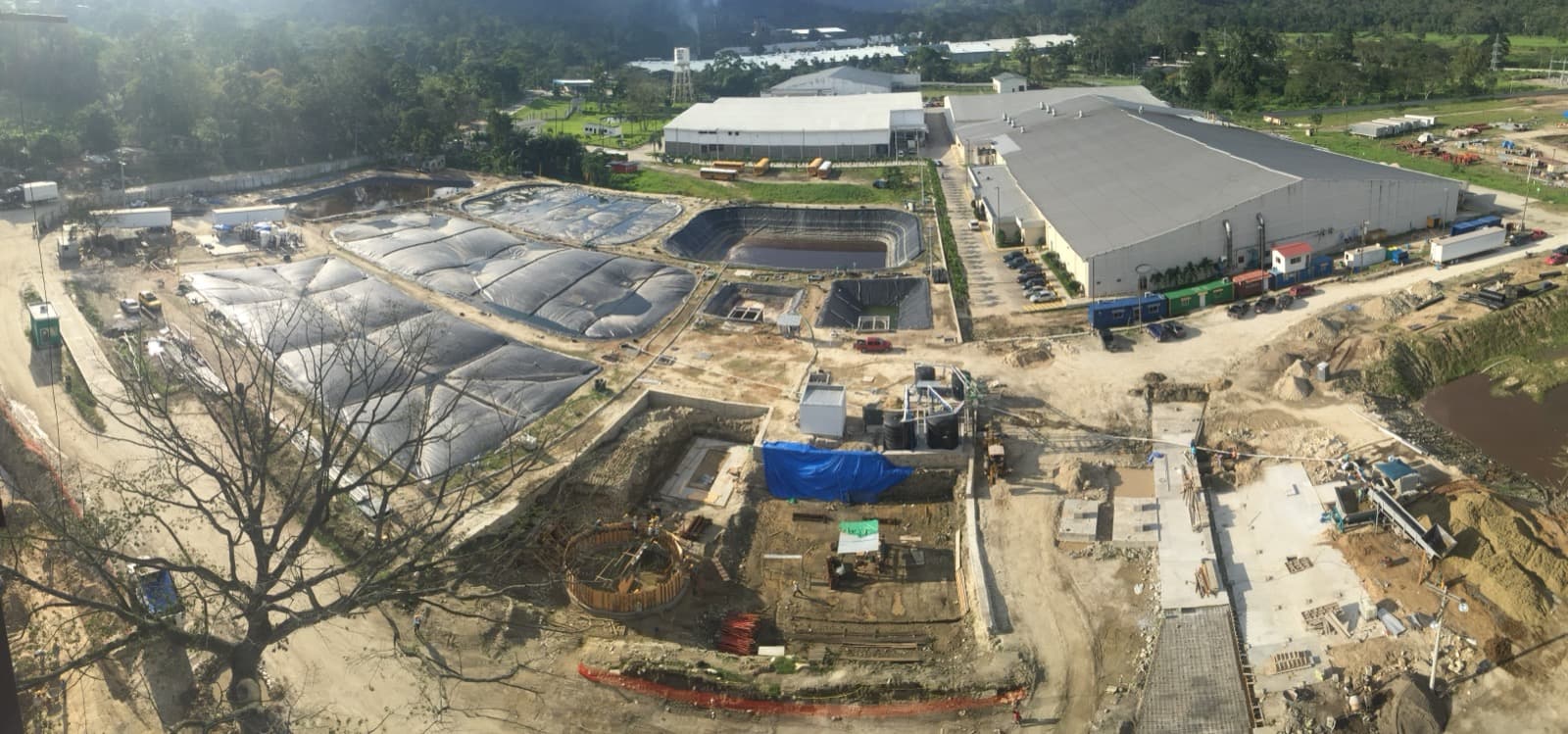
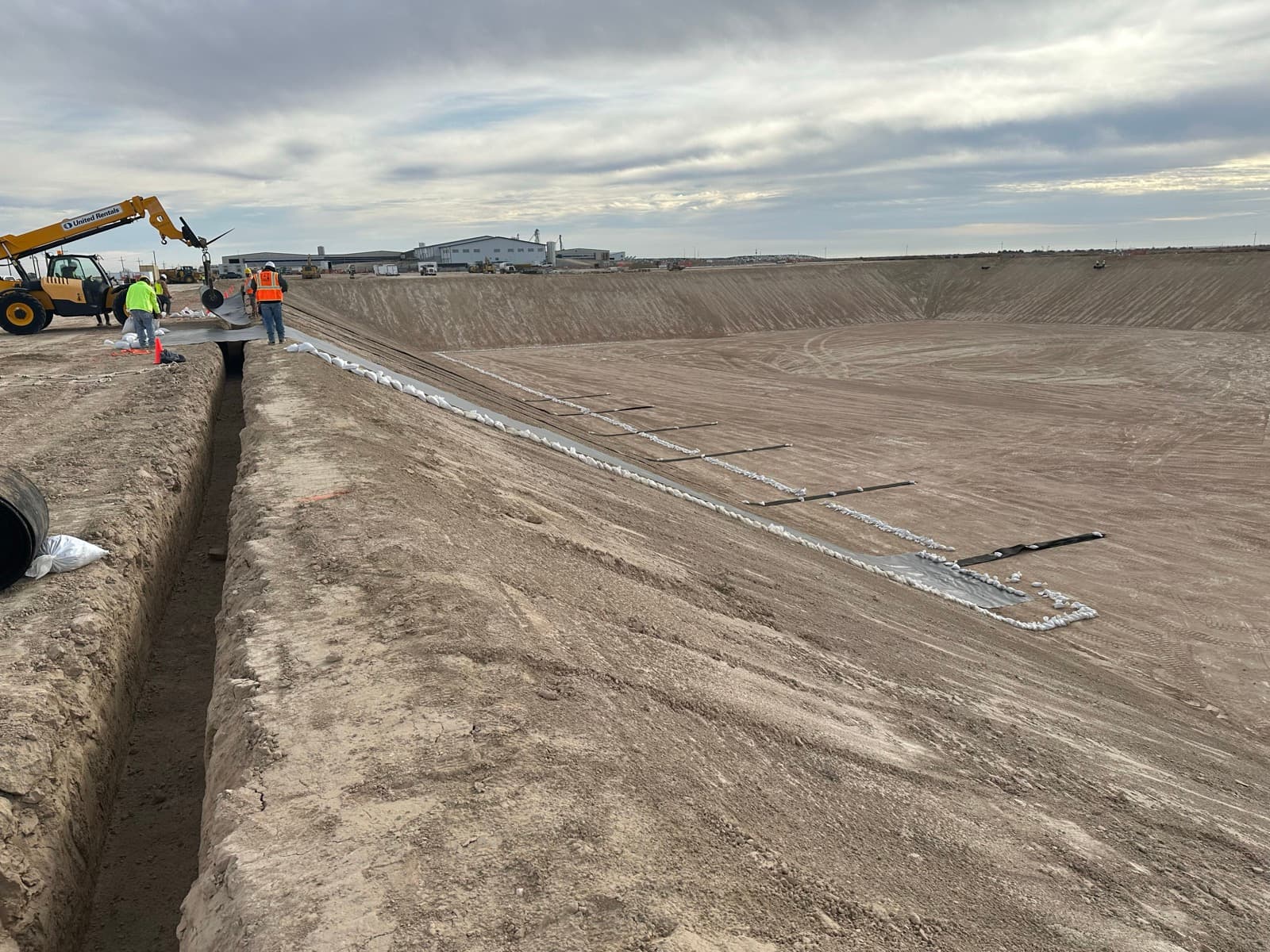
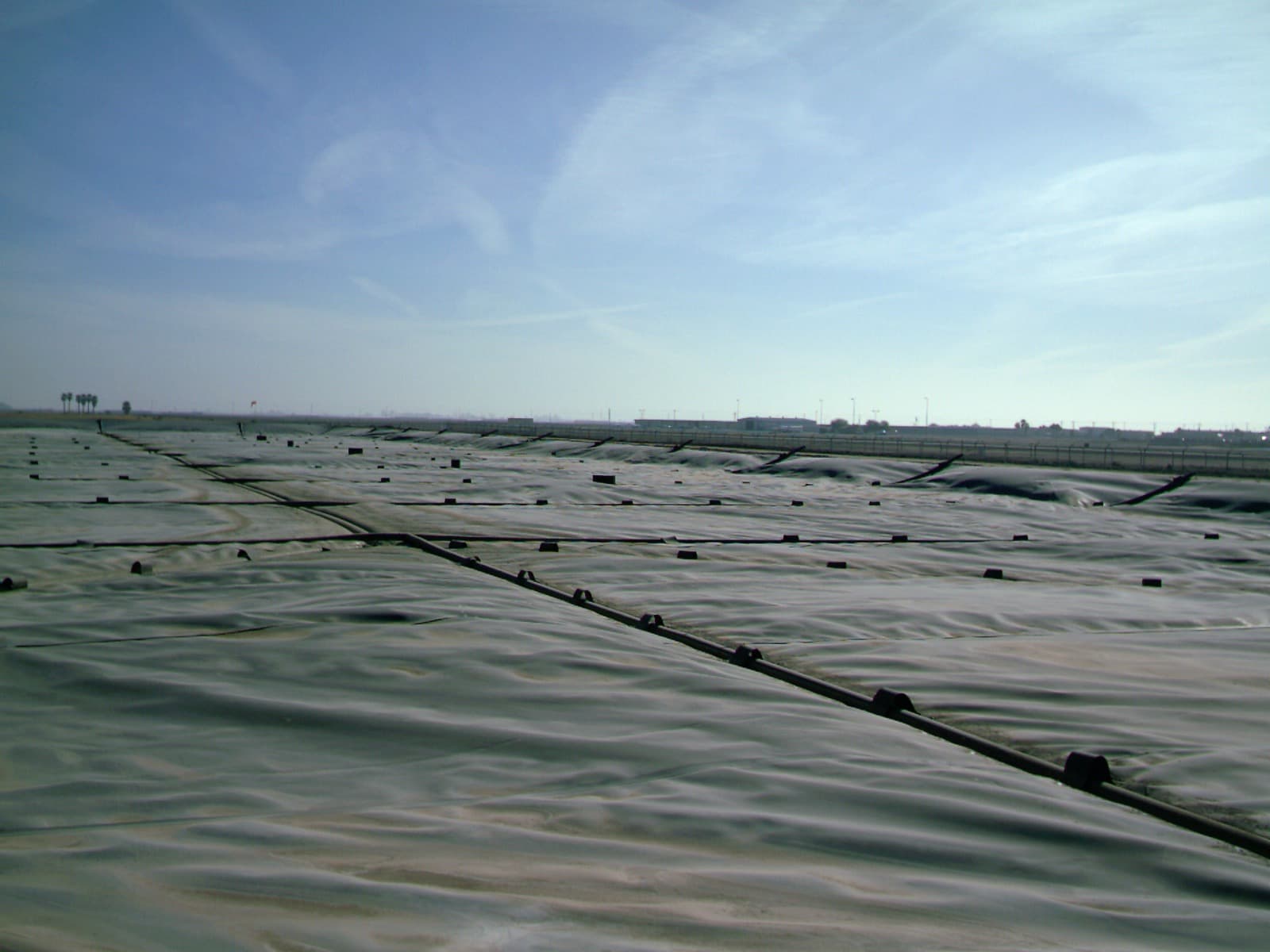
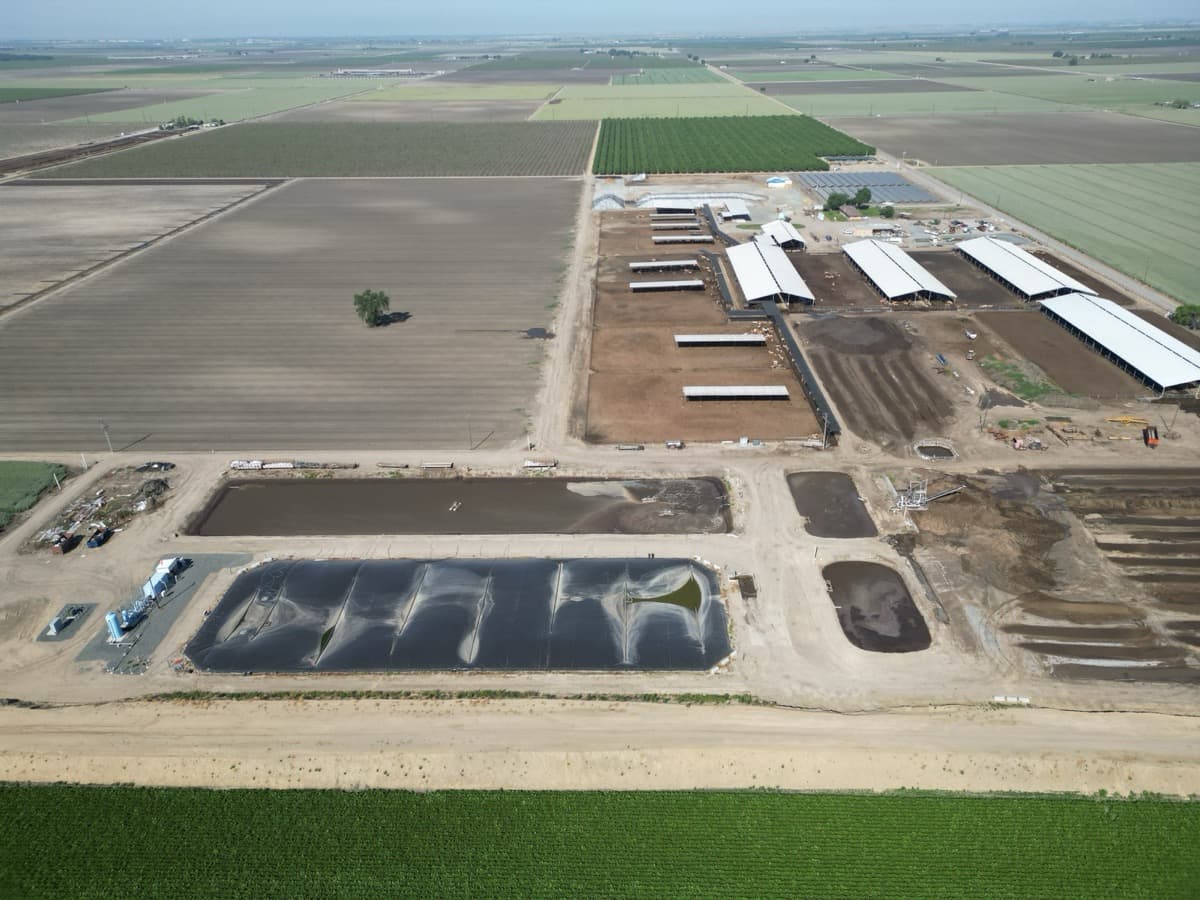
The U.S. Livestock Project Protocol (currently V3.02) defines the requirements for generating compliance offset credits from livestock methane destruction projects. The protocol is specific: it covers methane capture and destruction from manure management systems at dairy, swine, and other livestock operations. To qualify, a project must install a biogas collection and destruction system on an operation that was previously managing manure in open lagoons or other uncovered systems.
- Eligible operations: dairy cattle, swine, and other livestock with anaerobic manure management
- Eligible technologies: covered lagoon digesters, plug flow, complete mix -- with enclosed flare or energy recovery
- Baseline requirement: project must demonstrate additionality (emissions would not have been reduced without the carbon credit incentive)
- Crediting period: 10-year initial period with option for renewal
- Monitoring: continuous biogas flow measurement, methane concentration analysis, and flare/engine operating data
- Verification: annual third-party verification by CARB-accredited verifiers
The additionality requirement is critical. Projects that are legally required by other regulations (state manure management mandates, for example) may not qualify for compliance offsets. The protocol requires demonstration that the carbon credit revenue was a material factor in the project decision. EFI's zero-cost model, where the company funds 100% of project capital and recovers investment through credit sales, inherently satisfies this requirement -- without credit revenue, the project would not be built.
The 2026 Business Case: Real Numbers
EFI's cap-and-trade business case analysis, updated in March 2026, models the revenue potential for livestock methane projects under the compliance offset pathway. The analysis covers multiple scenarios based on herd size, methane production rates, and credit pricing. The results consistently show compliance pathway revenue exceeding voluntary market revenue by 40-80% on a per-tonne basis.
For a typical 3,000-head dairy operation with a covered lagoon digester and enclosed flare, the business case shows annual methane destruction of 800-1,500 tonnes CO2e, generating compliance offset credits worth $30,000-$60,000 per year at current ARBOC pricing. The same destruction volume on the voluntary market would generate $12,000-$37,500. Over a 10-year crediting period, the compliance pathway delivers $180,000-$225,000 more in cumulative revenue for the same physical system doing the same work.
ARBOC Issuance Data: Market Reality
CARB publishes offset credit issuance data publicly. The ARBOC issuance records show that livestock projects have been among the most successful offset types under the cap-and-trade program, with millions of credits issued since the program's inception. The livestock protocol has maintained a strong issuance track record because the monitoring and verification requirements, while rigorous, are well-suited to covered lagoon digester systems where gas flow and destruction can be measured continuously and accurately.
The invalidation rate for livestock offset credits has been low compared to some other offset types, which reflects the straightforward emission reduction mechanism: methane that was being emitted to the atmosphere is now being captured and destroyed in an enclosed flare. The physical measurement of gas flow and methane concentration leaves little room for the additionality and quantification disputes that have plagued some forestry and industrial gas offset categories.
The Columbus Carbon Cluster: Geographic Aggregation
One challenge with the compliance pathway is that verification costs are significant -- typically $25,000-$50,000 per annual verification event. For a large operation generating substantial credits, this cost is easily absorbed. For smaller operations with 200-500 head, the verification cost can consume 30-50% of annual credit revenue, making the compliance pathway uneconomic on a standalone basis.
EFI's Columbus Carbon Cluster analysis addresses this by modeling geographic aggregation: clustering 10-15 small to mid-size dairy operations within a defined geographic region under a single project registration. The cluster shares verification costs, monitoring infrastructure, and project management overhead. The Columbus analysis shows that aggregation reduces per-farm verification costs by 60-75%, making the compliance pathway viable for operations that could never justify it individually.
How EFI Handles the Compliance Pathway
The complexity of the CARB compliance offset process is precisely why EFI handles it end-to-end for operators. The farmer does not need to understand CARB regulations, hire verifiers, file monitoring reports, or manage credit issuance. EFI's scope covers project registration under the livestock protocol, installation of all monitoring instrumentation, continuous data collection and management, annual verification coordination, ARBOC issuance application, and credit marketing and sale.
Under EFI's standard arrangement, the operator pays nothing and bears no compliance pathway risk. EFI funds the project capital, manages the credit process, and shares revenue after achieving its 2x MOIC return threshold. The operator benefits from a professionally managed compliance asset without the administrative burden or financial risk of navigating the CARB system independently.
For operators in states outside California, the compliance pathway still applies. CARB's offset program accepts projects from anywhere in the United States -- the project does not need to be located in California. The compliance offset credits generated by a dairy in Wisconsin or a swine operation in North Carolina can be sold to regulated entities in California's cap-and-trade market at the same pricing as California-based projects.
“The compliance market pays more because the buyers have to buy. That is the fundamental difference. When a refinery needs offsets to meet its cap-and-trade obligation, the conversation is about supply and quality, not about whether they feel like being sustainable this quarter.”
-- EFI USA