Carbon credit markets have matured significantly since the early days of voluntary offsets and state-level compliance programs. For dairy and livestock operators, carbon credits generated from methane reduction can represent the difference between a project that pays for itself and one that requires ongoing subsidy. Understanding market dynamics, pricing trends, and program-specific requirements is essential for making informed investment decisions.
This analysis focuses on the credit programs most relevant to agricultural methane reduction: California's Low Carbon Fuel Standard (LCFS), the federal Renewable Fuel Standard (RFS) and its Renewable Identification Numbers (RINs), voluntary carbon markets, and emerging state programs. Each has distinct mechanics, pricing dynamics, and eligibility requirements.
California LCFS: The Anchor Market
California's LCFS has been the primary revenue driver for dairy methane projects since the program's inception. The LCFS assigns carbon intensity (CI) scores to transportation fuels, and fuels with CI scores below the declining benchmark generate credits that can be sold to obligated parties (petroleum refiners and importers). Dairy biogas-derived RNG has some of the lowest CI scores in the program -- often negative -- which generates significant credit volume per unit of fuel.
- LCFS credit pricing: After reaching highs above $200 per credit in 2022, LCFS credit prices declined to the $50-$80 range through 2024-2025 due to credit oversupply and program uncertainty. Prices have stabilized in the $60-$90 range in early 2026.
- Program amendments: CARB's 2024 LCFS amendments accelerated the CI benchmark decline through 2030, which should increase credit demand and support prices in the medium term.
- Auto-acceleration mechanism: The amended LCFS includes an auto-acceleration clause that increases the benchmark decline rate if credit bank exceeds target levels. This acts as a price floor mechanism.
- Dairy-specific considerations: Dairy biogas projects that generate LCFS credits must meet specific monitoring and verification requirements, including quarterly biogas measurement and annual third-party verification.
Federal RINs: The Volume Play
The federal Renewable Fuel Standard requires petroleum refiners and importers to blend renewable fuels or purchase RINs (Renewable Identification Numbers) to meet their obligations. Dairy biogas-derived RNG qualifies as cellulosic biofuel (D3 RINs), which commands the highest RIN value due to limited supply relative to the cellulosic mandate.
D3 RIN values have been volatile, ranging from $1.50 to $3.50 per RIN over the past three years. Each gallon of RNG-equivalent generates approximately 1.5 RINs, making RIN revenue a significant component of dairy RNG project economics. However, RIN markets are subject to EPA policy decisions on mandate levels and small refinery exemptions, which introduces regulatory risk.
Voluntary Carbon Markets
Voluntary carbon markets allow companies to purchase carbon offsets to meet voluntary emissions reduction commitments. Methane destruction projects -- including those that flare biogas rather than converting it to energy -- can generate voluntary carbon credits through standards like the American Carbon Registry (ACR), Verra's Verified Carbon Standard (VCS), and the Gold Standard.
- Voluntary credit pricing: Agricultural methane credits have traded in the $15-$40 per ton range, with higher prices for projects with strong co-benefits documentation (water quality, odor reduction, community impact).
- Market growth: The voluntary market has grown approximately 20% annually, driven by corporate net-zero commitments. However, increased scrutiny of credit quality has led to more selective buying.
- Additionality requirements: Voluntary standards require demonstration that the methane reduction would not have occurred without carbon credit revenue. This is increasingly challenging as methane regulation expands.
- Stacking limitations: Most programs prohibit 'stacking' -- claiming the same emission reduction under multiple programs. A project generating LCFS credits typically cannot also generate voluntary credits for the same emission reductions.
Cap-and-Flare Credit Opportunities
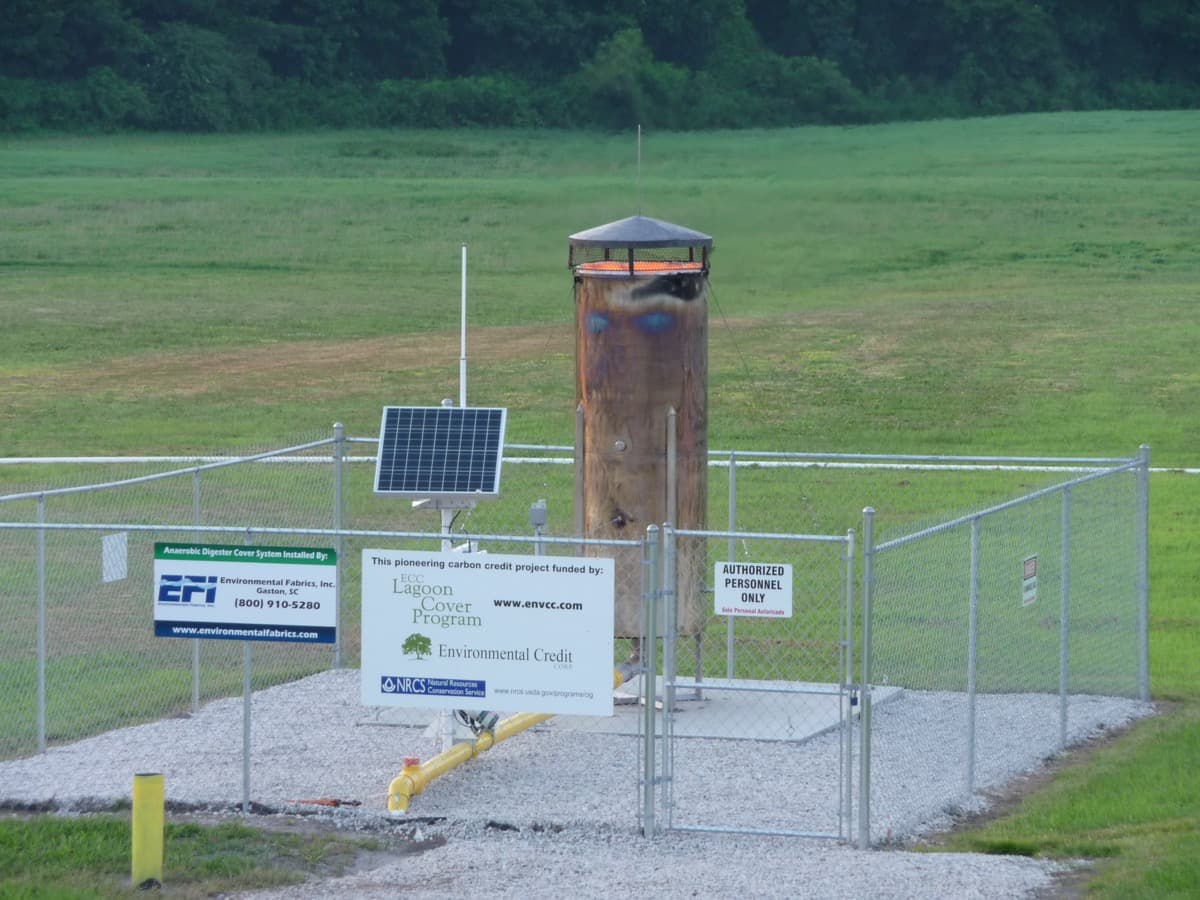
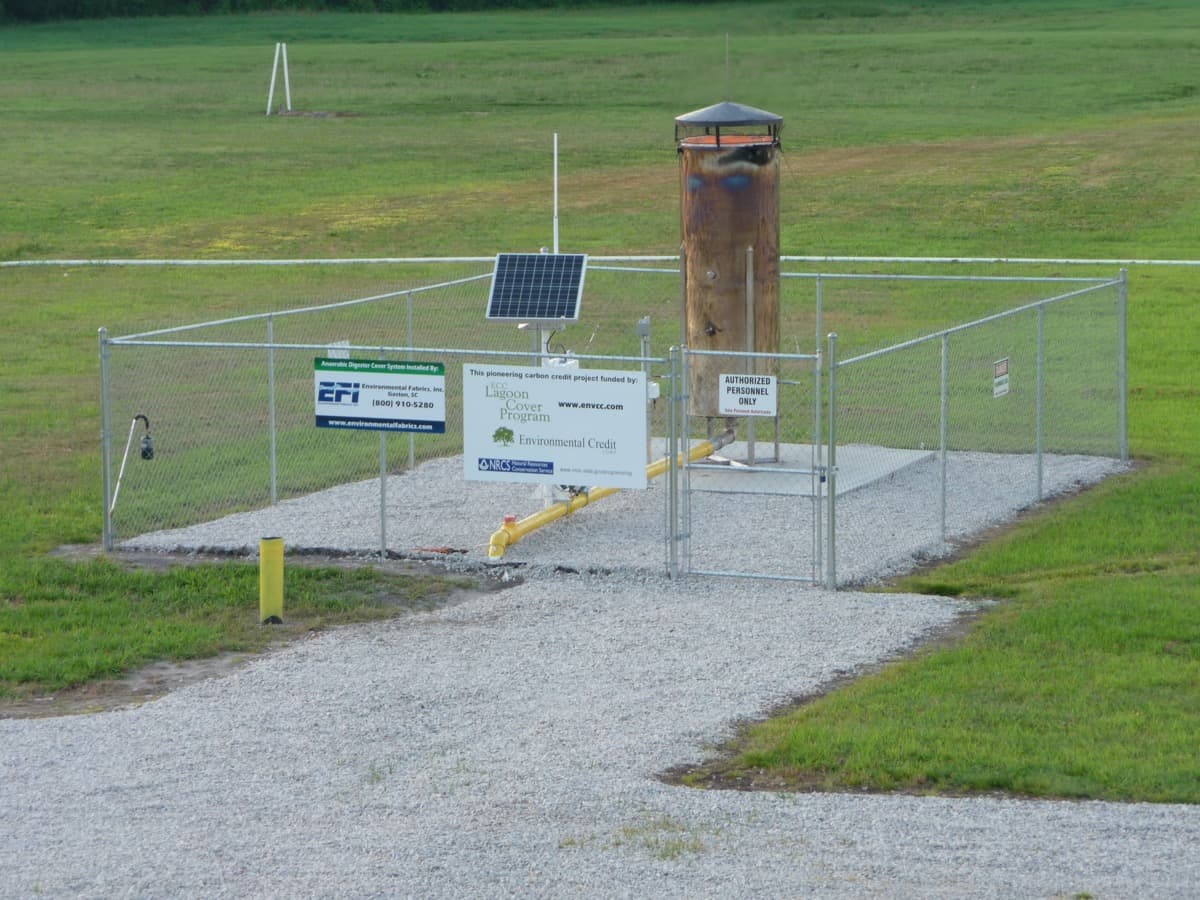
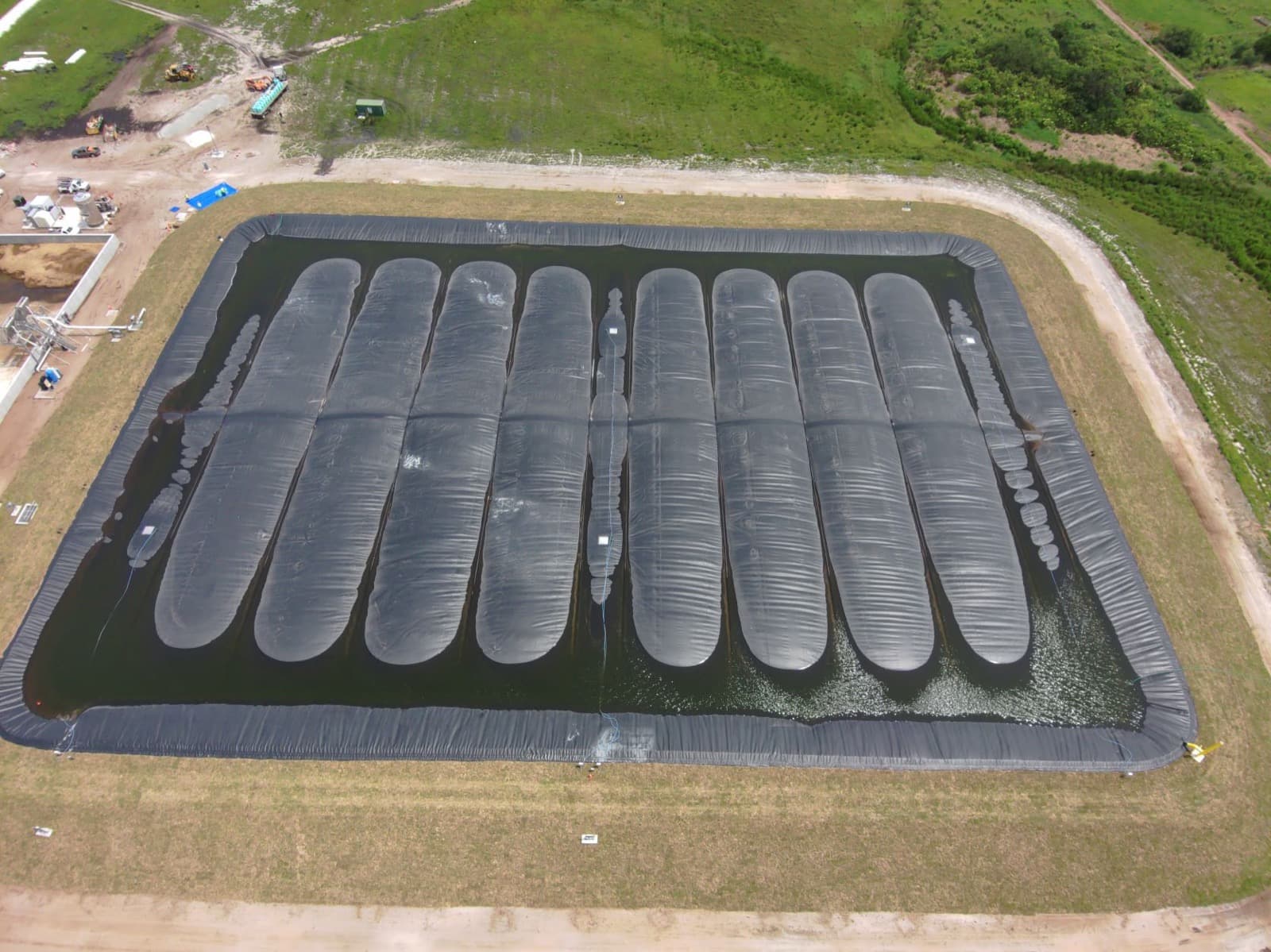
An important distinction in the carbon credit landscape is that methane destruction via flaring generates carbon credits even when no energy is recovered. The environmental benefit is the destruction of methane (a potent greenhouse gas), not the production of renewable energy. This means that cap-and-flare systems -- which are significantly less expensive than energy recovery systems -- can participate in carbon credit markets.
For smaller operations where the biogas volume does not justify RNG upgrading, cap-and-flare combined with voluntary carbon credits or emerging compliance credits can provide project economics comparable to or better than larger energy recovery projects on a per-dollar-invested basis. The key advantage is lower capital cost and operational simplicity, which translates to lower project risk.
What to Expect in 2026-2027
- LCFS prices are expected to gradually recover as the accelerated benchmark decline increases credit demand. Most analysts project $80-$120 per credit by late 2027.
- D3 RIN values will depend heavily on EPA's final rule for 2026-2027 mandate levels. Industry expects stable or increasing cellulosic mandates.
- Voluntary market consolidation is likely, with buyers focusing on high-quality credits from projects with robust monitoring and clear additionality. Low-quality credits will face downward price pressure.
- New state LCFS programs in Oregon, Washington, and potentially New York will create additional compliance credit demand for agricultural methane projects.
- Federal methane regulation (NSPS OOOOb) will reduce additionality arguments for voluntary credits in affected sectors, shifting the credit opportunity toward compliance markets.
EFI USA's cap-and-flare business model is designed to capture carbon credit revenue on behalf of our partners, sharing that revenue under a simple split structure that requires zero capital investment from the waste generator. Contact us to evaluate the carbon credit potential of your operation.