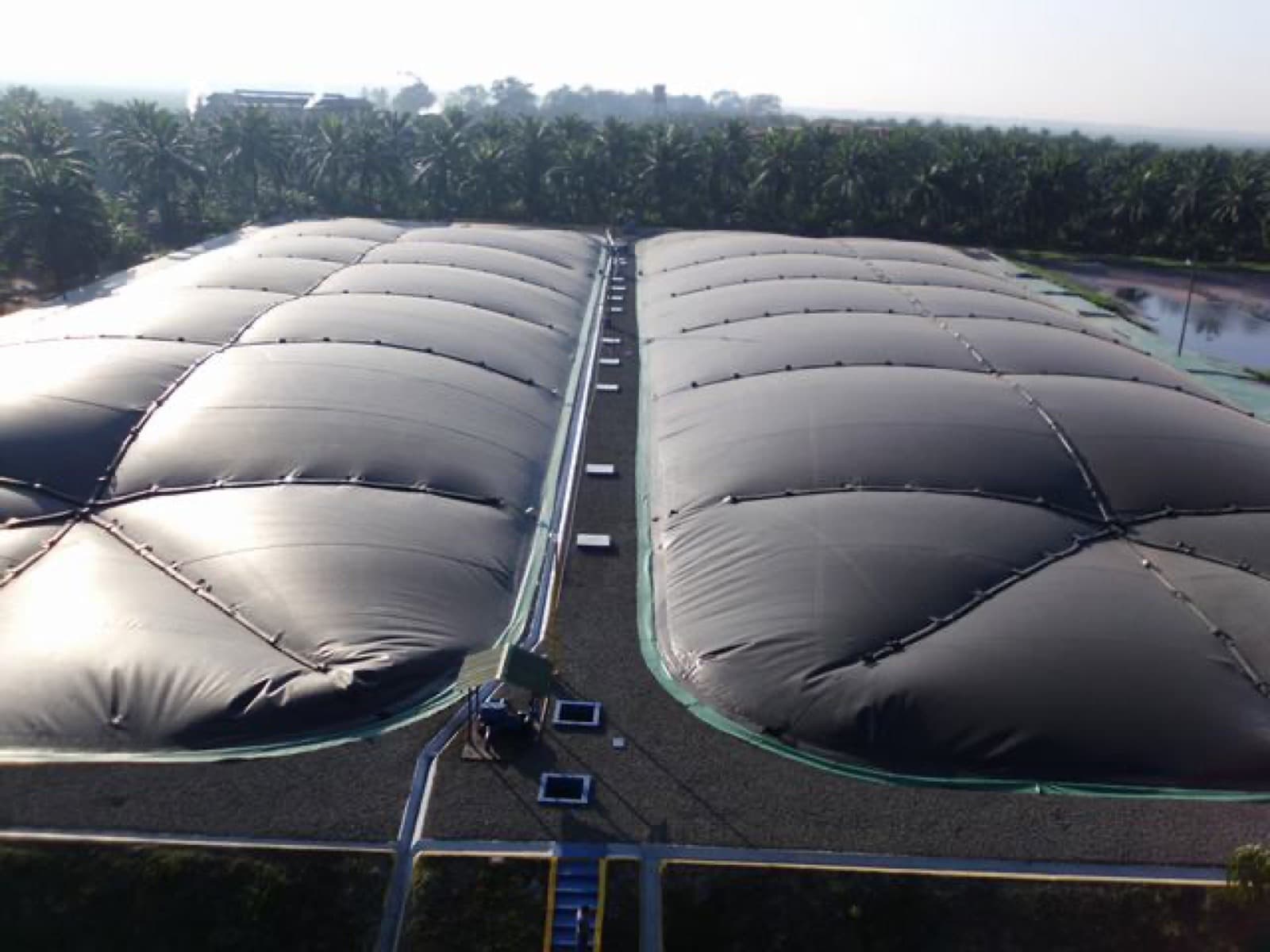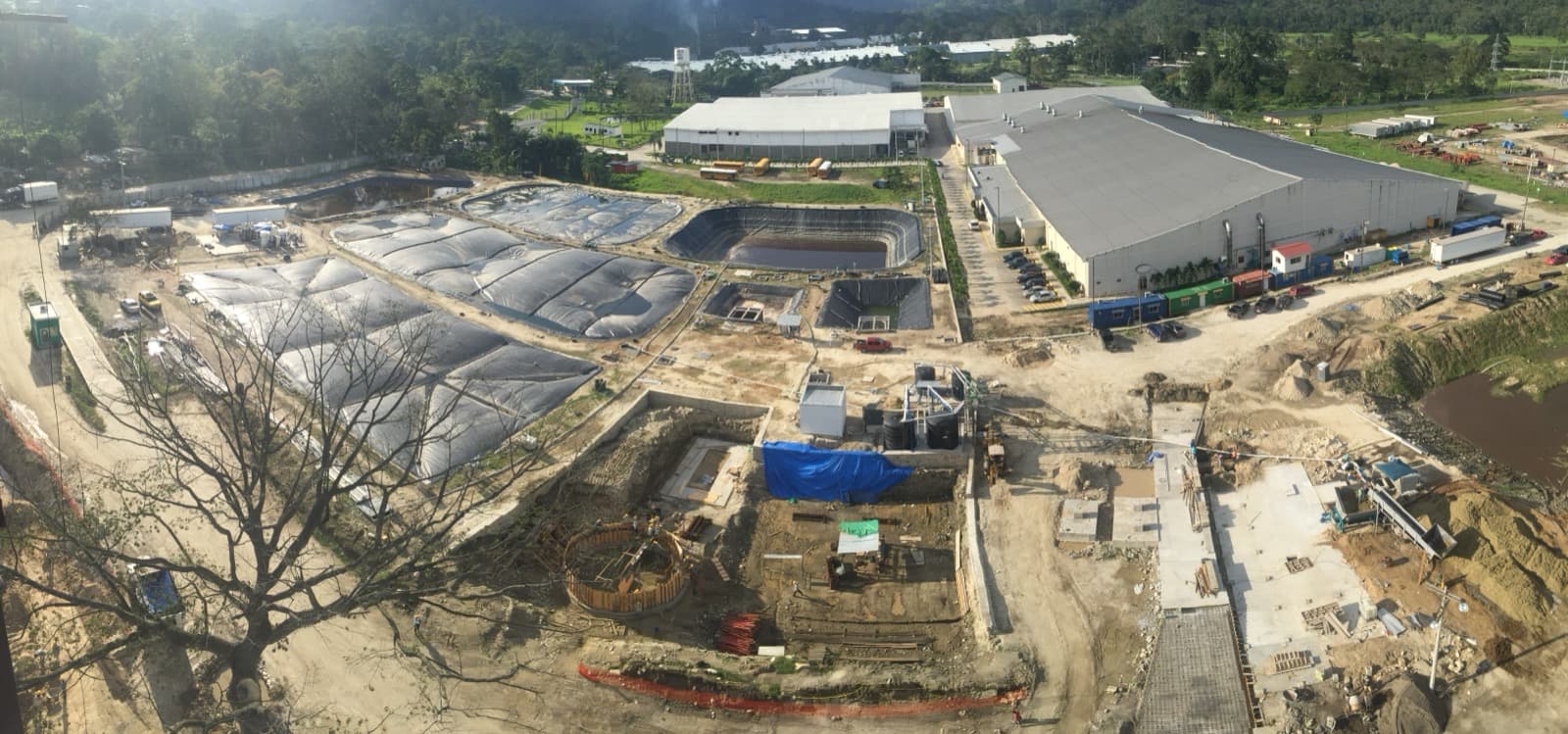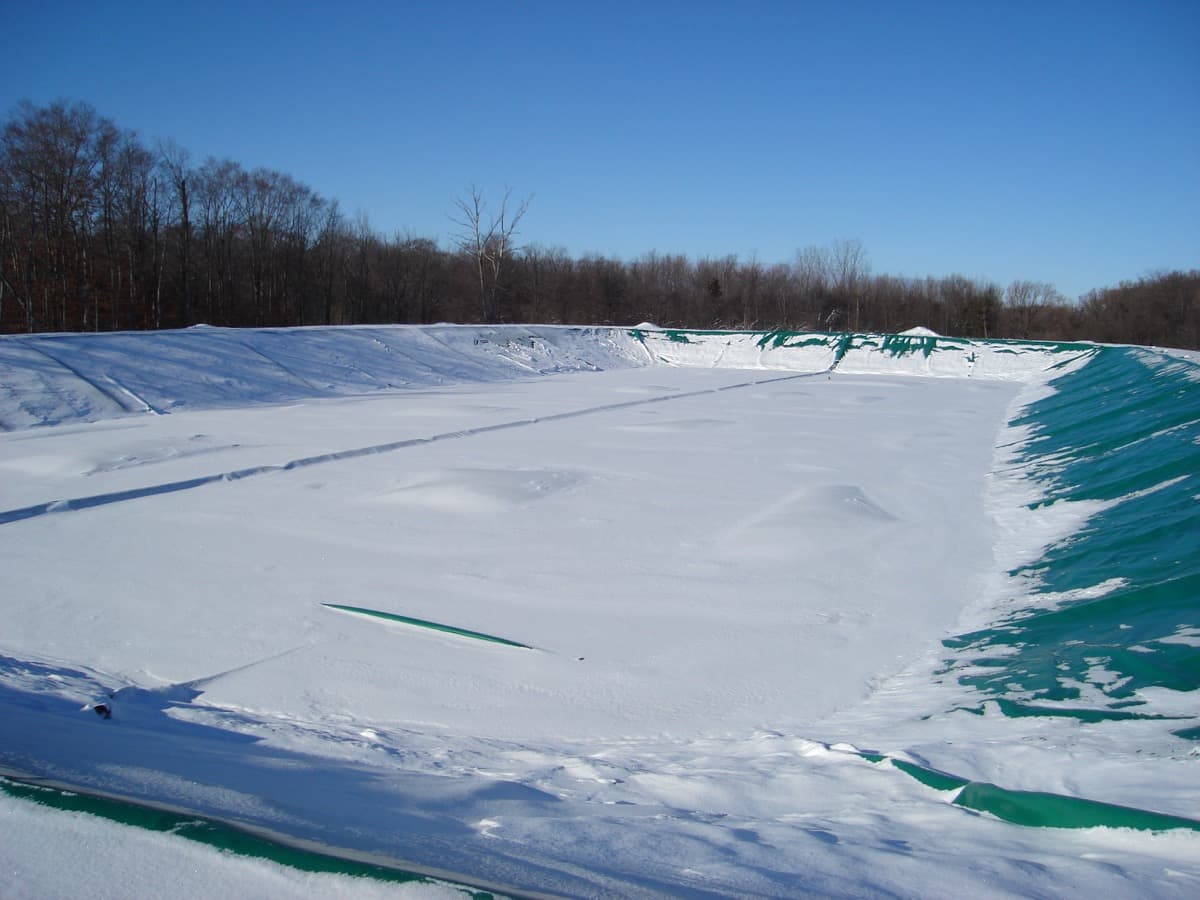
Fessenden Dairy had 650 milking cows, 550 heifers, and an earthen manure lagoon before EFI installed a two stage ambient temperature covered lagoon digester in King Ferry, New York.
That fact matters because many dairy lagoon projects are discussed as technology projects first. In the field, they are construction projects before anything else. The lagoon geometry, sludge profile, perimeter access, cover material, ballast layout, gas piping, flare connection, and monitoring plan determine whether the system can be operated for years without becoming a maintenance problem.
Why the Existing Lagoon Drives the Design
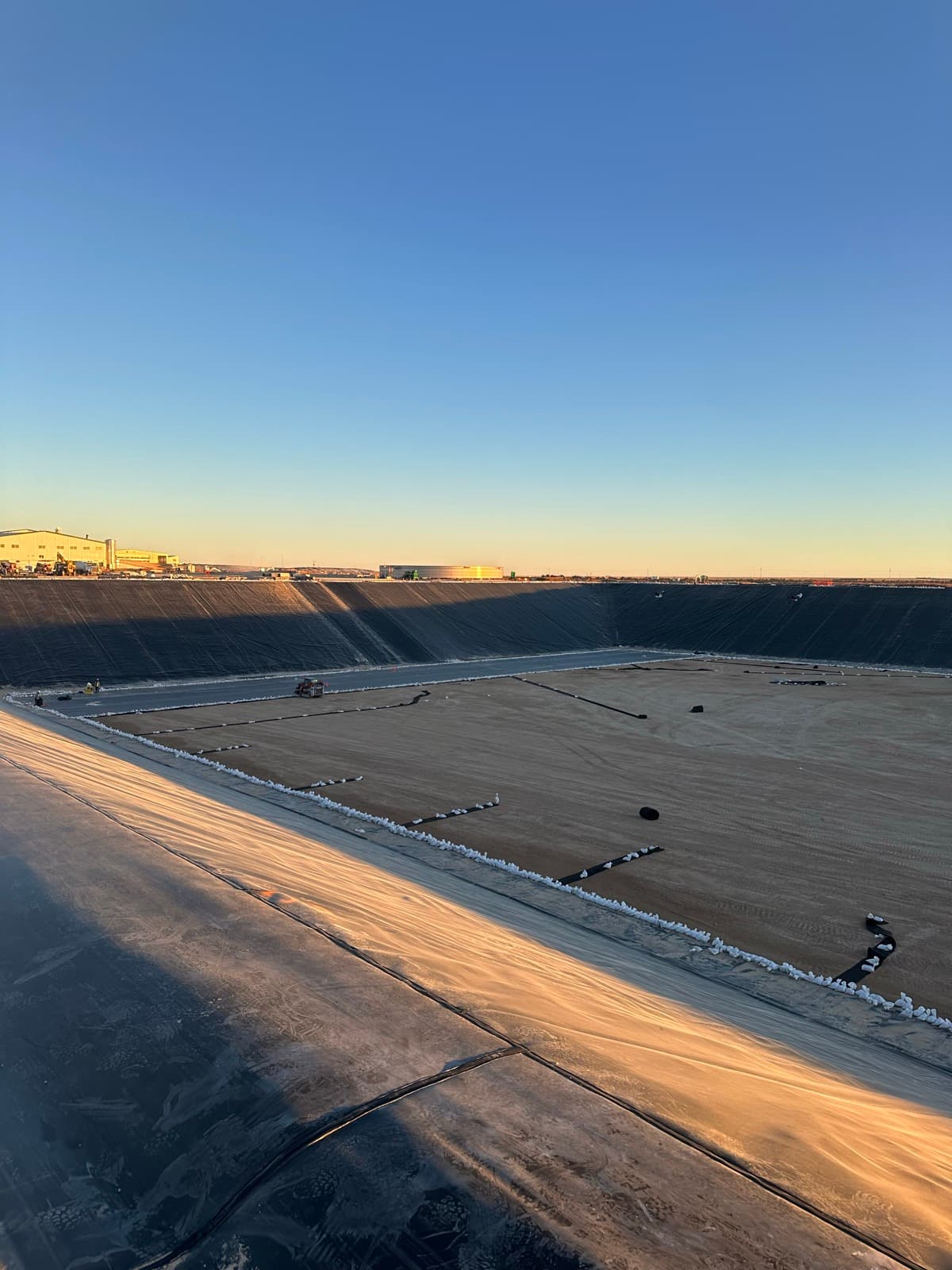
A covered lagoon digester starts with the lagoon that is already on the farm. At Fessenden Dairy, manure had been collected in an earthen lagoon. The project goal was to reduce odors, capture methane, support emission reduction credit monitoring, and give the farm a more controlled manure management system without turning the operation into a complex industrial plant.
Creek Acres Farm in Amsterdam, New York had a similar practical problem at a smaller scale. The farm had nearly 400 milking cows and four open air lagoons. Those lagoons created odor, stormwater, and greenhouse gas concerns while leaving the biogas unmanaged. EFI designed, fabricated, and installed two ambient temperature lagoon cover systems with ballast, gas collection, flare connection, and monitoring equipment.
The Cover Is Only One Part of the Work
A floating cover has to move with the lagoon while still controlling gas, rainwater, and perimeter loads. That requires more than a sheet of membrane. The contractor has to understand side slopes, anchor conditions, exposed edges, freeboard, solids accumulation, thermal movement, and how people will safely access the cover for inspection.
The Fessenden record describes a two stage system. The first stage measured about 80 ft by 175 ft, and the second about 175 ft by 365 ft. EFI used 60 mil Coverflex cover material, cover ballast weight systems, biogas collection infrastructure, and a flare with monitoring. Those details are not accessories. They are the system.
When the cover is treated as a standalone product, important details can be missed. Ballast affects cover stability. Penetrations affect gas control. Rainwater management affects operator workload. Anchor layout affects durability. A good design connects those decisions before mobilization, not after the crew is already in the field.
Gas Handling Has to Be Built In
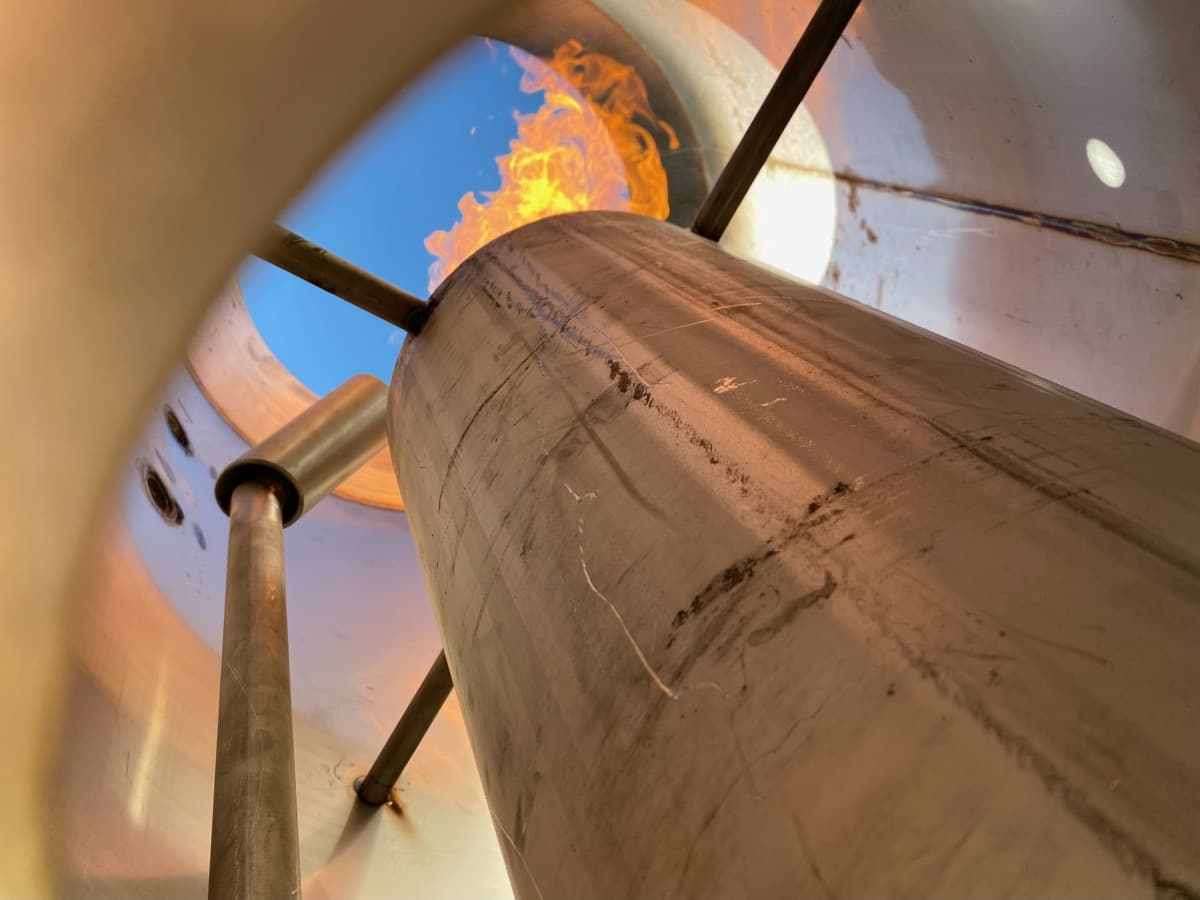
Capturing biogas creates a second set of project responsibilities. Gas has to move from the covered lagoon to a controlled point of use or destruction. Piping, condensate handling, flame equipment, and monitoring all need to match the lagoon and the farm's operating pattern.
At Fessenden, the system included flare and monitoring equipment that records emission reduction credits. At Creek Acres, biogas collection lines fed a flare, and monitoring equipment supported voluntary emission reduction documentation. In both cases, the gas system was part of the construction scope rather than a separate afterthought.
This is where EFI's business lines overlap. Geomembrane liner experience helps with containment and field seams. Floating cover experience helps with movement, ballast, and anchoring. Biogas and digester design build experience helps connect the cover to gas collection, flare equipment, and monitoring. O2 injection and H2S removal experience informs later gas quality decisions when a site needs more than simple flaring.
Small Dairies Need Durable Simplicity
Neither Fessenden nor Creek Acres was built around unnecessary complexity. Both projects used ambient temperature lagoon cover systems. The work focused on practical outcomes: reduced odor, controlled methane, documented environmental performance, and systems that could function with routine farm attention.
That simplicity is not the same as being basic. A farm scale system still needs correct fabrication, experienced field installation, quality assurance, clear maintenance access, and reliable monitoring. If any one of those pieces is weak, the owner feels it later in downtime, repairs, or paperwork that does not match the physical system.
EFI has been working in geosynthetics for more than 30 years from its headquarters in Gaston, South Carolina. The covered lagoon practice now represents an 82 percent share of the United States covered lagoon market. That history matters most when a project is ordinary in name but difficult in execution.
What Owners Should Clarify Before an RFQ
Owners and engineers can make these projects smoother by preparing the right information before asking for pricing. Lagoon dimensions, side slopes, current liner condition, sludge depth, flow patterns, freeboard, utilities, access roads, discharge requirements, gas destination, and monitoring needs all affect scope.
- Confirm whether the project is primarily odor control, methane destruction, energy recovery, compliance, or a combination of those goals.
- Document lagoon geometry and operating conditions before selecting cover material or ballast layout.
- Decide early whether gas will be flared, used on site, or prepared for a future energy project.
- Include monitoring and documentation requirements in the construction scope, especially when credits or grant reporting are involved.
- Plan maintenance access before the cover is fabricated, not after installation.
The best contractor conversations are not limited to material selection. They cover how the system will be built, inspected, documented, operated, and repaired. That is the difference between buying fabric and building environmental infrastructure.
The Practical Lesson
Fessenden Dairy and Creek Acres Farm are useful examples because they show covered lagoon digesters at a realistic scale. The work was not about making a farm look like a utility facility. It was about taking existing lagoons and turning them into controlled systems that reduce odor, collect gas, support documentation, and remain serviceable.
For dairy owners, the takeaway is not that every farm needs the same design. The takeaway is that covered lagoon systems perform when construction, gas handling, monitoring, and maintenance are treated as one scope from the beginning.