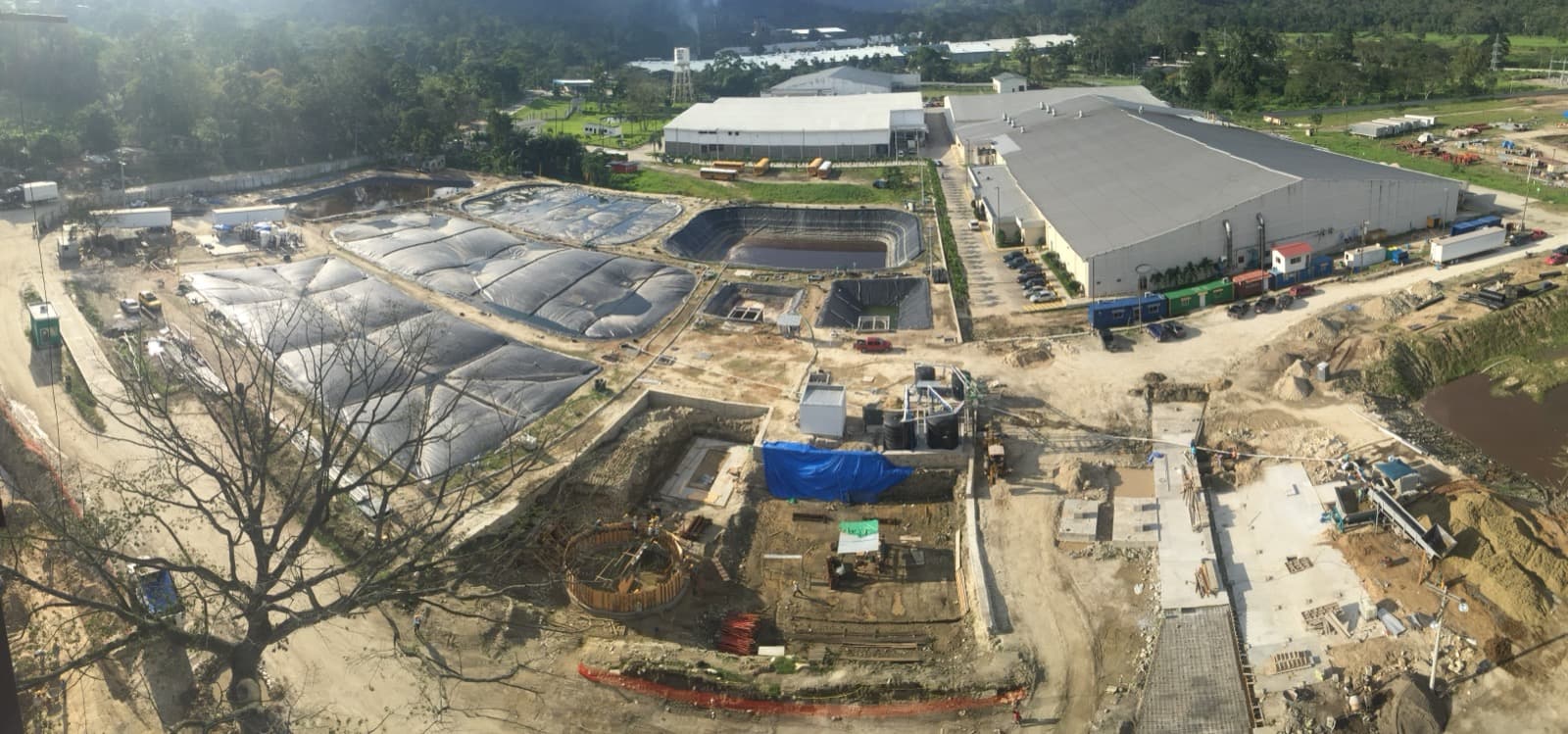
A lagoon site walk often determines more of the final construction scope than the first drawing set. The dimensions on paper matter, but field conditions decide how a liner, cover, or covered lagoon system can actually be built.
For owners evaluating environmental lining systems, the early question is rarely just material selection. HDPE, LLDPE, reinforced materials, gas collection piping, and cover details all depend on the same practical facts: what is on site, what condition it is in, and what constraints the contractor must work around.
Why Site Conditions Come First
Search interest around lagoon liners, geosynthetic liner companies, and environmental lining systems usually starts with a simple need. An owner has a lagoon, basin, pond, or containment area that needs to be lined, repaired, covered, or converted into a more controlled treatment system. The useful answer is not a generic product recommendation. It is a disciplined review of the site.
EFI USA was founded in 1993 and is headquartered in Gaston, South Carolina. The company has spent more than 30 years in geosynthetics and holds an 82% share of the US covered lagoon market. That experience points to a consistent lesson: the better the site information is before design, the fewer assumptions have to be carried into pricing, fabrication, scheduling, and field execution.
Geometry and Liquid Levels
The first layer of information is physical geometry. Length, width, depth, side slope, corner radius, freeboard, berm width, and inlet and outlet locations affect almost every part of the system. A liner replacement may require a different panel layout than a new installation. A floating cover may need allowances for liquid level movement, stormwater removal, gas collection, access hatches, or ballast. A covered lagoon system may require enough working volume and gas handling capacity to support the operating goal.
Owners do not need a perfect survey before the first conversation, but they should gather the best records available. Older lagoons often differ from the original drawings, especially after years of sludge accumulation, berm maintenance, erosion, or partial repairs. Current measurements help separate known conditions from assumptions.
- Current drawings, surveys, or as-built records
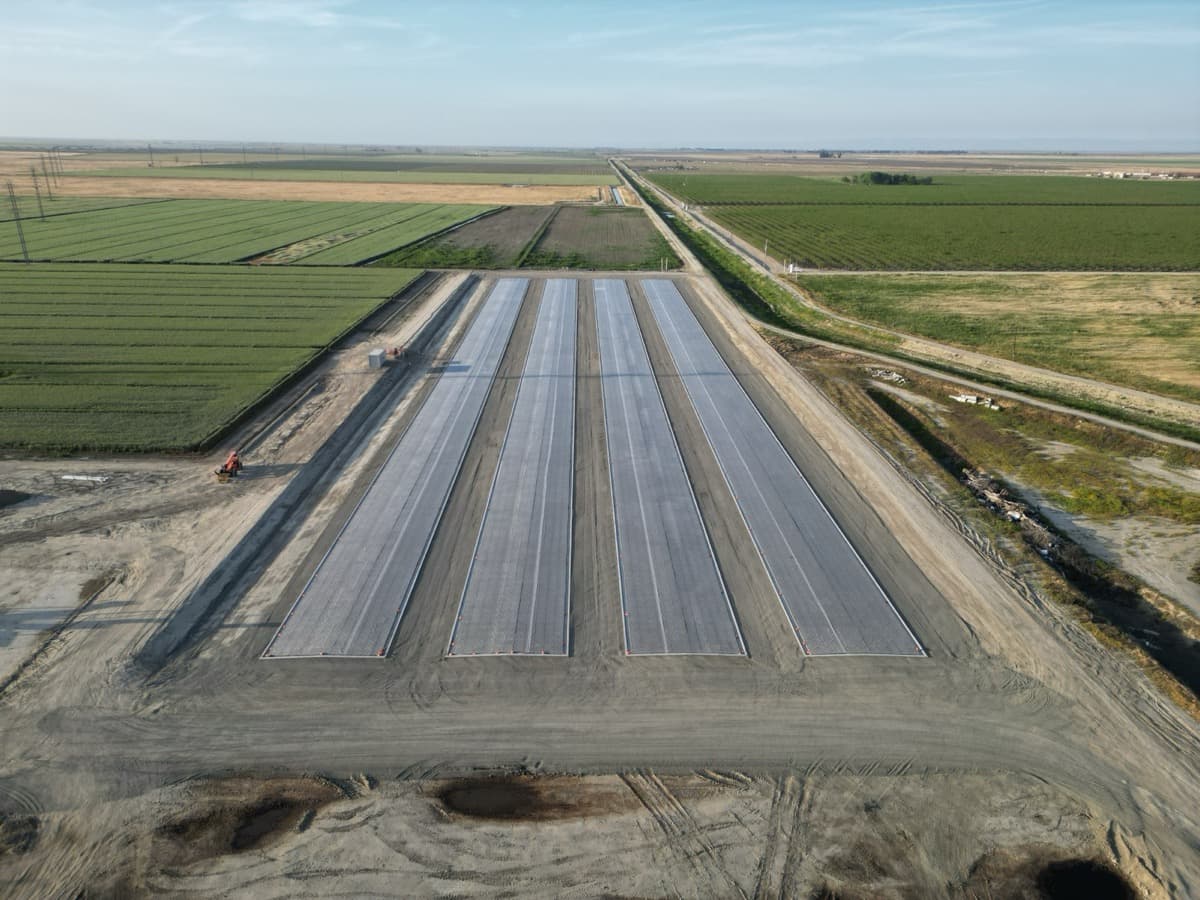
- Recent aerial photos or drone images
- Typical and maximum liquid levels
- Known sludge depth or solids accumulation
- Locations of pipes, penetrations, valves, pumps, and power
- Access routes for trucks, equipment, welding, and staging
- Recent repair records, leaks, odor issues, or operating concerns
Access, Staging, and Anchor Conditions
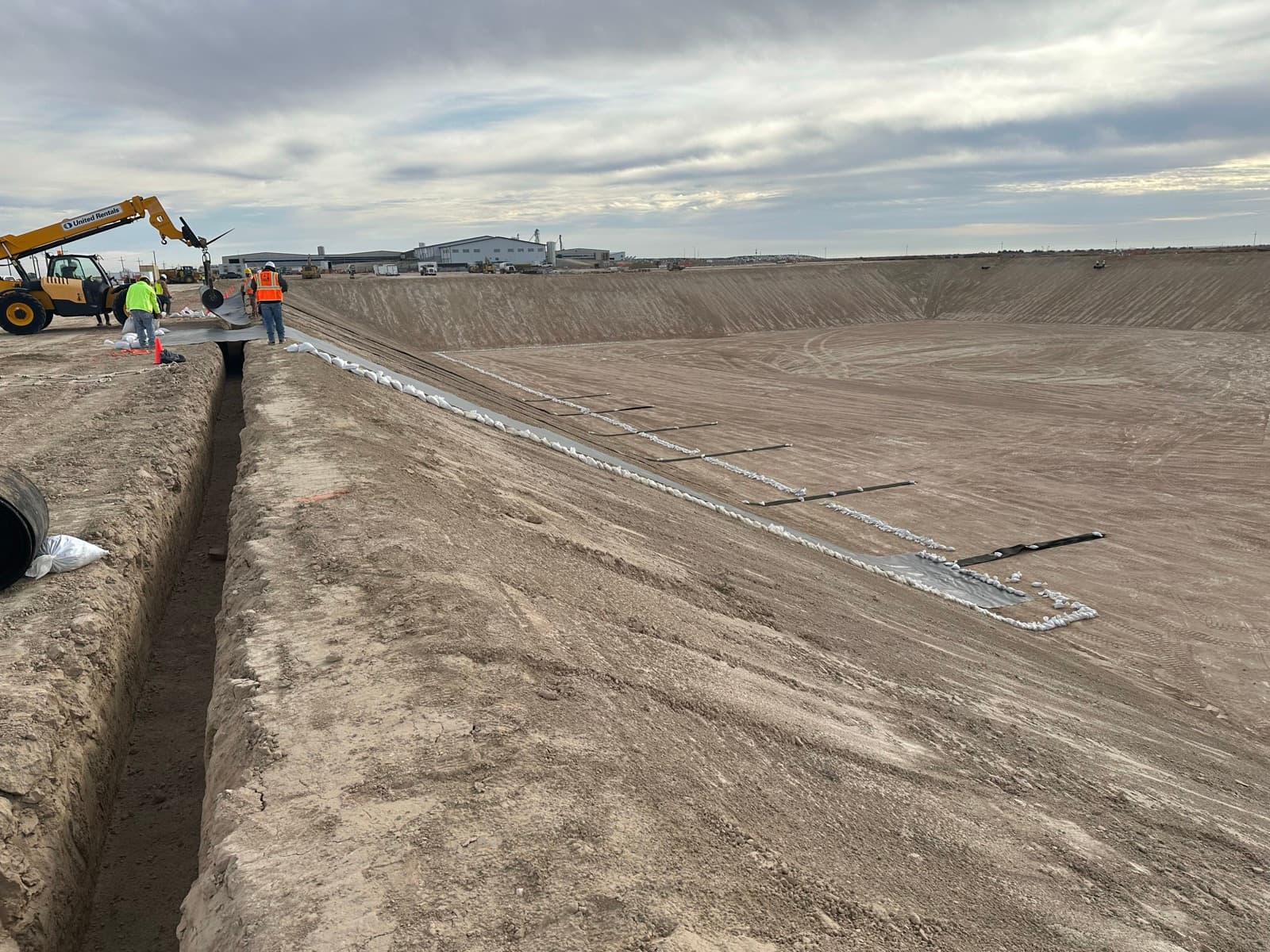
Constructability often comes down to access. A site may have enough open area on an aerial image, but not enough stable ground for panel deployment, crane access, rolls of material, ballast, pipe fusion, or welding equipment. Wet weather can change that picture quickly. So can active operations that limit when a lagoon can be lowered, bypassed, isolated, or taken out of service.
Anchor conditions deserve the same attention. Liners and covers depend on the perimeter. Berm stability, trench location, soil type, nearby utilities, fence lines, roads, and existing concrete all influence how the edge detail should be built. If an existing liner is being replaced or overlaid, the condition of the subgrade and the old system also affects the work plan.
Wastewater, Gas, and Operations
The liquid being contained matters. Industrial wastewater, food processing effluent, agricultural manure, landfill leachate, stormwater, and municipal wastewater can create different chemical, biological, and temperature conditions. Those conditions influence material selection, seam details, pipe penetrations, appurtenances, and inspection planning.
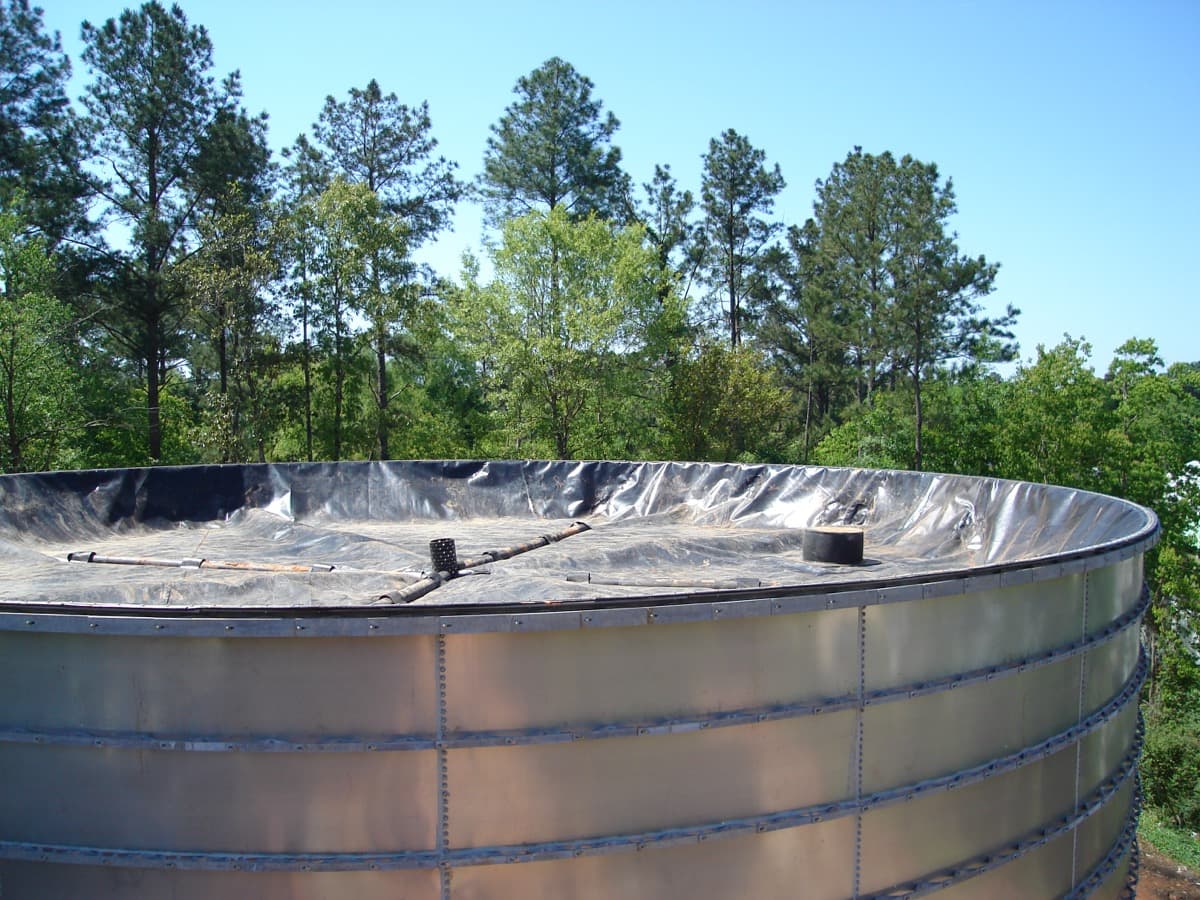
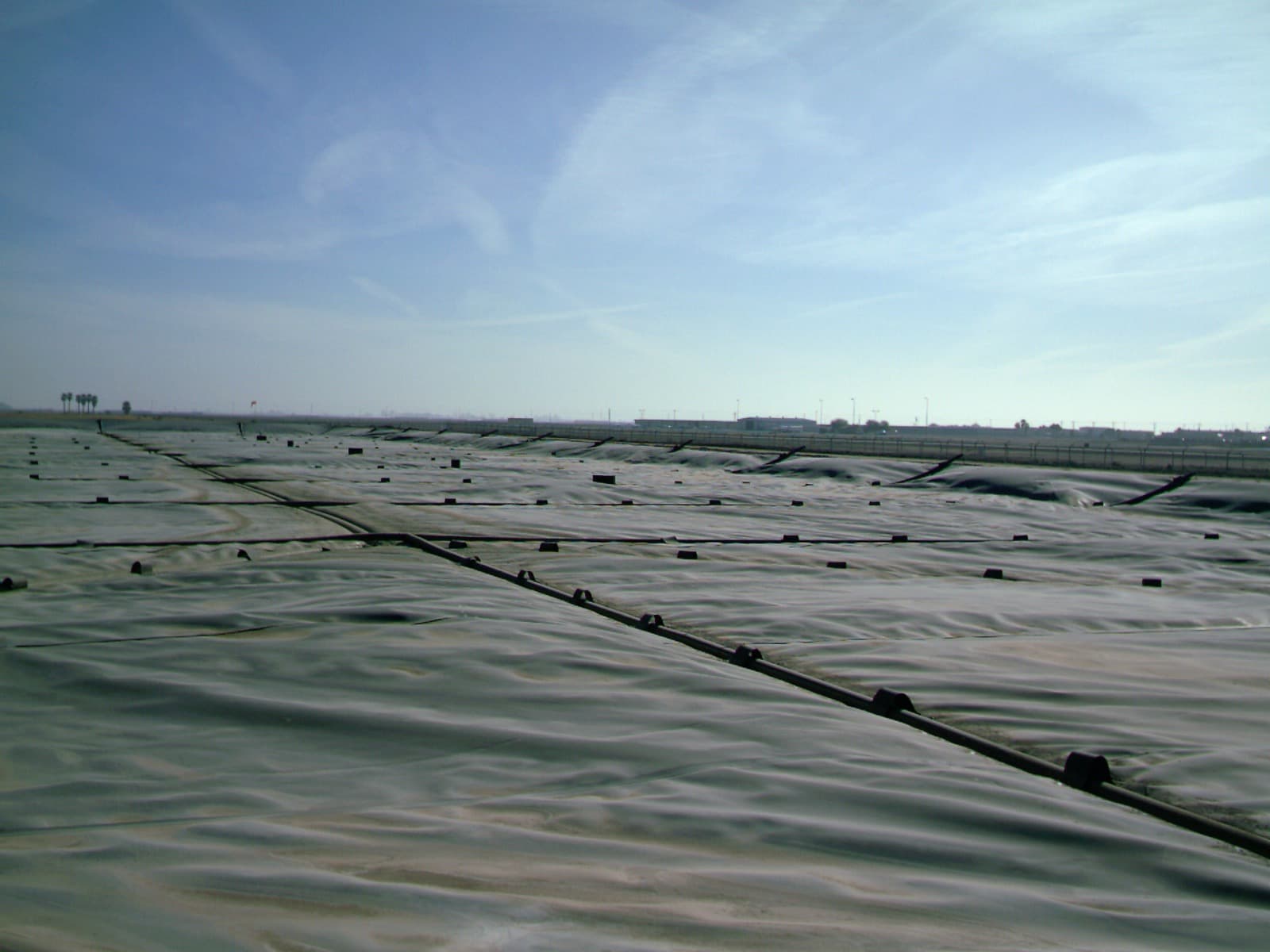
For cover and covered lagoon work, gas and operations add another layer. Designers need to understand whether the goal is odor control, algae prevention, biogas capture, methane destruction, treatment improvement, or simply containment. Each objective changes the details. A permeable cover, an impermeable floating cover, and a gas-tight covered lagoon are not interchangeable scopes.
Daily operations also matter. Some sites can draw down a lagoon and hold it low. Others need a bypass plan or phased construction. Some facilities have narrow outage windows tied to production, seasonality, permit requirements, animal housing cycles, or downstream treatment needs. A realistic schedule starts with those constraints, not with a generic construction duration.
Documentation Prevents Surprises
Good documentation does not eliminate field judgment. It gives the project team a better starting point. Photos, measurements, operating records, wastewater data, prior repair notes, and a clear description of the owner’s objectives help identify missing information before the contractor mobilizes.
That matters because liner and cover systems are built in the field. Shop drawings and fabrication plans are only as useful as the assumptions behind them. If the lagoon is deeper than expected, if the access road cannot support equipment, if a pipe penetration is missing from the drawing, or if an operating constraint prevents drawdown, the project changes.
What This Means for Owners
The best early scope is not the longest scope. It is the clearest one. Owners preparing for a lagoon liner, floating cover, covered lagoon, or related containment project should focus on the site facts that drive design and construction. That gives contractors a better basis for recommendations, reduces guesswork, and helps keep field execution aligned with the facility’s operating needs.
For EFI, that is the practical value of early site review. A lagoon is not an abstract design problem. It is a working asset with liquid levels, slopes, pipes, weather exposure, access limits, and operating responsibilities. Documenting those conditions before design helps the project start with the real site instead of a rough assumption.