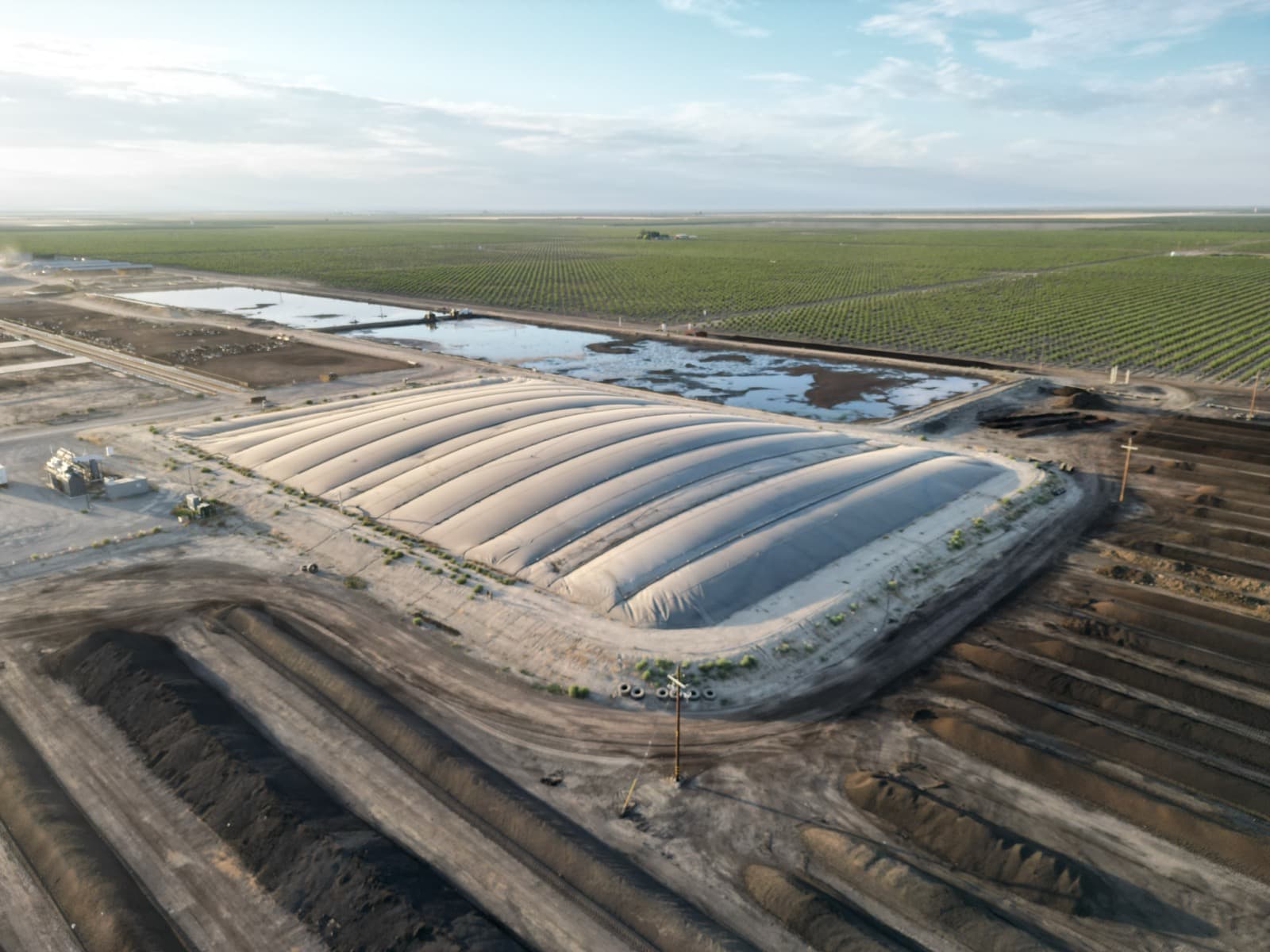
The poultry industry is the largest livestock sector in the United States by volume, producing over 9 billion broilers and 300 million turkeys annually. This scale of production generates enormous quantities of waste -- litter, washwater, mortality, and process wastewater -- that must be managed in compliance with a complex regulatory framework spanning federal, state, and local requirements. Failure to comply carries consequences ranging from permit violations and fines to facility shutdowns.
Poultry environmental compliance differs from dairy and swine operations in important ways. Poultry litter (a mixture of bedding material and manure) is a dry, stackable material rather than a liquid slurry. Wastewater volumes are lower relative to animal count but can be highly concentrated. And the concentration of poultry production in specific regions -- the Delmarva Peninsula, the Shenandoah Valley, northern Georgia, and central Arkansas -- creates cumulative environmental pressures that drive stricter regional requirements.
Federal Requirements: NPDES and CAFO Rules
Under the Clean Water Act, concentrated animal feeding operations (CAFOs) that discharge pollutants to waters of the United States must obtain a National Pollutant Discharge Elimination System (NPDES) permit. For poultry operations, the CAFO threshold depends on the confinement system and liquid manure handling practices.
- Large CAFO thresholds: 125,000 or more broilers with a liquid manure handling system, 82,000 or more laying hens with a liquid manure handling system, or 30,000 or more laying hens with a wet manure handling system (all without a liquid manure handling system).
- Medium CAFO designation: Operations with 37,500-124,999 broilers (liquid system) or 25,000-81,999 layers (liquid system) may be designated as medium CAFOs if they discharge to waters of the US.
- Nutrient Management Plan (NMP): All CAFOs must develop and implement an NMP that addresses land application rates, setbacks from water features, soil testing, and monitoring.
- Zero discharge requirement: The CAFO rule requires no discharge of manure, litter, or process wastewater to waters of the US except in a 25-year, 24-hour storm event. This effectively requires containment of all waste streams.
Wastewater Sources and Management
Poultry operations generate wastewater from several sources, each with distinct characteristics and management requirements.
- House washwater: Generated between flocks during house cleanout. Typically 5,000-15,000 gallons per house per cleanout cycle. High in ammonia, phosphorus, and suspended solids.
- Egg washing and processing: Laying operations with on-site egg washing generate 2,000-10,000 gallons per day of wastewater with moderate BOD and elevated bacteria counts.
- Mortality composting leachate: Composting of mortalities generates leachate that must be collected and managed. Leachate BOD can exceed 10,000 mg/L.
- Stormwater: Runoff from production areas, litter storage, and feed storage areas is considered contaminated stormwater and must be collected in the facility's containment system.
Lagoon Containment Requirements
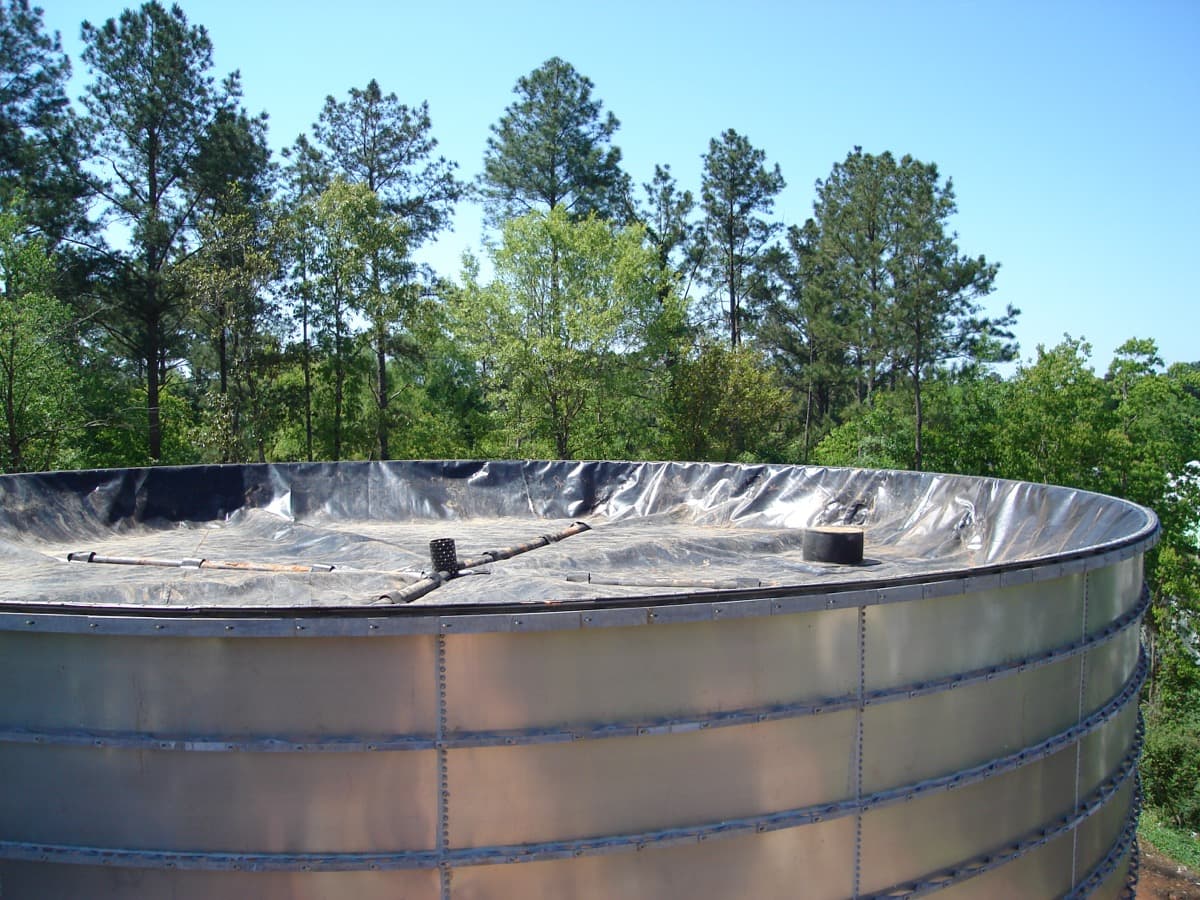
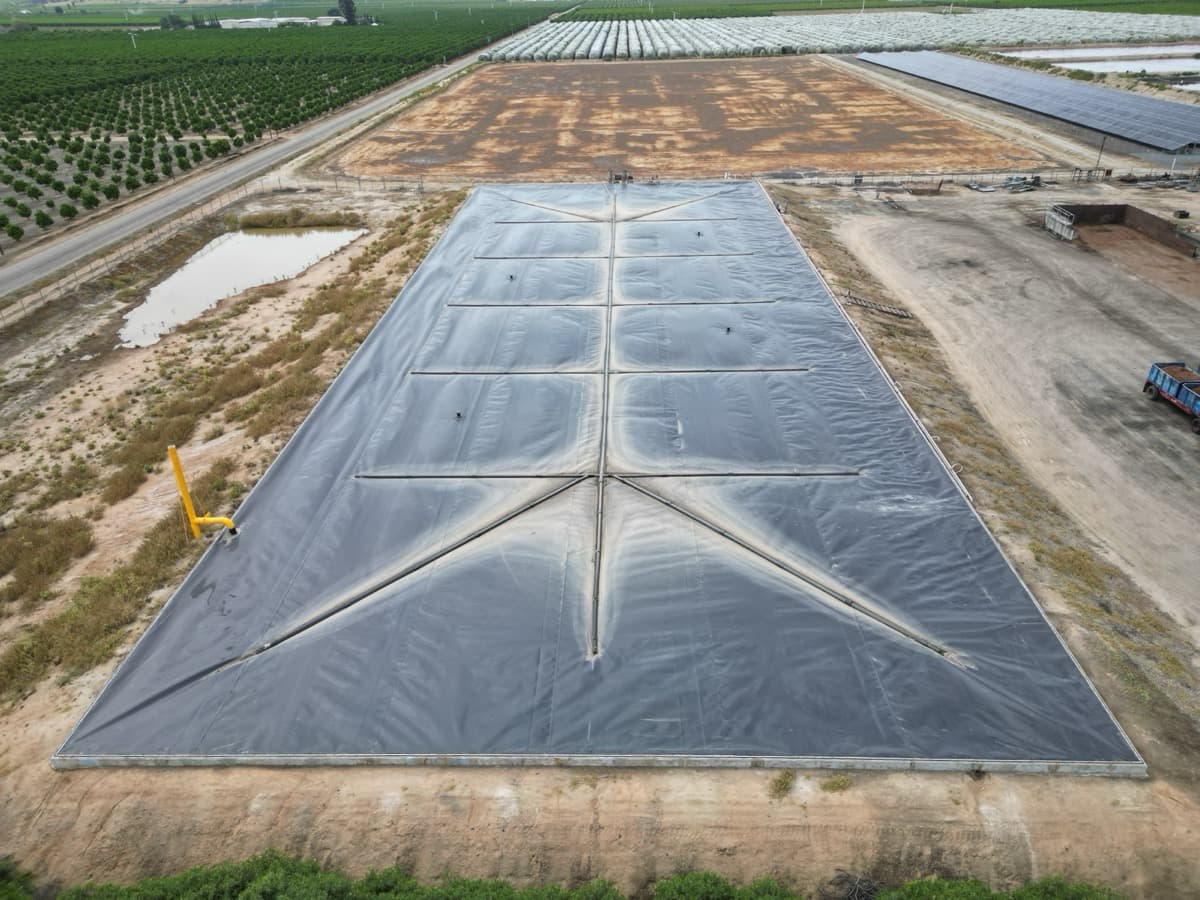
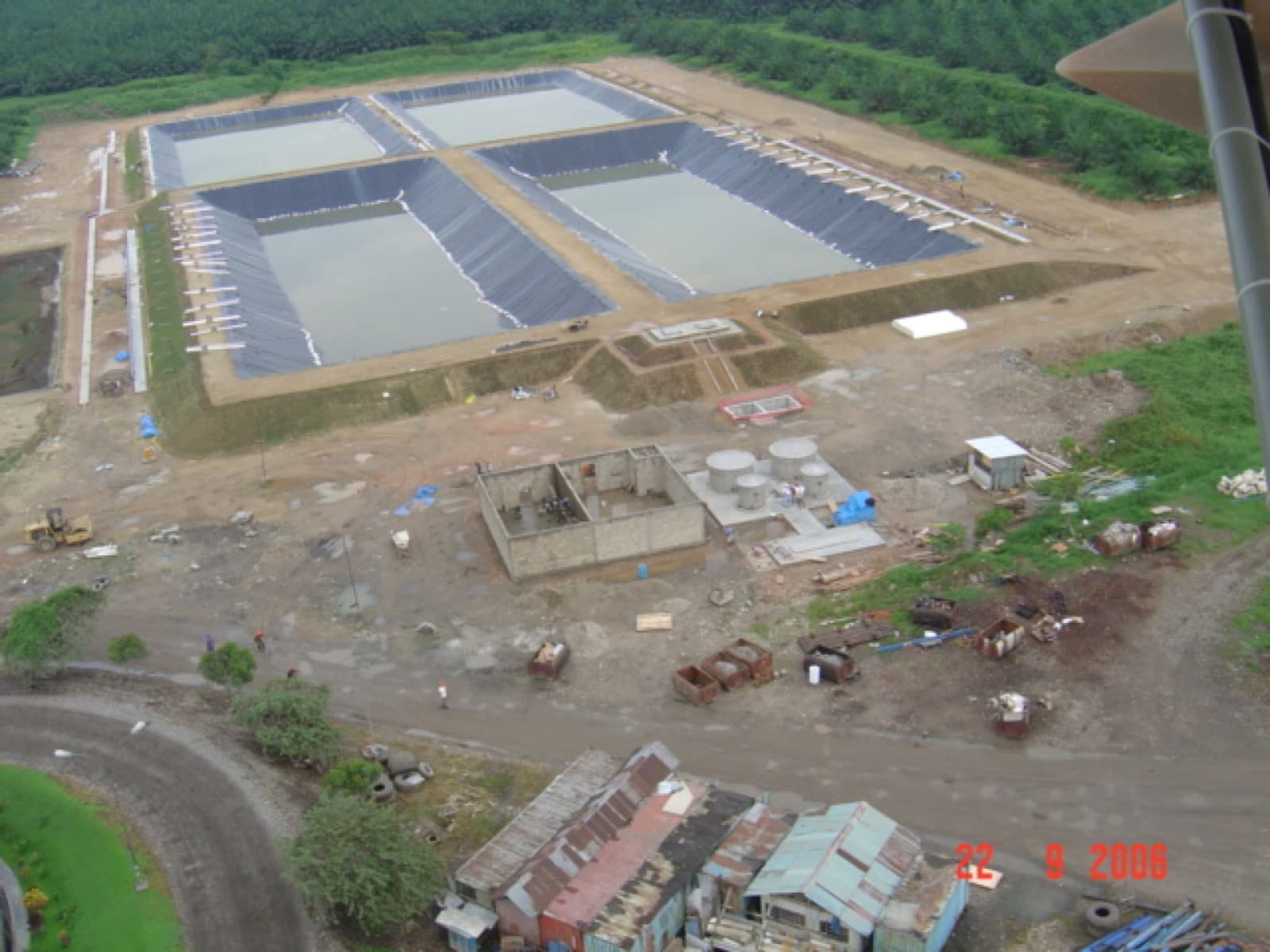
Poultry operations that use lagoons for wastewater storage and treatment must meet containment standards that vary by state but generally require impermeable liners for new construction and, increasingly, for existing facilities. The rationale is straightforward: poultry wastewater contains high concentrations of nitrogen, phosphorus, and pathogens that contaminate groundwater if the lagoon leaks.
- Liner requirements: Most states require a maximum permeability of 1 x 10^-7 cm/sec for new poultry lagoons. Compacted clay liners can meet this standard, but HDPE geomembrane liners (40-60 mil) provide orders of magnitude better containment.
- Freeboard: Minimum 1-2 feet of freeboard above the maximum operating level, plus additional storage for the 25-year storm event.
- Setbacks: State regulations typically require lagoons to be setback 100-500 feet from property lines, 200-1,000 feet from wells, and 100-300 feet from surface water features.
- Monitoring: Groundwater monitoring wells may be required downgradient of lagoons, particularly in areas with vulnerable aquifers.
Litter Management and Storage
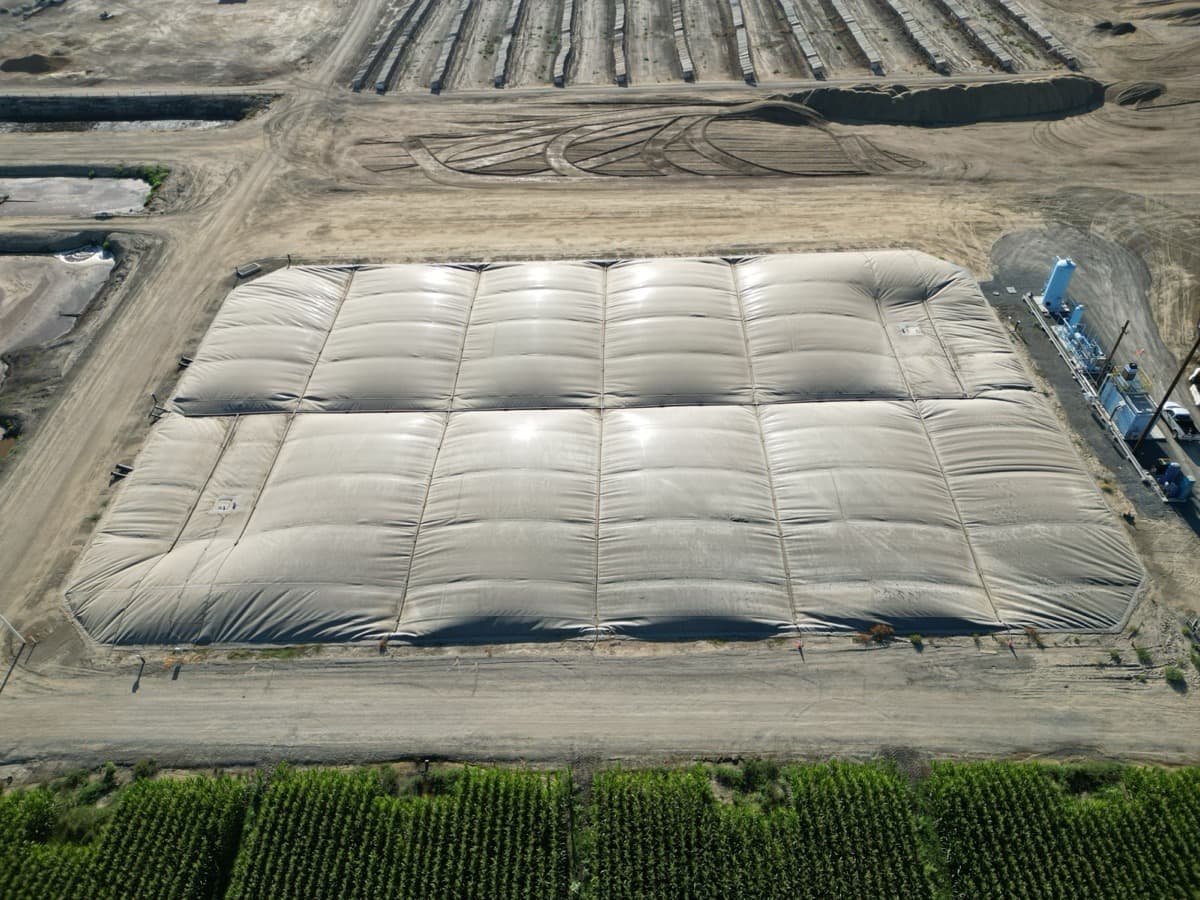
Poultry litter is both a waste management challenge and a valuable fertilizer product. Proper storage and handling are critical for environmental compliance. Litter must be stored on impermeable surfaces with runoff collection to prevent nutrient-laden stormwater from reaching surface or groundwater. Covered storage is increasingly required or incentivized to reduce nutrient leaching from rainfall.
Land application of poultry litter must follow the facility's Nutrient Management Plan, with application rates based on soil test phosphorus levels and crop nutrient requirements. Many high-density poultry production regions have reached phosphorus saturation in agricultural soils, which limits local land application options and creates demand for litter transport or alternative uses.
State-Specific Requirements
Several states with major poultry production have enacted requirements that exceed federal standards. Maryland's Phosphorus Management Tool requires phosphorus-based application rates rather than nitrogen-based rates, significantly reducing the amount of litter that can be applied per acre. Arkansas requires nutrient management plans and setbacks that exceed federal minimums. Georgia requires lagoon permits with specific design and monitoring requirements. Virginia's Poultry Waste Management Act established comprehensive management requirements for poultry litter.
EFI USA provides geosynthetic liner installation for poultry lagoons, washwater containment ponds, and litter storage facilities. Our systems meet all federal and state containment requirements and are designed for the specific chemical and loading conditions of poultry wastewater. Contact us for a compliance assessment.