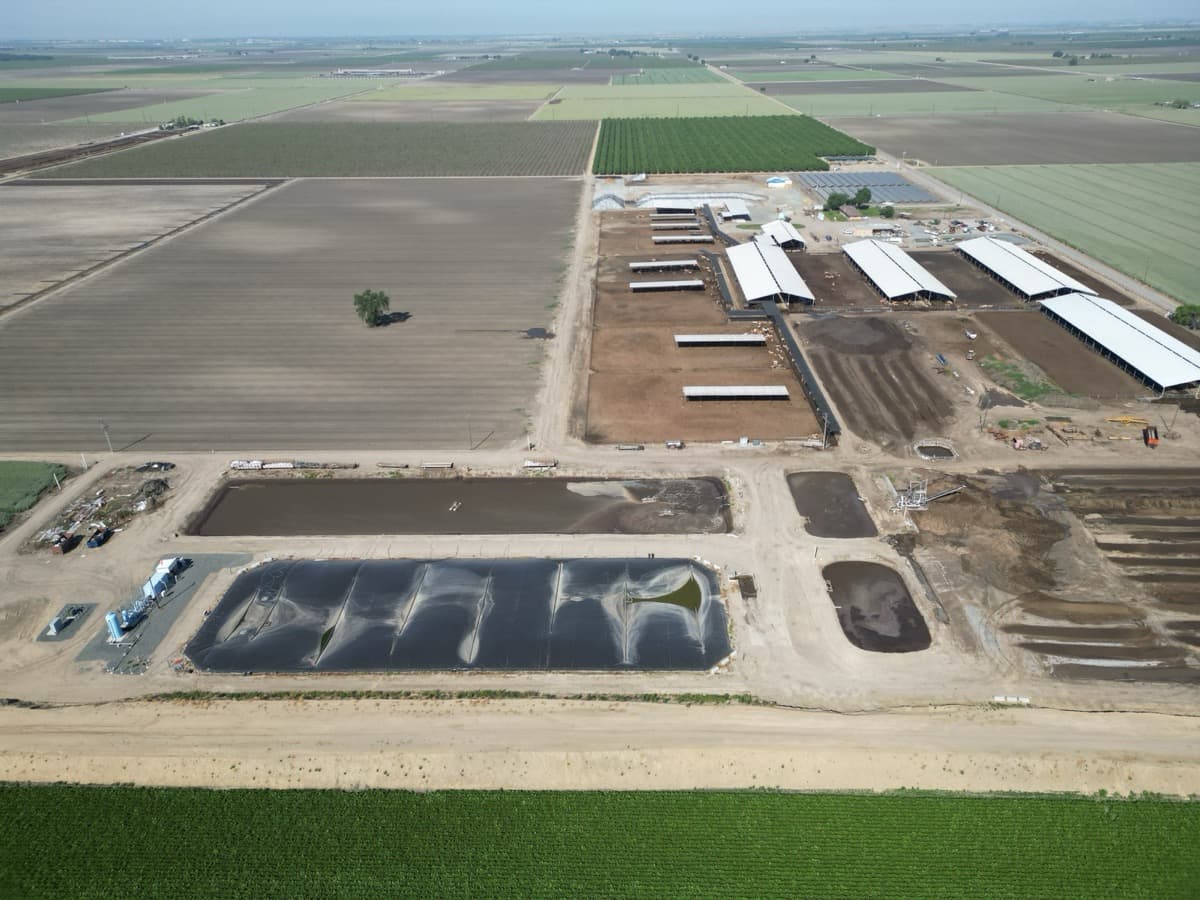
Poultry processing facilities generate wastewater with BOD (biochemical oxygen demand) levels of 1,500 to 5,000+ mg/L -- among the highest of any food processing sector. This high organic loading creates intense odor issues, attracts regulatory scrutiny, and presents both a treatment challenge and a biogas opportunity. Covered lagoon systems address all three.
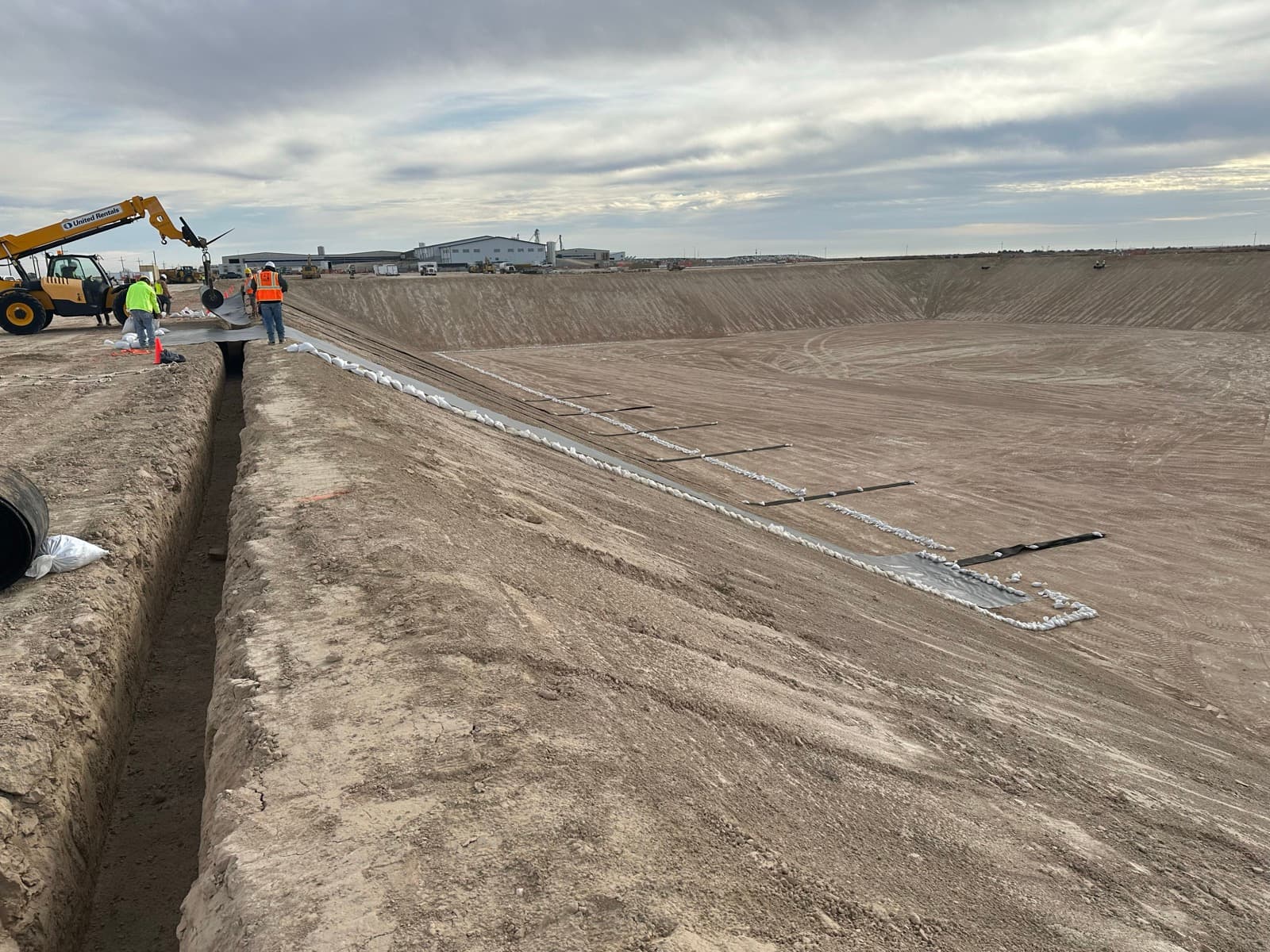
EFI USA has installed lagoon cover and liner systems at poultry processing facilities across the Southeast and Mid-Atlantic, where the majority of US poultry production is concentrated. Our systems handle the unique challenges of poultry wastewater including high grease and fat content, feather and solid debris, and extreme organic loading.
Why Poultry Wastewater Is Uniquely Challenging
Poultry processing wastewater differs from other agricultural waste streams in several important ways that affect lagoon design and cover system selection.
- High BOD and COD: Typical BOD of 1,500-5,000 mg/L with COD ratios of 1.5-2.0x BOD. This organic load drives aggressive anaerobic decomposition and prolific biogas production.
- Grease and oil: Poultry wastewater contains 200-800 mg/L of fats, oils, and grease (FOG) that can accumulate on cover surfaces and clog gas collection systems if not managed.
- Nitrogen and phosphorus: High protein content in poultry waste translates to elevated nitrogen (150-400 mg/L TKN) and phosphorus levels, creating nutrient management challenges in treated effluent.
- Temperature: Processing plant wastewater is typically discharged at 80-110°F, which accelerates anaerobic digestion in the receiving lagoon and increases biogas production rates.
- Solids and debris: Feathers, bone fragments, and other solids require pre-screening before the lagoon to prevent accumulation and cover damage.
Lagoon Cover Systems for Poultry Operations
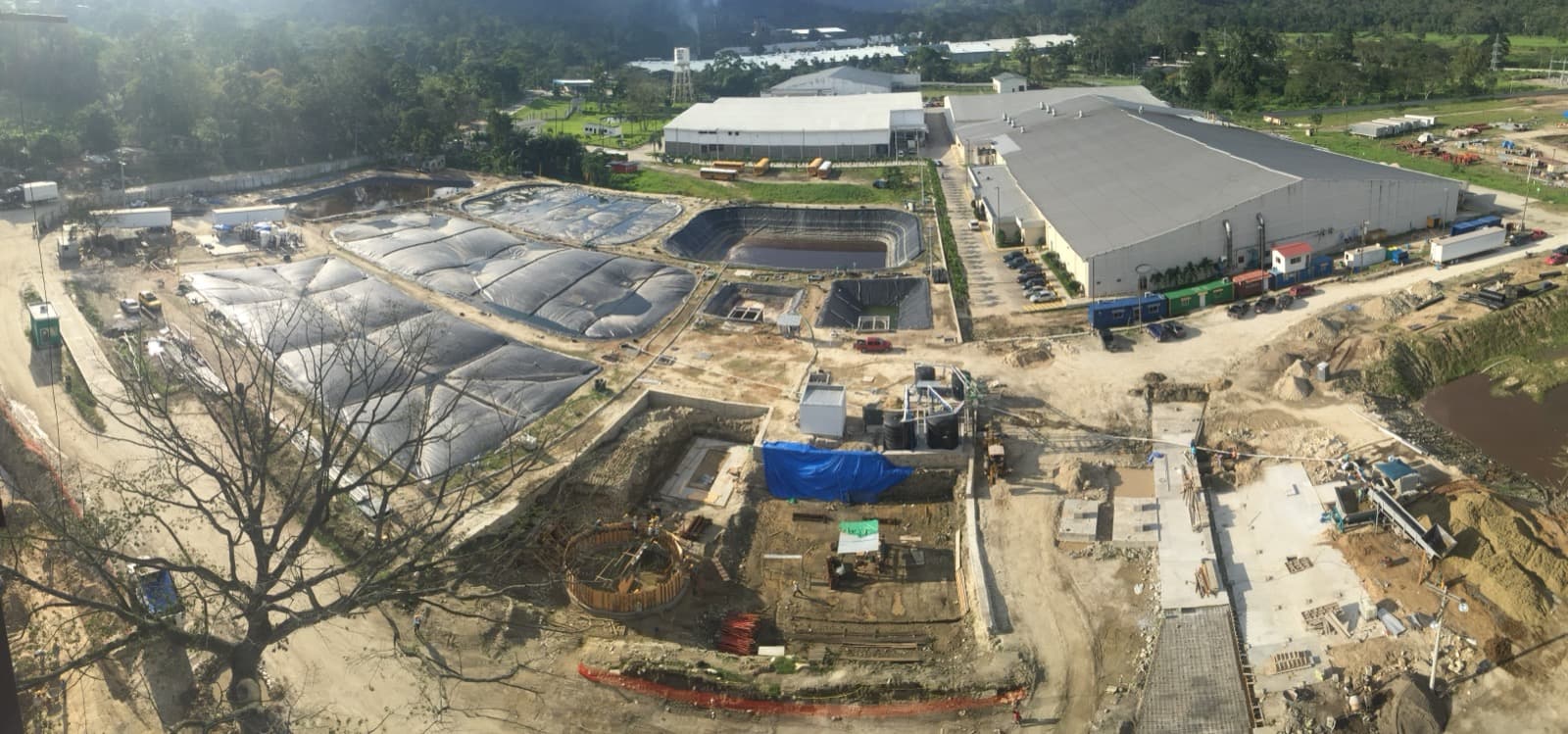
Covered lagoon systems for poultry wastewater serve three simultaneous functions: containment of odorous emissions, treatment through anaerobic digestion, and biogas capture for destruction or energy recovery. The cover material and design must account for the aggressive chemistry of poultry wastewater.
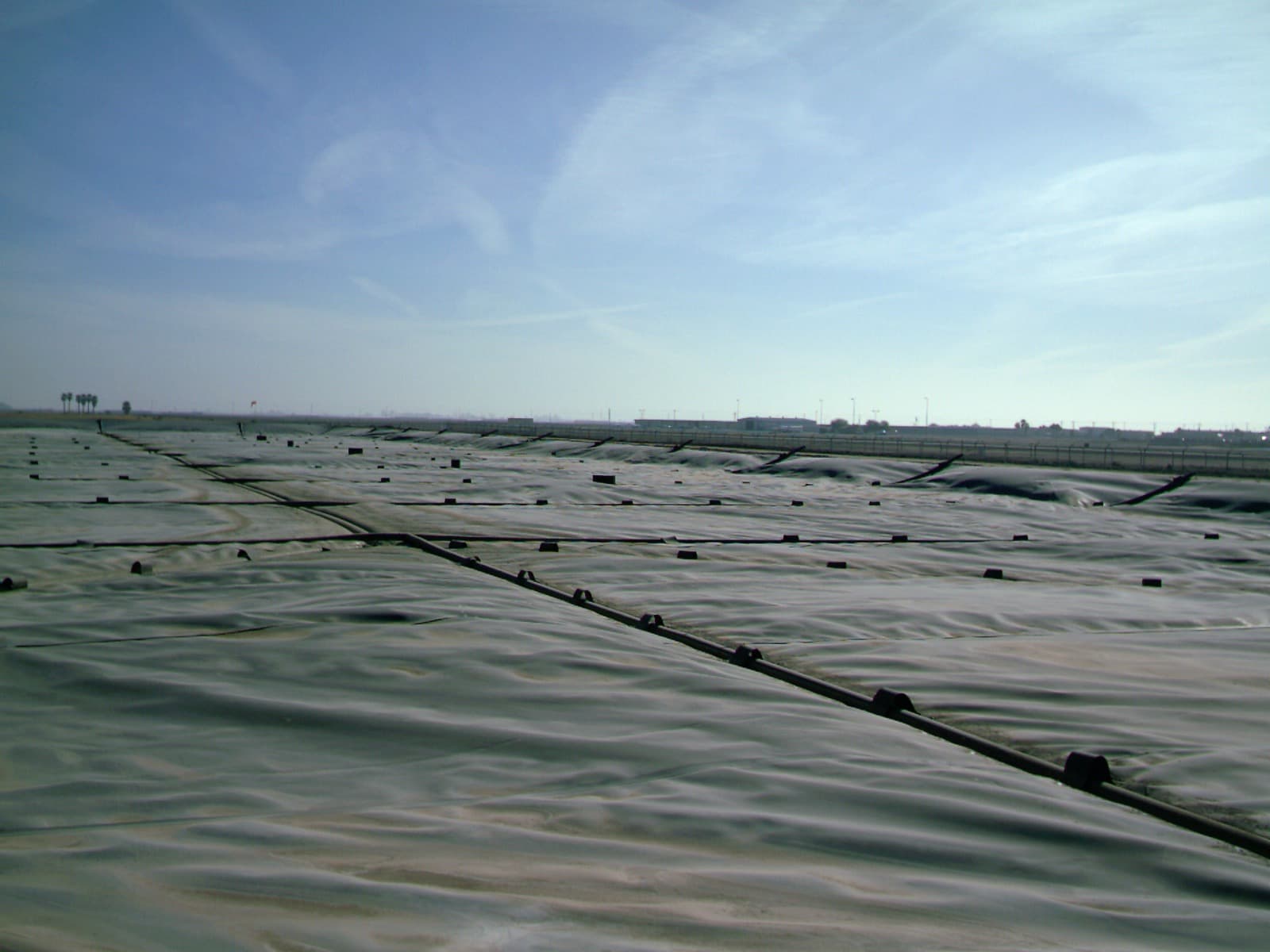
EFI typically specifies 40-60 mil HDPE or LLDPE floating covers for poultry applications. The cover floats directly on the lagoon surface, trapping biogas beneath it. Gas collection piping routes the biogas to a central collection point. For poultry facilities, we include enhanced condensate management and FOG-resistant materials in the gas collection system to prevent clogging from grease carryover.
Odor Control Benefits
Odor is often the primary driver for covering a poultry wastewater lagoon. Uncovered poultry lagoons generate hydrogen sulfide, ammonia, and volatile organic compounds that create nuisance complaints from neighbors and can trigger regulatory enforcement. A properly installed geomembrane cover eliminates 95-99% of odorous emissions from the lagoon surface.
For poultry operations near residential areas -- an increasingly common situation as suburban development encroaches on agricultural zones -- odor control can be the difference between continued operation and a forced shutdown. The cover pays for itself in avoided regulatory costs and preserved community relations.
Treatment Performance
A properly designed covered anaerobic lagoon achieves BOD removal of 70-90% from poultry processing wastewater. This level of treatment significantly reduces the load on downstream aerobic treatment systems, reducing aeration energy costs and biological treatment capacity requirements. Many facilities find that adding a cover to an existing anaerobic lagoon allows them to defer or eliminate planned expansions to their aerobic treatment systems.
Biogas and Revenue Opportunities
The high organic loading in poultry wastewater translates to substantial biogas production. A mid-size poultry processing facility treating 500,000 to 1,000,000 gallons per day of wastewater can produce enough biogas to generate 200-500 kW of electricity or equivalent thermal energy. Under EFI's cap-and-flare model, this biogas is destroyed in an enclosed flare to generate carbon credits, providing a revenue stream at zero upfront cost to the poultry processor.
“Poultry processors deal with enough margin pressure without adding capital-intensive environmental projects. Our model turns their wastewater lagoon from a liability into an asset -- we cover it, we destroy the methane, and we share the carbon credit revenue.”
-- EFI USA Technical Team
Contact EFI for a site assessment and biogas production estimate for your poultry processing facility. We handle everything from liner and cover installation to flare commissioning and carbon credit verification.