The US swine industry produces approximately 120 million hogs per year, concentrated primarily in Iowa, Minnesota, North Carolina, Indiana, and Illinois. Each finishing hog produces approximately 14 pounds of manure per day, which means the industry generates over 600 billion pounds of manure annually. Managing this volume of organic waste in an environmentally responsible manner is one of the most significant challenges facing the industry.
The traditional swine waste management model -- flush manure to anaerobic lagoons, land-apply the effluent as fertilizer -- has come under increasing pressure from regulators, neighbors, and the public. High-profile lagoon failures, odor complaints from expanding residential development near farms, nutrient-loaded runoff events, and growing awareness of methane's contribution to climate change have all driven demand for improved environmental technologies.
The Lagoon System: Foundation and Challenge
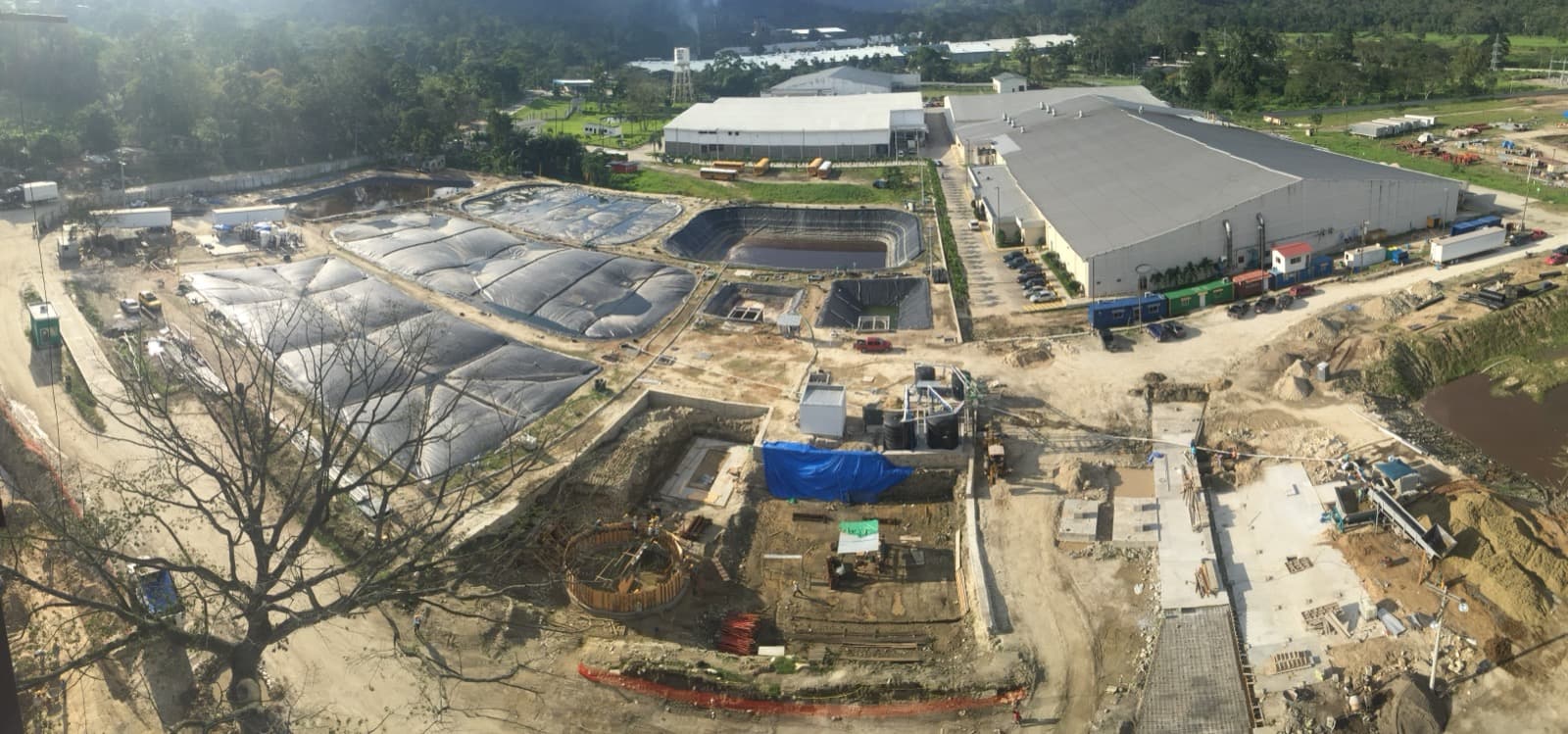
Anaerobic lagoons remain the predominant waste treatment system for swine operations in the southeastern United States, particularly in North Carolina where the industry is concentrated. A typical swine lagoon receives flush water from the barns, provides anaerobic treatment to reduce organic matter and pathogens, and stores treated effluent for periodic land application.
The environmental challenges of open lagoon systems are well documented: methane and ammonia emissions contribute to greenhouse gas loading, hydrogen sulfide and volatile organic compounds create odor nuisance, nitrogen and phosphorus in land-applied effluent can overload soils and contaminate groundwater, and lagoon seepage through damaged or inadequate liners can contaminate aquifers directly.
Covered Lagoon Systems
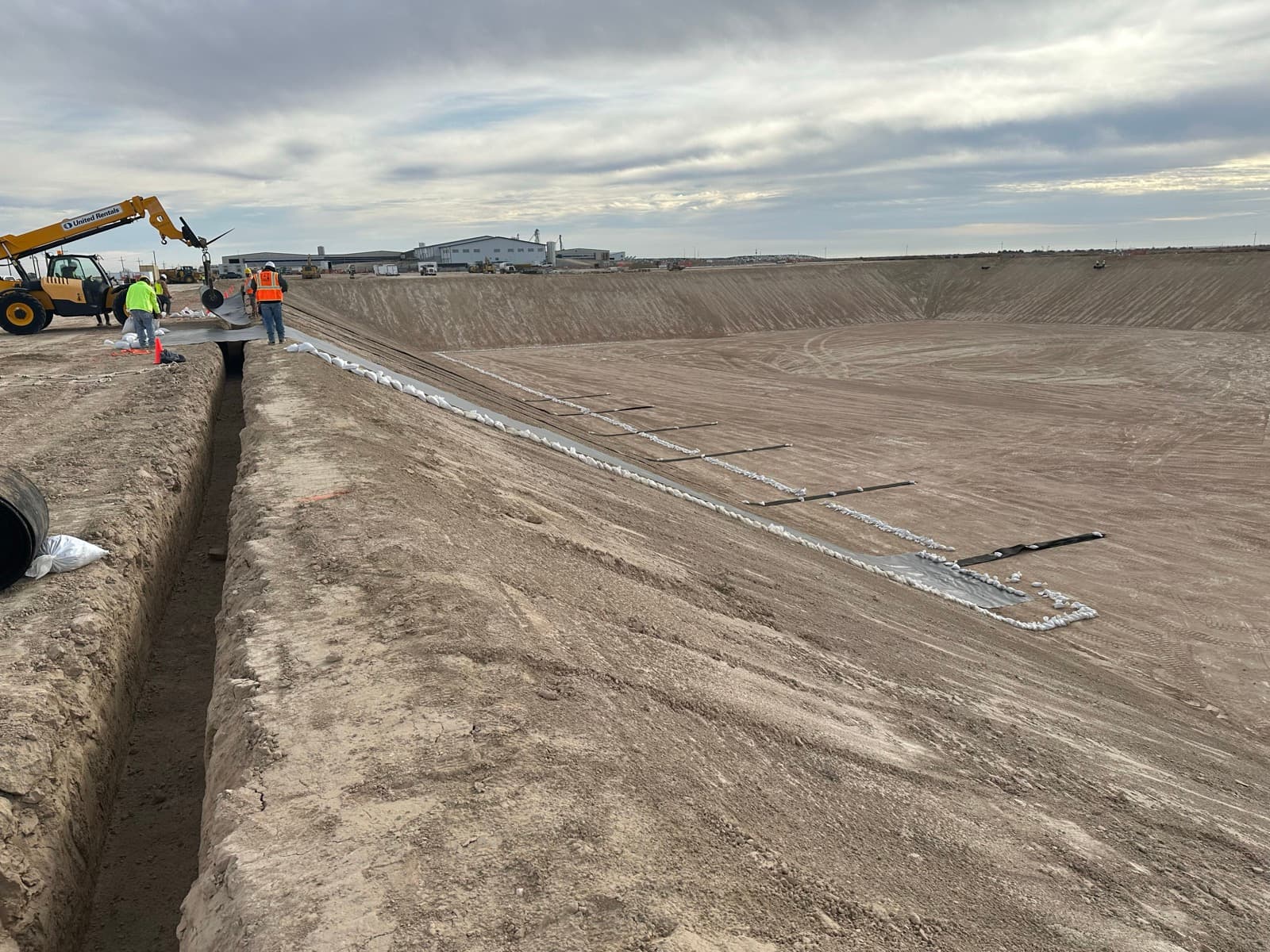
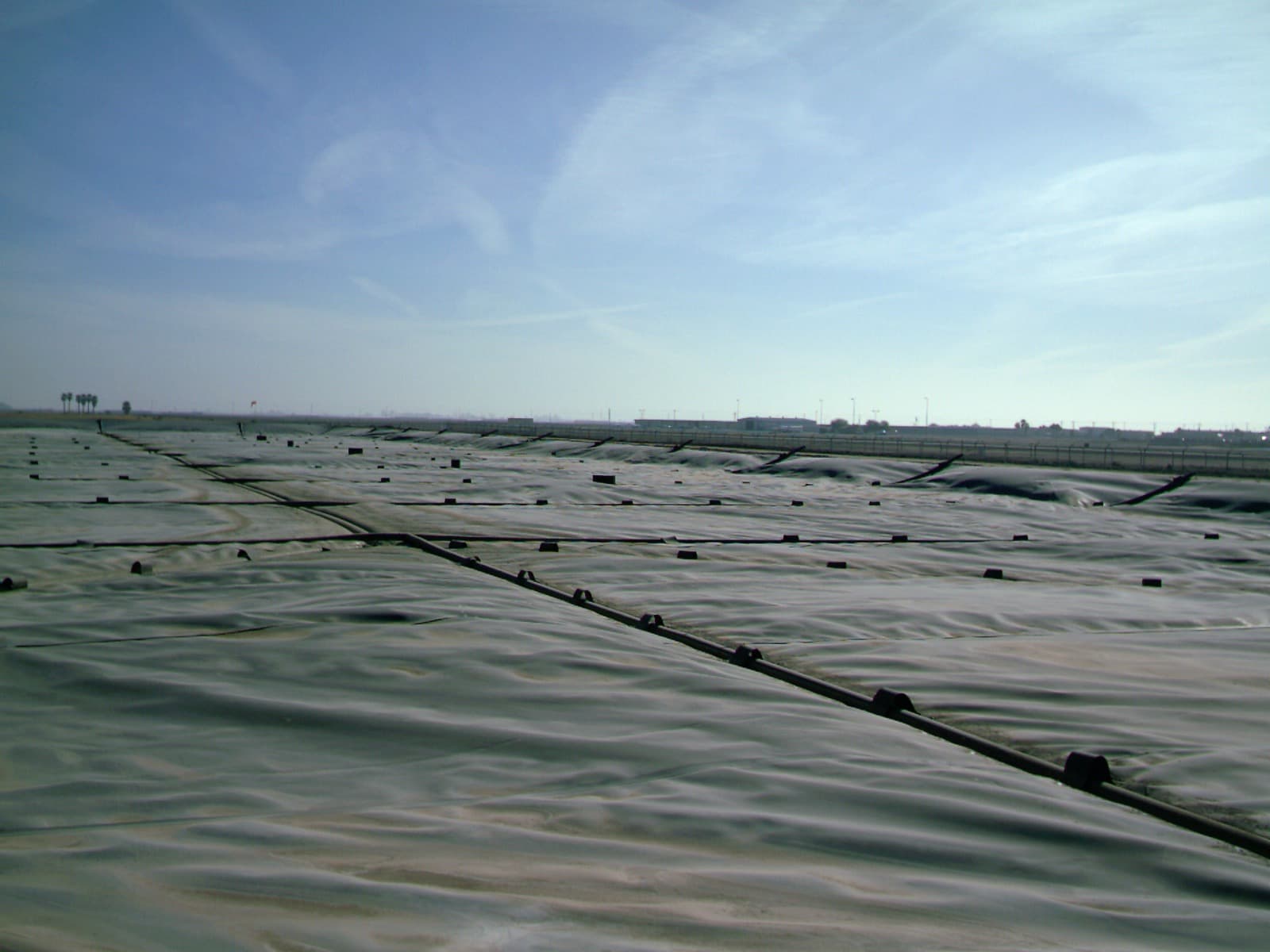
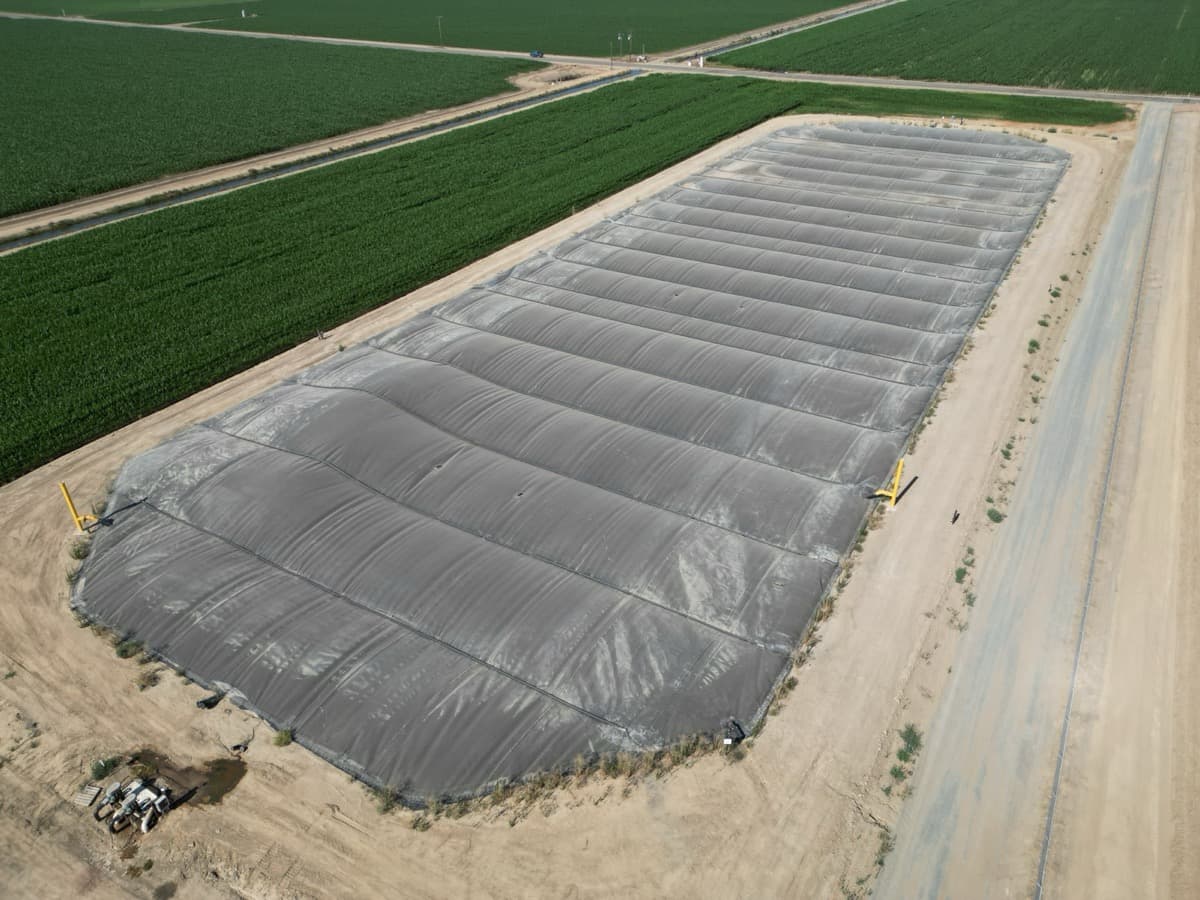
Covering existing swine lagoons with geosynthetic membranes is the most impactful single technology improvement available to swine operations. A properly installed cover captures biogas (methane and CO2), eliminates surface odor emissions, reduces ammonia volatilization by 70-80%, and enables either flaring or energy recovery from the captured biogas.
- Methane capture: A 5,000-head finishing operation with a covered lagoon can capture 50,000-80,000 cubic feet of biogas per day, preventing 500-800 metric tons of CO2-equivalent emissions per year.
- Odor elimination: Covers reduce lagoon surface odor emissions by 99%+, often resolving long-standing neighbor complaints and regulatory issues.
- Capital cost: $300,000-$800,000 for a typical 2-4 acre swine lagoon cover with gas collection and flare.
- Payback: Carbon credit revenue from methane destruction can provide 2-5 year payback depending on operation size and credit market conditions.
Advanced Treatment Technologies
Beyond covered lagoons, several advanced treatment technologies are gaining adoption in the swine industry for operations that need to achieve higher environmental performance levels.
- Solid-liquid separation: Mechanical separators (screw press, centrifuge, or vibrating screen) remove 20-40% of the organic solids from flush water before it enters the lagoon. Separated solids can be composted, dried, or processed into value-added products. Separation reduces lagoon loading and extends lagoon life.
- Nutrient recovery: Technologies like struvite crystallization and ammonia stripping recover nitrogen and phosphorus from wastewater as concentrated fertilizer products. This reduces nutrient loading on land application fields and creates a transportable product that can be shipped to nutrient-deficient regions.
- Nitrification-denitrification: Biological nitrogen removal systems convert ammonia to nitrogen gas through sequential aerobic and anaerobic treatment. This technology can reduce total nitrogen in the effluent by 80-95%.
- Constructed wetlands: Engineered wetland systems provide final polishing of lagoon effluent, removing residual nutrients, pathogens, and suspended solids through natural biological processes.
North Carolina Regulatory Context
North Carolina's swine industry operates under some of the most stringent state regulations in the country, driven by the legacy of Hurricane Floyd in 1999, when dozens of lagoons were breached by flooding, releasing millions of gallons of waste into rivers and estuaries. The resulting public outcry led to a moratorium on new lagoon construction and the establishment of performance standards for environmentally superior technology (EST).
The EST performance standards require that replacement technologies substantially eliminate discharge to surface waters and groundwater, substantially eliminate atmospheric emissions of ammonia, substantially eliminate odor detectable beyond the facility boundary, substantially eliminate disease-transmitting vectors, and substantially eliminate nutrient impacts on downstream water quality. Any new or expanding swine facility in North Carolina must install technology that meets these standards.
Economics of Environmental Upgrades
The economics of swine environmental technology have improved substantially in recent years. Carbon credit revenue from methane destruction provides a revenue stream that did not exist a decade ago. Federal and state incentive programs (USDA EQIP, REAP, state cost-share programs) can fund 50-75% of eligible technology costs. And the avoided costs of regulatory compliance, neighbor disputes, and potential environmental liability increasingly justify proactive investment in environmental upgrades.
EFI USA's cap-and-flare model is particularly well-suited to swine operations because it requires zero capital investment from the operator, achieves immediate compliance with methane and odor requirements, and generates shared carbon credit revenue that benefits both parties. The operator gets environmental performance improvement at no cost; EFI gets a long-term carbon credit revenue stream.
EFI USA has installed covered lagoon systems on swine operations across the southeastern United States. Our systems are designed for the specific waste characteristics and regulatory requirements of the swine industry. Contact us to discuss environmental technology options for your operation.