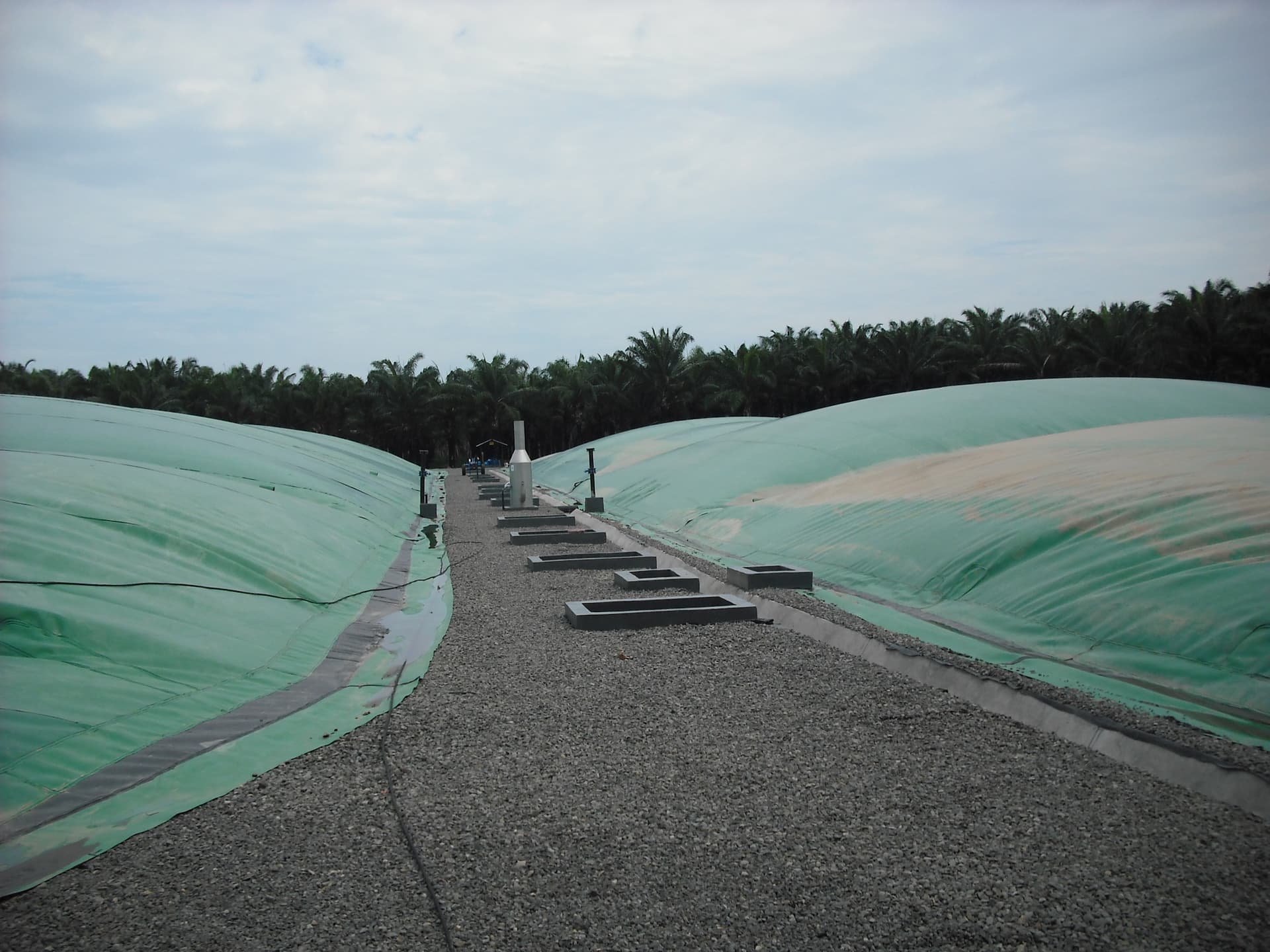
Most companies in the US biogas space started with domestic dairy or swine operations. EFI took a different path. In the early 2000s, while the American voluntary carbon market was still finding its footing, EFI was installing covered lagoon digesters at scale across Mexico under the United Nations Clean Development Mechanism -- the CDM framework established by the Kyoto Protocol. That international foundation, built over more than a decade and encompassing 300+ systems, is why EFI operates differently than every other company in this industry.
The Kyoto Protocol and the CDM Framework
The Clean Development Mechanism was one of three market-based mechanisms created by the Kyoto Protocol in 1997. It allowed industrialized countries with emission reduction commitments to invest in emission-reduction projects in developing countries. For methane destruction, the CDM provided a clear economic pathway: install covered lagoon digesters on livestock operations or food processing facilities in eligible countries, capture and destroy methane that would otherwise be vented to the atmosphere, and generate Certified Emission Reductions (CERs) that could be sold to compliance buyers in Europe and Japan.
Mexico was an ideal CDM host country. It had a large agricultural sector with significant methane emissions from open lagoon waste management, a stable regulatory environment for international investment, and proximity to EFI's US operations in South Carolina. The combination of genuine environmental need and a well-structured carbon crediting mechanism made Mexico the launching pad for EFI's large-scale deployment model.
Building 300+ Systems: Scale That No One Else Attempted
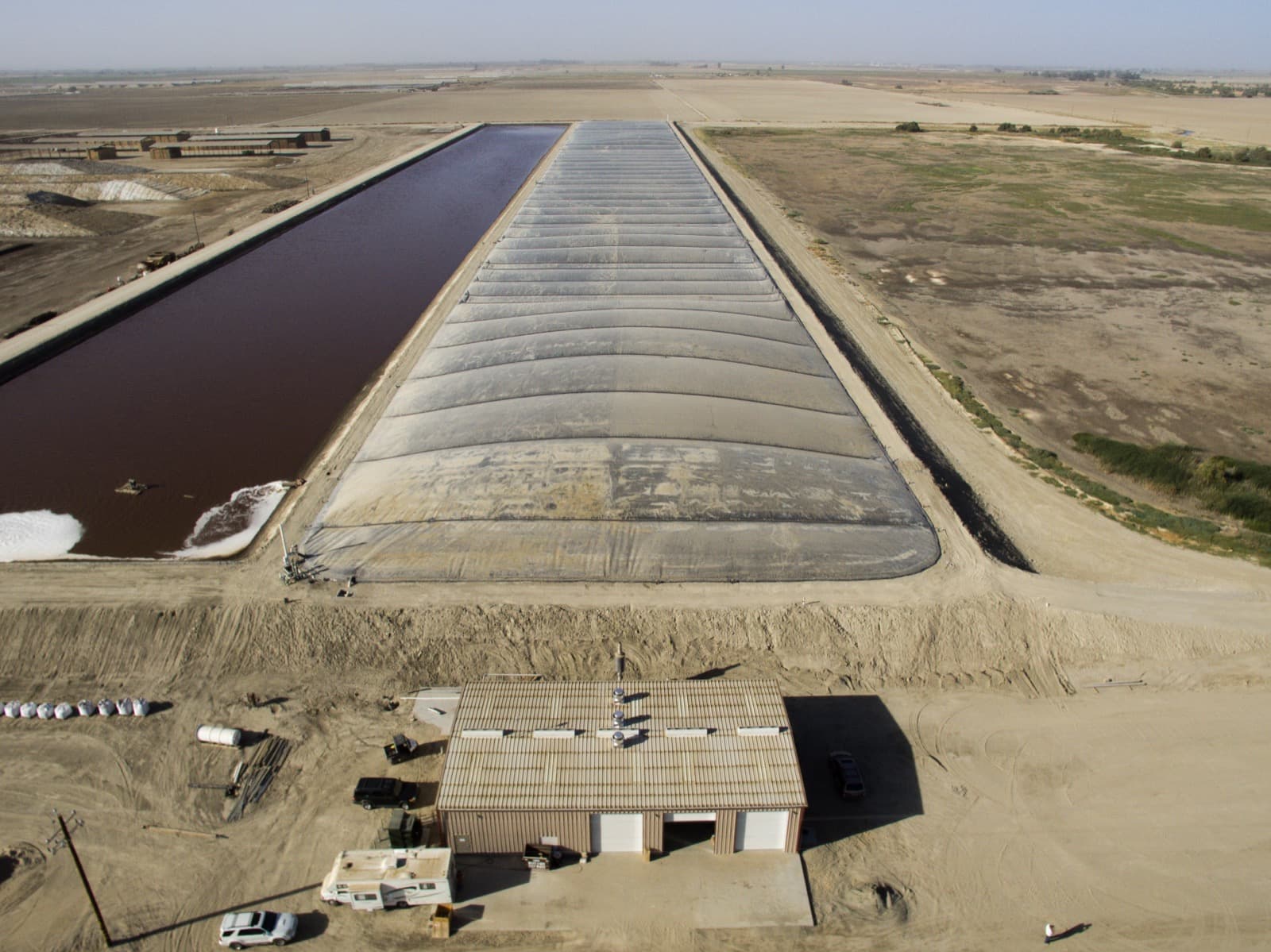
Between the early 2000s and mid-2010s, EFI designed, engineered, and installed more than 300 covered lagoon digester systems across Mexico. These were not pilot projects or demonstration units. They were full-scale commercial installations covering swine operations, palm oil processing facilities, and food processing wastewater lagoons. Each system included engineered geosynthetic covers, gas collection infrastructure, enclosed flare systems, and the monitoring instrumentation required for CDM verification.
The operational scope was enormous. EFI managed logistics across multiple Mexican states, coordinated with local construction crews, sourced materials through international supply chains, and navigated a regulatory environment that required both Mexican environmental permits and UN-level CDM project registration. The company developed deployment playbooks that could move from site assessment to commissioning in compressed timelines, because every month a system sat unfinished was a month of methane emissions that generated no credits.
The Olmeca Case Study: Palm Oil and Swine at Scale
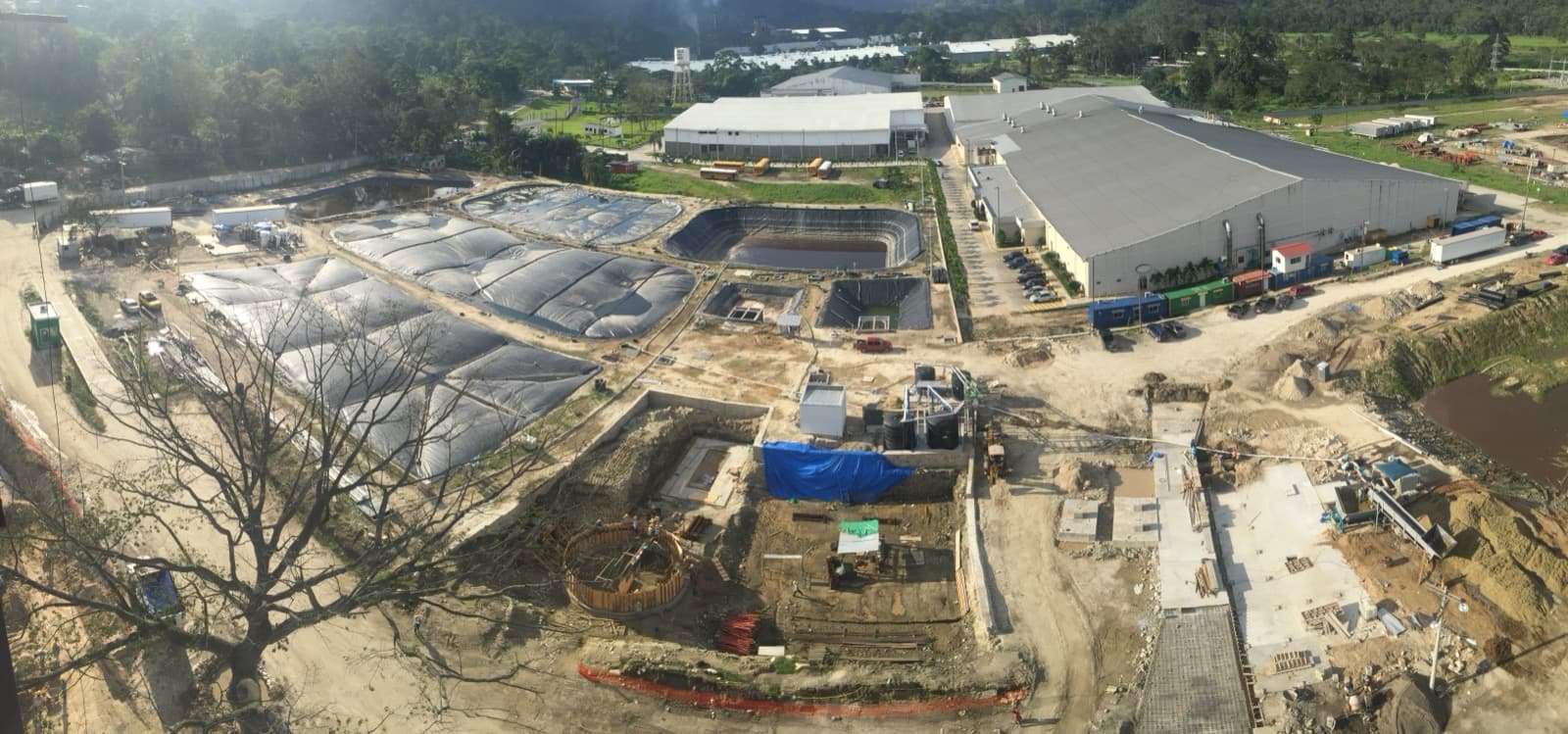
The Olmeca project stands as one of EFI's landmark international installations. Located in southern Mexico, the Olmeca complex included both palm oil processing and swine operations -- each generating substantial organic wastewater with high methane potential. EFI designed and installed covered lagoon systems sized for the waste streams from both operation types, capturing biogas that was destroyed through enclosed flares.
The Olmeca project demonstrated several principles that would become central to EFI's operating philosophy. First, waste stream diversity -- the ability to design systems for fundamentally different substrates (palm oil mill effluent vs. swine manure) using the same core covered lagoon technology. Second, carbon credit generation at meaningful scale -- the project generated CERs that were verified, issued, and sold through international carbon markets. Third, long-term operational commitment -- EFI did not build and walk away. The systems required ongoing monitoring, maintenance, and verification to continue generating credits.
La Joya and the Breadth of the Mexico Program
Beyond Olmeca, the La Joya project exemplified the range of EFI's Mexico operations. La Joya was a large-scale swine operation where open lagoon waste management was the industry standard. EFI installed a complete covered lagoon digester system that captured methane emissions, destroyed them through an enclosed flare, and generated verified carbon credits under the CDM. The project faced typical challenges of remote installations: limited local infrastructure, extreme heat, and the logistical complexity of transporting specialized geosynthetic materials to rural locations.
The Mexico program was not limited to a handful of showcase projects. The 300+ system count reflects EFI's systematic approach to deployment -- identifying eligible operations, conducting feasibility assessments, standardizing system designs where possible, and executing installations at a pace that no other company in the covered lagoon space has matched before or since.
Lessons in Monitoring, Verification, and Credit Issuance
The CDM verification process was rigorous. Unlike some voluntary carbon market standards, CDM required third-party validation of project design documents, independent verification of emission reductions, and annual monitoring reports submitted to the CDM Executive Board. EFI built internal systems to manage this documentation across hundreds of projects simultaneously -- tracking gas flow data, flare operating hours, destruction efficiency measurements, and baseline emission calculations for each individual installation.
This verification discipline became a competitive advantage. When EFI shifted its focus back to the US market and began working under protocols like the American Carbon Registry and Verra's Verified Carbon Standard, the company already had more than a decade of experience managing carbon credit documentation at scale. The monitoring, reporting, and verification (MRV) infrastructure that other companies were building from scratch was already embedded in EFI's operations.
From CDM to CARB: The Evolution of Agricultural Methane Monetization
As the CDM market evolved and CER prices declined through the early 2010s, EFI was already pivoting. The company recognized that the US market for agricultural methane destruction was about to enter its own growth phase, driven by California's cap-and-trade program and the CARB Livestock Protocol, state-level incentive programs like NYSERDA and North Carolina renewable energy tax credits, and the voluntary carbon market's increasing appetite for high-quality methane destruction credits.
The transition was not starting over. It was applying 300+ projects' worth of engineering experience, carbon credit management infrastructure, and operational know-how to a domestic market that was just waking up to the opportunity. EFI's zero-cost model -- funding 100% of project capital and monetizing carbon credits with a 50/50 revenue share after 2x MOIC -- was refined through years of international operations where the company bore all capital risk and recovered investment through credit sales.
Today, EFI has installed over 500 covered lagoon digester systems across its full history, with the Mexico program representing the largest single-country deployment. The 82% US market share the company holds did not come from marketing or sales tactics. It came from 300+ international systems that proved the technology, the business model, and the operational capability at a scale no competitor has attempted.
“We learned more from building 300 systems in Mexico than most companies learn in their entire history. The CDM taught us how to deploy at scale, how to manage carbon credits across hundreds of sites, and how to build systems that last in the toughest conditions. Everything we do in the US today is built on that foundation.”
-- Marc Fetten, CEO, EFI USA