For decades, federal methane regulations focused exclusively on the oil and gas sector. The original NSPS OOOO (2012) and its update OOOOa (2016) established leak detection and repair requirements, equipment standards, and reporting obligations for oil and gas production, processing, and transmission facilities. Agricultural methane sources were explicitly excluded from these rules despite being one of the largest anthropogenic methane sources in the United States.
That changed with NSPS OOOOb, finalized in late 2024 as part of EPA's comprehensive methane reduction strategy under the Methane Emissions Reduction Program established by the Inflation Reduction Act. While the rule's primary focus remains oil and gas operations, it includes new provisions that bring large agricultural methane sources under federal regulation for the first time. This guide explains what farm operators need to know.
Which Agricultural Operations Are Affected?
The agricultural provisions of NSPS OOOOb apply to operations that meet specific methane emission thresholds. Not all farms are affected -- the rule targets the largest emitters where methane reduction can have the greatest climate impact.
- Emission threshold: Operations with estimated methane emissions above 25,000 metric tons CO2-equivalent per year from manure management. This roughly corresponds to dairies with 3,000+ cows or swine operations with 10,000+ head using anaerobic lagoon systems.
- New and modified sources: The rule applies to new or modified manure management systems constructed or substantially modified after the rule's effective date. Existing operations below the threshold are not subject to the rule unless they expand.
- Designated facilities: States are required to develop emission guidelines for existing sources under the companion Emission Guidelines rule. These guidelines will extend requirements to existing operations above the threshold over a longer compliance timeline.
- Exclusions: Dry manure handling systems (including poultry litter), pasture-based operations, and operations below the emission threshold are not covered.
Monitoring Requirements
The most immediate compliance obligation under NSPS OOOOb is methane emissions monitoring. Affected operations must implement either direct measurement or approved estimation methods to quantify their methane emissions on a quarterly basis.
- Direct measurement: Continuous or periodic flux chamber measurements, aerial surveys, or other EPA-approved direct measurement methods. Direct measurement provides the most accurate data but is more expensive to implement.
- Estimation methods: EPA-approved emission factors combined with operational data (animal count, manure volume, temperature, retention time) can be used as an alternative to direct measurement. The estimation methods are specified in the rule and must be followed exactly.
- Reporting: Annual emission reports must be submitted to EPA through the Greenhouse Gas Reporting Program (GHGRP). The first reporting deadline for newly affected operations is April 2027 for calendar year 2026 emissions.
- Recordkeeping: All monitoring data, calculations, and supporting documentation must be maintained for a minimum of 5 years.
Emission Reduction Requirements
Operations that exceed the emission threshold must implement best management practices (BMPs) to reduce methane emissions. The rule does not prescribe specific technologies but requires that affected facilities achieve a minimum methane reduction percentage within a specified compliance timeline.
- Reduction target: A minimum 50% reduction from uncontrolled baseline emissions within 36 months of the compliance date.
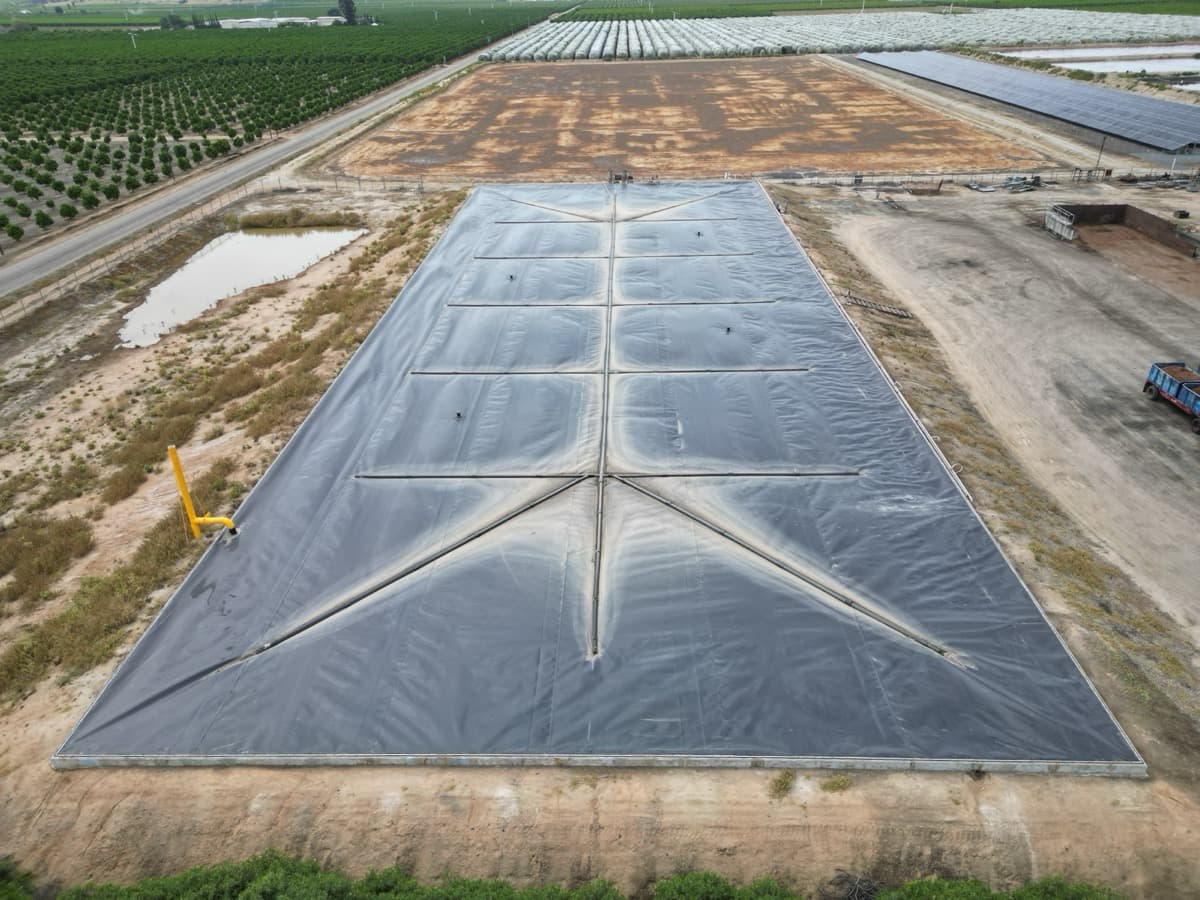
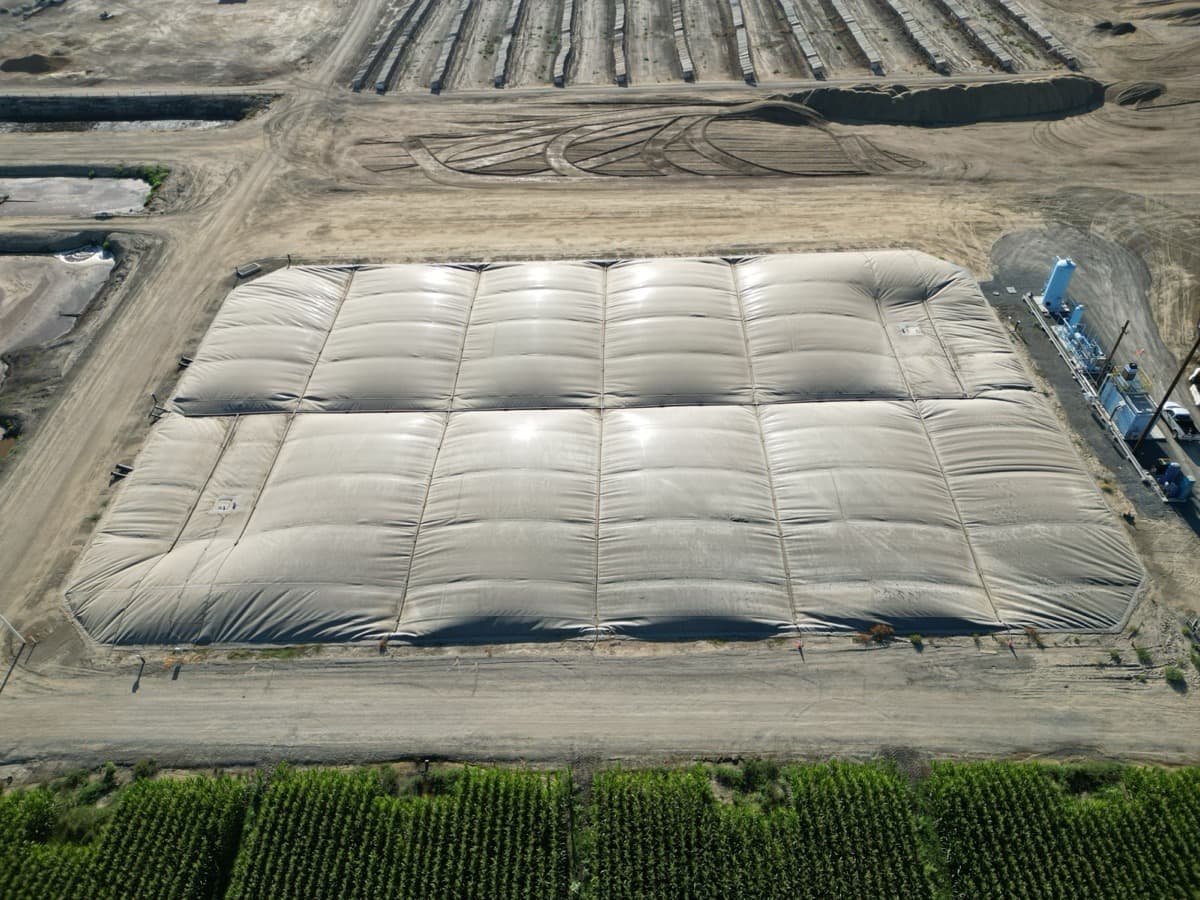
- Approved technologies: Anaerobic digesters with biogas utilization, covered lagoons with flaring, alternative manure management practices (solid separation, composting), and other technologies demonstrated to achieve the required reduction.
- Continuous operation: Once installed, methane reduction systems must be operated continuously except during scheduled maintenance, emergencies, and force majeure events.
- Performance verification: Annual performance testing to verify that the installed system achieves the required reduction percentage.
Compliance Timeline
The compliance timeline depends on whether the operation is a new source or an existing designated facility.
- New sources: Must comply with monitoring and BMP requirements upon commencement of operation or 180 days after the rule's effective date, whichever is later.
- Existing sources: State emission guidelines must be submitted to EPA within 24 months of the rule's finalization. States then have an additional 12-24 months to implement the guidelines. Affected existing operations typically have 36-48 months from state implementation to achieve full compliance.
- Interim requirements: During the compliance phase-in period, affected operations must implement monitoring and submit annual reports even before emission reduction systems are operational.
Penalties and Enforcement
EPA enforcement of NSPS OOOOb agricultural provisions includes civil penalties of up to $60,000 per day per violation for non-compliance. Additionally, the Inflation Reduction Act established a Methane Emissions Charge that applies to facilities reporting emissions above threshold levels -- currently set at $900 per metric ton of methane exceeding the threshold in 2024, escalating to $1,500 per metric ton in 2026 and beyond. While this charge was primarily designed for oil and gas operations, its applicability to agricultural sources covered by NSPS OOOOb is under active legal discussion.
How EFI USA Can Help
EFI USA's cap-and-flare systems are specifically designed to meet NSPS OOOOb requirements for agricultural methane reduction. Our systems achieve 98%+ methane destruction efficiency, well exceeding the 50% reduction requirement. We handle system design, permitting, installation, operation, and performance verification -- allowing farm operators to achieve compliance without diverting management attention from their core operations. Contact us for a compliance evaluation.