The regulatory landscape for dairy methane emissions has shifted dramatically over the past three years. What was once a voluntary opportunity driven by carbon credit revenue has become a compliance obligation backed by enforcement action. California's SB 1383 mandates a 40% reduction in methane emissions from dairy and livestock operations by 2030, measured against 2013 levels. EPA's updated NSPS OOOOb extends federal methane requirements to agricultural sources for the first time. And state-level programs in Oregon, Washington, New York, and several other states are introducing their own dairy methane requirements.
For dairy operators, the question is no longer whether to address methane emissions, but how to do so in the most cost-effective way while maintaining compliance across multiple regulatory programs. This guide walks through the major regulatory frameworks, their requirements, and the practical compliance strategies available to dairy operations of all sizes.
California SB 1383: The Foundation
Senate Bill 1383, signed into law in 2016, established the most aggressive methane reduction targets in the United States. The law requires a 40% reduction in methane emissions from dairy and livestock manure management by 2030, compared to 2013 baseline levels. CARB (California Air Resources Board) is the implementing agency, and their regulations apply to all dairy and livestock operations in California with more than a de minimis level of manure methane emissions.
- Covered operations: All dairies and livestock operations in California with anaerobic manure management systems (lagoons, ponds, pits) that generate methane.
- Reduction target: 40% below 2013 levels by 2030. Interim targets require demonstrable progress toward this goal.
- Compliance pathways: Operators can comply through installation of digesters with biogas capture, alternative manure management practices (solid separation, composting, pasture-based systems), or participation in the CDFA Dairy Digester Research and Development Program.
- Incentive programs: CDFA has allocated over $300 million in incentive funding for dairy digester projects since 2015. GGRF (Greenhouse Gas Reduction Fund) provides additional grant funding.
- Enforcement: CARB has authority to enforce compliance through inspection, reporting requirements, and penalties for non-compliance beginning in 2024.
EPA NSPS OOOOb: Federal Methane Rules Reach Agriculture
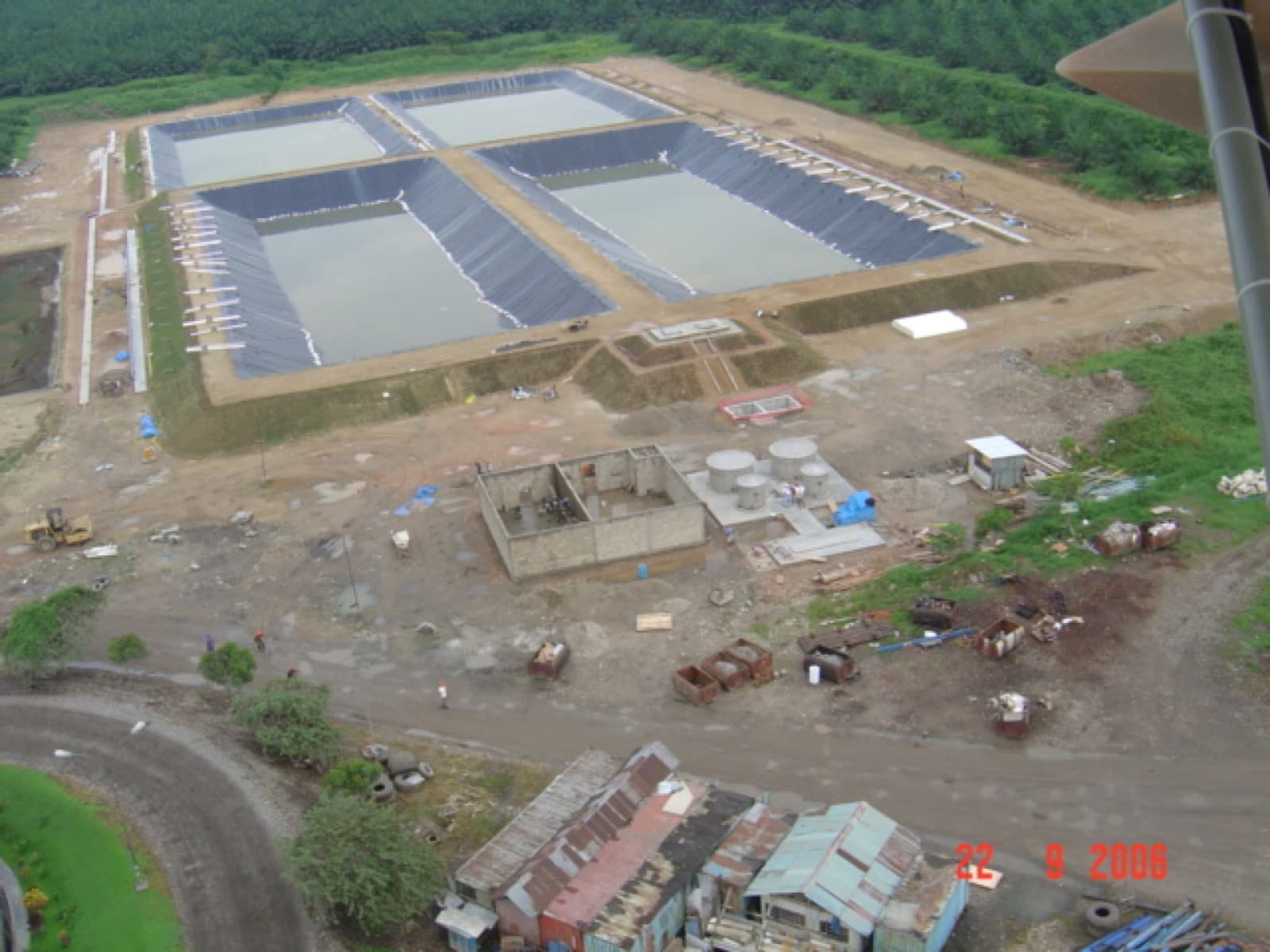
EPA's New Source Performance Standards subpart OOOOb, finalized in late 2024, extended federal methane requirements beyond the oil and gas sector for the first time. While the primary focus remains on oil and gas operations, the rule includes provisions that affect large agricultural methane sources, particularly concentrated animal feeding operations (CAFOs) with anaerobic lagoons.
The rule requires affected facilities to monitor methane emissions, implement best management practices to reduce emissions, and report emissions data annually. For dairy operations, the most significant requirement is the methane monitoring obligation, which requires either direct measurement or approved estimation methods. Operations that exceed threshold emission levels must implement emission reduction measures within 18 months of determination.
State Programs Beyond California
Several states have enacted or are developing their own dairy methane reduction programs. Oregon's Climate Protection Program includes agricultural methane in its cap-and-reduce framework. Washington's Climate Commitment Act covers agricultural methane under the state's cap-and-invest program. New York's Climate Leadership and Community Protection Act includes a 40% methane reduction target that applies to agricultural sources. Vermont, Minnesota, and Wisconsin have voluntary programs with financial incentives for dairy methane reduction.
The trend is clear: methane regulation is expanding geographically and becoming more stringent. Dairy operators in states without current requirements should plan for eventual regulation, as federal rules and state climate commitments make universal coverage likely within the next 5-10 years.
Compliance Strategy: Cap-and-Flare Systems
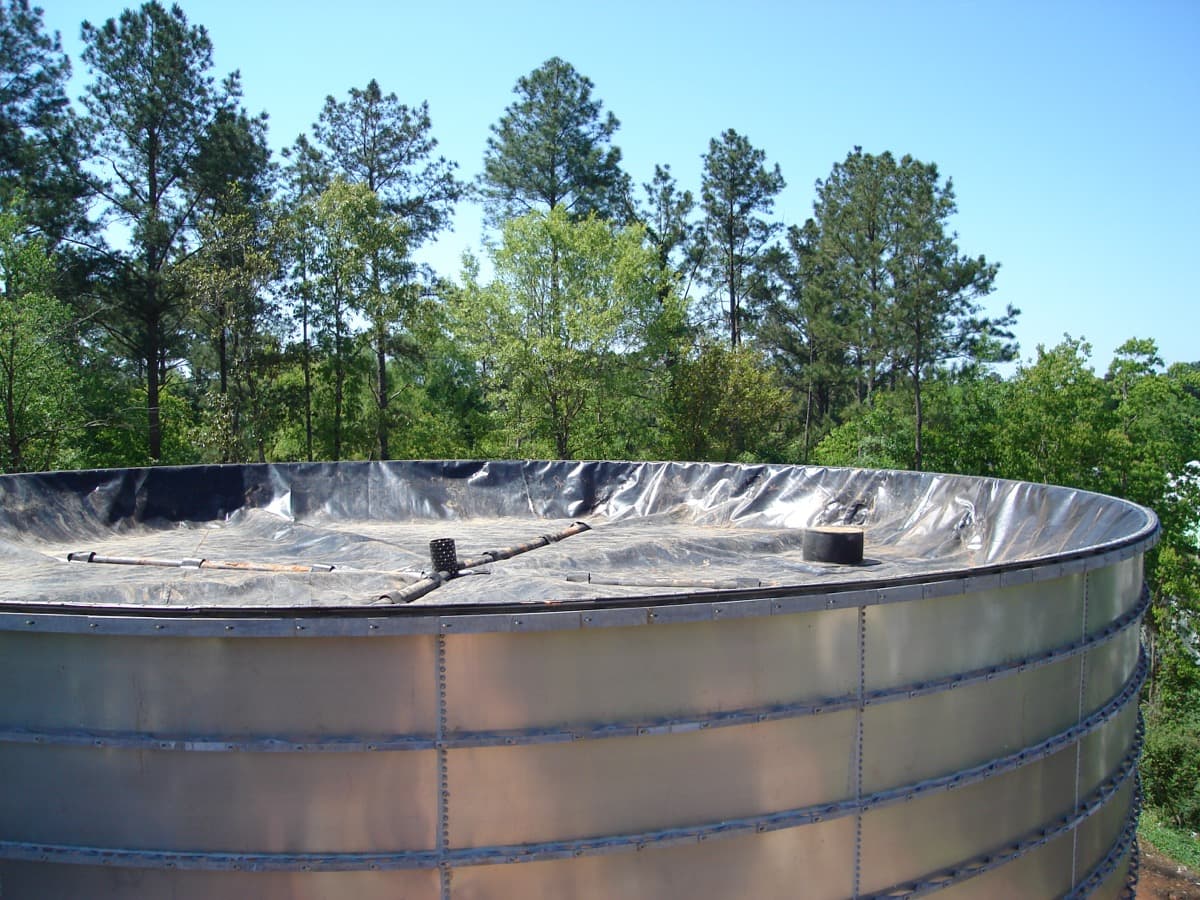
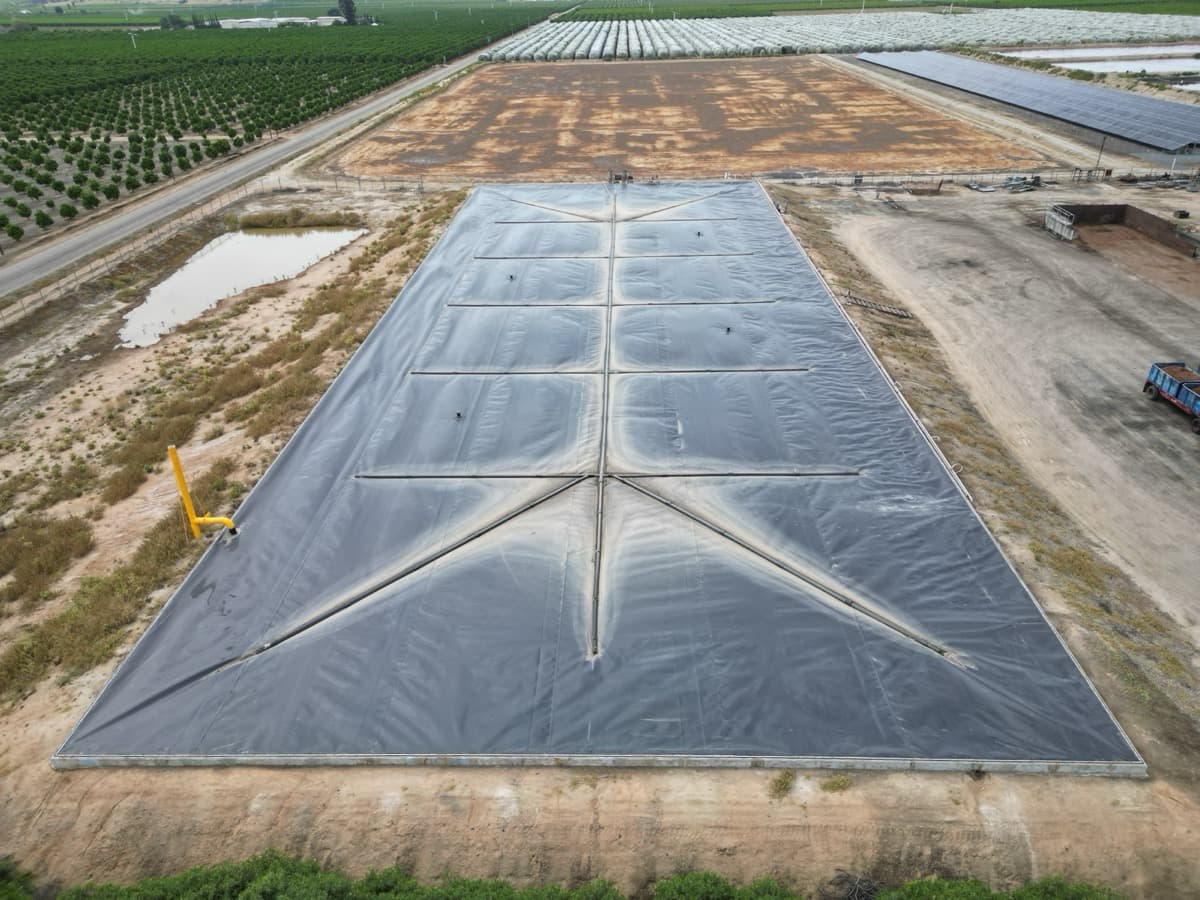
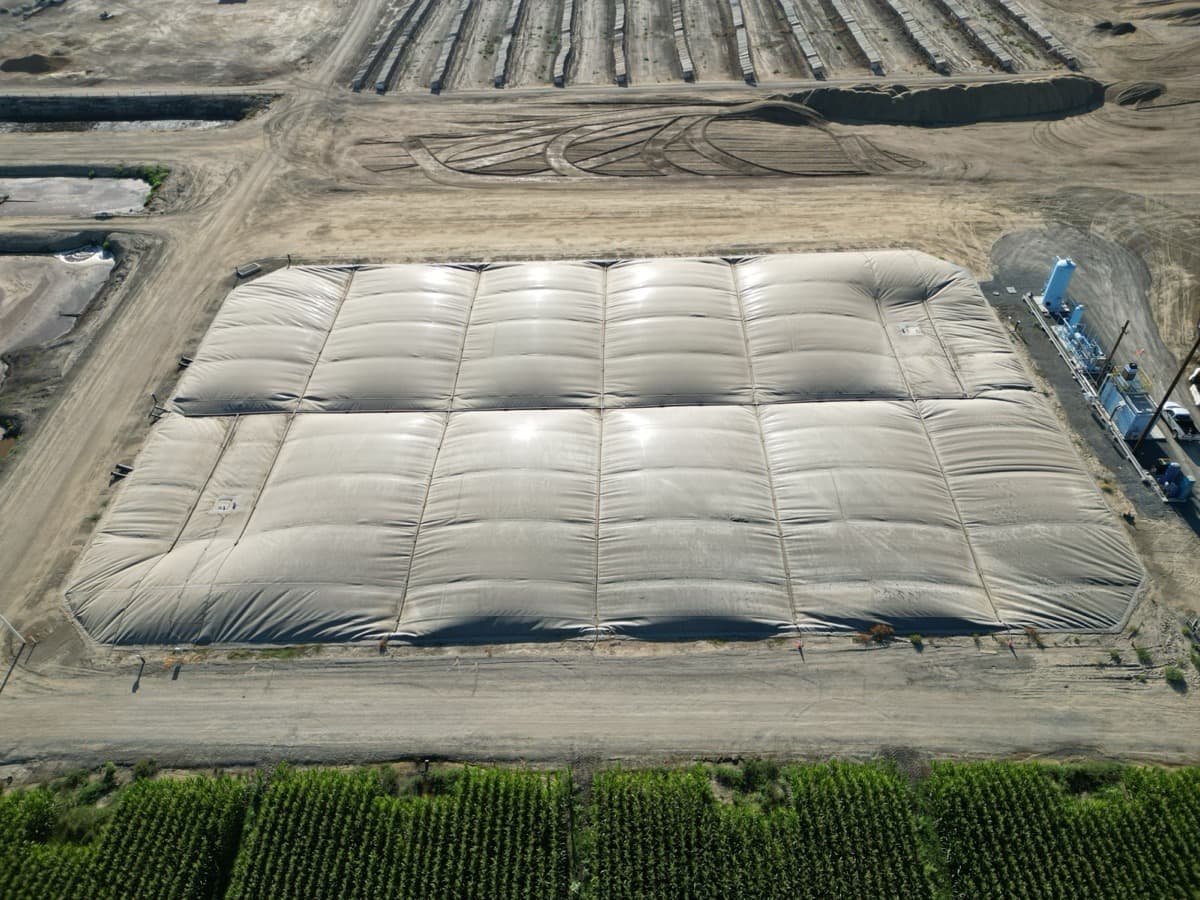
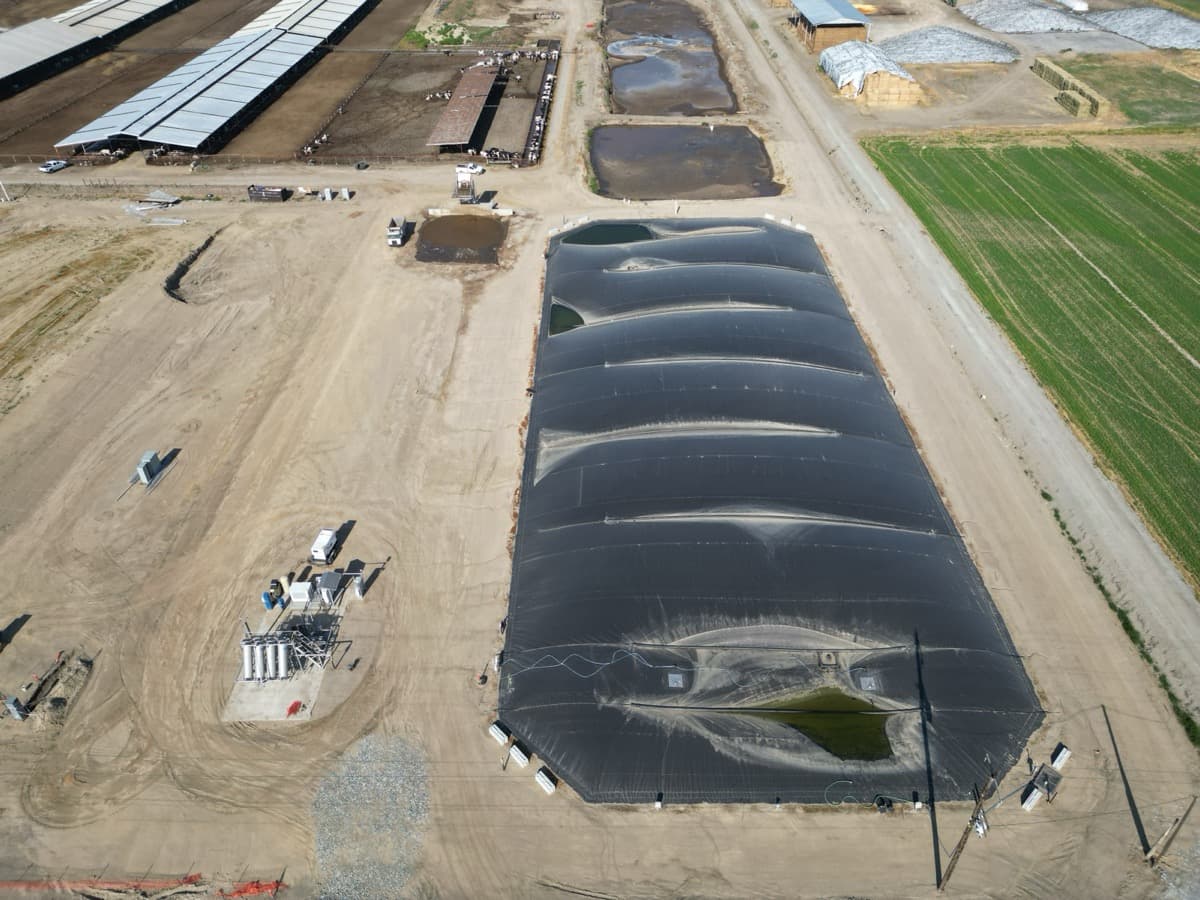
For many dairy operations, particularly those with existing lagoon systems, the most cost-effective compliance pathway is a cap-and-flare system. These systems place an impermeable cover over the existing lagoon, capture the biogas (primarily methane and carbon dioxide), and combust it in a controlled flare. The methane is converted to CO2, which has approximately 28 times lower global warming potential.
- Capital cost: $300,000 to $1.5 million depending on lagoon size, typically 60-80% less than a full anaerobic digester with energy recovery.
- Installation timeline: 4-8 weeks for a typical dairy lagoon, compared to 12-18 months for a digester project.
- Methane destruction efficiency: 98%+ when properly designed and operated, meeting or exceeding all current regulatory thresholds.
- Operating cost: Minimal -- flare systems require periodic inspection and maintenance but have no complex mechanical systems like generators or gas upgrading equipment.
- Scalability: Systems can be installed on lagoons from 1 acre to 20+ acres, making them viable for mid-size dairies that cannot justify full digester economics.
Revenue Opportunities Within Compliance
Compliance does not have to be purely a cost center. Dairy methane reduction generates carbon credits under several programs, and these credits can offset or exceed the cost of the reduction technology. California's LCFS (Low Carbon Fuel Standard) program credits dairy methane reduction at rates that have historically ranged from $80 to $200 per metric ton of CO2e reduced. Federal 45Q tax credits provide additional value for carbon capture. Voluntary carbon markets offer further revenue potential, though prices are lower and more volatile.
The key to maximizing revenue is proper project documentation from the outset. Emissions baselines must be established using approved methodologies before the reduction technology is installed. Monitoring systems must meet program-specific requirements. And verification must be conducted by accredited third-party verifiers. Retroactive credit generation is generally not possible, which makes early planning essential.
Compliance Timeline and Action Steps
- Immediate: Determine which regulatory programs apply to your operation based on location, size, and manure management practices.
- Within 90 days: Establish a methane emissions baseline using an approved methodology. This baseline is required for both compliance reporting and carbon credit generation.
- Within 6 months: Evaluate compliance technology options (cap-and-flare, digester, alternative manure management) based on operation size, economics, and regulatory requirements.
- Within 12 months: Begin permitting and engineering for selected technology. Most programs have compliance deadlines that require operational systems within 2-3 years.
- Ongoing: Implement monitoring and reporting systems as required by applicable programs. Maintain records for verification and audit.
EFI USA has installed methane destruction systems on dairy operations across the United States since 1993. Our cap-and-flare systems are designed specifically for agricultural lagoons and meet all current federal and state methane reduction requirements. Contact us for a compliance assessment tailored to your operation.