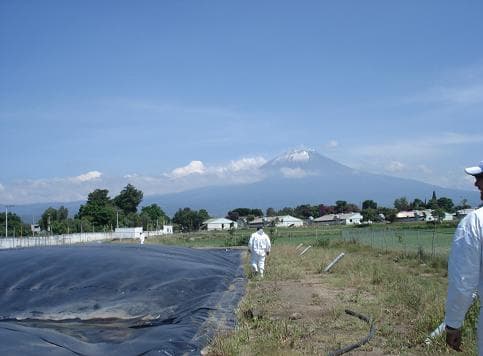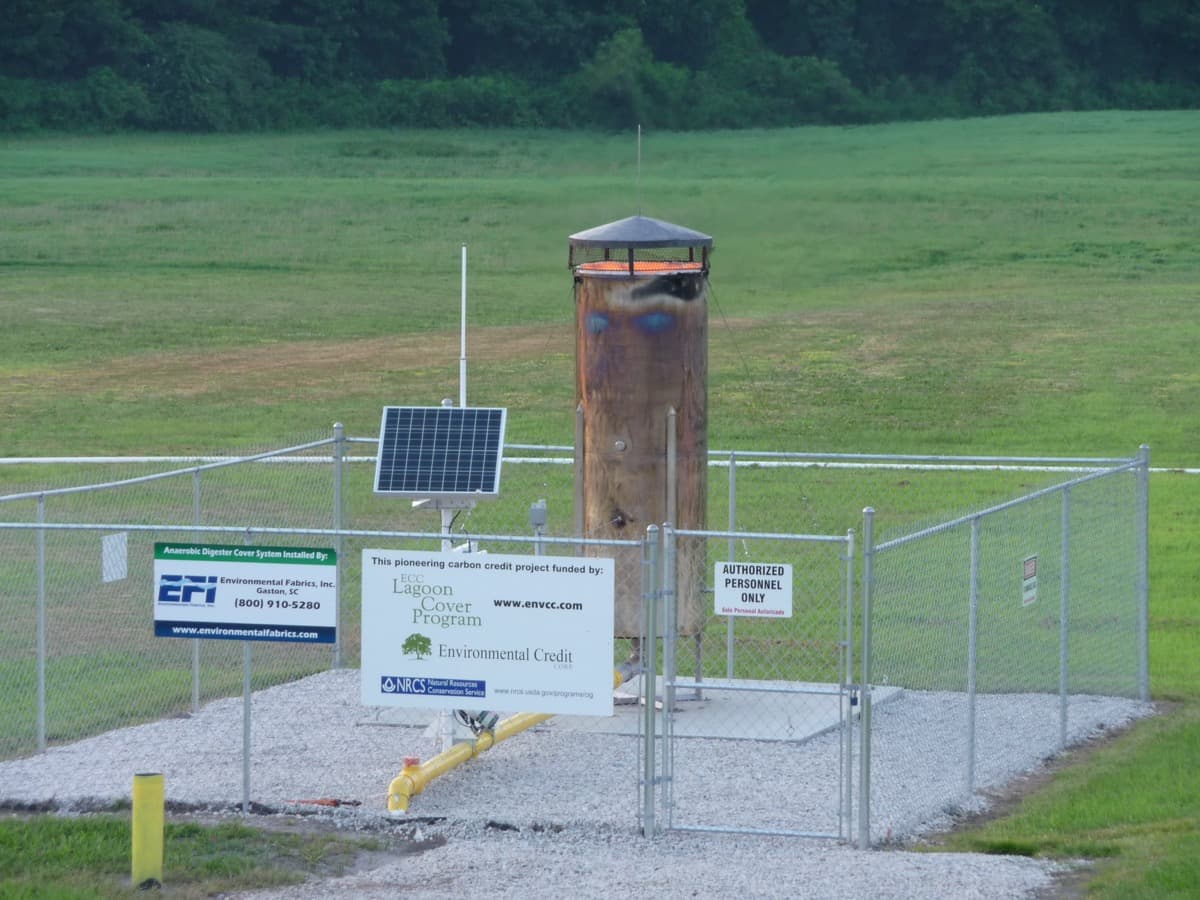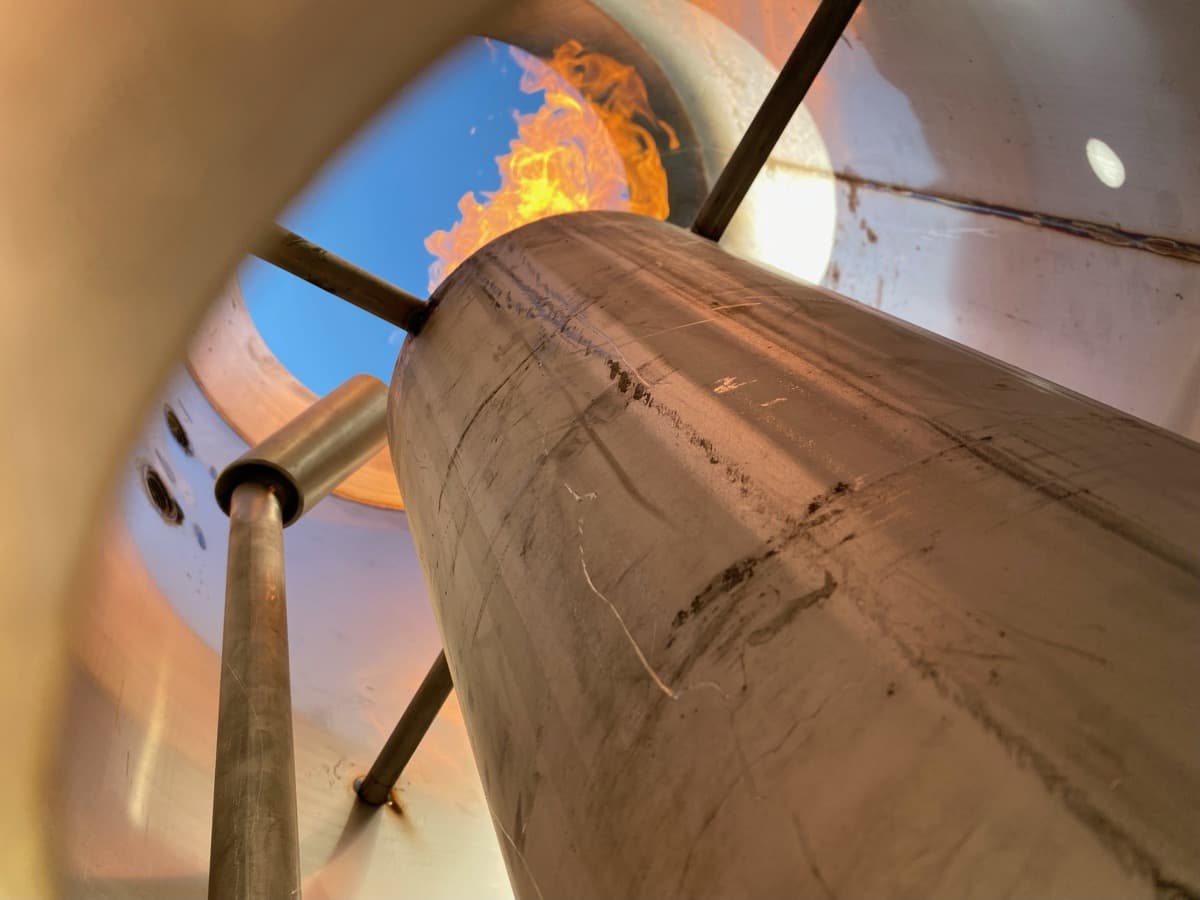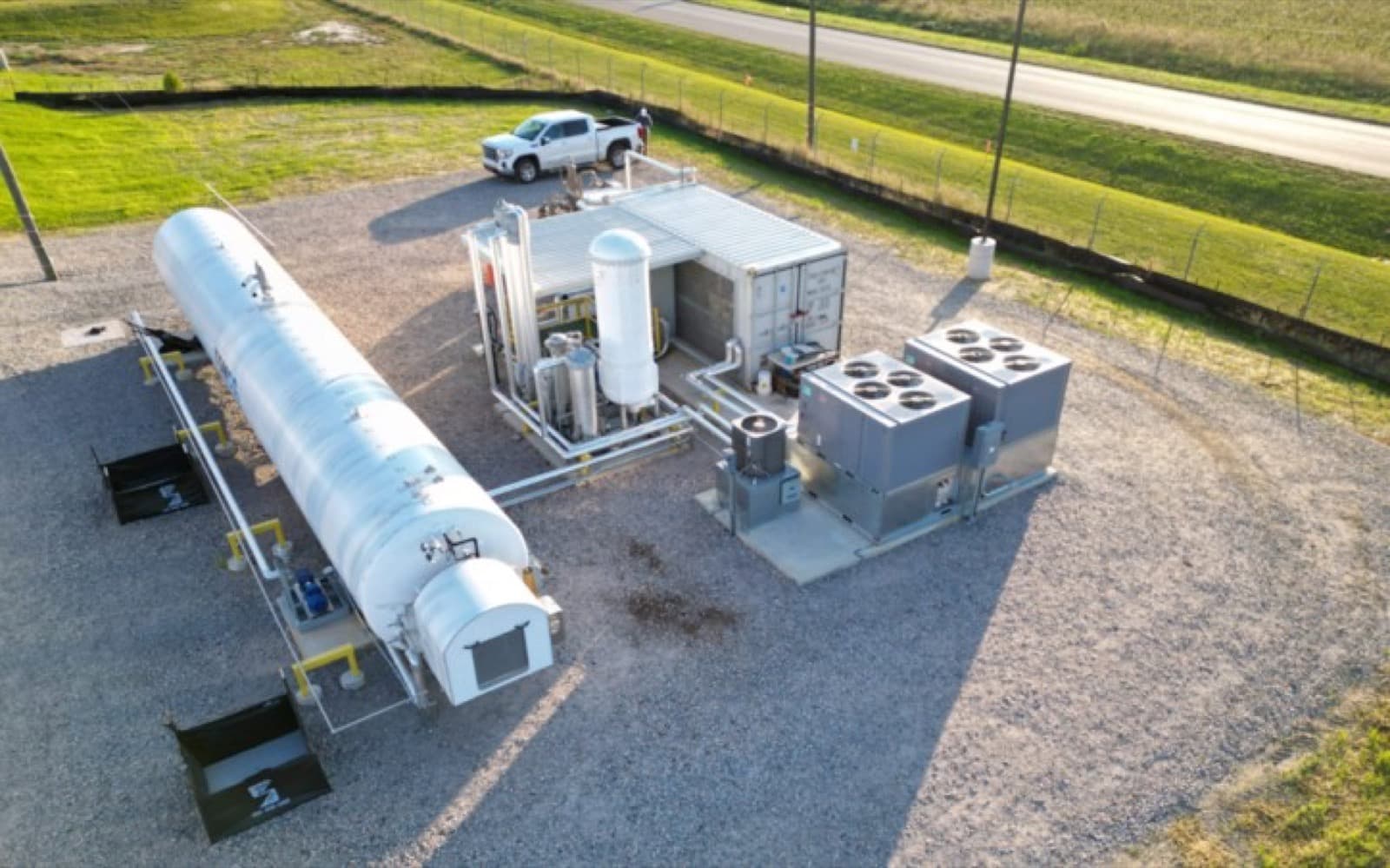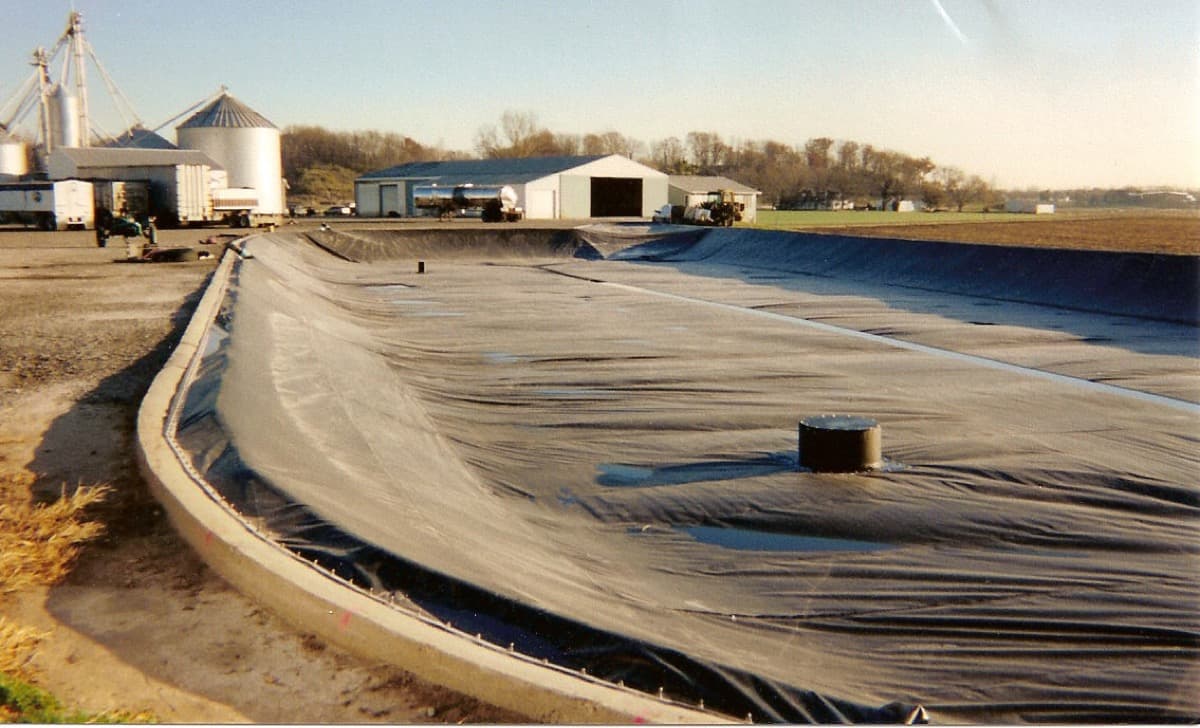
A hole, an open seam and movement at a cover edge raise different repair questions. Record where the problem occurs, what surrounds it and how the system operates before choosing a patch or a replacement. The installed material, previous repairs and access below the membrane all belong in that assessment.
This guide applies to flexible covers on lagoon systems. Use it to prepare a condition review with the owner, engineer, material supplier and installer. Age belongs in the record, but it does not establish remaining service life. A fixed replacement age or a repair-cost percentage cannot account for concealed damage, treatment needs or the condition of adjacent material.
Build a record of the whole system
Start with drawings, material certificates, installation and seam-test records, previous inspection reports and repair locations. Put new observations on the same plan so the assessment team can distinguish recurring damage from a separate defect. Mark areas that could not be inspected.
- Membrane and seams: Locate holes, tears, open seams, folds and previous patches. Identify the original material and the material used in repairs. Record what is visible without assigning a remaining-life estimate from appearance.
- Perimeter and penetrations: Document displacement, erosion and places where a cover touches a pipe, structure or rough slope as liquid levels change. Ask whether the original detail or an operating change contributed to the damage.
- Connected equipment: Include gas piping, condensate handling, ballast and rainwater equipment in the review. Assign separate inspection tasks for components that cannot be assessed from the cover surface.
- Operating record: Supply liquid levels, gas flow and pressure trends, maintenance history and recent changes in loading or equipment. A change in gas flow needs investigation; it does not by itself prove a cover leak.
Collect photographs only from authorized access points. The assessment team should define safe access, isolation and any sampling work. An overview photograph can locate a defect, but it cannot establish seam strength or the condition of material below the liquid surface.
Establish whether a localized repair is feasible
A repair review should establish whether the defect is confined to a defined area and whether the surrounding material can accept the proposed connection. Ask the installer and supplier how they will evaluate the existing membrane, select compatible repair material and verify the completed work. Sampling locations, test methods and acceptance criteria need to suit that particular system.
GRI-GM13 and GM17 address manufacturing quality control for new HDPE and LLDPE geomembranes. They provide useful context when identifying original material requirements. They do not supply a universal retirement threshold for an installed cover. The assessment team must explain how any measured change in an aged sample affects the proposed repair.
Include the cause of the damage in the scope. If contact against a structure or movement at a penetration remains unresolved, the owner needs to understand that exposure before approving another patch. Identify what the repair addresses, what still requires monitoring and what condition would trigger another review.
Compare complete repair and replacement scopes
Compare alternatives that cover the same operating requirements. A membrane-only replacement proposal and a repair proposal that includes piping, access and disposal cannot be compared from their totals alone. List removal, retained components, new connections, testing and handover records for each option.
- For a repair, define the affected area, preparation, compatible materials, connection details and acceptance checks. Record which adjacent areas remain outside the assessment.
- For replacement, identify existing ballast, piping, anchors and penetrations to retain or replace. Include a decision point for concealed conditions discovered after removal.
- For either option, state the work window, allowable liquid levels, treatment constraints and responsibility for temporary arrangements. Include planned liner, baffle or sludge work in the sequence.
The EFI digester cover replacement field guide documents different access and sequencing requirements in historical projects. Use those examples to ask better scope questions. A project completed with an operating cell does not establish that another lagoon can remain in service, and a replacement cover does not by itself restore lost treatment volume.
Plan maintenance around the installed equipment
Use the approved operating and maintenance documents to set inspection tasks and intervals. The plan should name who reviews observations, who can authorize work and how an unresolved defect is tracked. Include the equipment supplier’s requirements and a process for reviewing unusual events or operating changes.
Keep dated photographs, defect locations, repair records and acceptance results together. These records let a later assessment distinguish a new problem from an earlier repair. A maintenance calendar can organize the work; it cannot guarantee a particular number of additional service years.
Prepare the next assessment
Send EFI the site location, available cover drawings, material records, annotated photographs and prior repair history. Add normal and allowable liquid levels, access restrictions and the required work window. List any other basin or gas-system work under consideration so the scopes can be reviewed together.
If the intended outcome is permanent removal, begin with the owner’s closure requirements and an agreed engineering scope. Gas-system isolation, residual materials, disposal and the final basin condition require site-specific planning. Cover removal alone is not a complete lagoon closure plan.