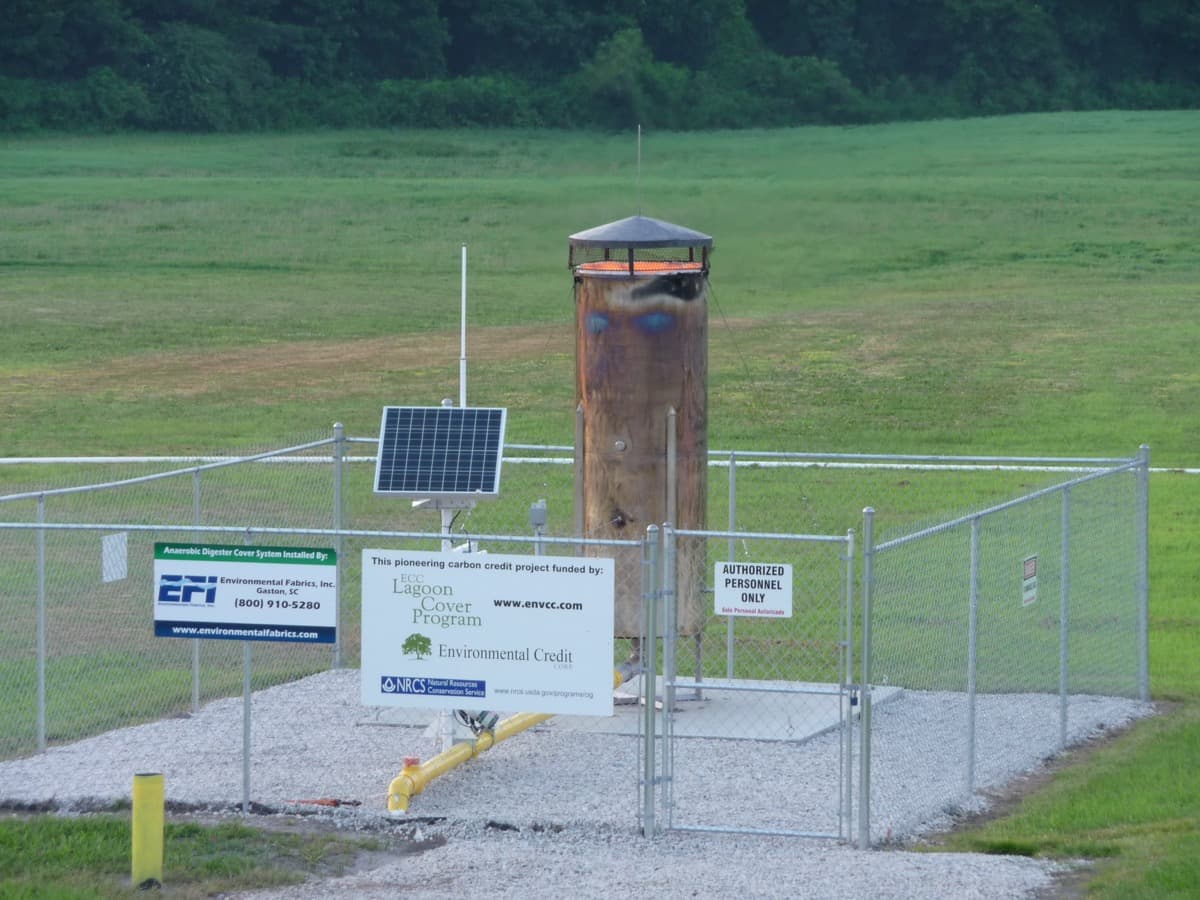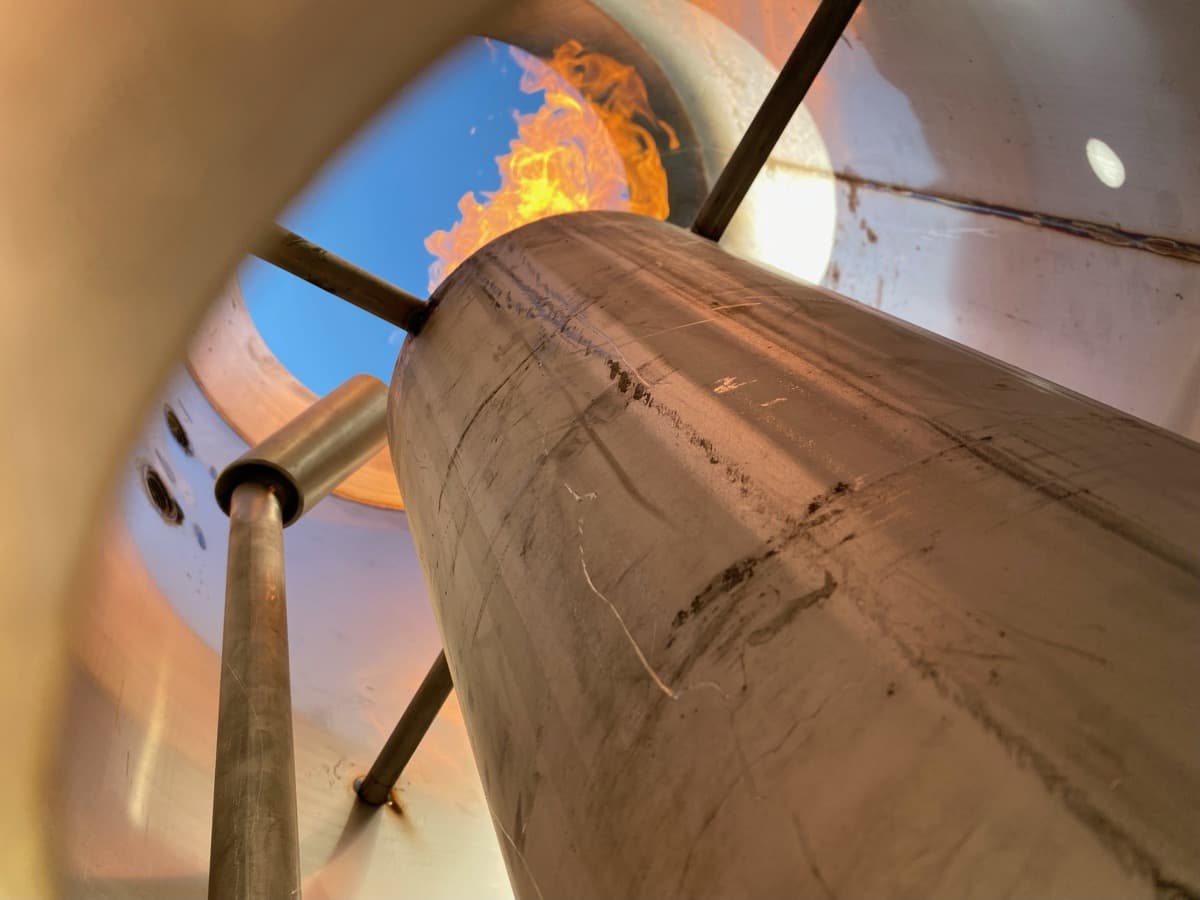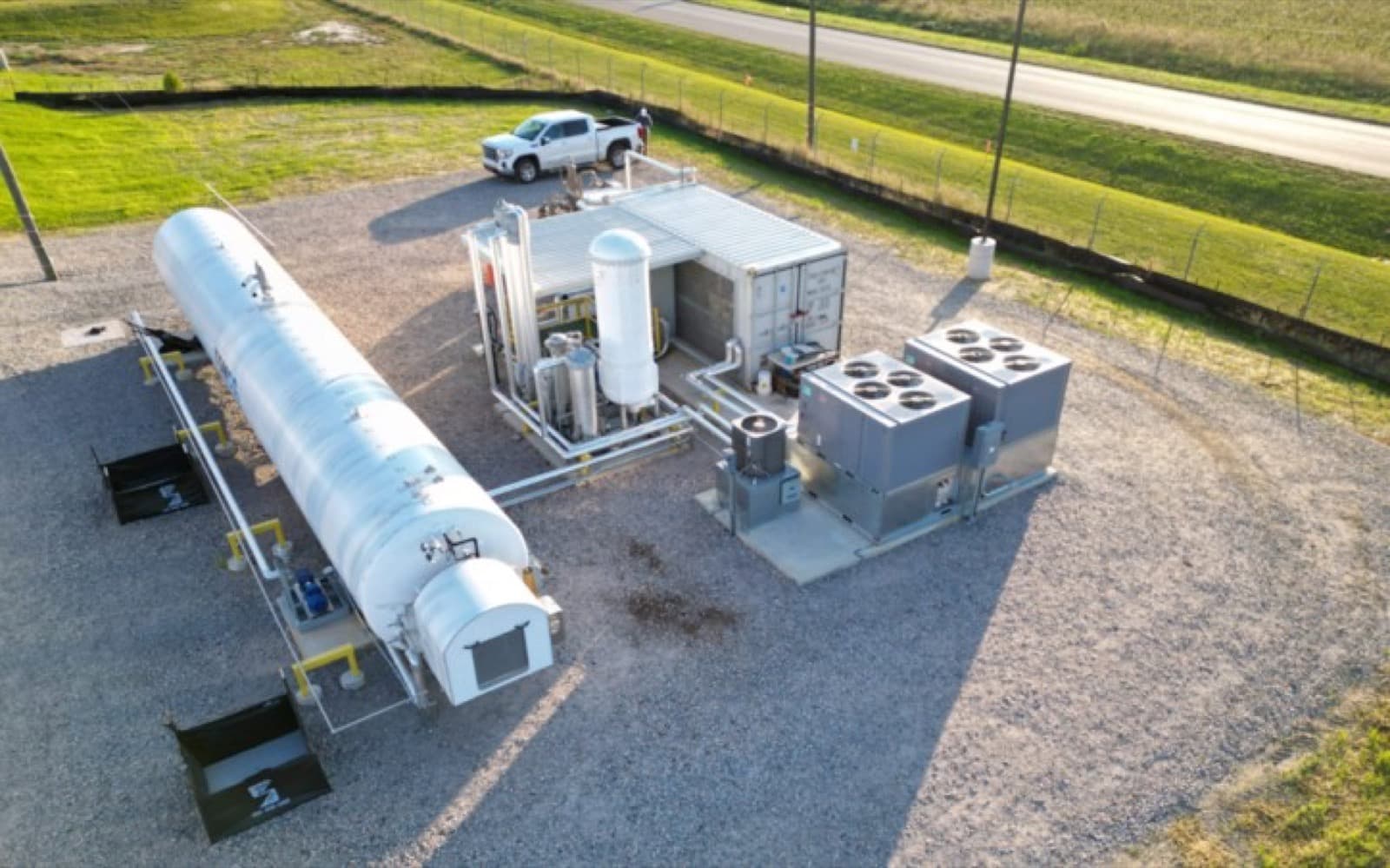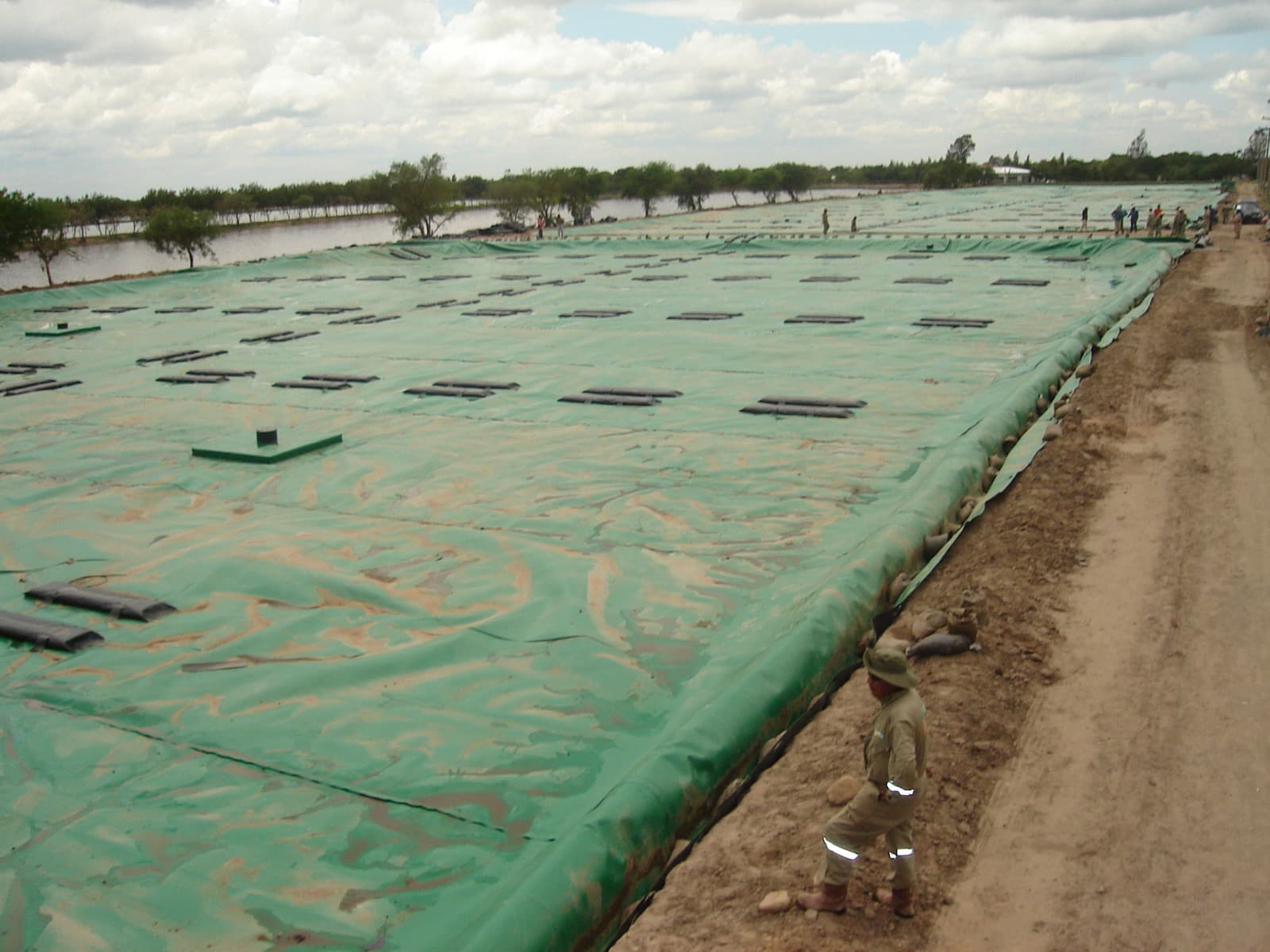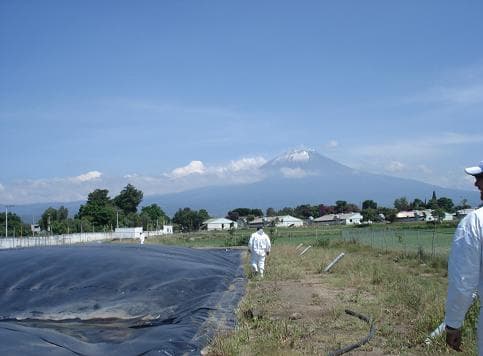
Every engineering company claims to learn from its projects. EFI's international portfolio -- 300+ covered lagoon digester systems across Mexico, Central America, and the Caribbean -- provided lessons that cannot be learned in a domestic-only operation. Extreme heat, tropical UV exposure, hurricane-force winds, remote logistics, international regulatory frameworks, and waste streams from industries that barely exist in the continental US forced the company to develop engineering solutions and operational practices that made every subsequent US installation better.
Tropical Climate Engineering: Heat, UV, and Extreme Weather
Covered lagoon digesters in the southeastern United States experience summer temperatures that reach 95-100 degrees Fahrenheit and UV exposure levels that degrade polymer materials over time. In southern Mexico and the Caribbean, those conditions are the baseline -- year-round. Temperatures regularly exceed 100 degrees with direct tropical sun intensity that accelerates UV degradation of geosynthetic materials by 2-3 times compared to temperate US installations.
EFI's international experience drove fundamental changes in material selection and cover design. The company learned which HDPE and LLDPE formulations maintained structural integrity after years of tropical UV exposure, which carbon black concentrations provided adequate UV stabilization without making the material too brittle, and how thermal expansion cycles in hot climates affected anchor trench design and gas collection piping connections. These lessons directly informed the material specifications EFI uses on domestic installations -- specifications that are more conservative (and more durable) than what many competitors use because they were validated in harsher conditions.
Hurricane and tropical storm exposure added another dimension to cover engineering. International installations in the Caribbean and Gulf Coast Mexico had to survive wind events that would destroy a cover designed only for temperate conditions. EFI developed anchor trench designs, ballast systems, and gas venting configurations that allow covers to survive high-wind events without catastrophic failure. Those designs are now standard on US installations in hurricane-prone regions.
The USVI Rum Distillery: A Unique Substrate Challenge
The US Virgin Islands rum distillery project stands out as one of EFI's most technically distinctive installations. Rum distillery wastewater -- known as dunder or stillage -- has an extremely high organic loading, with BOD concentrations 10-50 times higher than typical dairy manure wastewater. The waste stream is also highly acidic and contains compounds that can inhibit anaerobic digestion if not properly managed.
EFI designed a covered lagoon system specifically for this substrate, incorporating hydraulic retention time calculations based on the unique degradation kinetics of rum distillery waste, material selections resistant to the acidic waste stream, gas collection and flare systems sized for the higher-than-typical biogas production per unit volume, and condensate management designed for the high-moisture tropical environment.
The island logistics added complexity that mainland projects never encounter. All materials -- geosynthetic liners, piping, flare equipment, instrumentation -- had to be shipped by barge. Equipment failures could not be resolved with a next-day parts delivery from a regional supplier. EFI learned to design systems with redundancy and maintainability as primary design criteria, not afterthoughts. The spare parts inventory and maintenance protocols developed for remote island installations became the template for EFI's approach to all installations in locations where rapid service response is not guaranteed.
Bruce Foods and La Joya: Scale in Developing Markets
The Bruce Foods project demonstrated that covered lagoon technology could be successfully applied to food processing wastewater in developing market conditions. The installation required working with local construction crews who had no prior experience with geosynthetic materials, adapting installation procedures for equipment and tooling available locally, and meeting both the facility's operational requirements and the CDM verification standards for carbon credit generation.
La Joya, one of EFI's landmark Mexican swine operation installations, scaled up the operational model to a large commercial facility. The project confirmed that covered lagoon digesters could be deployed on large-scale swine operations in tropical conditions with consistent biogas production, reliable methane destruction, and verifiable carbon credit generation. The operational data from La Joya informed EFI's sizing models and performance projections for years of subsequent installations.
Regulatory Navigation: CDM, EPA, and State Frameworks
Operating under the UN Clean Development Mechanism required a regulatory compliance capability that exceeded anything required for domestic US projects. CDM project registration involved preparing detailed Project Design Documents (PDDs), engaging accredited third-party validators, submitting to the CDM Executive Board for approval, and maintaining ongoing monitoring and verification protocols that generated annual reports for credit issuance.
When EFI pivoted its focus back to the US market, the company applied CDM-level documentation and monitoring practices to domestic projects operating under less demanding voluntary carbon standards. The result was a level of monitoring rigor and data quality that exceeded what most domestic-only operators provided, which in turn made EFI projects more credible to carbon credit buyers, verifiers, and registry administrators. The CDM discipline became a competitive advantage in the voluntary market.
Material Selection: What Survives in Tropical Environments
International installations provided accelerated aging data on geosynthetic materials that would take decades to accumulate in temperate US conditions. Covers installed in southern Mexico and the Caribbean experienced the equivalent of 15-20 years of Southeast US UV exposure in 8-10 years. This accelerated exposure revealed failure modes and degradation patterns that informed EFI's current material specifications.
- HDPE formulations with 2.5%+ carbon black content showed significantly better UV resistance than standard 2.0% formulations in tropical exposure
- Smooth HDPE outperformed textured HDPE in tropical applications because the textured surface increased UV-exposed surface area
- Gas collection piping connections designed with thermal expansion allowances of 2x temperate specifications avoided joint failures in tropical heat cycles
- Anchor trench designs that accommodated thermal cycling of the cover membrane prevented anchor pullout during daily temperature swings
- Condensate management systems required 3-4x the capacity of temperate installations due to tropical humidity and temperature differentials
Remote Monitoring: Born from Necessity
When your closest installation is 1,500 miles away and accessible only by a combination of flights and ground transportation, you cannot respond to every alarm with a site visit. EFI's remote monitoring capabilities -- which today provide real-time visibility into gas flow rates, methane concentration, flare operating status, and system pressures across the entire installed base -- were developed out of necessity for international projects.
The evolution from basic alarm systems to comprehensive remote monitoring platforms was driven by the economics of international service. A single service trip to a remote Mexican site could cost $3,000-$5,000 and take 2-3 days. A remote monitoring system that could diagnose issues, distinguish between genuine equipment failures and sensor malfunctions, and guide local technicians through routine maintenance procedures paid for itself within the first year of operation.
How International Experience Shapes US Operations Today
Every covered lagoon digester EFI installs in the United States today benefits from international lessons learned. Material specifications are more conservative because tropical data showed where cheaper formulations fail. Anchor trench designs are more robust because hurricane exposure revealed failure modes. Monitoring systems are more comprehensive because remote international sites required remote diagnostic capability. And the project management processes -- from site assessment through commissioning -- are more systematic because deploying 300+ systems across multiple countries in different regulatory environments demanded it.
Competitors who have only built domestic systems are engineering for domestic conditions. EFI is engineering for the conditions that break systems -- and applying that knowledge everywhere.
“Mexico taught us how to build systems that last. When your cover has to survive tropical sun, hurricane winds, and remote operation without a service truck 30 minutes away, you engineer differently. Every system we build in the US today is better because of what we learned building 300 systems in Latin America.”
-- Marc Fetten, CEO, EFI USA