Landfill gas (LFG) is generated by the anaerobic decomposition of organic waste buried in landfills. A typical municipal solid waste landfill produces LFG for 20-30 years after closure, with peak production occurring 5-10 years after waste placement. LFG is approximately 50% methane and 50% CO2, with trace amounts of non-methane organic compounds (NMOCs) that include volatile organic compounds, hazardous air pollutants, and odorous gases.
Federal regulations under NSPS subpart AAAA (new landfills) and Emission Guidelines subpart Cf (existing landfills) require landfills that exceed emission thresholds to install gas collection and control systems. These systems capture LFG through a network of wells and trenches, convey it through a header pipe system, and route it to a flare or energy recovery facility for destruction. The engineering of these systems balances collection efficiency against cost, operational complexity, and landfill operations.
System Components
- Vertical extraction wells: Drilled into the waste mass, typically 2-3 feet in diameter and spaced 200-300 feet apart. Wells are lined with perforated HDPE casing surrounded by a gravel pack, with a solid casing and bentonite seal through the upper 10-15 feet to prevent air intrusion.
- Horizontal collection trenches: Installed in the waste mass during active filling. Perforated HDPE pipe is placed in a gravel-filled trench as waste is built up around it. Horizontal collectors provide gas collection in areas where vertical wells cannot yet be installed.
- Header pipe network: Solid HDPE pipe that connects individual wells and trenches to the main collection header. Sized for the anticipated gas flow rate with condensate management at low points.
- Condensate management: LFG is saturated with moisture, and condensate accumulates at pipe low points. Condensate traps, pumps, and knockout tanks remove liquid from the gas stream. Condensate disposal is a significant operational and regulatory consideration.
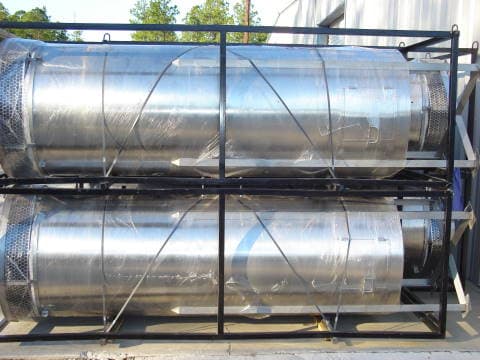
- Blower/flare station: Centrifugal blowers create the vacuum that draws LFG from the well field through the header system. The gas is then routed to an enclosed flare, utility flare, or energy recovery facility.
Well Field Design
Well field design must balance several competing objectives: maximize gas collection from the waste mass, minimize air intrusion through the landfill cover, avoid interference between adjacent wells, and accommodate ongoing landfill operations (for active sites). The radius of influence of each well depends on waste density, moisture content, permeability, and the applied vacuum.
Typical well spacing is 150-300 feet in a grid or triangular pattern. Closer spacing improves collection efficiency but increases cost and operational complexity. The applied vacuum at each wellhead is individually adjustable, allowing operators to tune the system as conditions change. Wellhead monitoring includes methane concentration, oxygen concentration, temperature, and vacuum pressure -- all of which provide diagnostic information about well performance and waste conditions.
Collection Efficiency
Collection efficiency -- the percentage of total LFG generated that is captured by the collection system -- is a critical performance metric. Federal regulations assume a default collection efficiency of 75% for regulatory modeling, but actual efficiencies vary widely depending on system design, cover condition, and operational practices.
- Well-designed systems with final cover: 85-95% collection efficiency. The final cover (soil plus geomembrane) limits surface emissions and forces gas toward the extraction wells.
- Systems with intermediate cover only: 65-80% collection efficiency. Intermediate cover (typically 12 inches of soil) allows more surface emissions than final cover.
- Active filling areas: 50-65% collection efficiency at best. Ongoing waste placement operations disturb the cover and create gas migration pathways.
- Improvement strategies: Optimizing wellhead vacuum levels, adding wells in under-collected areas, improving cover integrity, and installing additional horizontal collectors in active areas.
Geosynthetic Liners in LFG Systems
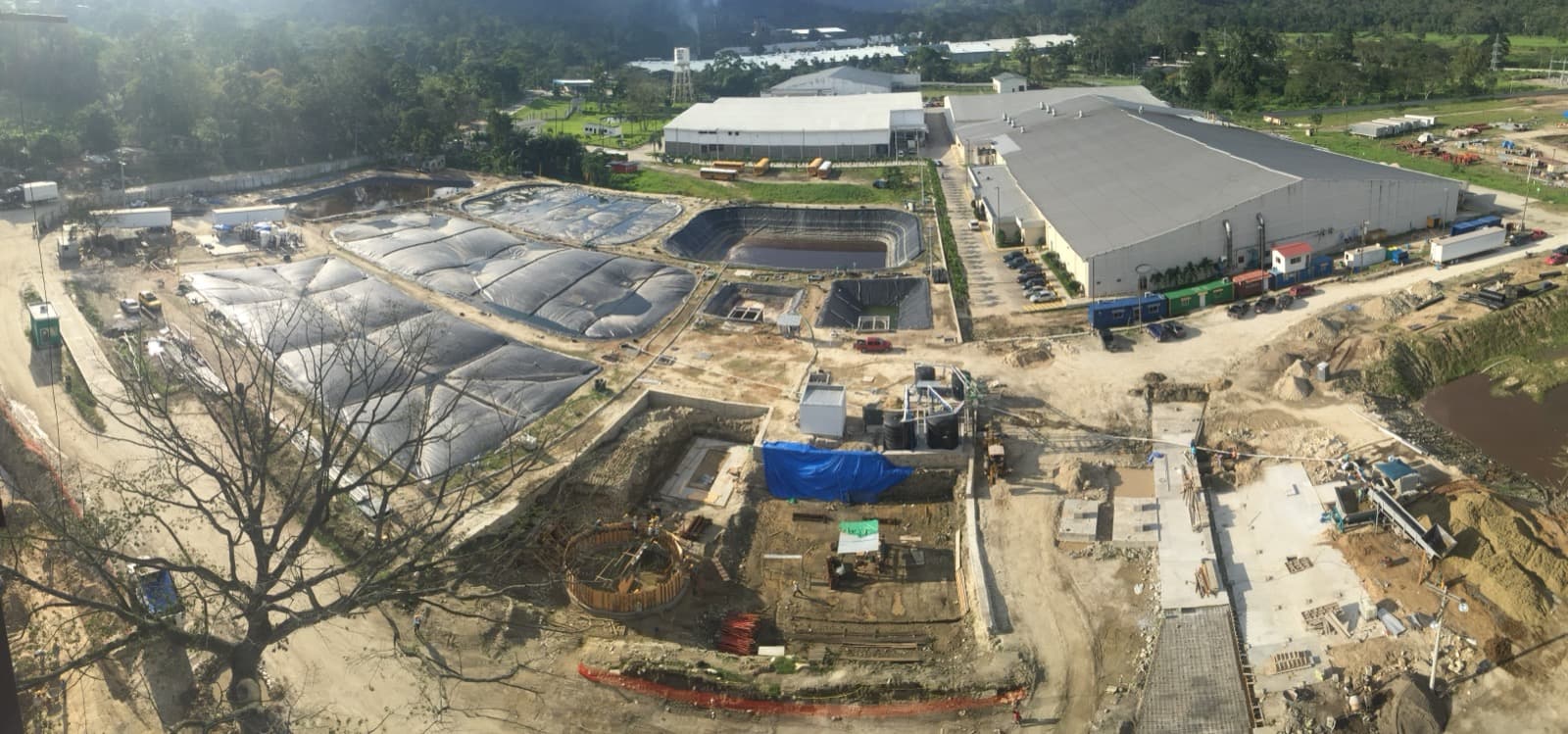
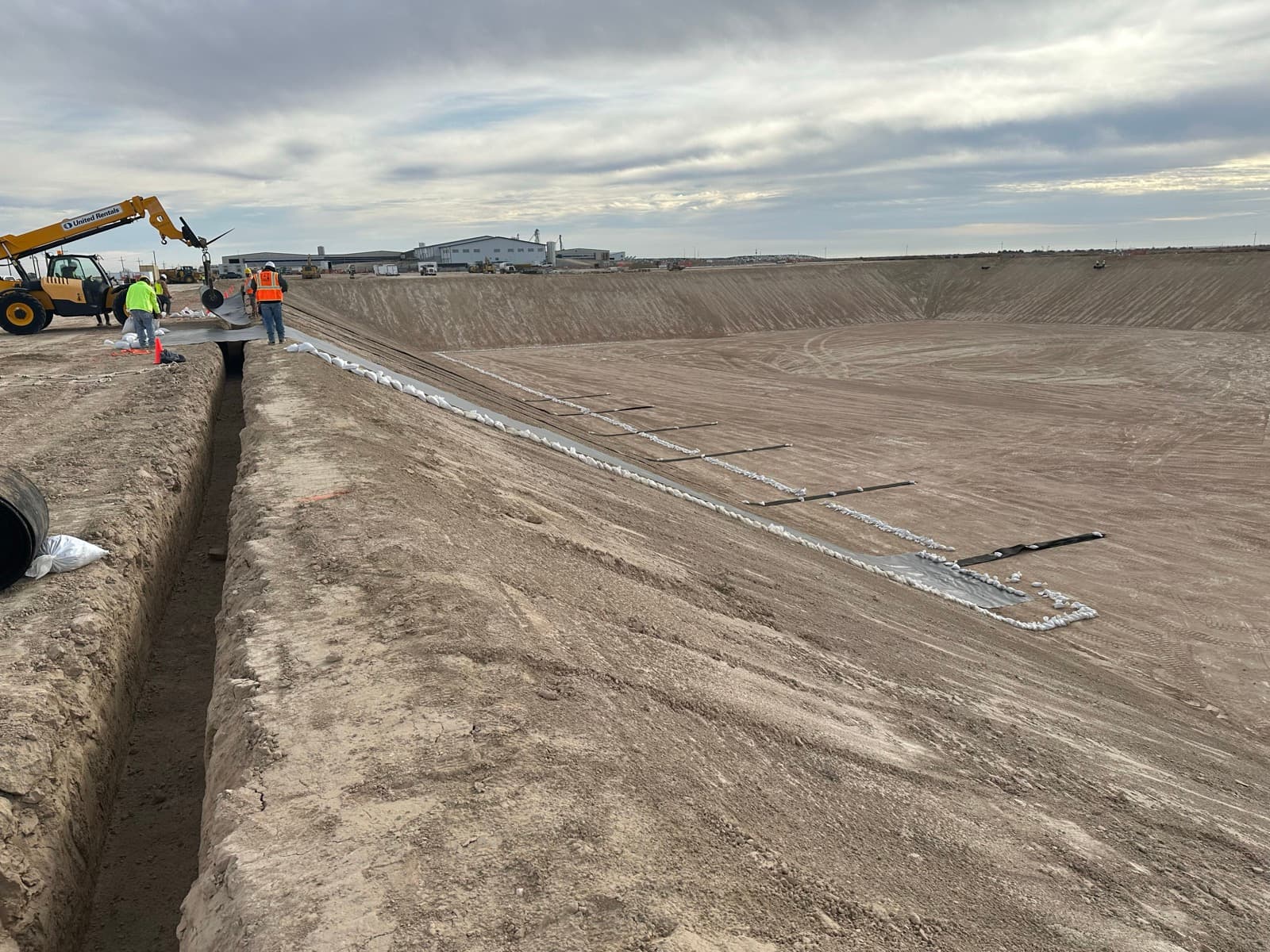
Geosynthetic liners play multiple roles in landfill gas management. The bottom liner system (required for all new Subtitle D landfills) prevents LFG migration into groundwater. The final cover system, which typically includes a geomembrane cap, is critical for maximizing gas collection efficiency by preventing LFG from escaping through the landfill surface.
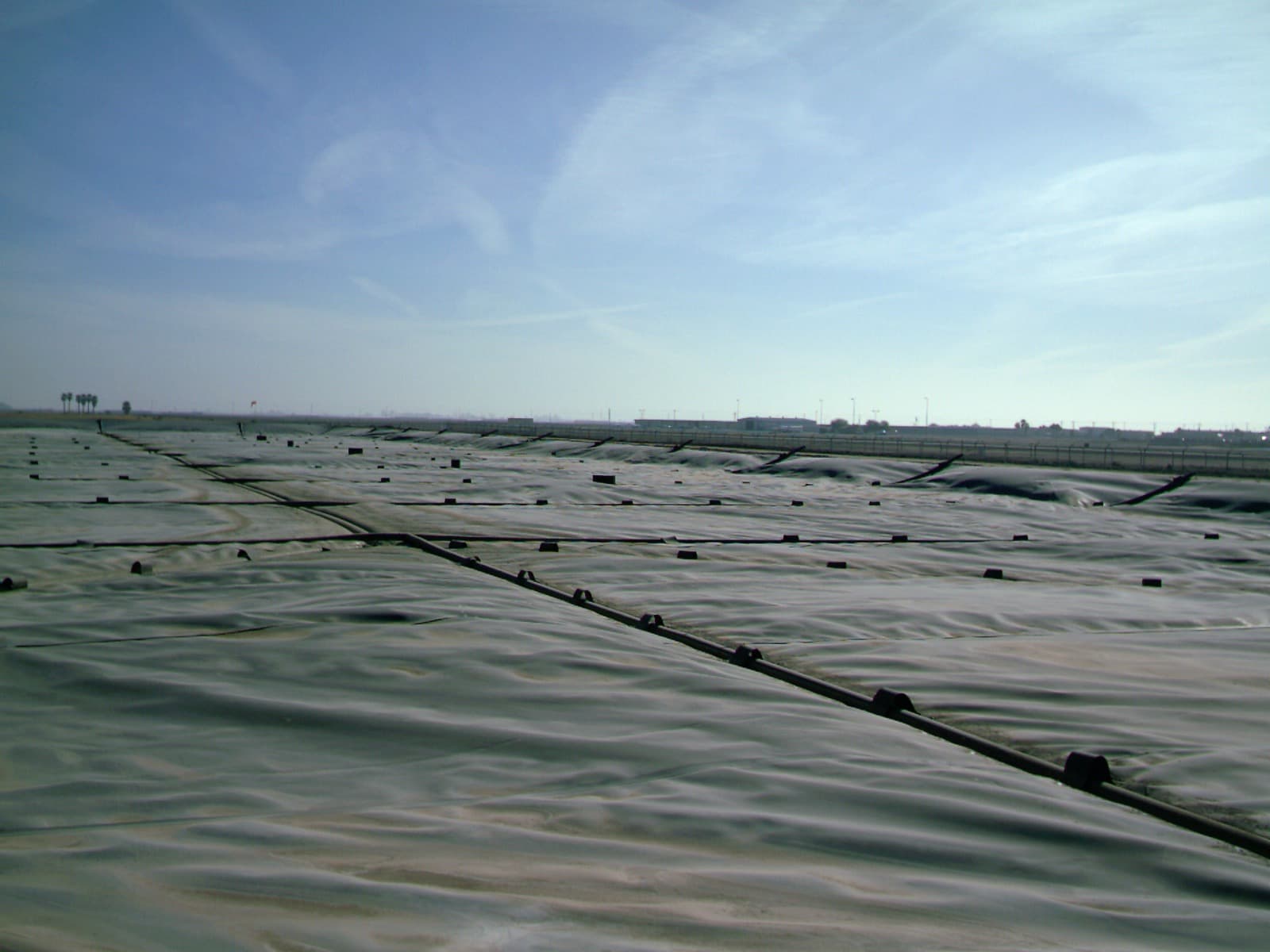
The final cover geomembrane is particularly important for LFG collection. Studies consistently show that landfills with geomembrane final covers achieve 10-20% higher collection efficiency than those with soil-only covers. The geomembrane creates an essentially impermeable barrier that forces gas movement toward the extraction wells rather than allowing diffuse surface emissions.
NSPS AAAA Compliance
- Applicability: New landfills and lateral expansions that commenced construction after July 17, 2014, with a design capacity of 2.5 million megagrams or more and estimated NMOC emissions of 34 megagrams per year or more.
- Collection system requirements: Must be operational within 30 months of reaching the emission threshold. Wells must be installed within 18 months of initial waste placement in any area.
- Surface monitoring: Quarterly surface emission monitoring at a 500-foot grid spacing. Surface methane concentrations must not exceed 500 ppm (excluding background).
- Wellhead standards: Methane content above 37.5% (by volume), oxygen below 5%, and temperature below 131F at each wellhead. Non-compliant wells must be corrected within 15 days.
- Reporting: Semi-annual reports documenting surface monitoring results, wellhead monitoring data, and system operational parameters.
Energy Recovery Options
Large landfills with significant LFG production can justify energy recovery systems that convert LFG to electricity (using reciprocating engines or gas turbines) or upgrade LFG to pipeline-quality RNG. The economic threshold for electricity generation is typically 500-1,000 cubic feet per minute of LFG production. Below this level, flaring is usually more cost-effective. RNG upgrading requires even higher volumes due to the capital cost of gas conditioning and upgrading equipment.
EFI USA provides geosynthetic liner installation for landfill bottom liners, final cover systems, and LFG system components. Our experience with landfill projects includes both new construction and closure/post-closure cover installations. Contact us for a project consultation.