For the past decade, the biogas industry has been fixated on renewable natural gas (RNG) as the highest-value use of captured methane. Upgrade biogas to pipeline quality, inject it into the natural gas grid, and collect premium credits under the Renewable Fuel Standard (RFS) and California's Low Carbon Fuel Standard (LCFS). On paper, the economics looked extraordinary. In practice, the RNG boom has produced a trail of financial wreckage.
The RNG Reality Check
The numbers tell the story. Montauk Renewables, one of the largest RNG producers in the US, saw its stock decline 93% from peak. BP wrote down its entire $1.7 billion RNG investment. USDA reported a 37% delinquency rate on RNG project loans. Brightmark, which raised billions for RNG projects, has faced project delays, cost overruns, and investor lawsuits. The pattern is consistent: RNG projects cost more, take longer, and produce less revenue than projected.
- Capital costs: A complete RNG project (digester + gas conditioning + pipeline interconnect) typically costs $10M to $50M+. Many projects have experienced 2-3x cost overruns during construction.
- Credit market volatility: D3 RIN prices have fluctuated from over $3.00 to under $1.50. LCFS credits have declined from $200+ to under $60. Projects underwritten at peak credit prices are now underwater.
- Operational complexity: RNG systems require continuous gas conditioning, compression, moisture removal, and pipeline-quality monitoring. Downtime directly reduces revenue.
- Timeline: From concept to gas flowing, an RNG project typically takes 3 to 5 years. Permitting, interconnection agreements, and construction delays are common.
The Cap-and-Flare Alternative
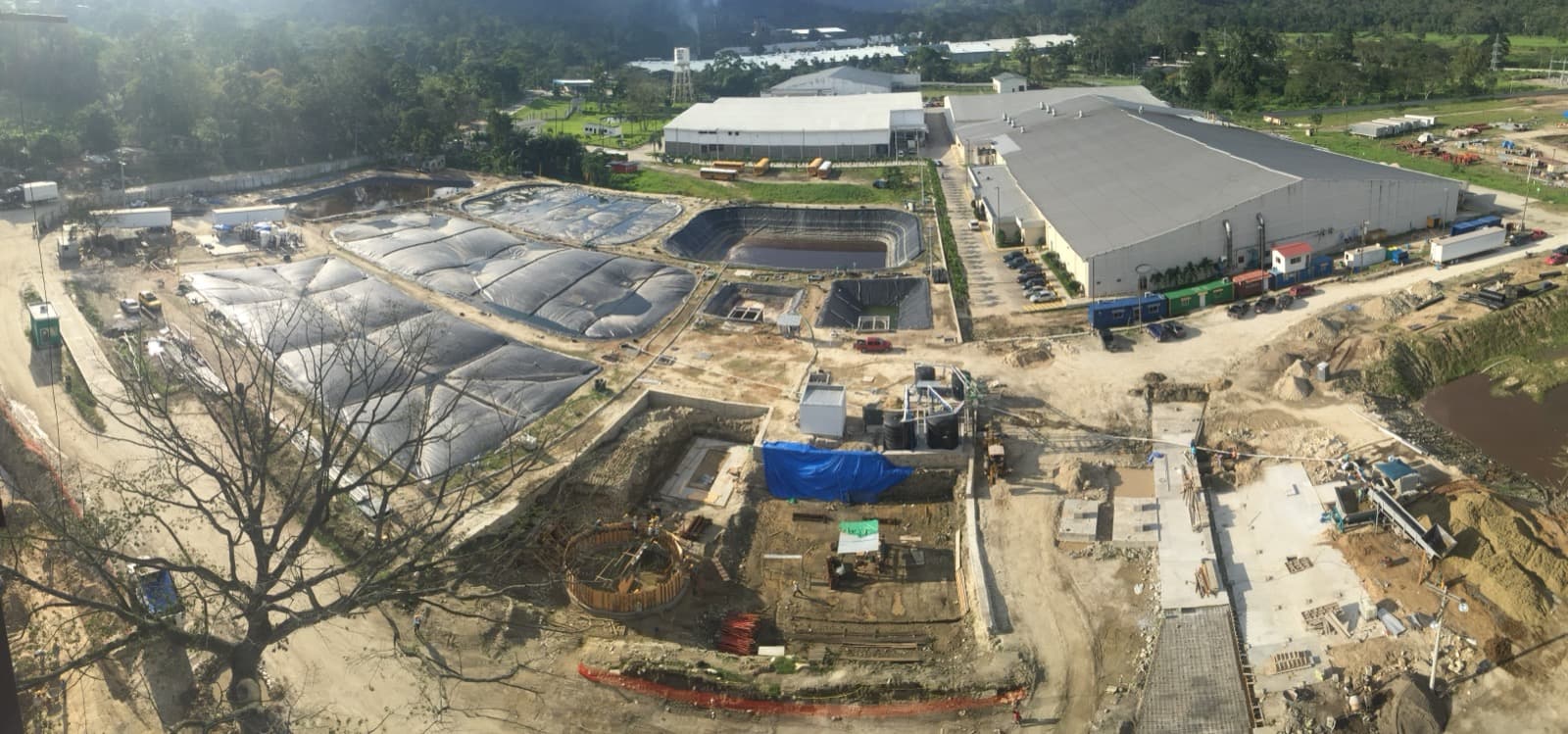
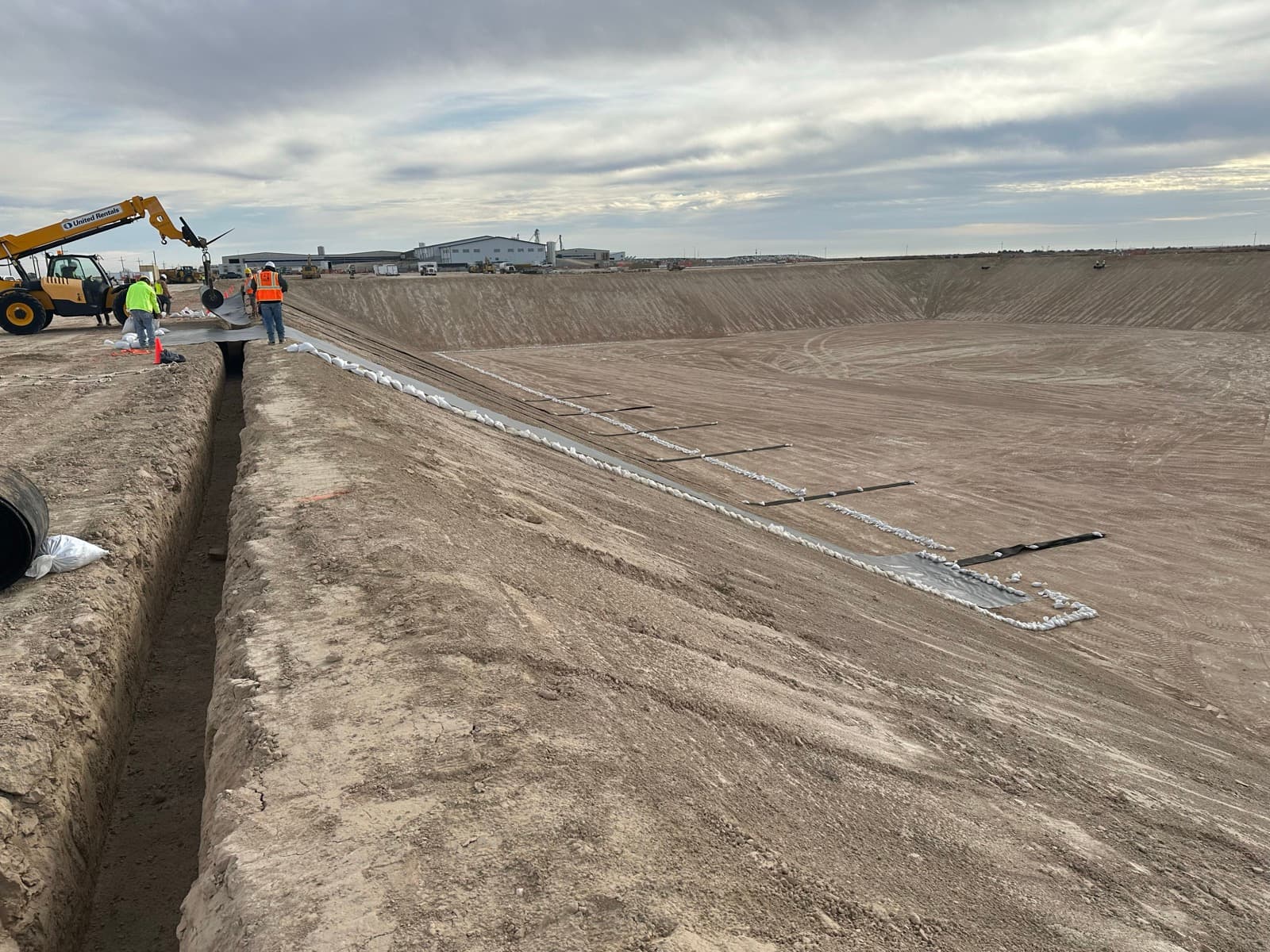
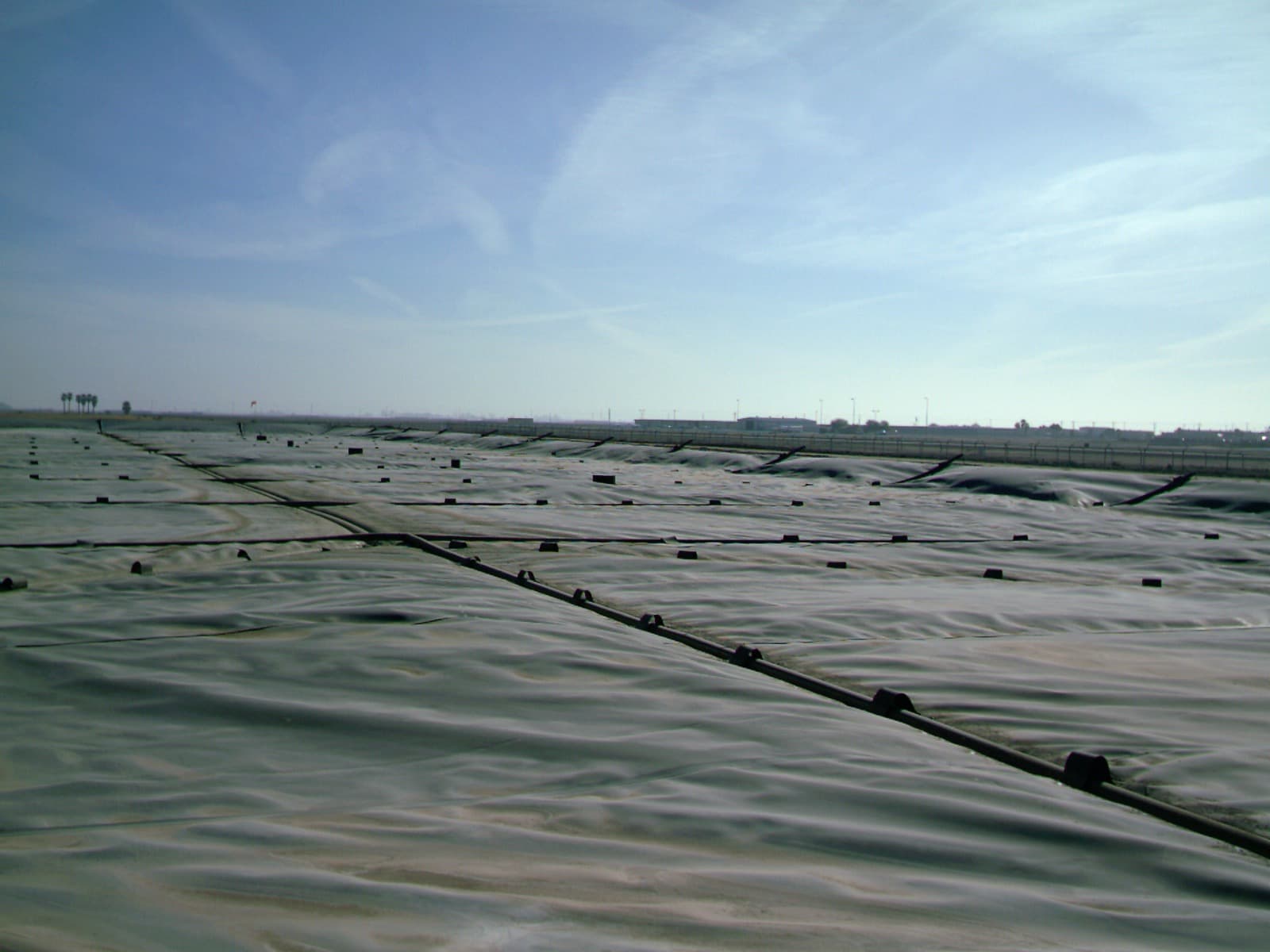
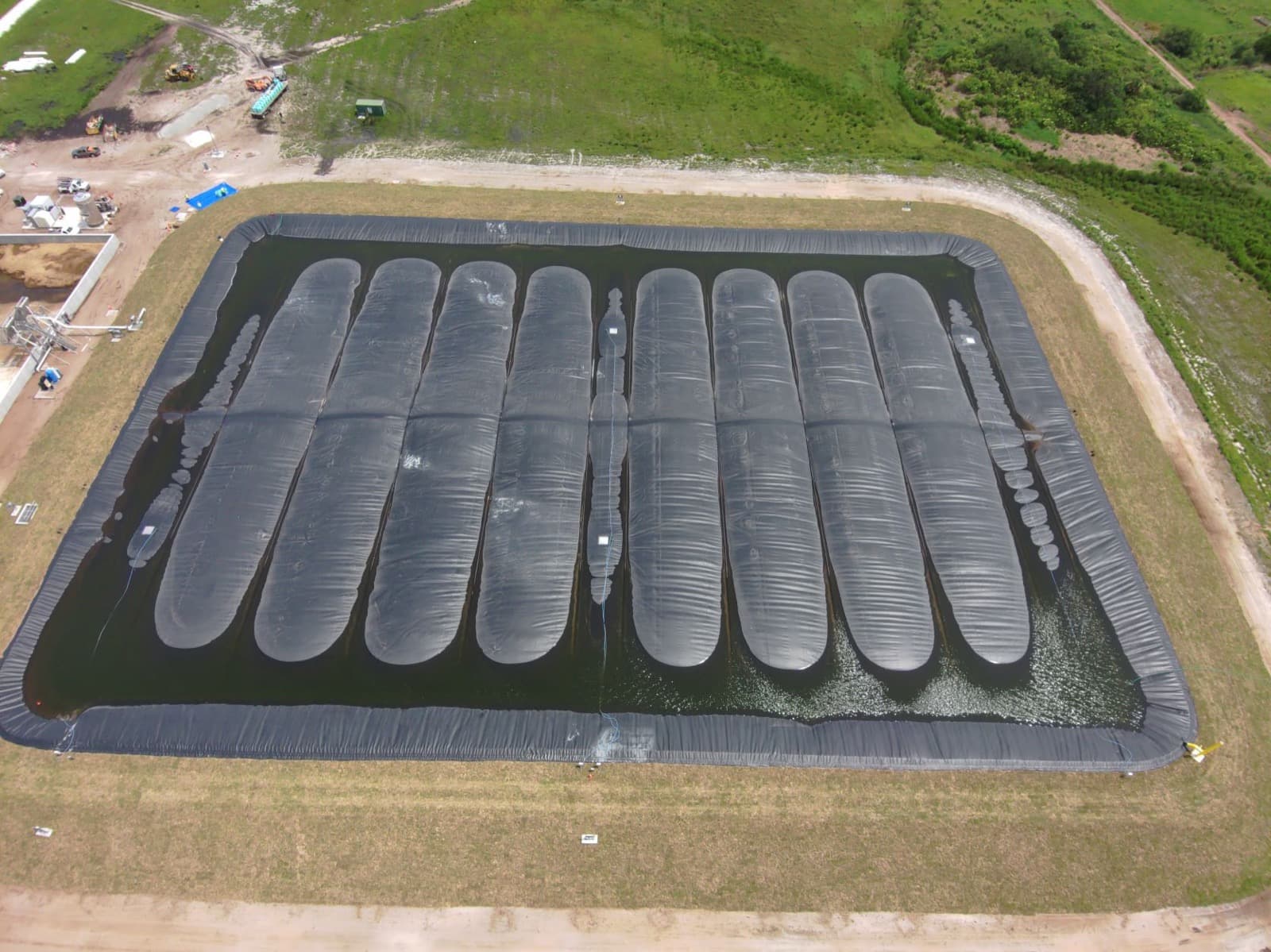
Methane destruction through cap-and-flare is the opposite end of the complexity spectrum. Capture biogas under a covered lagoon digester, route it to an enclosed flare, and destroy it. The environmental benefit is identical -- methane that would have entered the atmosphere is eliminated. The economics are simpler, the timeline is shorter, and the risk is dramatically lower.
- Capital cost: $300K to $1.5M for a complete CLD and flare system. That is 1/10th to 1/50th the cost of an RNG project.
- Timeline: 3 to 9 months from contract to operational. No pipeline interconnection, no gas conditioning equipment, no utility agreements.
- Operational simplicity: A CLD with flare has minimal moving parts. Annual O&M costs are $15K to $50K. One technician can manage multiple sites.
- Revenue: Carbon credits from verified methane destruction generate $100K to $500K+ annually per site, depending on methane volume and credit market.
- Risk profile: No credit market dependency for project viability. Even at depressed credit prices, the low capex ensures positive returns.
When RNG Still Makes Sense
RNG is not dead, but it has a narrower window of viability than the industry assumed. RNG makes sense in specific scenarios: very large single-source waste streams (1,000+ MMBtu/day), proximity to existing pipeline infrastructure, operations with long-term off-take agreements at fixed prices, and projects backed by balance-sheet capital that can absorb credit market volatility.
For the vast majority of dairy farms, food processors, and municipal wastewater operations, the waste stream is too small, the location is too remote, or the capital requirement is too high for RNG to pencil. These operations are far better served by methane destruction.
The Math: Destruction vs. RNG Side by Side
- Capex: Cap-and-flare $300K-$1.5M vs. RNG $10M-$50M+
- Timeline to revenue: 3-9 months vs. 3-5 years
- Annual O&M: $15K-$50K vs. $500K-$2M+
- Payback period: 1-4 years vs. 7-15+ years (if ever)
- IRR: 30-80% vs. 5-15% (at current credit prices)
- Technology risk: Minimal (proven 30+ years) vs. Significant (gas conditioning, compression, pipeline)
- Methane eliminated: Identical environmental benefit
The Bottom Line
The biogas industry spent a decade chasing the highest-value molecule (RNG) while ignoring the highest-value outcome (methane elimination at the lowest possible cost). The market is now correcting. Operations that chose simple, proven cap-and-flare systems are generating returns while RNG projects are writing down assets. The environmental impact is the same. The financial impact is not even close.
“You don't need a $50 million gas plant to solve a methane problem. You need a cover and a flare. We've been doing this for 30 years, and the simplest approach is still the best one.”
-- EFI USA