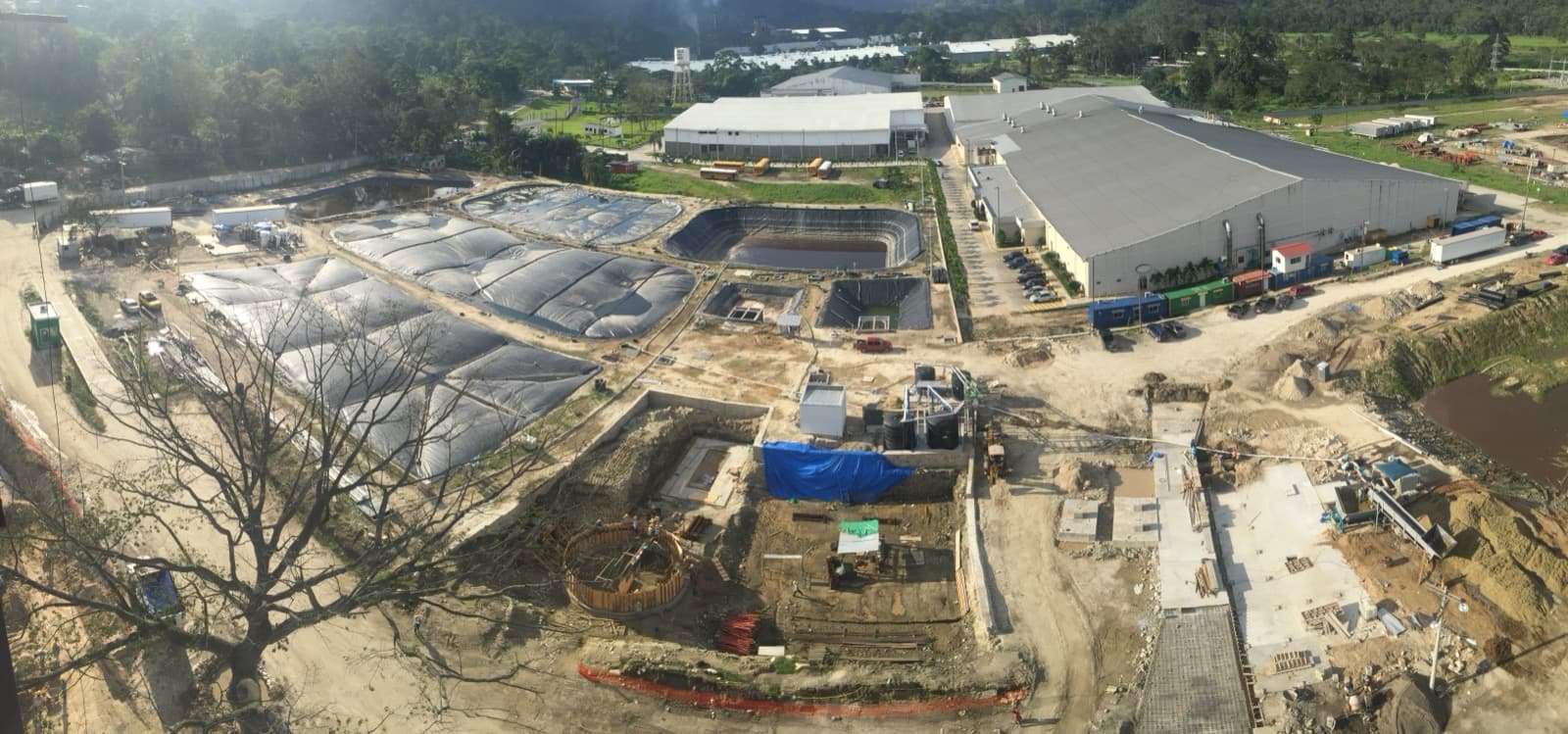
The American craft beverage industry has exploded over the past decade -- more than 9,500 craft breweries and 2,800 craft distilleries now operate across the country. Most produce wastewater with biochemical oxygen demand (BOD) levels 10-30 times higher than domestic sewage. Municipal treatment plants increasingly refuse to accept this effluent, or charge surcharges that can exceed $50,000 per month for mid-size operations. The result is a growing need for on-site wastewater treatment and containment systems designed specifically for the unique challenges of beverage production waste.
What Makes Brewery and Distillery Wastewater Different
- Extremely high BOD: Brewery wastewater typically ranges from 2,000-6,000 mg/L BOD, with spent grain wash and yeast slurry spikes reaching 15,000+ mg/L. Distillery stillage (pot ale) can exceed 30,000 mg/L. For comparison, domestic wastewater averages 200-300 mg/L.
- pH variability: Caustic cleaning cycles (pH 12-13) alternate with acidic fermentation waste (pH 3-4), creating rapid pH swings that stress both biological treatment processes and liner materials.
- Temperature extremes: Hot liquor tank blowdowns and CIP (clean-in-place) rinses can discharge at 140-180F, requiring liners rated for elevated temperature service.
- Nutrient imbalance: Brewery wastewater is typically nitrogen and phosphorus deficient relative to its carbon loading, which complicates biological treatment without nutrient supplementation.
- Seasonal and batch variability: Production schedules create highly variable flow rates and loading -- a brewery producing a high-gravity imperial stout generates very different wastewater than one running light lagers.
Lagoon Sizing for Beverage Wastewater
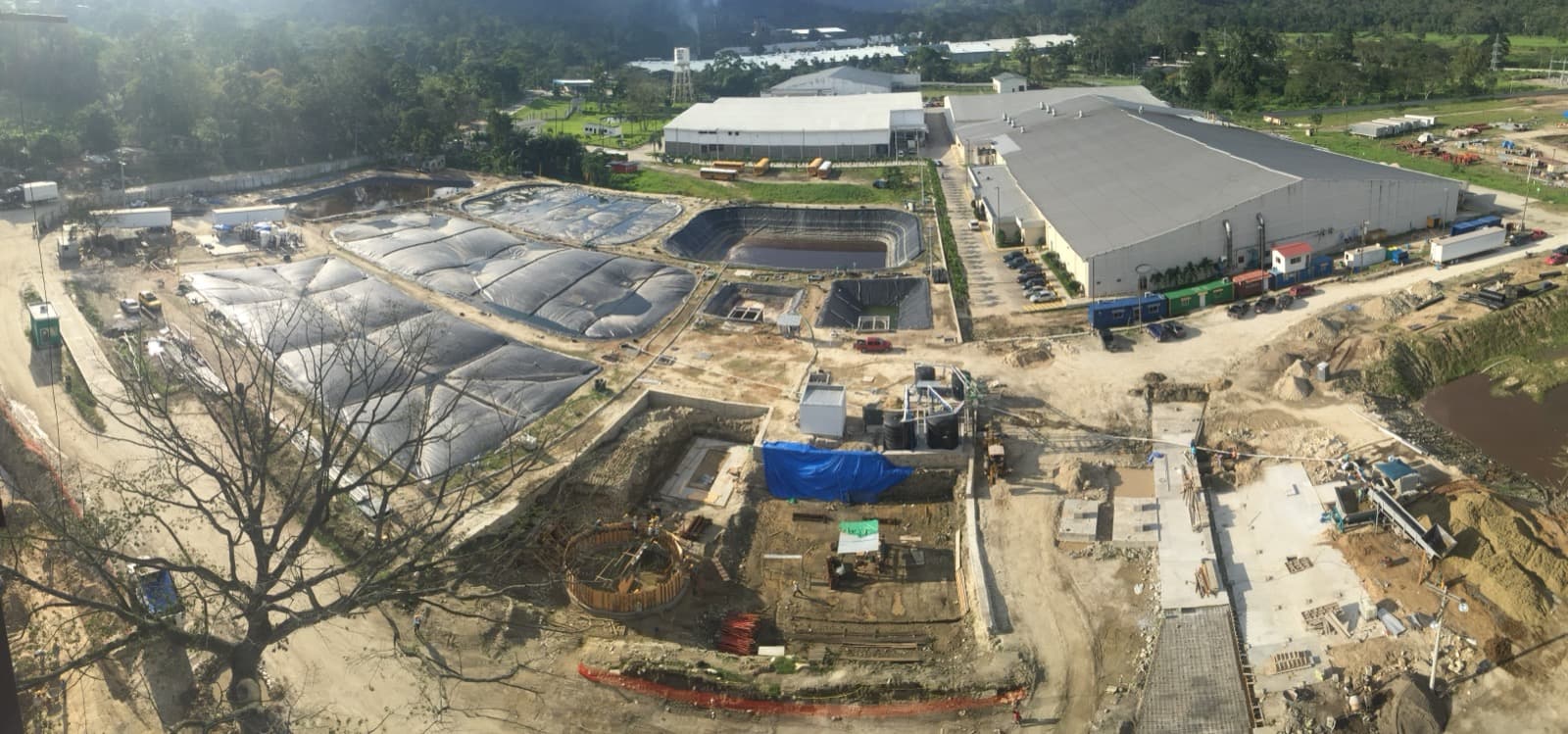
Lagoon systems for brewery and distillery wastewater must be sized for both hydraulic retention time and organic loading rate. For anaerobic lagoons treating high-BOD beverage waste, a minimum hydraulic retention time of 20-40 days is typical, with organic loading rates of 200-400 lbs BOD per acre per day for facultative systems and significantly higher for covered anaerobic lagoons. An average craft brewery producing 30,000 barrels per year generates roughly 15,000-25,000 gallons per day of process wastewater, requiring a primary treatment lagoon of 500,000-1,500,000 gallons depending on treatment approach and discharge requirements.
Liner Material Selection for Beverage Applications
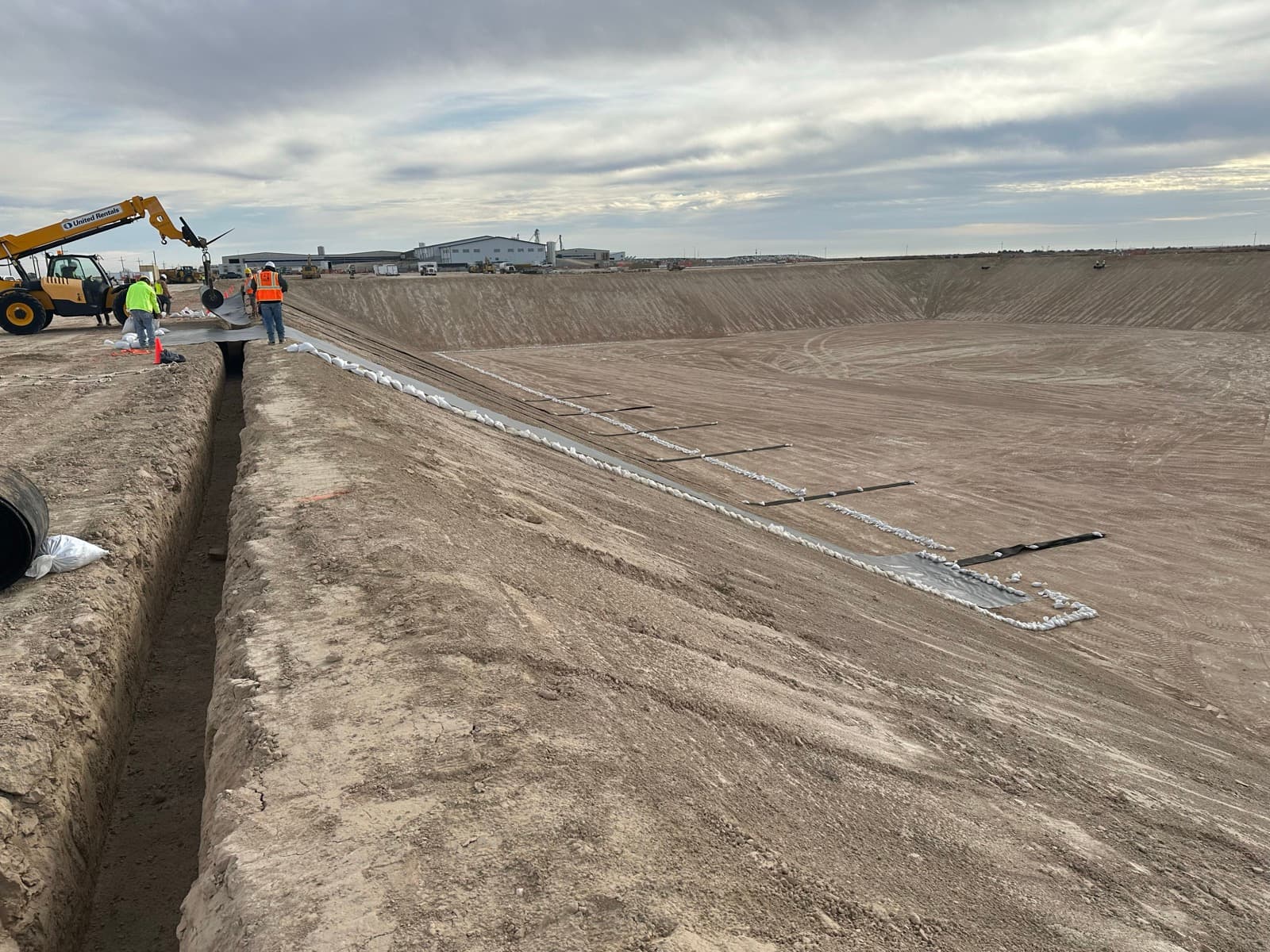
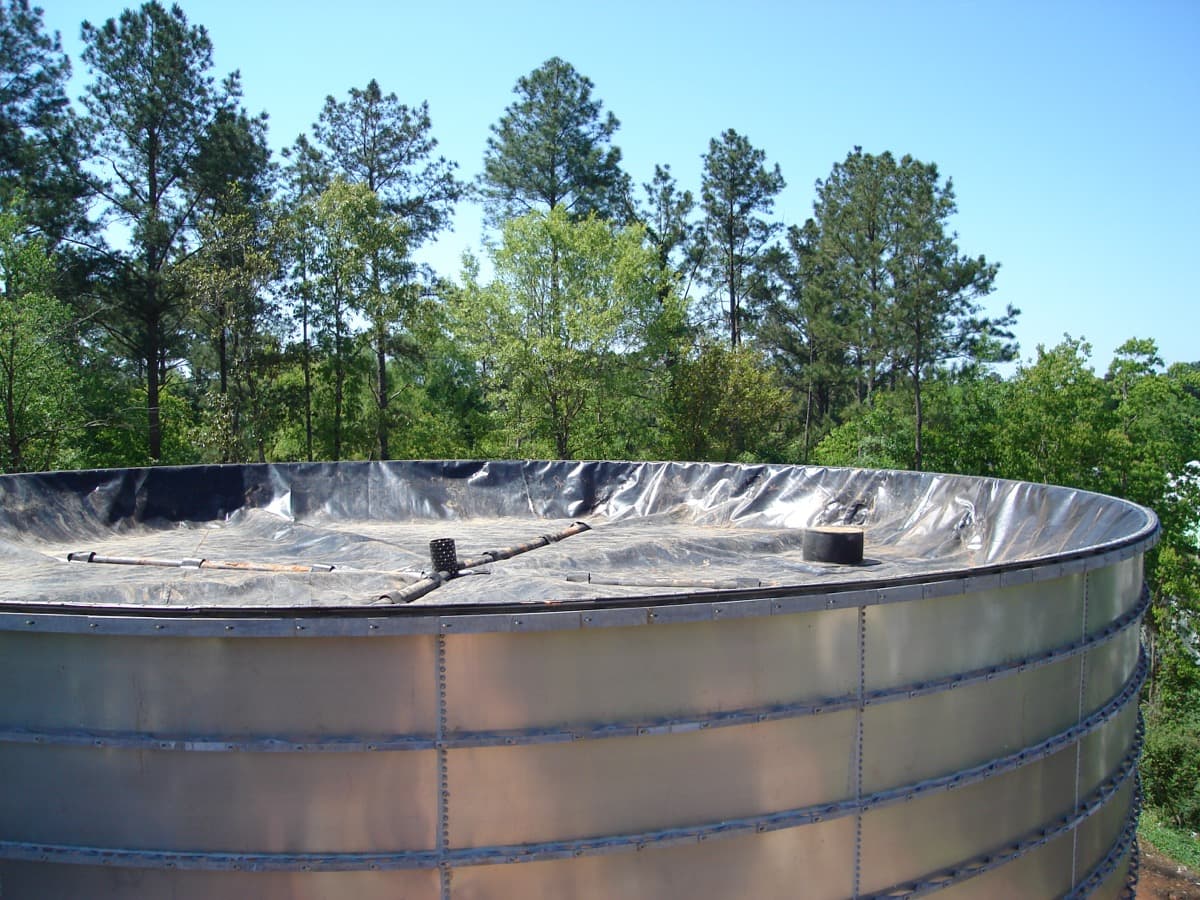
The combination of pH extremes, elevated temperatures, and high organic loading creates a demanding environment for geomembrane liners. HDPE (60-80 mil) is the standard choice for brewery and distillery lagoons due to its excellent chemical resistance across the full pH range and its ability to handle temperatures up to 160F in continuous service. For applications with extreme CIP chemical exposure or temperatures above 160F, reinforced polypropylene (RPP) provides additional chemical and thermal resistance. LLDPE is sometimes used for secondary polishing lagoons where chemical exposure is less severe and greater conformability to irregular subgrades is needed.
Odor Control with Floating Covers
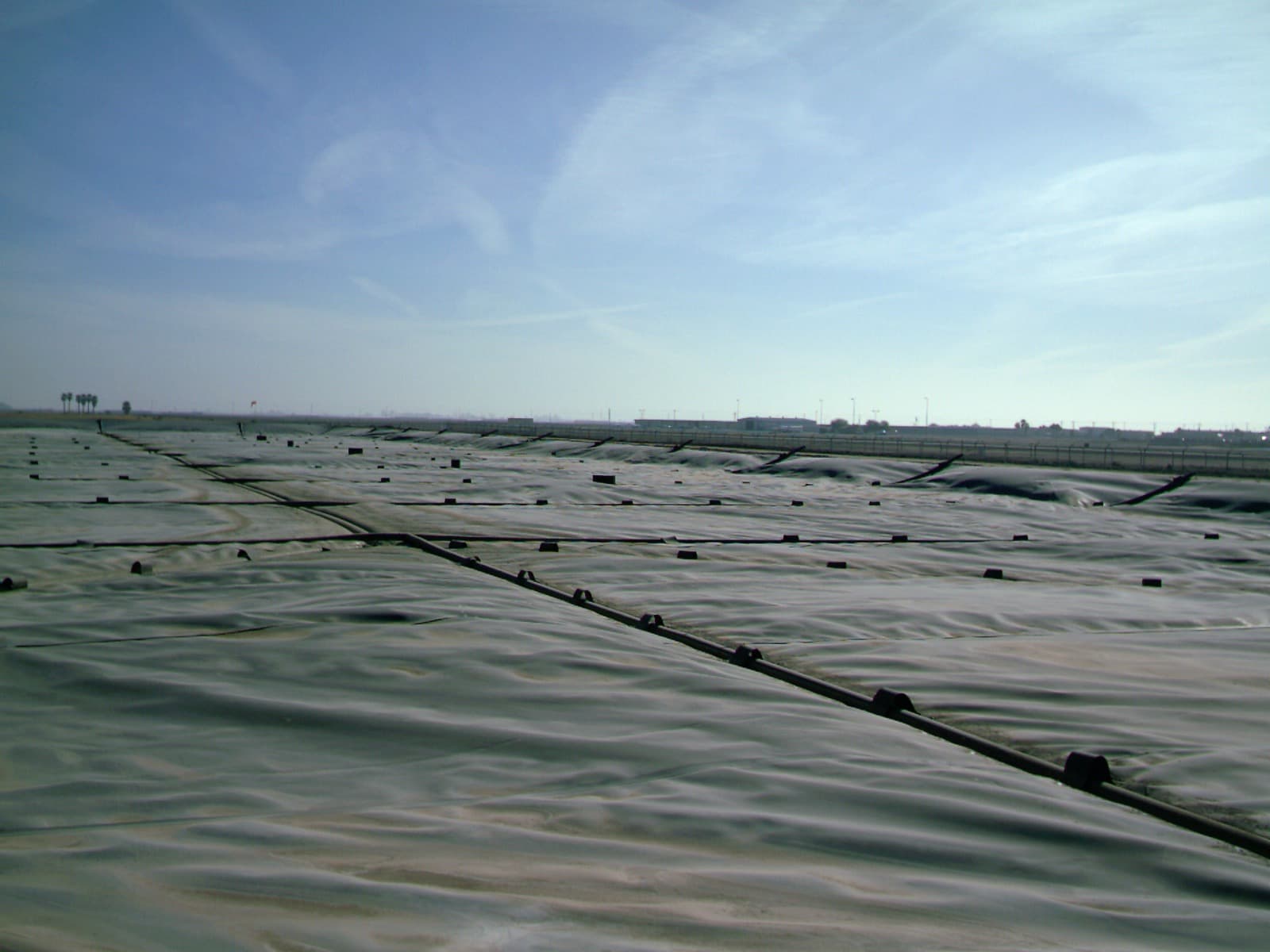
Odor is often the most immediate and contentious issue for beverage producers operating lagoon systems. Anaerobic decomposition of high-BOD wastewater produces hydrogen sulfide, volatile organic compounds, and other malodorous gases that can generate complaints from distances of a mile or more. Floating covers -- typically HDPE or LLDPE geomembrane installed on the lagoon surface with gas collection and venting -- eliminate 95-99% of odor emissions. For operations generating enough biogas to justify it, the collected gas can be flared or used for process heat recovery. EFI has installed floating covers on beverage wastewater lagoons ranging from 50,000 to over 5,000,000 gallons.
The Growing Craft Segment Opportunity
The craft beverage industry is in a unique position: rapid growth has outpaced wastewater infrastructure at both the municipal and facility level. Many craft producers are operating on temporary discharge permits, paying unsustainable surcharges, or facing enforcement actions. Purpose-built lagoon treatment systems with proper containment offer a path to compliance that also reduces long-term operating costs. As the industry matures and consolidates, operators who invest in proper wastewater infrastructure gain both regulatory security and a competitive advantage in facility valuation.
EFI USA has provided containment and cover systems for beverage producers ranging from 5,000-barrel craft operations to major regional breweries. Our experience with high-strength wastewater environments -- from dairy to food processing to beverage -- means we understand the unique material selection, installation, and maintenance requirements that these applications demand.