The biogas sector is consolidating. Private equity firms, infrastructure investors, and strategic acquirers are buying operating digester portfolios, landfill gas collection systems, and RNG facilities at an accelerating pace. The logic is sound: biogas assets generate predictable revenue from carbon credits, RINs, or energy sales, and the physical infrastructure has long useful life when properly maintained. The problem is that not all biogas assets are properly maintained, and the gap between a well-run system and a neglected one can represent millions of dollars in deferred maintenance, lost revenue, and regulatory liability.
Why Due Diligence Matters More Than Ever
The USDA's reported 37% delinquency rate on RNG project loans tells you something important: a substantial percentage of biogas projects are not performing as underwritten. Buyers entering this market through acquisition are inheriting the previous owner's design decisions, construction quality, maintenance history, and regulatory compliance record. Without rigorous technical due diligence, you are buying a black box that may contain a performing asset or may contain a capital-intensive remediation project.
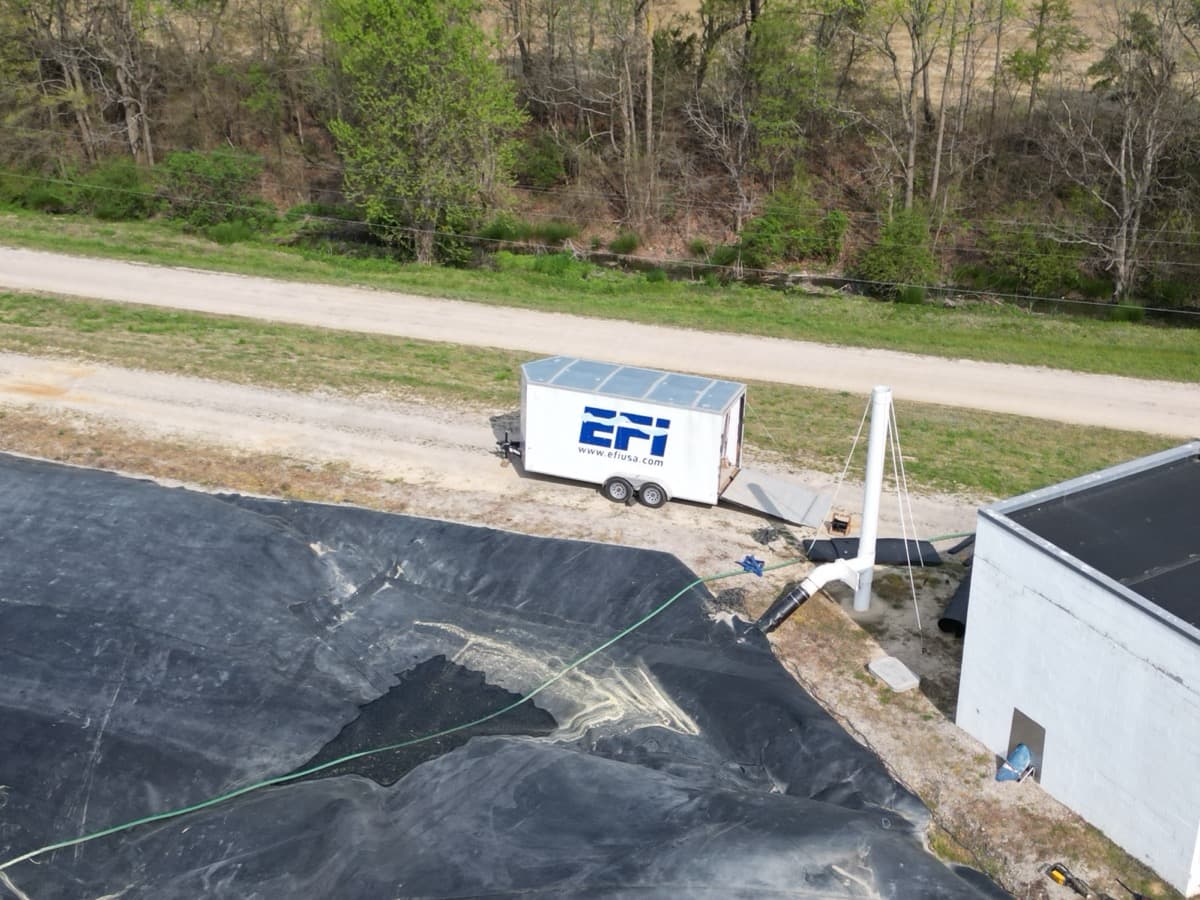
EFI provides independent technical evaluation services for biogas asset acquisitions -- both biodigester systems and landfill gas installations. The company's 32 years of designing, building, and maintaining covered lagoon digesters provides the operational knowledge base to evaluate system condition, performance, and remaining useful life. The 2025 SD Opco digester inspection project exemplifies this service: a third-party evaluation of a digester asset conducted on behalf of a prospective buyer.
Structural and Physical Inspection
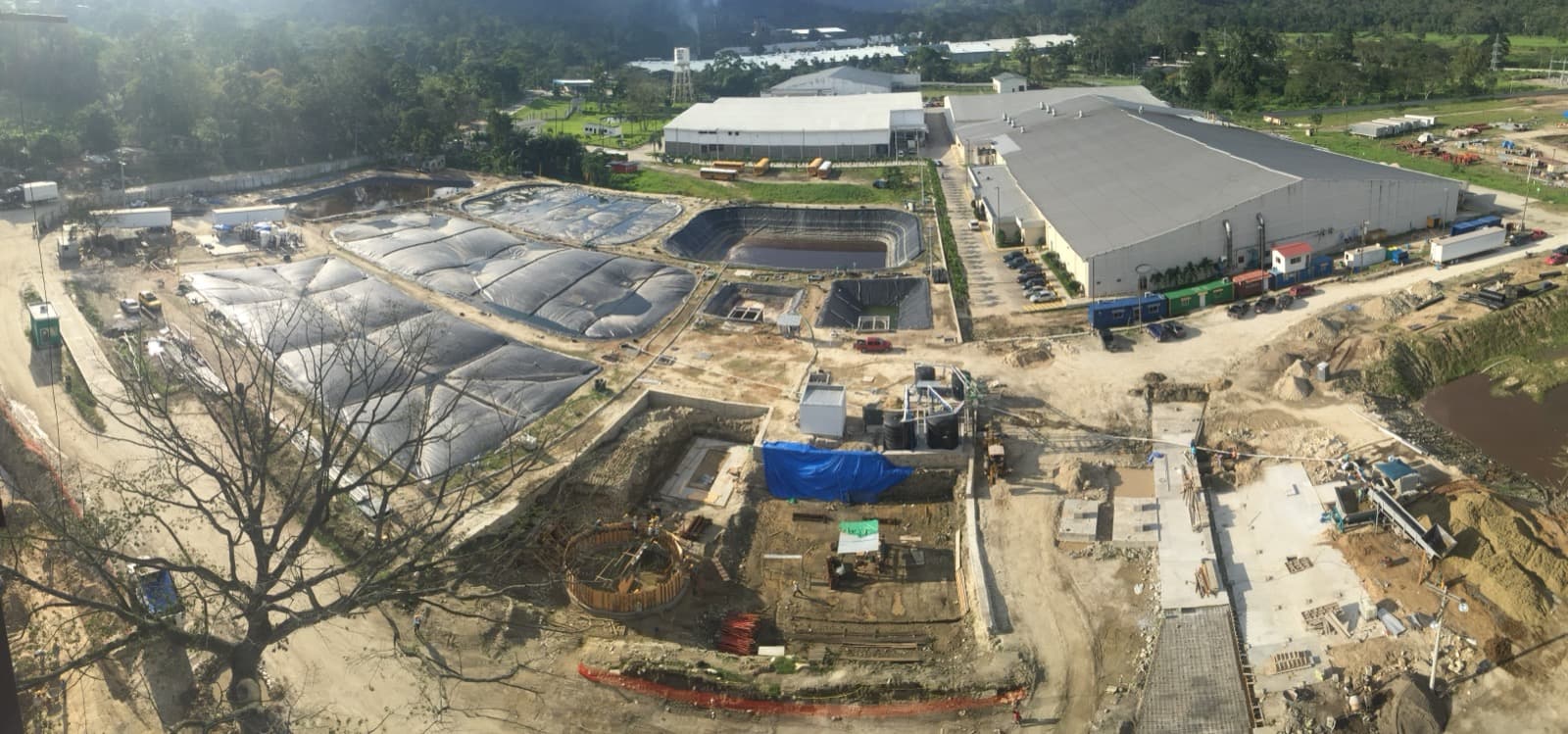
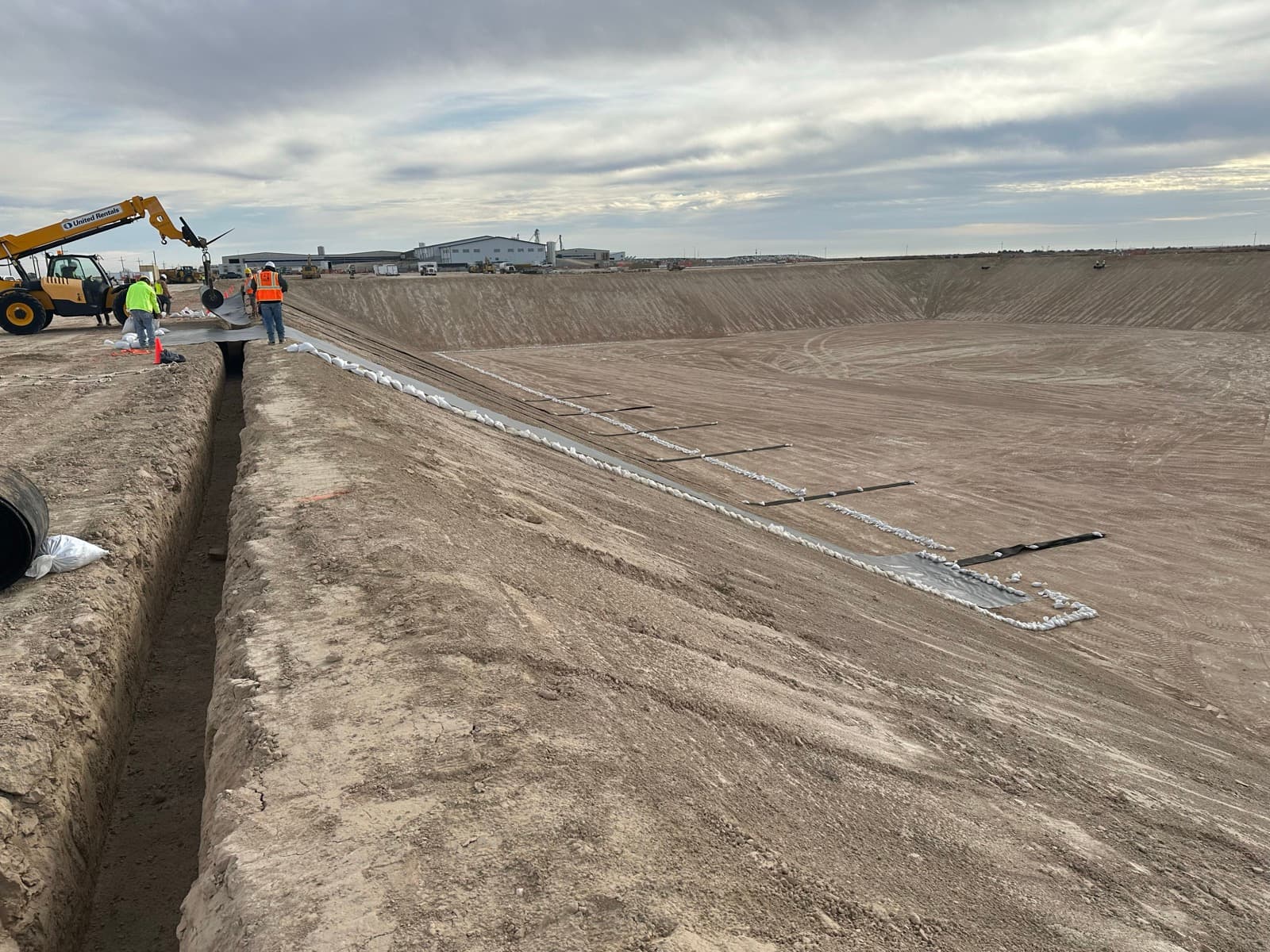
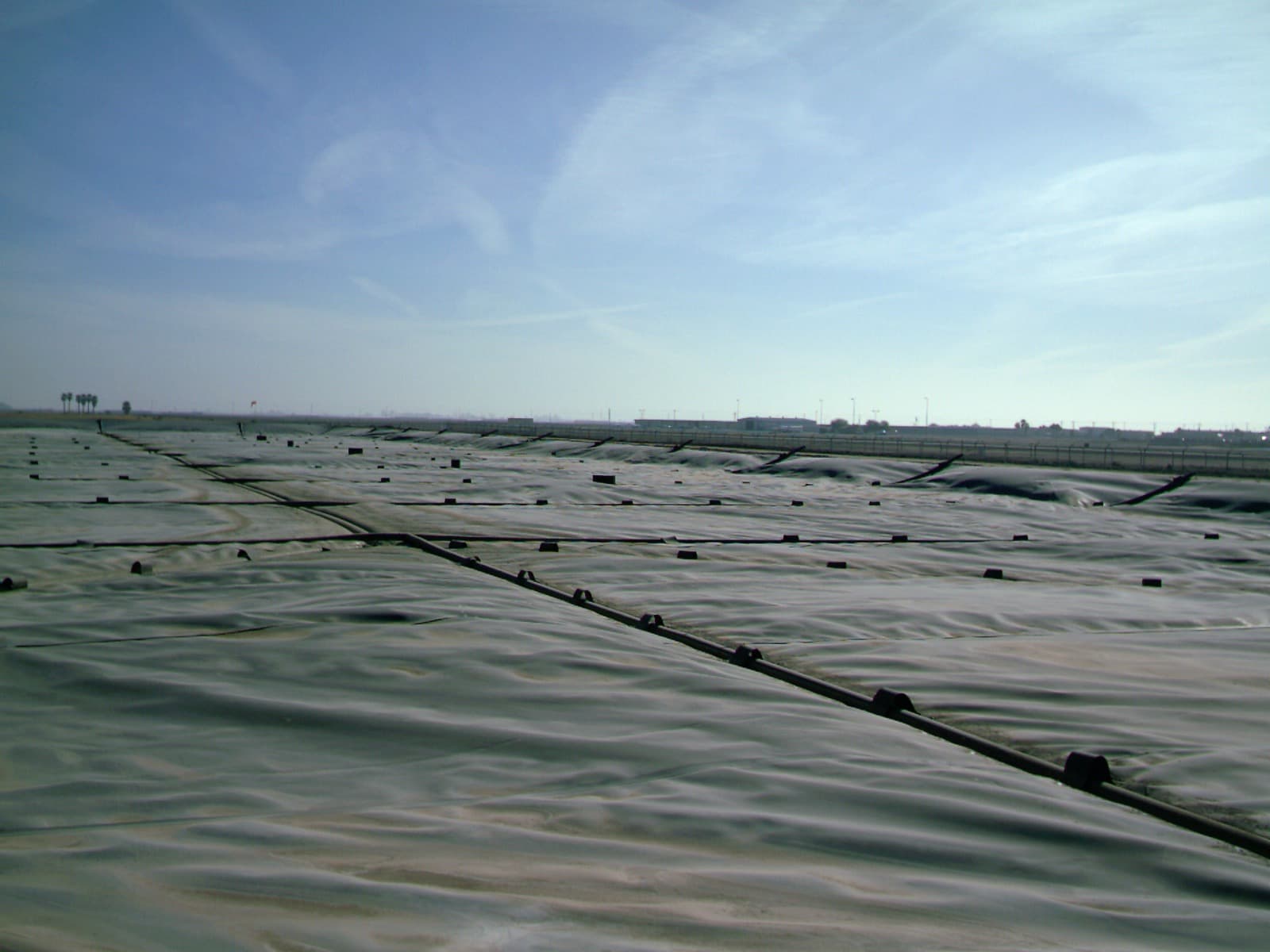
The physical inspection of a biodigester asset evaluates every component that affects system performance and remaining useful life. For covered lagoon digesters, this includes the cover membrane, gas collection system, flare or energy recovery equipment, instrumentation, and the lagoon structure itself.
- Cover membrane condition: Visual inspection for tears, patches, ponding, UV degradation, and seam integrity. Material testing (tensile strength, elongation, oxidative induction time) on coupon samples to assess remaining useful life.
- Anchor trench integrity: Inspection of cover anchoring system for soil erosion, settlement, cover edge displacement, and seal condition.
- Gas collection system: Leak testing of all piping, manifolds, and connections. Condensate drain inspection and flow testing. Pressure drop testing across the collection network.
- Flare system: Burner condition, ignition system reliability, flame detection sensor calibration, combustion chamber refractory condition, and thermocouple functionality.
- Lagoon structure: Liner condition (if accessible), embankment stability, freeboard adequacy, inlet and outlet structure condition, and sludge depth measurement.
- Instrumentation: Calibration status of all monitoring equipment including gas flow meters, methane analyzers, H2S sensors, temperature probes, and pressure transmitters.
Landfill Gas Asset Evaluation
Landfill gas collection systems present different due diligence challenges than biodigester systems. The gas source (decomposing solid waste) is not a continuous input stream but a finite, declining resource. The collection infrastructure (vertical and horizontal wells, header piping, blowers, flares) operates in a more aggressive environment than typical biodigester systems. And the regulatory framework (NSPS compliance, Title V permitting) imposes specific operational requirements that must be maintained by any asset owner.
- Wellfield condition: Individual well flow rates, vacuum levels, and gas quality (methane, oxygen, nitrogen, temperature). Compare current readings to historical data to identify declining wells.
- Collection efficiency: Total gas collected vs. estimated gas generation (using EPA LandGEM or similar models). Collection efficiency below 75% may indicate wellfield deterioration or design inadequacy.
- Header and lateral piping: Condensate accumulation, leak detection, pipe corrosion assessment. Buried piping condition may require camera inspection or pressure testing.
- Blower and flare equipment: Operating hours, maintenance records, efficiency testing, and remaining useful life assessment.
- NSPS compliance: Surface emission monitoring records, wellhead gas composition data, and compliance reporting history. Non-compliance can trigger enforcement action against the new owner.
SD Opco: What a Third-Party Evaluation Covers
EFI's 2025 SD Opco digester inspection services project provides a template for what comprehensive technical due diligence looks like. The evaluation covered physical inspection of all system components, review of historical operational data (gas production, destruction efficiency, downtime records), assessment of maintenance records and deferred maintenance liabilities, material testing of cover and liner samples, instrumentation calibration verification, and a written condition report with remaining useful life estimates for each major system component.
The inspection report provides the buyer with a clear picture of what they are acquiring: which components are in good condition and can be expected to perform for years, which components need near-term repair or replacement (and at what cost), and which system-level issues (if any) affect gas production, credit generation, or regulatory compliance. This information directly informs the acquisition price negotiation and the post-acquisition capital budget.
Common Red Flags in Digester Acquisitions
After evaluating multiple acquisition targets, EFI has identified patterns that signal potential problems.
- Declining gas production without a clear operational explanation (herd reduction, waste stream change). May indicate cover leaks, GCS degradation, or sludge accumulation reducing active volume.
- Maintenance records that are sparse, inconsistent, or nonexistent. Well-maintained systems have documented maintenance histories. Systems without records are systems that were not maintained.
- Instrumentation that is out of calibration or non-functional. If the monitoring equipment does not work, the reported performance data is unreliable.
- Cover patches or repairs that were done with incompatible materials or improper welding techniques. Bad repairs can be worse than no repairs -- they can create new failure modes.
- Carbon credit revenue projections based on peak pricing rather than current market conditions. Validate credit revenue using current pricing and verified destruction data, not seller projections.
- Deferred sludge removal. If the lagoon has not been desludged in 10+ years, the effective volume is significantly less than the design volume, and sludge removal costs ($100K-$500K) should be factored into the acquisition price.
Financial Due Diligence: Credit Revenue Validation
Technical condition is only half the due diligence equation. Financial validation requires verifying that the carbon credit revenue reported by the seller is real, sustainable, and transferable. This means reviewing carbon credit issuance records from the relevant registry (ACR, Verra, CARB), confirming that the crediting period has not expired or is approaching expiration, validating the monitoring methodology and data quality that underlies credit issuance, and assessing the transfer terms for the project registration and any existing credit purchase agreements.
Buyers should also evaluate the regulatory risk to credit revenue. Protocol changes, market pricing shifts, and additionality challenges can all affect future credit generation. A system that has been generating $200,000 per year in voluntary credits may not continue at that rate if the protocol is revised or if voluntary credit pricing declines. Stress-testing revenue projections at 50% and 75% of current pricing provides a more realistic view of acquisition economics.
Environmental and Regulatory Due Diligence
Environmental due diligence covers permit status (are all required permits current and in compliance?), environmental liabilities (any outstanding violations, consent orders, or remediation obligations?), groundwater monitoring data (any contamination that could be attributed to the lagoon system?), and air quality compliance (emissions monitoring records, any NSPS or state air quality violations).
Regulatory liabilities transfer with asset ownership in most transaction structures. A buyer who acquires a digester with outstanding environmental violations inherits the obligation to remediate, which can cost significantly more than the asset purchase price in extreme cases. EFI's due diligence process includes a regulatory compliance review that identifies any outstanding issues and estimates remediation costs.
EFI as Independent Technical Evaluator
EFI's value as a due diligence partner comes from operational experience, not consulting methodology. The company has designed, built, and maintained more covered lagoon digesters than any other firm in the US. When an EFI engineer inspects an acquisition target, they are comparing what they see to 500+ reference systems. They know what a 10-year-old cover should look like, what gas production a specific lagoon size and waste stream should generate, and what maintenance items should appear in a well-managed system's records. This field experience is not replicable through desk research or standard engineering consulting.
“We have built enough of these systems to know what they should look like at every age. When we inspect an acquisition target, we are not guessing about remaining useful life. We are comparing it to hundreds of systems we have watched age. That is due diligence you cannot get from a consulting firm that has never installed a cover.”
-- EFI USA